REVIEW · KYOTO
Kyoto Sushi Making Experience with a Professional Sushi Chef
Book on Viator →Operated by MagicalTrip Inc. · Bookable on Viator
Sushi in Kyoto feels like a secret. Then you learn to make it, step by step, with a Taisho sushi chef in a small group. I like that you get both the show-and-learn side and the hands-on part, so you leave with real skill, not just photos.
What I love most is the focus on technique and taste: you’ll practice nigiri shaping and rolling, then eat what you make on the spot, plus a sake tasting with pairing tips. One possible drawback: this is a structured class with a set menu and pacing, so if you’re hoping for lots of extra sightseeing or free-form wandering, this won’t be that kind of tour.
In This Review
- Key highlights worth showing up for
- Arriving for a 3:30 pm class that feels like Kyoto, not a factory line
- First stop: choosing traditional Japanese sweets before your matcha moment
- Meeting the Taisho: how you learn nigiri without intimidation
- Nigiri practice: shaping, balancing, and the small details that change everything
- Rolling sushi: learning a technique you can repeat at home
- Tempura set and drinks: the comfort-food side of the meal
- Sake tasting with pairing tips: tasting like a sushi chef
- Matcha whisking in a Kyoto-style garden: the calm finale
- What you’re really paying for: $163.30 isn’t cheap, but it includes a full meal and full instruction
- The Ayuri effect: why the guide can make or break the class
- Who should book this Kyoto sushi-making experience
- Should you book this sushi class in Kyoto?
- FAQ
- How long is the Kyoto sushi making experience?
- What do you learn and eat during the class?
- What time does it start, and where does it meet?
- Is there an English option?
- Is the class suitable for kids?
- What’s the group size like?
- Is it refundable if plans change?
Key highlights worth showing up for
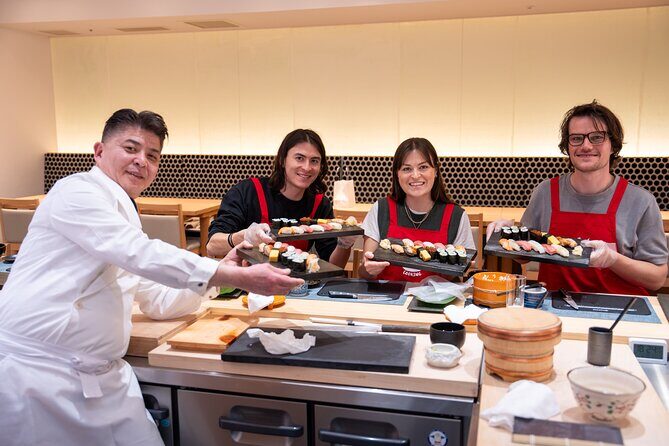
- 9 nigiri sushi pieces + roll sushi practice, so you’re not just copying one thing once
- Tempura made by the chef as part of a proper meal, not a small snack
- Sake tastings with pairing tips, which helps you understand why sushi tastes the way it does
- Matcha whisking in a calm Kyoto-style garden, paired with Japanese sweets you chose earlier
- Small group size (maximum 8), which means more time for questions and corrections
- English-speaking guidance, so you don’t need Japanese or sushi jargon to keep up
Arriving for a 3:30 pm class that feels like Kyoto, not a factory line
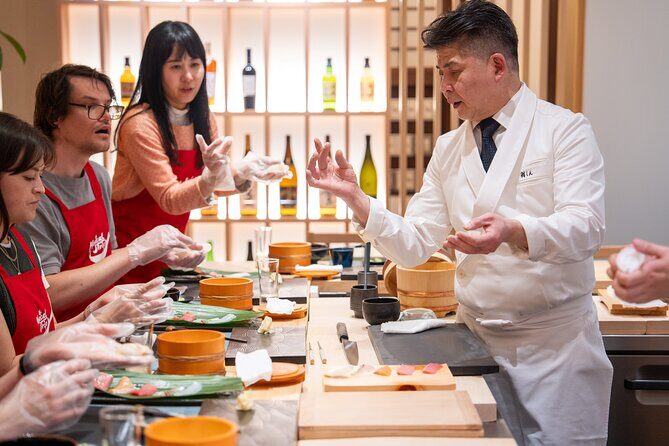
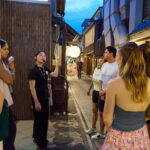
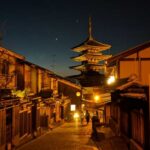
This experience starts at 3:30 pm in Nakagyo Ward, Kyoto, at Diesel604 Banochō (and it ends back at the same meeting point). A late-afternoon start is actually smart here. You’re not rushing in the heat, and by the time you finish, you’ve got an evening “food story” to carry with you around Kyoto.
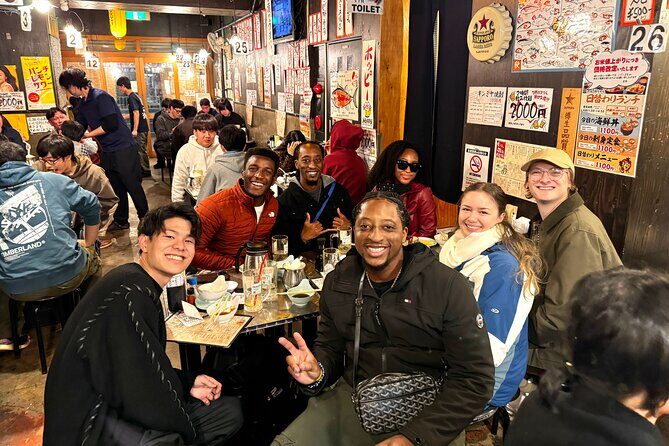
The group is capped at 8 people. That matters more than people think. In a class this hands-on, small numbers mean you can actually see what the chef is doing at close range, and you’re more likely to get quick corrections while you’re shaping sushi rice and rolling maki.
You’ll also get an English-speaking guide, which keeps the focus where it should be: learning how sushi is built and tasting how the flavors connect. No Japanese skills needed, and you won’t have to wrestle with details you can’t understand.
You can also read our reviews of more tours and experiences in Kyoto.



First stop: choosing traditional Japanese sweets before your matcha moment
The day begins with a visit to a local shop for traditional Japanese sweets, guided by a friendly expert. This part works for two reasons.
First, it sets a Kyoto rhythm early: you’re not only learning food techniques, you’re learning how the culture organizes taste. Second, choosing your sweets ahead of time gives the end of the experience a payoff. Later, you’ll whisk matcha and enjoy it with those sweets. It turns the finale from a generic drink into something personal.
Even if you’re not a sweets person, this stop still has value. Japanese sweets are designed around pairing and texture, not just sugar. If you pay attention here, matcha at the end will make more sense.
Meeting the Taisho: how you learn nigiri without intimidation
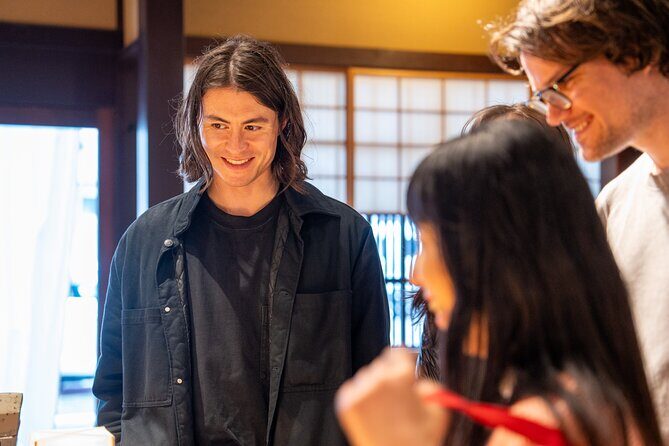
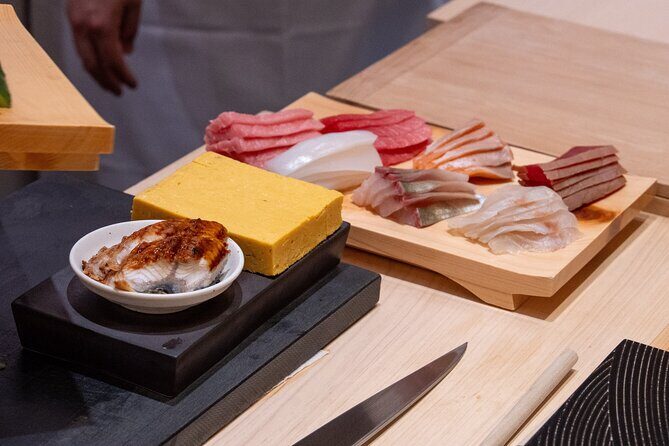
Once you’re in the sushi restaurant, you meet a professional Taisho chef. The experience is built around precise craft, and the chef demonstrates the motions you’re going to practice. In other words: you get the model first, then you try.
The course covers 9 nigiri sushi and roll sushi. That’s a lot of “reps,” which is exactly what you want if your goal is to genuinely understand the technique. You’re not just doing one piece and calling it done. You practice shaping, balancing, and getting the proportions right.
One important reassurance: you’re guided through the process, and you don’t need to worry about sharp knives or tricky slicing. The Taisho handles the slicing while you focus on the enjoyable parts, like shaping and assembling. That makes the class feel confident instead of stressful.
If you’ve ever eaten nigiri and wondered why it tastes so clean and consistent, this is where that question gets answered. It’s not only about fish. It’s about rice texture and how everything is portioned.
Nigiri practice: shaping, balancing, and the small details that change everything
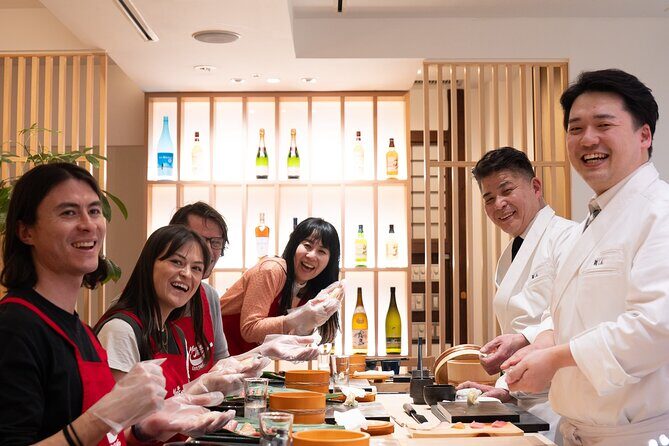
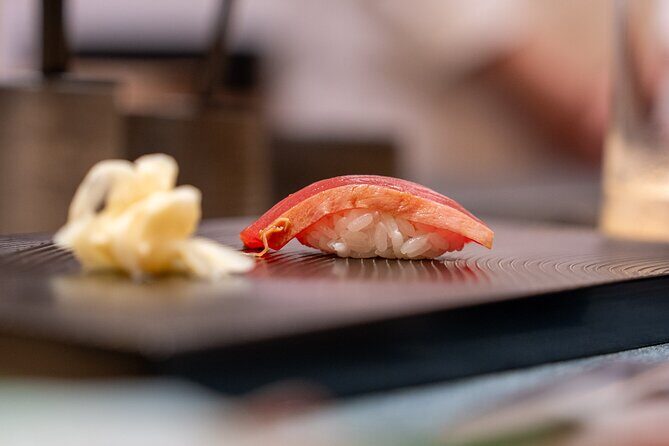
Now for the part you’ll remember. You’ll learn how to make your own nigiri—step by step—with the chef’s careful guidance.
Here’s what you should pay attention to while you’re practicing:
- Rice structure and pressure: Too light and it falls apart; too firm and it loses that soft bite.
- Portion and balance: Nigiri is a “hold in one hand” food, so the build matters.
- Timing: Sushi is best when it’s fresh, so rushing the steps won’t help.
Because the class is paced, you’ll get time to correct mistakes instead of just moving on. That’s a major difference between a cooking class and a restaurant meal.
And yes, you’ll taste what you make right there. Eating your own sushi on the spot is part of the learning curve. You can connect what you did with how it worked in the bowl, not after the fact.
Rolling sushi: learning a technique you can repeat at home
Along with the 9 nigiri pieces, you also learn roll sushi. Rolling is where a lot of people get surprised: it’s not just “wrap and go.” A good roll depends on filling amount, mat technique, and even how you manage thickness.
Because you’re in a guided setting, you’re likely to come away with the kind of basics you can actually reproduce later—how to avoid uneven rolls, how not to overload the center, and how to keep the outer layer neat.
If you’re the type who enjoys practical skills, this is where you get real value. Nigiri is a “precision” skill; rolling is a “process” skill. Doing both makes the class feel complete.



Tempura set and drinks: the comfort-food side of the meal
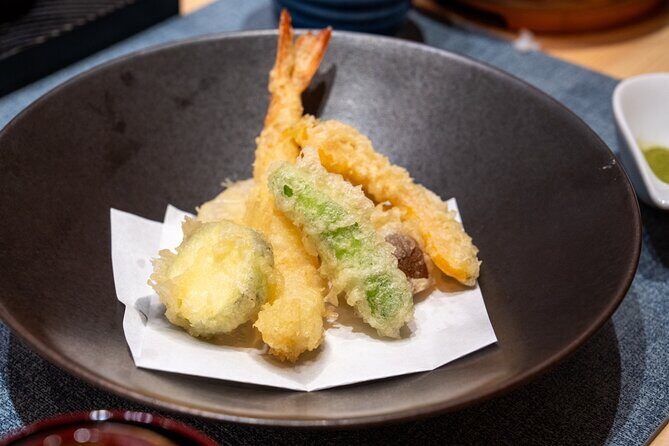
Between the sushi lessons and the tastings, you’ll enjoy freshly made tempura by the chef. Tempura matters here because it adds a different texture world: crisp, light, and fried without being heavy in the same way as some Western fried foods.
This is also where the pacing helps. Sushi can be intense if it’s all the same texture back to back. Tempura gives your palate a reset so you can taste the next items with clearer focus.
You’ll also have two drinks included. The exact drinks aren’t listed in the details you provided, but the key point is that you’re not doing this on an empty stomach or with water-only pacing. It’s built like a full experience.
Sake tasting with pairing tips: tasting like a sushi chef
A big crowd-pleaser is the sake tasting session. You’ll discover how to pair different types of sake with sushi, with pairing tips to guide what you’re noticing.
This part is worth taking seriously, even if you’re not a “hardcore alcohol taster.” Sushi pairing teaches you something useful: flavors are meant to interact. With sake, things like acidity, dryness, and aroma change the way fish tastes and how rice feels on your tongue.
If you want a practical approach, do this during the tastings:
- Take small sips, then eat small bites of sushi so you’re matching effects.
- Notice if the sake makes the fish taste cleaner or if it adds warmth.
- Pay attention to which sake makes the rice feel sweeter or more neutral.
The experience keeps it approachable with English guidance, so you’re not left guessing.
Matcha whisking in a Kyoto-style garden: the calm finale
After you’ve had sushi, tempura, and sake, the class ends in a peaceful Kyoto-style garden. This is where the experience shifts tone.
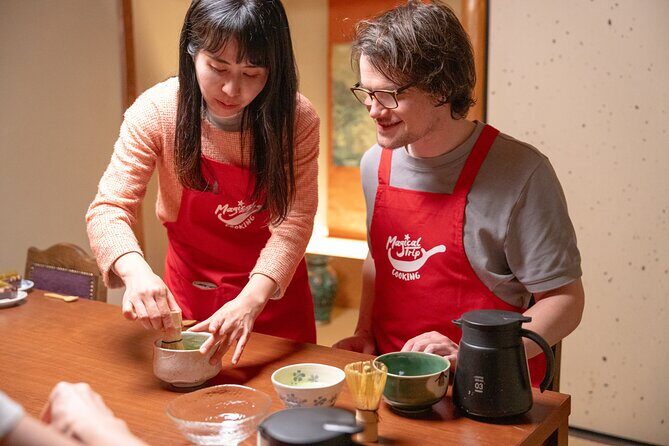
You’ll learn how to whisk matcha, then enjoy it with the Japanese sweets you picked earlier. That earlier sweets stop isn’t just a shopping detour. It’s designed to land here.
Whisking matcha is simple, but it takes a little technique—mainly getting the right froth and not rushing the process. In a quiet garden setting, you can slow down and actually taste, instead of treating it like another quick photo moment.
If you’re someone who likes your tours to end thoughtfully, this garden finish is one of the smartest parts of the program.
What you’re really paying for: $163.30 isn’t cheap, but it includes a full meal and full instruction
At $163.30 per person, this isn’t a budget class. But the value is clearer when you look at what’s included in one organized session:
- 9 nigiri + roll sushi instruction (hands-on practice)
- Tempura set made by the chef
- Sake tasting with pairing tips
- Two drinks
- Matcha experience
- Japanese sweets (plus pairing at the end)
You’re basically paying for guided technique plus ingredients plus staff time, all in a small-group setting (max 8). If you’ve paid for omakase before, you know sushi skill and timing aren’t “fast food.” This class gives you a similar food-world, just with more teaching built in.
For planning purposes, note that it’s typically booked about 24 days in advance. That’s a clue this tends to sell out in peak periods, likely because of the limited group size and the chef-led setup.
The Ayuri effect: why the guide can make or break the class
One name that stood out in the experience context is Ayuri. A guest highlighted Ayuri as wonderful and credited her for making the class fun, especially for a family group. That lines up with what you should expect from a good guide in a hands-on class: clear explanations, quick translations, and encouragement when you’re shaping something that might not look perfect at first.
Even if you’re confident, you’ll still appreciate a guide who can steer you back to the key steps. Sushi is detail work. You want someone helping you translate “chef intuition” into something you can do with your own hands.
Who should book this Kyoto sushi-making experience
This is a great fit if you:
- Want real skills you can practice again later (nigiri shaping and rolling)
- Like eating your way through the lesson, not just watching
- Enjoy food pairings, especially sake with sushi
- Prefer small groups (max 8) where you can ask questions
It’s also family-friendly with kids 4+, which is a big plus. And because the Taisho handles sharp slicing while you focus on shaping and rolling, it keeps the class friendly and controlled.
If you dislike structured classes and want lots of extra free time, you might find the set flow limiting. But if you’re ready for a focused 3.5-hour food workshop, you’ll likely love how complete it feels.
Should you book this sushi class in Kyoto?
I’d book it if your goal is a hands-on Kyoto food story with high-quality instruction and a full, satisfying meal. The combination of nigiri practice (9 pieces), tempura, sake tasting with pairing tips, and a matcha finale in a garden makes this more than a cooking stunt.
Skip it only if you’re hoping for a mostly sightseeing tour or you want long, unstructured downtime. This experience is built for learning and eating on schedule, and that’s the point.
If you want one “worth it” activity in Kyoto that teaches you something real about Japanese food, this is the kind of class you’ll still be talking about after your trip ends.
FAQ
How long is the Kyoto sushi making experience?
It lasts about 3 hours 30 minutes.
What do you learn and eat during the class?
You’ll learn to make 9 nigiri sushi and roll sushi, enjoy a tempura set, have sake tastings, whisk matcha, and enjoy Japanese sweets.
What time does it start, and where does it meet?
It starts at 3:30 pm and meets at Diesel604 Banochō, Nakagyo Ward, Kyoto. The activity ends back at the meeting point.
Is there an English option?
Yes. An English-speaking guide is provided.
Is the class suitable for kids?
It’s suitable for families with kids age 4 and up.
What’s the group size like?
The maximum group size is 8 travelers.
Is it refundable if plans change?
Yes, you can cancel for a full refund up to 24 hours before the experience’s start time.