REVIEW · NAGOYA
Nagoya: Toyota Commemorative Museum Guided Tour
Book on GetYourGuide →Operated by DeepExperience, Inc. · Bookable on GetYourGuide
A museum tour that explains how machines change business. This one is built around Toyota’s switch from textile gear to car-making, with live demonstrations and a guide who keeps the timeline clear. You’ll see the G-type automatic loom tied to Sakichi Toyoda, then move into automotive manufacturing with machines at work.
Two things I like a lot: you get both the Textile Machinery Pavilion and the Automotive Pavilion, so you don’t just read about Toyota—you follow the logic from yarn to vehicles. And you’ll get face-to-face with milestones such as Toyota’s early passenger car, the Toyoda Model AA, plus process-focused displays for pressing, welding, and assembly. One possible drawback: the experience isn’t meant for mobility impairments or wheelchair users, so plan around that.
In This Review
- Key things to know before your Toyota Commemorative Museum tour
- Where the tour starts: the museum’s red-brick factory vibe
- Textile Machinery Pavilion and the G-type automatic loom
- Automotive Pavilion: pressing, welding, assembly, and the Toyoda Model AA
- How Toyota grew from textiles to global tech power
- The 90-minute vs 3-hour experience: what changes
- Price and value: is $77 worth it?
- Practical tips for a smooth visit (and better photos)
- Who this Toyota guided tour is best for
- Should you book this tour?
- FAQ
- What is the meeting point for the Toyota Commemorative Museum guided tour?
- How long is the guided tour?
- Is this tour the Toyota Kaikan Museum in Toyota City?
- Is this tour the Toyota Automobile Museum in Nagakute City?
- What pavilions do you visit?
- What is included in the price?
- Is food or drinks included?
- What language is the guide?
- Can I take photos inside the museum?
- What should I bring?
- Is the tour suitable for wheelchair users or people with mobility impairments?
Key things to know before your Toyota Commemorative Museum tour
- G-type automatic loom connections to Sakichi Toyoda, explained in plain terms
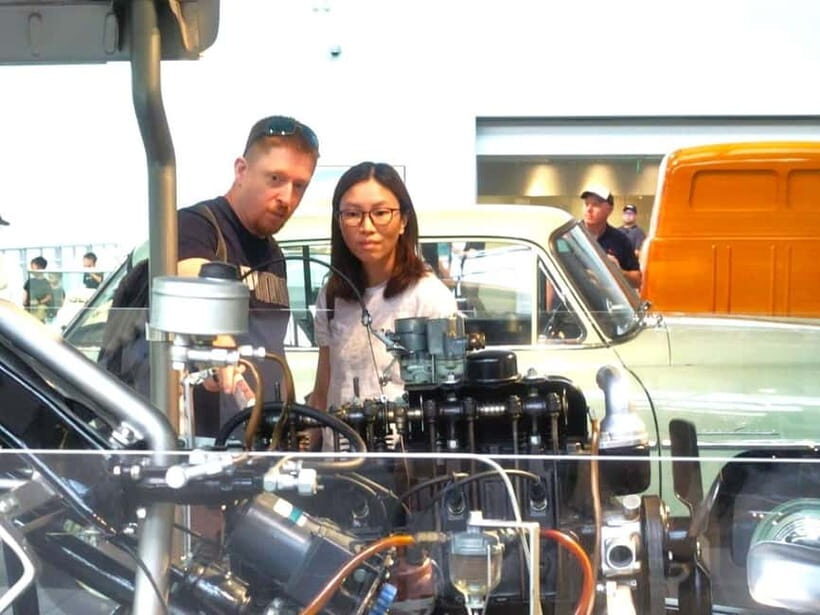
- Historic machinery in action for pressing, welding, and assembly concepts
- Toyoda Model AA and other automotive milestones in the Automotive Pavilion
- Textile-to-automotive growth story that ties Toyota’s identity to industrial problem-solving
- Environmental tech displays including hybrid and hydrogen fuel cell vehicles
- Red-brick factory setting that makes the museum feel like a working era, not a theme park
Where the tour starts: the museum’s red-brick factory vibe
Your visit begins at トヨタ産業技術記念館 (Toyota Commemorative Museum of Industry and Technology) in Nagoya. The meeting point is right by the ticket counter inside the museum, where your English guide holds a yellow DeepExperience sign. That matters more than you’d think—Japanese museums can be straightforward, but guided tours still need a clean, fast start.
The building is part of the show. This museum sits in a preserved red-brick factory structure. That gives you a different feel than a white-box gallery. Instead of walking through glass cases, you’re in the kind of industrial space where you can almost picture workers, tools, and production lines. Even if you’re not a car person, it helps you understand why Toyota’s story is really a manufacturing story.
Two quick notes you’ll want to keep in your back pocket. First, the museum is closed on Mondays (or the following day if Monday is a national holiday). Second, photography is allowed, but flash is prohibited in certain areas—so plan on using your phone or camera normally, not like it’s a concert.
You can also read our reviews of more guided tours in Nagoya

Textile Machinery Pavilion and the G-type automatic loom
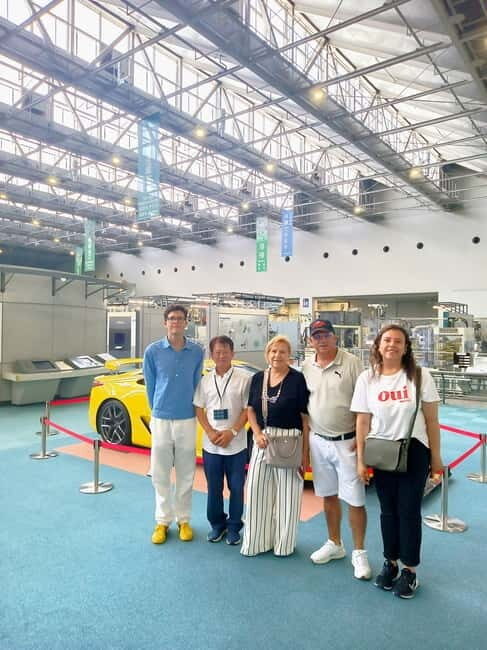
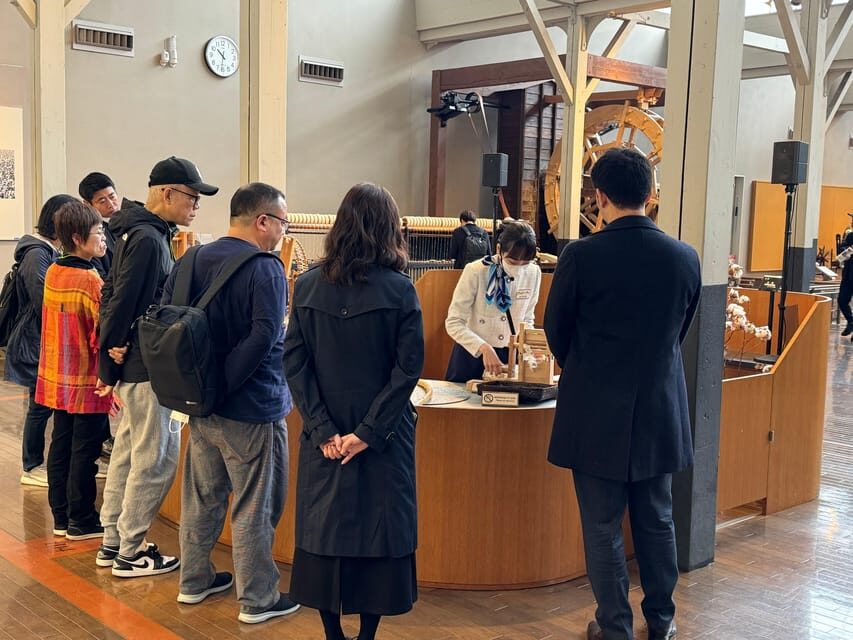
The tour kicks off with the Textile Machinery Pavilion, where Toyota’s beginnings make more sense than you might expect. You’re not starting with engines. You’re starting with looms, production logic, and the kind of engineering that comes from solving repeatable problems all day long.
The headline moment is the G-type automatic loom, linked to Sakichi Toyoda. This is one of those inventions that sits at the intersection of genius and practicality. Instead of treating invention like a lightning bolt, the museum frames it as a tool for making production more consistent and less wasteful. Your guide should help you connect what you’re seeing to what Toyota became later: a company that kept upgrading how things get made.
What you’ll likely notice as you watch loom-related demonstrations is that the machines aren’t just “old.” They’re mechanical systems designed to run and keep running. Even if you don’t read every label, the motion and the operating rhythm teach you something. Industrial history gets real when you can see how mechanisms work, not just when you see photos.
A small practical tip: comfortable shoes matter here. Museum floors and pavilion-to-pavilion walking add up, especially if you choose the longer option. Bringing water also helps, because you’ll be moving at a steady pace while your guide explains.
Automotive Pavilion: pressing, welding, assembly, and the Toyoda Model AA
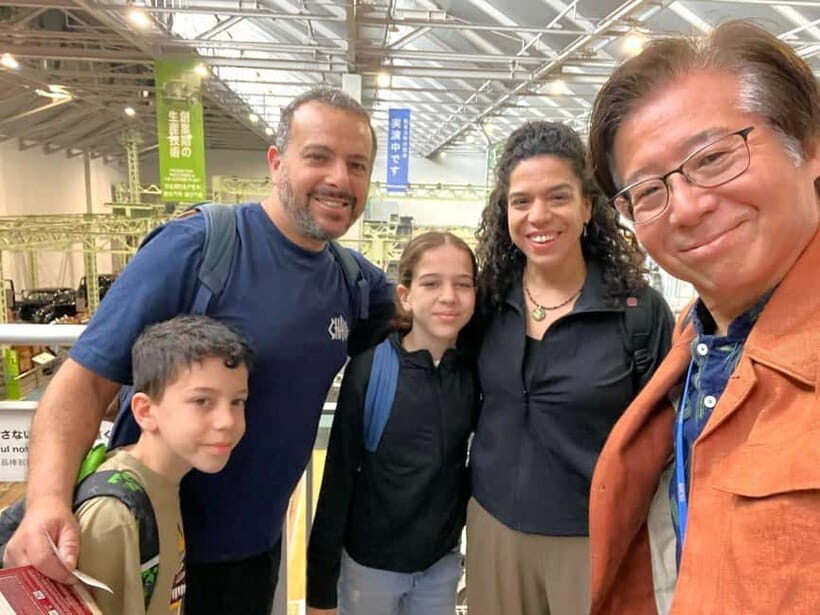
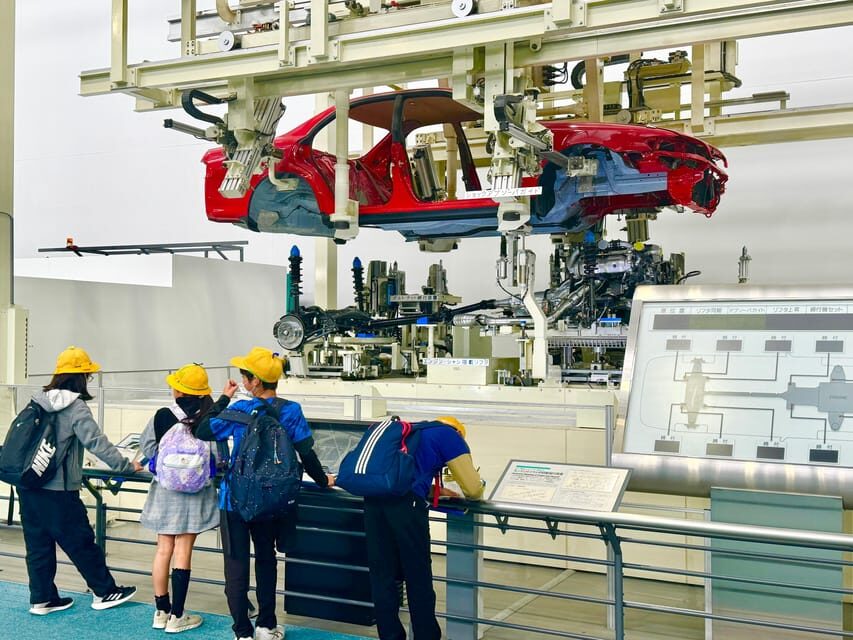
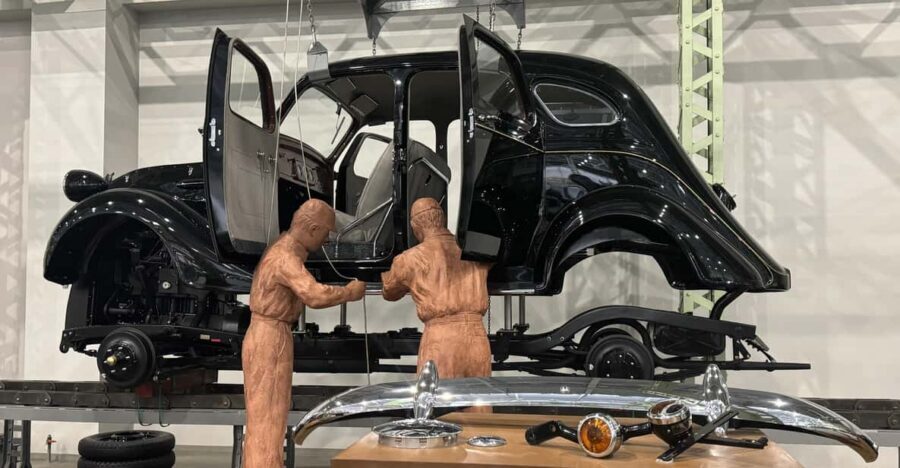
After the textile stage-set, you’ll switch to the Automotive Pavilion, where Toyota’s story turns from fabric production to vehicle manufacturing. This is where the tour earns its guided value. The displays focus on processes—pressing, welding, and assembly—instead of only car models.
The museum uses operational machinery and guided explanation to show how key components get developed and manufactured. That difference is important. A standard museum visit can leave you with a pile of names. This tour tries to leave you with cause and effect: why certain parts were built a certain way, and how manufacturing methods shaped what Toyota could build next.
Then come the vehicles. You’ll have the chance to admire iconic milestones, including Toyota’s early passenger car, the Toyoda Model AA. Seeing a first-generation milestone in a manufacturing-focused setting changes how you interpret it. It’s not just “a cool old car.” It becomes a marker for where the company’s skills had to catch up—from supplier networks to production techniques to quality control thinking.
One of the best parts of this pavilion is the human layer. Skilled operators and active machinery bring the concepts to life, and your guide should translate what you’re watching into a story you can remember. In a review highlight, a guide named Kono stood out for being charming and packed with context about Toyota’s importance to Nagoya and Aichi Prefecture. That kind of explanation is exactly what makes process-focused exhibits click.
How Toyota grew from textiles to global tech power
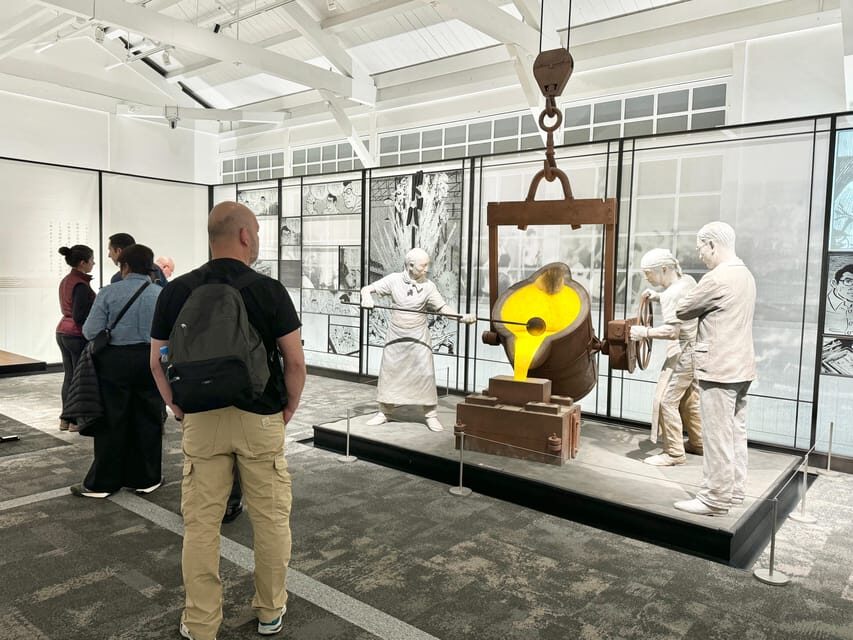
The strongest theme running through the whole tour is growth through tooling and know-how. Toyota didn’t just jump into autos as a brand-new company. It built industrial strength in textiles first, then transferred that competence into metalworking and vehicle production.
You’ll hear how the company expanded from a small textile business into a global powerhouse, with the story paced so you’re not just hit with dates. The idea is that Toyota’s identity was shaped by solving manufacturing problems repeatedly. That’s why the museum spends so much time on processes. Production methods are how a company learns fast.
You’ll also see Toyota’s ongoing technology direction, including environmental-focused vehicles like hybrid systems and hydrogen fuel cell vehicles. This portion works best if you treat it as continuity, not a separate topic. The same engineering instincts that supported earlier manufacturing upgrades show up again in cleaner energy tech. It’s also a useful reminder that “innovation” isn’t only about new products—it’s about rethinking how energy and systems work.
If you care about Japan beyond cars—how companies evolve, how regional industry shapes careers and culture—this section is a good match. It helps connect Nagoya’s industrial identity to the global brand you already know.
The 90-minute vs 3-hour experience: what changes
This guided tour comes in time windows, roughly 90 minutes to 3 hours depending on the option you pick. A helpful rule: if you choose the shorter tour, you’ll want to accept a faster pace. The guide will cover key stops, but you’ll have less time to linger over machinery details or absorb every label.
For the 90-minute course, planning about 90 minutes is realistic. For the in-depth course, give yourself around 180 minutes so you’re not rushing from pavilion to pavilion. The museum itself isn’t huge, but the content is dense. You’re essentially watching an industrial education session with machines.
One more practical thought: longer tours are better if you like taking your time with explanation. If you’re more in a photo-and-highlights mood, the shorter option might fit you better. Either way, choose based on how patient you are with process talk. If you want the “why,” go long. If you want the “what,” go short.
You can also read our reviews of more museum experiences in Nagoya


Price and value: is $77 worth it?
At about $77 per person, this is not a bargain museum ticket. But it’s also not just a ticket-with-a-pamphlet. You’re paying for guided interpretation plus access to both major areas: the Textile Machinery Pavilion and the Automotive Pavilion.
Here’s how I’d judge the value for you. If you’re the type who enjoys museums when a good guide connects the dots, this price becomes easier to justify. Toyota is a big name, but the museum’s real payoff is in the engineering and the sequence—textiles to automatic looms to automotive manufacturing methods. Without someone to explain what you’re seeing and why it matters, you can still enjoy the exhibits, but you’ll likely miss the through-line.
What’s included is straightforward: museum admission and access to both pavilions. What’s not included: food and drinks, transportation to and from the museum, and it’s not the Toyota Kaikan Museum in Toyota City or the Toyota Automobile Museum in Nagakute City. That last point matters—if you’re trying to “stack” Toyota museums, you’ll want to keep these locations straight so you don’t show up at the wrong site.
Also, the tour is English, with small groups or private options available. That increases the odds you can ask questions without waiting for a huge crowd to settle first.
Practical tips for a smooth visit (and better photos)
Bring comfortable shoes, a camera, and water. That’s the setup the tour practically demands. The route moves between pavilions, and you’ll be standing and watching machinery as explanations happen.
For photos: flash is restricted in certain areas. Plan on natural light and lower-intensity settings. If you’re using a phone camera, turn off flash and avoid relying on it for close-ups. Also, if your tour timing includes demonstrations, focus on steady, non-disruptive filming. The goal is to capture, not interrupt.
One logistics thing I’d watch: the museum is closed on Mondays, so check your Nagoya schedule before booking. If you’re traveling midweek, you’re fine—but if Monday is part of your itinerary, plan your Toyota museum day carefully.
Finally, a real-life consideration: this isn’t suitable for people with mobility impairments or wheelchair users. Even if you’re comfortable in museums generally, the tour’s format and movement between areas may be difficult. It’s better to plan an alternative visit if you need step-free access.
Who this Toyota guided tour is best for
This tour is best for you if you enjoy:
- Engineering and manufacturing, not just car models
- “How it works” explanations tied to big business growth
- A guided timeline that starts with Toyota’s textile roots
It’s also a strong choice if you’re in Nagoya for a short stay and want one focused activity that connects the dots between regional industry and global brands.
If you’re only casually interested in cars, you’ll still find value, because the textile stage and the loom invention give Toyota a different starting point. But if you dislike process talk or need very low walking, consider your time and energy level before choosing the longer option.
Should you book this tour?
Book it if you want a museum visit that explains the logic behind Toyota’s rise. The mix of Textile Machinery and Automotive displays, plus the process emphasis on pressing, welding, and assembly, makes it more than a look-at-cars outing. And if you can get a guide like Kono—praised for clear, friendly explanations focused on Toyota’s role in Nagoya—you’re likely to get the kind of context that turns exhibits into a story you remember.
Skip or reconsider if accessibility is a concern for you, or if you’re hoping for a purely self-paced museum. The value here is the guide’s translation of what you’re seeing into why it mattered.
FAQ
What is the meeting point for the Toyota Commemorative Museum guided tour?
The meeting point is next to the ticket counter inside the Toyota Commemorative Museum of Industry and Technology. The guide holds a yellow sign with the DeepExperience logo.
How long is the guided tour?
The tour duration runs from about 90 minutes up to 3 hours, depending on the starting time you choose.
Is this tour the Toyota Kaikan Museum in Toyota City?
No. This tour is for the Toyota Commemorative Museum of Industry and Technology in Nagoya city. It is not the Toyota Kaikan Museum in Toyota City.
Is this tour the Toyota Automobile Museum in Nagakute City?
No. This tour is not for the Toyota Automobile Museum in Nagakute City.
What pavilions do you visit?
You get access to both the Textile Machinery Pavilion and the Automotive Pavilion.
What is included in the price?
Admission to the Toyota Commemorative Museum of Industry and Technology and access to both the Textile Machinery Pavilion and the Automotive Pavilion.
Is food or drinks included?
No. Food and drinks are not included.
What language is the guide?
The tour is guided in English.
Can I take photos inside the museum?
Photography is allowed, but flash photography is prohibited in certain areas.
What should I bring?
Bring comfortable shoes, a camera, and water.
Is the tour suitable for wheelchair users or people with mobility impairments?
No. It is not suitable for people with mobility impairments or wheelchair users.
If you tell me your Nagoya dates and whether you prefer the 90-minute or 3-hour option, I can help you pick the best fit for your schedule.