REVIEW · NAGOYA
Guided Tour of Nagoya by Car
Book on Viator →Operated by Japanfixertravel · Bookable on Viator
Nagoya feels much easier when you ride in comfort. This private car tour pairs classic sights with a relaxed, human guide who keeps the day moving without making it feel rushed. I especially like Nagoya Castle (admission handled) and Tokugawa Garden, where you get time to stroll, look up close, and slow your pace for photos and breaks. One possible drawback: this isn’t a quiet tour. The guide talks, so if you want silence, plan for that.
I also like how flexible the itinerary can be. The day is built like a template, and options can swap in things like the Toyota Automobile Museum, or take you toward a bamboo-forest style walk, depending on season and what you’re in the mood for. If you’re on a cruise, this is one of the cleanest ways to see more than one neighborhood because you get cruise-ship pickup and a return that aims to keep you back on time.
The logistics are simple too: you travel in an air-conditioned vehicle, and you’ll use a mobile ticket. It’s a 5 to 6 hour outing, priced at $160 per person, with parking covered and a private format so it’s just your group.
In This Review
- Key things that make this Nagoya car tour worth it
- Why Nagoya makes more sense by car than by train
- The core route: Nagoya Castle, Tokugawa Garden, Toganji, and Osu
- Entering Nagoya Castle: the shiny icon you can’t ignore
- Tokugawa Garden: where you slow down and actually look
- Toganji Temple: the Great Buddha moment
- Osu Shopping Street: covered arcades, street snacks, and shopping time
- Lunch time: keep it flexible with ramen or hitsumabushi
- The guide experience: Serge, Tomoko, and the talk-to-you feel
- Cruise-ship day planning: pickup at the boat terminal
- Price and value: what $160 per person really covers
- Practical tips so the day feels easy
- Who this tour fits best
- Should you book this Nagoya car tour?
- FAQ
- What is the duration of the Guided Tour of Nagoya by Car?
- How much does it cost?
- Is this a private tour?
- What places are included in the main itinerary?
- What’s included in the price?
- Is lunch included?
- Can the route change based on preferences?
- Does the tour work for cruise ship passengers?
- Are tickets handled electronically?
- Is cancellation possible if the weather is bad?
Key things that make this Nagoya car tour worth it
- Door-to-door comfort with parking included so you spend time sightseeing, not figuring out where to leave the car.
- Serge-style energy: fun conversation, story-driven explanations, and a pace that can match your group.
- Real “stroll time” at Tokugawa Garden and Osu so the day isn’t only photo stops.
- A swap-friendly route (Toyota Museum or garden/forest options) so you can fit the weather and your interests.
- Cruise-ship timing built in with pickup at the boat terminal and return to the terminal.
Why Nagoya makes more sense by car than by train
Nagoya is one of those cities where a car changes everything. Distances don’t look huge on a map, but time adds up when you’re switching trains, walking between stations, and syncing schedules. A private vehicle cuts that friction.
You also get to choose how you spend the day. With a driver, you can move between a castle area, a garden, a temple district, and a shopping arcade without turning your sightseeing into a logistics puzzle. It’s especially useful if you’re traveling with kids, older family members, or anyone who doesn’t want to spend the day counting transfers.
And yes, it’s climate-controlled. That matters in Nagoya’s hotter stretches, where a mid-day pause helps more than you’d expect.
You can also read our reviews of more guided tours in Nagoya

The core route: Nagoya Castle, Tokugawa Garden, Toganji, and Osu
This tour’s heart is a classic loop: a major historical landmark, a calm garden stroll, a Buddhist temple highlight, then a lively shopping district. It’s a good mix because each stop plays a different role in how you experience Nagoya.
You’ll typically start with a 40-minute block at Nagoya Castle with admission included. Then you move to Tokugawa Garden for another 40 minutes, also with admission included. After that comes lunch time, then Toganji Temple (about 30 minutes, free admission), and finally Osu Shopping Street for about an hour.
That structure matters. You’re not bouncing constantly from one quick glimpse to the next. You get enough time at each place to actually feel the setting, not just tick it off.
Entering Nagoya Castle: the shiny icon you can’t ignore
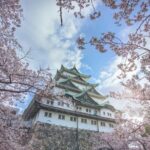
Nagoya Castle is the kind of landmark that instantly gives you context for the region. From the moment you arrive, you’re stepping into a site people associate with samurai-era power and the story of Nagoya’s past.
You’ll have about 40 minutes here. Since the entrance ticket is included, you don’t need to manage another cost or line item. That helps the day stay smooth, especially if you’re arriving from a port or have limited time.
Practical tip: use your first minutes to decide what you want most—views, architecture details, or simply soaking up the main halls and surrounding atmosphere. With a guide driving the plan, you can focus on what you care about instead of doing map math.
Tokugawa Garden: where you slow down and actually look
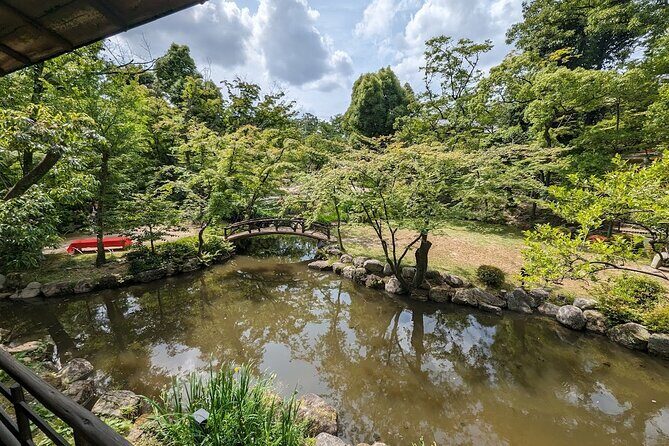
If Nagoya Castle is the big statement, Tokugawa Garden is your reset button. This strolling-style garden sits on the former residence grounds of the Owari Tokugawa family, so it feels grounded in a real place rather than a theme park moment.
Expect about 40 minutes. Admission is included, which is a nice value add. The garden centers on a central pond and waterfall, classic features that make it easier to frame photos and just stand there for a minute without feeling like you’re wasting time.
Season matters here. The tour description specifically points out that alternatives can swap in depending on weather: when it’s extremely hot, you might prefer cooler options; when it’s cold, walking plans can be adjusted so you’re not miserable. That’s smart planning, because a garden is only relaxing when the temperature supports it.
Toganji Temple: the Great Buddha moment
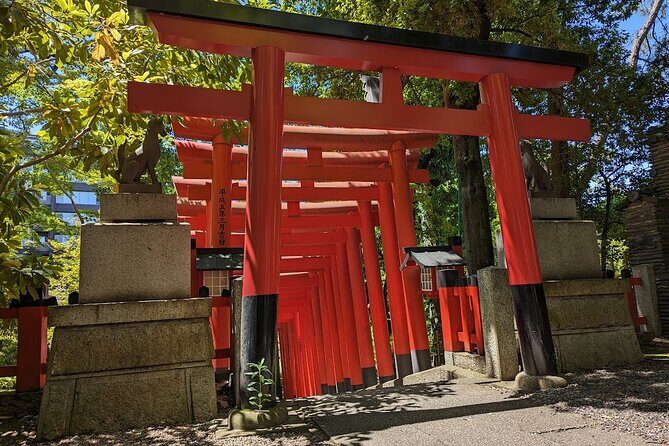
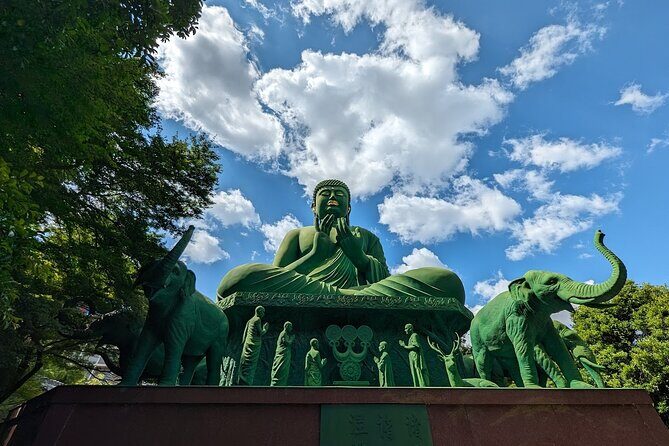
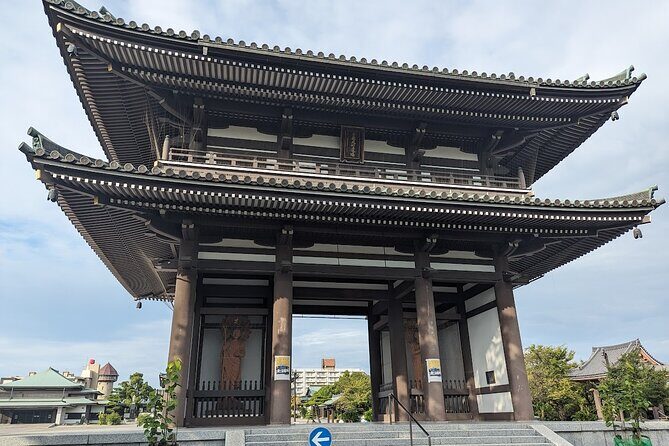
Toganji Temple is where the day takes on a memorable scale. It’s a Soto sect Buddhist temple founded in the 1500s in memory of Oda Nobuyuki’s father, Nobuhide. Even if you’re not a religious history person, this stop tends to land because of its visual impact.
You’ll get around 30 minutes, and entrance is free. The big draw is the Great Buddha of Nagoya—described in the tour info and supported by guide storytelling as a striking moment you’ll remember long after the rest of the itinerary fades.
Practical tip: temple visits are best when you slow down and let one feature be the focus. Pick one: the main Buddha area, the surrounding grounds, or details the guide highlights. Trying to sprint through everything makes temples feel colder and less personal.

Osu Shopping Street: covered arcades, street snacks, and shopping time

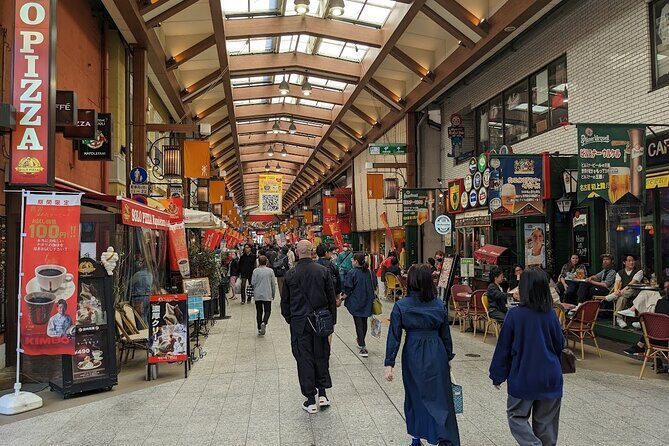
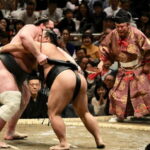
Osu Shopping Street (Osu Shōtengai) is where the tour turns lively. This is a covered arcade style district with traditional shops, modern stores, and food stalls, so it’s fun even if you’re not shopping hard.
You’ll have about 1 hour here, and admission is free. That timing is intentional: enough to browse, grab a snack, and pick up small souvenirs without eating half the day.
It’s also a great place to notice everyday Nagoya. The energy feels different than a museum or garden stop. You’ll find yourself using your senses—smells, sounds, and quick tastes—more than reading.
If your group has kids, Osu is often the easiest “everyone wins” stop because there’s always something to point at and ask about.
Lunch time: keep it flexible with ramen or hitsumabushi
Lunch is intentionally flexible. The plan can include a real meal, but it also allows for lighter options like a rice ball, especially if your group wants to keep moving.
If you do go for a proper sit-down lunch, the tour description points to two strong directions:
- Nagoya-style ramen (great if you want something fast and filling)
- Hitsumabushi unagi, which is one of Nagoya’s most famous comfort foods
In practice, you might also see other lunch styles worked into the day depending on what fits your interests and timing. Some itineraries include pork tonkatsu and miso-katsu-style meals, which pair well with a full day of walking and temple/garden transitions.
My advice: don’t overthink it. Tell your guide what you like—noodles, eel, pork—and what your group can handle. The best lunch is the one you enjoy without turning it into an extra hour of searching.
The guide experience: Serge, Tomoko, and the talk-to-you feel
The tour is guided by a local expert, and the guide names that show up most often are Serge (primary guide) and Tomoko (sometimes part of the guiding team). Both styles lean social: conversation, story, and humor.
That’s good news if you want more than a headset experience. You’re not just being told where to go. You’re getting context for why these places matter in the way a local would explain it—plus practical tips that help you understand what you’re looking at.
One thing to be aware of: the inclusions list specifically calls out horrible singing and the note that the tour isn’t about quiet. Think of it as a trade. In exchange, you get a day that feels like hanging out with someone who genuinely enjoys sharing Nagoya.
Also, pace is adjustable. The day is structured around time blocks, but the guide can keep things unhurried and adapt to families with different needs.
Cruise-ship day planning: pickup at the boat terminal
If you’re visiting on a cruise, this tour’s value jumps. The plan is designed so you get picked up at the boat terminal and returned there with enough time to make your ship, rather than gambling on transit schedules.
Even if you’re not on a cruise, the same concept applies: you’re reducing uncertainty. You’re less likely to lose the day to late buses, wrong turns, or “we missed our exit” moments.
If you have a tight port window, ask your guide how they’re timing the route based on your arrival and departure times. Then go in knowing that the car will help you hit more than one highlight without stress.
Price and value: what $160 per person really covers
At $160 per person for a 5 to 6 hour private car tour, you’re paying for time and convenience. You’re not buying a “driver-only” service.
Here’s what the tour covers:
- Air-conditioned vehicle
- Private transportation
- Parking fees
- Admission for Nagoya Castle and Tokugawa Garden
Lunch is not included, and Toyota Automobile Museum entrance isn’t included if you choose it. The Toyota Museum cost is given as 1200 yen per person. That matters because it means you can decide whether you want the car-day to lean more toward autos or more toward traditional sites and walks.
So is it worth it? For me, it tends to be when one or more of these apply:
- You want multiple highlights in one day without transit hassle
- Your group includes kids, older folks, or anyone who doesn’t want to walk long distances between stops
- You’re short on time (like a cruise day) and want maximum payoff per hour
- You value a guide who explains and adapts rather than a rigid bus schedule
If you’re a solo traveler on a strict budget who loves figuring out trains, it might not be the cheapest way. But for comfort + admissions + smooth routing, this price often feels fair.
Practical tips so the day feels easy
A few things make a noticeable difference in how enjoyable the tour feels.
First, remember it’s a shared human day, not a silent ride. Plan for conversation time. If you want questions answered, bring them.
Second, build in a light, flexible mindset for weather. The experience requires good weather. If it gets canceled due to poor conditions, you’ll be offered another date or a full refund.
Third, wear shoes that work for short walking blocks. You’re not doing a marathon, but you will stroll at Tokugawa Garden and browse at Osu.
Finally, use the included mobile ticket. It helps keep the day moving, especially when you’re in and out of multiple sites.
Who this tour fits best
This car tour is a strong match if you:
- Want a relaxing way to see Nagoya without juggling transit
- Prefer a private format so the pace matches your group
- Like mixing history with a calm garden break and a shopping district
- Are on a cruise day and need pickup and return timing to stay realistic
- Enjoy stories and humor as part of the sightseeing
It’s less ideal if:
- You need a quiet, independent schedule
- You want to optimize for lowest cost over comfort
- You only want one type of attraction (for example, only museums, or only shopping)
Should you book this Nagoya car tour?
I’d book it if you want a high-comfort day with real highlights and a guide who makes the city feel personal. The biggest strengths are the private car setup, the fact that two major admissions are included, and the flexible way the route can adapt around your interests and weather.
If you’re cruising, it’s an especially smart choice because the pickup/return logic takes stress off the calendar. If your group values a human connection and not just a list of stops, Serge-style guide energy is a big part of the appeal.
If you’re the kind of traveler who wants silence and strict self-guided control, you might feel boxed in by the talk-heavy, guided nature of the day. But for most people who want a smoother Nagoya day with less hassle, this hits the sweet spot.
FAQ
What is the duration of the Guided Tour of Nagoya by Car?
The tour runs about 5 to 6 hours.
How much does it cost?
The price is $160.00 per person.
Is this a private tour?
Yes. It’s a private tour, meaning only your group participates.
What places are included in the main itinerary?
The plan includes Nagoya Castle, Tokugawa Garden, Toganji Temple, and Osu Shopping Street, with time set aside for lunch.
What’s included in the price?
Included items are an air-conditioned vehicle, private transportation, parking fees, and admission for Nagoya Castle and Tokugawa Garden.
Is lunch included?
No. Lunch is not included, but the guide can help you find a meal option during the lunch time block.
Can the route change based on preferences?
Yes. The itinerary is described as a template that can be customized, including swaps like options connected to the Toyota Automobile Museum or a bamboo forest walk.
Does the tour work for cruise ship passengers?
Yes. The description notes that cruise ship passengers can be picked up at the boat terminal and returned there in time.
Are tickets handled electronically?
Yes. A mobile ticket is listed.
Is cancellation possible if the weather is bad?
The experience requires good weather. If it’s canceled due to poor weather, you’ll be offered a different date or a full refund.