REVIEW · KANAZAWA
Kanazawa: Private Custom Tour with Local Guide
Book on GetYourGuide →Operated by Travel Japan Together · Bookable on GetYourGuide
Kanazawa feels like two cities at once. In a few hours, you can move from the calm beauty of Kenrokuen Garden to the old-world charm of Higashi Chaya District, then end up at a cutting-edge art museum. The private setup makes it feel tailored, not timed to a crowd.
I love the English-speaking local guide angle here because you get context, not just directions. I also like the pace: you can stretch time at the places you care about most, and your guide helps you make the day flow. Solo visitors especially tend to get a “real local conversation” vibe instead of a checklist.
One consideration: entry fees and lunch aren’t included, and transportation beyond the hotel pickup may be on you. If you’re trying to keep every yen accounted for, plan for paid attractions and decide how you’ll handle getting around between stops.
In This Review
- Key things that make this Kanazawa tour work
- Why Kanazawa feels different with a private guide
- Starting in the right place: hotel pickup and a walkable rhythm
- Kenrokuen Garden: seeing the design behind the beauty
- Higashi Chaya District: the old streets, the tea shops, the real vibe
- Omicho Market and Kanazawa seafood: plan for lunch without stress
- 21st Century Museum: modern art that works as a palate cleanser
- Kanazawa Castle and the park: samurai-era context in plain language
- Hidden time and custom detours: what “flexible” can actually mean
- Price and value: what $49 per person really buys you
- Who this tour suits best (and who might want something else)
- Practical planning tips before you go
- Should you book this Kanazawa private tour?
- FAQ
- Is this tour private?
- How long is the tour?
- What’s included in the price?
- Is pickup included?
- Are food and entry fees included?
- Is the tour wheelchair accessible?
- Can I cancel if my plans change?
Key things that make this Kanazawa tour work
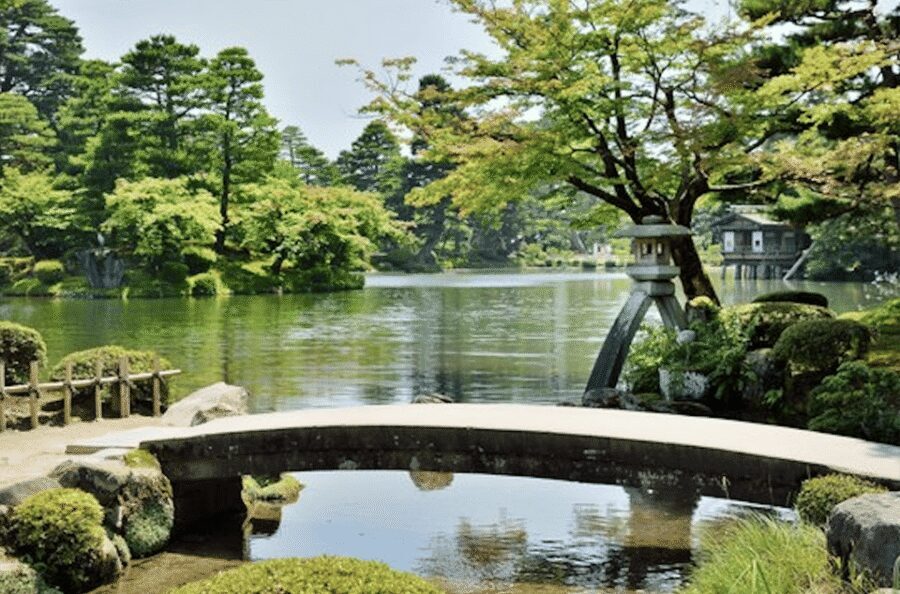
- Kenrokuen Garden with built-in storytelling, so you understand what you’re looking at
- Higashi Chaya District time that doesn’t feel rushed, including traditional tea-shop streets
- 21st Century Museum of Contemporary Art as a contrast to the old neighborhoods
- Kanazawa Castle and nearby park tied to the city’s samurai-era roots
- Real-life guide help, like photo assistance and practical notes for getting back by taxi
Why Kanazawa feels different with a private guide
Kanazawa is one of those Japanese cities where order and beauty aren’t just aesthetic. They’re part of how people organized daily life, how the city defended itself, and how art became a public language.
A private walking tour matters because Kanazawa can be a bit “quiet confusing” at first. The streets are easy enough to navigate, but knowing where to look—especially in gardens, historic districts, and museum spaces—makes a huge difference.
This tour’s value is that your guide doesn’t only point. They connect places. And because it’s a small, private group, you can ask the slightly random questions that make the trip more fun: why certain spots look the way they do, what a specific architectural detail is meant to signal, or how local customs shaped tourism-friendly neighborhoods.
You can also read our reviews of more guided tours in Kanazawa


Starting in the right place: hotel pickup and a walkable rhythm
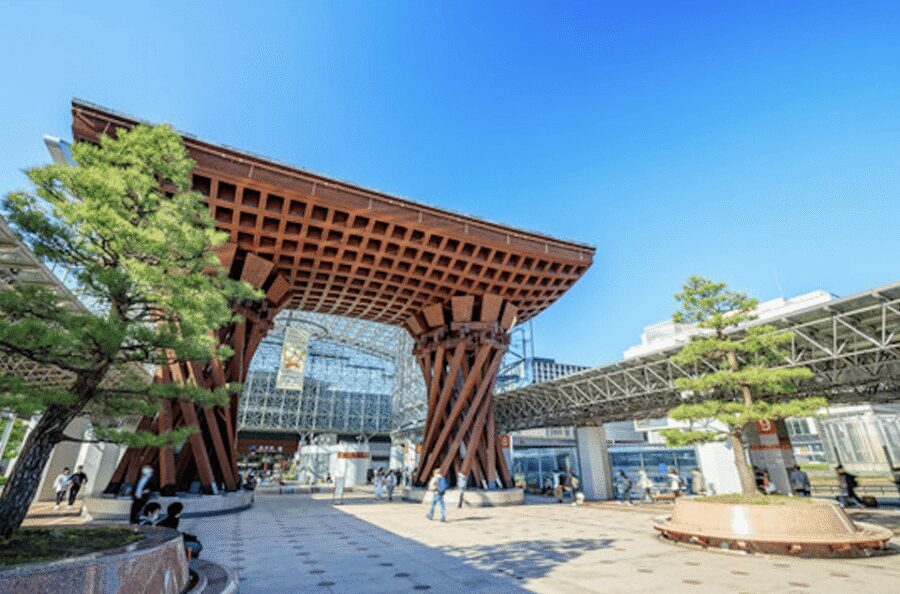
If you’re staying in a hotel within Kanazawa city, pickup is included. That’s not a small detail. In Japan, saves you time and mental energy, especially if you’re juggling luggage or you arrive hungry and tired.
Once you’re together, you’ll basically build your day around walking connections between key neighborhoods. Kanazawa’s main sights cluster in a way that works well for a guided stroll, and the private pace helps you slow down when something catches your eye.
If you’re short on time, the tour length matters a lot. The tour can run from 2 to 7 hours, so you’ll want to pick a duration that matches your walking tolerance and your attention span. Two hours works best for highlights. Longer stretches give you room for market time and extra side streets.
Kenrokuen Garden: seeing the design behind the beauty
Kenrokuen is one of Japan’s top landscape gardens, and it’s famous for a reason. But the real payoff comes when you understand how the garden is composed—how sightlines work, why certain areas feel open or sheltered, and how seasonal elements influence what you notice.
With a guide, you don’t just look at bridges and ponds like a postcard. You notice the intentional layout: the garden moves your body through views, and it shapes your mood as you walk.
A practical tip: if it’s a rain day, you’ll still be able to enjoy the garden. You might find your guide adjusts the route and timing so you’re not constantly sprinting for cover. One guide was known for planning a rainy morning tour that still stayed enjoyable and well-paced, which is exactly what you want from a private setup.
Higashi Chaya District: the old streets, the tea shops, the real vibe
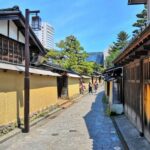
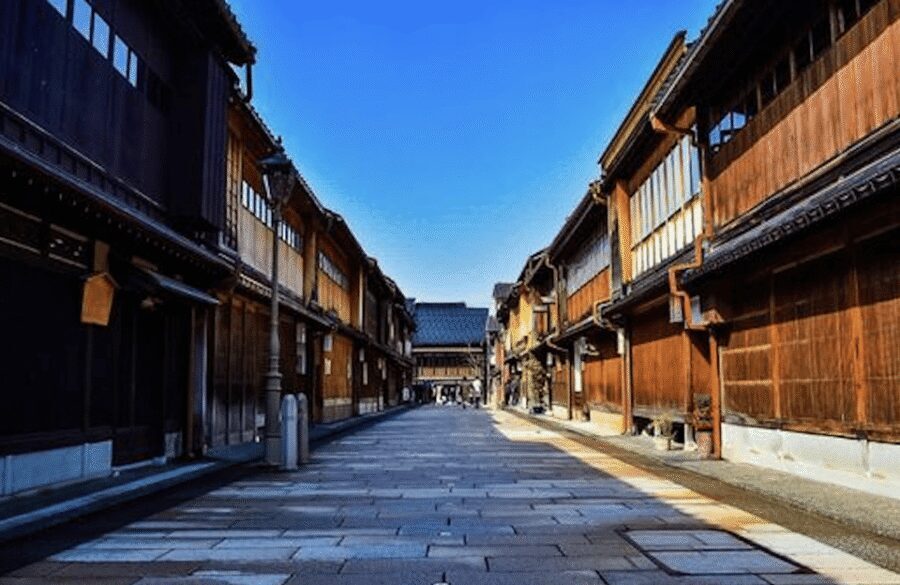
Higashi Chaya District is where Kanazawa shows its preserved side. These streets have kept a sense of what used to be a geisha-world neighborhood, and walking here feels like stepping into a slower tempo.
Your guide will help you connect what you’re seeing with the larger cultural picture—why the area looks the way it does, what kinds of traditions took root there, and how the district became a place visitors can experience respectfully today.
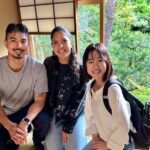
This is also a great zone for “small pleasure” tourism. One guide helped a solo visitor take photos, then paired the walk with a treat from the Higashi Chaya area. You can even expect guidance for a fun food moment like gold leaf ice cream, if it fits your interests.
If your schedule allows, don’t treat Higashi Chaya like a quick photo stop. Give it time. The atmosphere improves when you slow down and let the street details do their job.
Omicho Market and Kanazawa seafood: plan for lunch without stress
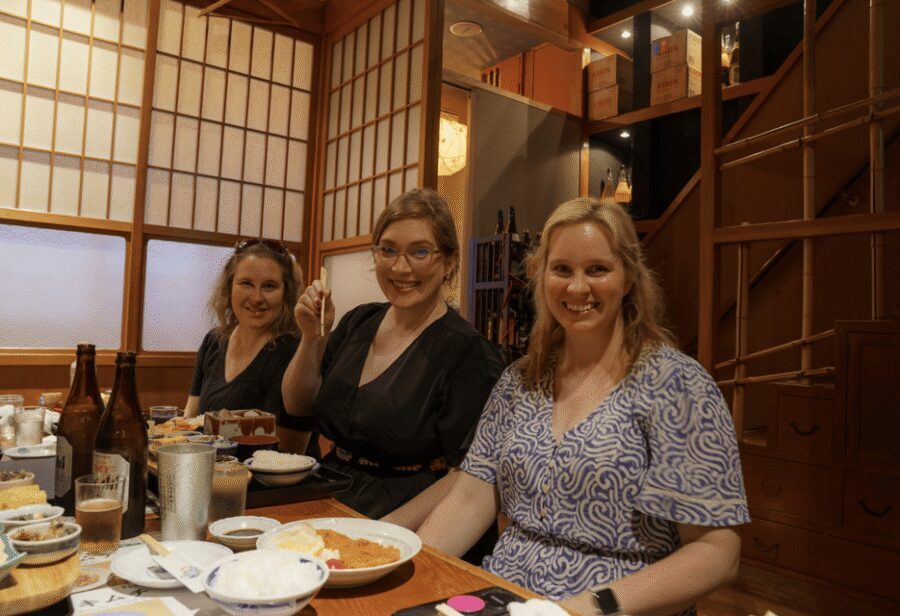
A highlight option in this kind of tour is heading to Omicho Market, then using it as a springboard for lunch. Seafood is a big deal in Kanazawa, and your guide can help you find where to go based on the time of day and what you’re in the mood for.
What I like about this approach is that it reduces decision fatigue. When you’re on your feet all morning, you don’t want to spend lunch trying to figure out where to eat. With a guide, you can focus on choosing a spot and enjoying the meal.
Important: lunch and food aren’t included. So consider this a “guided plan for where to eat” rather than a fully paid meal. If you want to keep costs controlled, decide in advance what you’re willing to spend on seafood and use the market to compare options.
Also, because the tour is flexible, your guide can adjust whether you do a quick market walk or linger longer. That flexibility is especially useful if you’re traveling with someone who likes shopping or someone who wants the full seafood tasting experience.
You can also read our reviews of more private tours in Kanazawa



21st Century Museum: modern art that works as a palate cleanser
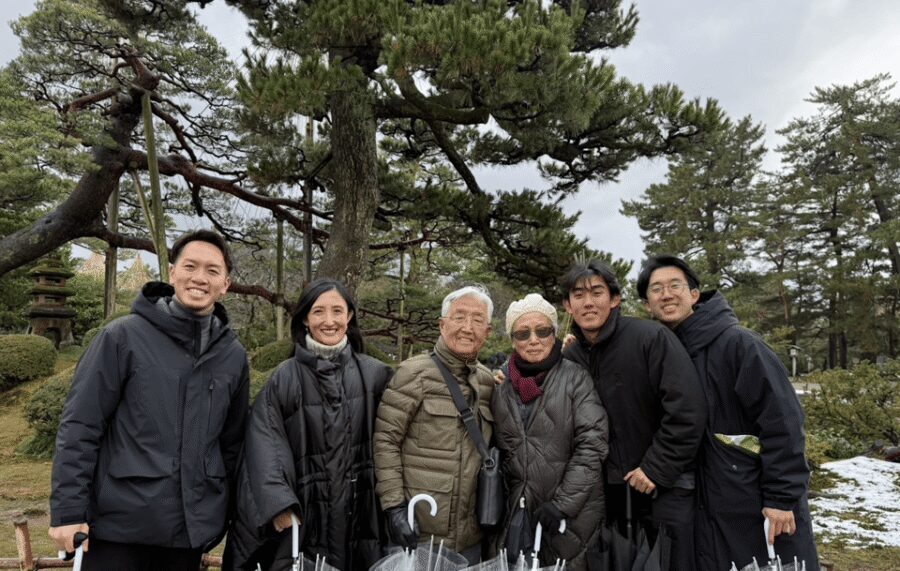
Kanazawa’s 21st Century Museum of Contemporary Art is a striking contrast after traditional neighborhoods. You go from preserved streets to a modern space built for experimentation, which makes the day feel balanced instead of repetitive.
Even if contemporary art isn’t your first love, this museum can work because your guide can point out what you should pay attention to. It’s not about memorizing details—it’s about learning how to look in a different way.
I like this stop because it helps you understand Kanazawa as a city that treats culture as something alive. A private guide makes it easier to connect modern creativity to the same curiosity that shows up in other parts of town, like craft traditions and evolving public spaces.
Plan for this as a more “time-in-place” stop. Museums reward people who give them enough time to walk around, take breaks, and notice changes in lighting and layout.
Kanazawa Castle and the park: samurai-era context in plain language
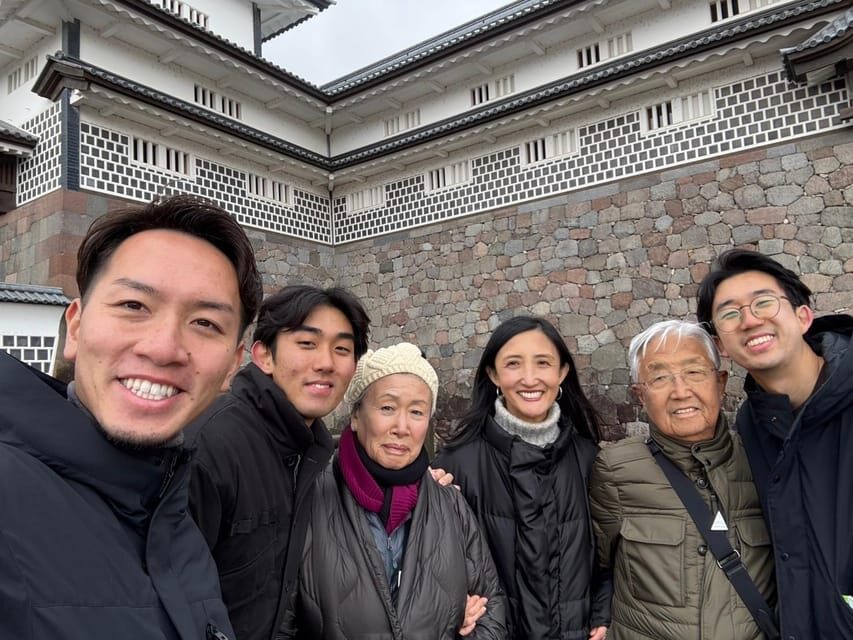
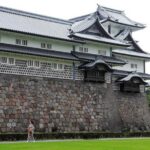
Kanazawa Castle is often treated like a must-see, but the experience becomes much better when someone connects it to the city’s samurai heritage and political story. Your guide will explain the significance and help you connect the dots between what remains today and what the castle represented.
This part of the tour can also include fun activities, not only facts. One guide helped a visitor complete a stamp rally at Kanazawa Castle, which turned the stop into something more engaging than “stand, look, take photo, move on.”
If you like walking museums—places where you learn by moving—this stop fits well. The adjacent park area is useful for slowing down after more intense sight-focused stretches.
Practical tip: build in a little buffer. Castle grounds can involve slightly uneven walking surfaces. If you’re wearing uncomfortable shoes, you’ll feel it more here than at a flat market lane.
Hidden time and custom detours: what “flexible” can actually mean
The best private tours leave room for your tastes. If you’re the type who likes side streets, small temples, or craft-focused neighborhoods, this kind of guide-led format gives you space to adjust on the fly.
You might also find your guide chooses the order of stops based on your pace and the weather. One guide planned an itinerary for a rainy morning in a way that kept the day enjoyable, which is exactly how customization should work in real life.
A useful way to think about it: the highlights are fixed, but the path between them can be tuned. That’s where you often find the most memorable moments—small streets, quiet viewpoints, and the feeling that you’re not just ticking boxes.
Price and value: what $49 per person really buys you
At $49 per person, the biggest value isn’t the “cost per attraction.” It’s the cost of not wasting time guessing.
You’re paying for a private English-speaking local guide, plus a structured walking plan that connects major sights. For a city like Kanazawa—where gardens, historic districts, and museums each reward specific kinds of attention—that guidance is what turns sights into understanding.
This can be especially good value if you’re traveling solo. Group tours often make you move at someone else’s pace. A private guide can keep things comfortable and practical, and you can ask questions as they come up, instead of saving them for later.
Still, remember the limits: entry fees, food, and transportation aren’t included. So the true total cost depends on which attractions you choose to enter and what you order for lunch. If you plan ahead and decide what you’ll pay for, this setup can feel like a smart way to spend your time rather than just your money.
Who this tour suits best (and who might want something else)
This is a strong fit if you want a highlights-first Kanazawa experience with context. It’s also great if you like learning through conversation rather than reading signs all day.
You’ll likely enjoy it if:
- you want to see the main sights without navigating the city like a part-time map app
- you care about cultural meaning, not just photos
- you’re traveling solo or with a small group who wants control over timing
You might want a different style tour if:
- you prefer total freedom with no structure at all
- you’re only interested in one or two places and don’t want to pay for guide time across multiple stops
- you plan to rely on the guide for transportation beyond hotel pickup
That said, the private format usually feels good for most travelers because it avoids the most common problem with crowded tours: being rushed while you’re still trying to figure out what you’re looking at.
Practical planning tips before you go
Wear comfortable walking shoes. This is a walking tour, and Kanazawa’s most meaningful sights often involve longer strolls than you’d expect from a quick glance at a map.
Decide your ideal tour length first. A shorter version is best for Kenrokuen plus the most compact historic route. A longer version gives you time for museum pacing and market/lunch flexibility.
And if you’re planning a day that includes food, think ahead about seafood. Your guide can point you toward good choices at the local market or nearby restaurants, but lunch is on you.
Lastly, don’t be shy about asking for small help. Guides have supported visitors with photo-taking and even practical back-to-taxi notes, which can make the day feel smoother, especially if you’re returning to a pier or specific meetup area.
Should you book this Kanazawa private tour?
If you want Kanazawa’s top highlights with cultural context and a calm, flexible pace, I’d book it. The private guide component is the real engine here: you’ll spend less time figuring things out and more time noticing details that make the sights stick.
I’d especially recommend it if you value good English and a guide who adjusts for your interests. Based on the variety of guide styles you can encounter—some taking extra time for photos or even helping with a castle stamp activity—this tour tends to feel personal in a good way, not rigid.
Just go in with the right expectations: plan for lunch and any entry fees you want, and remember transportation may be limited beyond hotel pickup. If you handle those basics, this is a strong, straightforward way to experience Kanazawa without feeling rushed.
FAQ
Is this tour private?
Yes. It’s a private walking tour with an English-speaking local guide.
How long is the tour?
The tour runs from 2 to 7 hours, depending on the starting time you choose.
What’s included in the price?
A private walking tour and an English-speaking local guide are included.
Is pickup included?
Yes. If you’re staying at a hotel within Kanazawa city, the guide will pick you up and then conduct the tour.
Are food and entry fees included?
No. Food and drinks, entry fees, and transportation are not included.
Is the tour wheelchair accessible?
Yes, the tour is wheelchair accessible.
Can I cancel if my plans change?
You can cancel up to 24 hours in advance for a full refund.