REVIEW · TOKYO
Tokyo Shopping Street Hopping Private Tour with Government Licensed Guide
Book on Viator →Operated by Japan Guide Agency · Bookable on Viator
Tokyo shopping gets easier with a guide. This private hotel pickup-included walking tour saves you from the usual maze of train exits, and you’ll be guided by a government-licensed professional who can connect what you’re seeing to Japanese culture and history. The trade-off: it’s still a walking day, so comfy shoes matter, and you’ll only sample a few streets rather than cover all of them.
I also like the flexibility built into the schedule. You can pick from several morning start times, which helps if you want shops to open calmly (instead of racing mid-day), and you’ll stay on a tight ~6-hour loop that feels focused rather than exhausting.
Best of all, this tour isn’t one-size-fits-everyone. You choose roughly 3–4 stops from the street list, so the route can match your mood—food tools one moment, anime the next—while your guide handles the navigation and the in-between details.
In This Review
- Key points to know before you book
- Hotel pickup on foot: start without Tokyo’s navigation headaches
- A government-licensed guide turns shopping into real context
- How the 6-hour loop works with 3–4 custom stops
- Ameyoko Shopping Street (アメ横): market energy near Ueno
- Kappabashi Street (かっぱ橋道具街): kitchen tools and restaurant-operator shopping
- Yanaka Ginza: old-school Shitamachi walking with room to breathe
- Tsukiji Fish Market stop: efficient market time for food-minded shoppers
- Cat Street (Kyoto? no—Harajuku to Shibuya): youth fashion in a mostly pedestrian alley
- Takeshita Street (Takeshita-dori): the funhouse of Harajuku snacks and youth culture
- Shibamata: a quieter pocket of classic Tokyo near the Edogawa River
- Akihabara: electronics and Japan fandom shopping in one district
- So, what about lunch, transport, and entry fees?
- Value for money: $154.37 per person and what you truly get
- Who should book this tour (and who might skip it)
- Should you book this Tokyo shopping street hopping private tour?
- FAQ
- How long is the shopping street hopping tour?
- Is the tour a walking experience?
- Can I choose which shopping streets to visit?
- Are entrance fees included?
- Is lunch included in the price?
- Is the guide government-licensed and English speaking?
Key points to know before you book
- Hotel pickup on foot means less stress finding the meeting point
- Government-licensed guide adds context beyond shopping bags
- Pick 3–4 stops so the day matches your interests, not the tour’s favorites
- Multiple morning start times help you dodge the worst crowd peaks
- A private group keeps things calmer, especially in tight alleys and markets
Hotel pickup on foot: start without Tokyo’s navigation headaches
Tokyo can be great for wandering—until you’re trying to meet someone at the wrong exit. This tour helps because pickup is offered, and it’s designed as a walking experience, not a “ride around in a van” day. In practical terms, that means less time lost to transfer routes and more time with the guide keeping you moving.
What I like about this approach is timing. In a city where a 10-minute train hop can become a 25-minute exit hunt, a guide who meets you nearby lets the day start clean. You’ll also get oriented faster: you learn what direction you’re walking, where key stations sit relative to the street markets, and how the area flows.
One caution: because pickup is on foot, you should plan on walking from your hotel area to where the guide meets you. If you’re staying far from the center or your hotel is tricky to access, it’s worth building in a few buffer minutes so you don’t feel rushed.
You can also read our reviews of more guided tours in Tokyo

A government-licensed guide turns shopping into real context
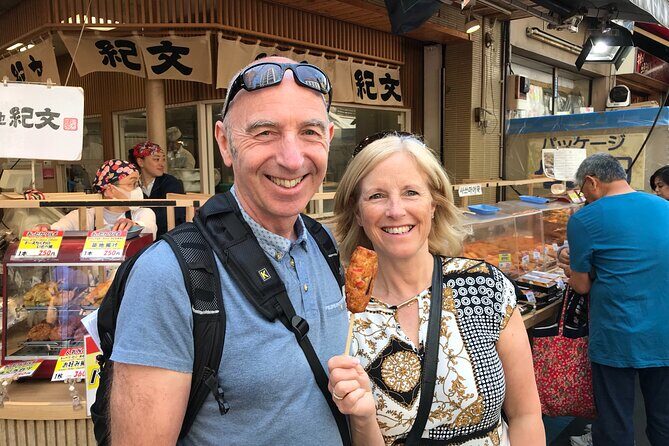
This isn’t just someone saying, “This is a store, go buy stuff.” You’re with a guide who’s specifically government-licensed, and that shows in the way the tour connects the shopping streets to Japanese culture and history.
In the experience notes, you can see it through the guides’ style: Izumi San starts by laying out options, then helps tailor the day so it fits what your family actually wants. Sam focused on making sure you got what you needed and communicated clearly throughout. Steve is described as attentive and kind, with the kind of professionalism that matters when you’re trying to shop while also staying on schedule.
That context is useful for more than curiosity. It helps you shop smarter. When you understand the role a street plays—food culture, classic neighborhood life, electronics fandom—you’re more likely to buy things that make sense for you, not just souvenirs that look good in photos.
How the 6-hour loop works with 3–4 custom stops
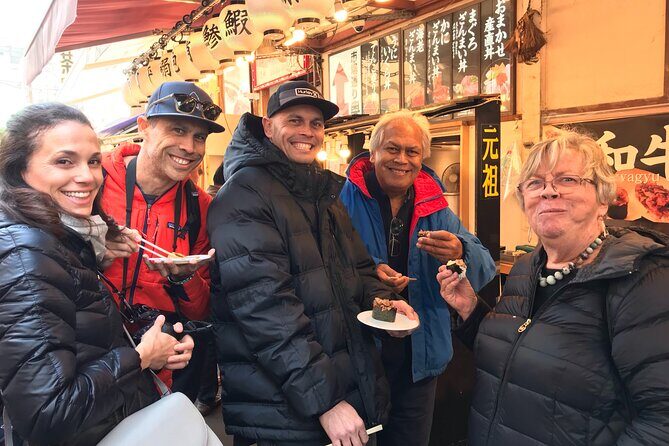
The tour runs for about 6 hours, and the stops shown are built around short visits (each listed stop is about 30 minutes). In real life, that short-block structure is exactly what makes the customization work: you can pick the streets you care about most and spend enough time to browse without the day turning into a full-day endurance test.
You’ll choose roughly 3–4 sites from the attraction list. That’s the sweet spot for a private walking tour. It’s long enough to feel like a “Tokyo day,” but short enough that you won’t be stuck in a single shopping zone for hours.
Practical tip: decide your priorities before you meet. For example, if you want hands-on food items and kitchen tools, Kappabashi Street may be your anchor. If you want youth fashion and quick snacks, start around Harajuku/Cat Street/Takeshita-dori. If you’re an anime/electronics person, Akihabara is the obvious draw. When you walk in with your top two must-dos, the guide can build the rest of the route around you.
Ameyoko Shopping Street (アメ横): market energy near Ueno
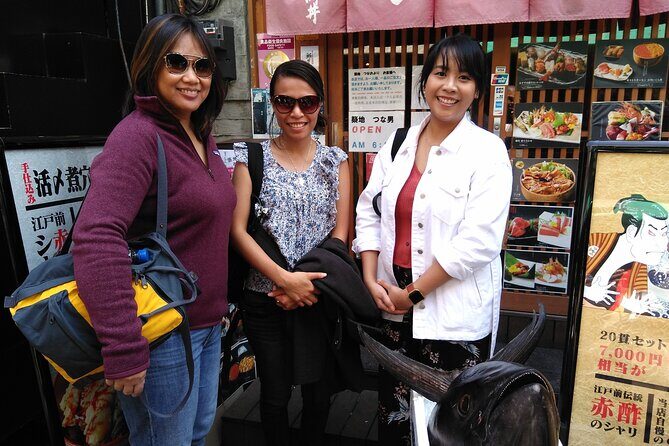
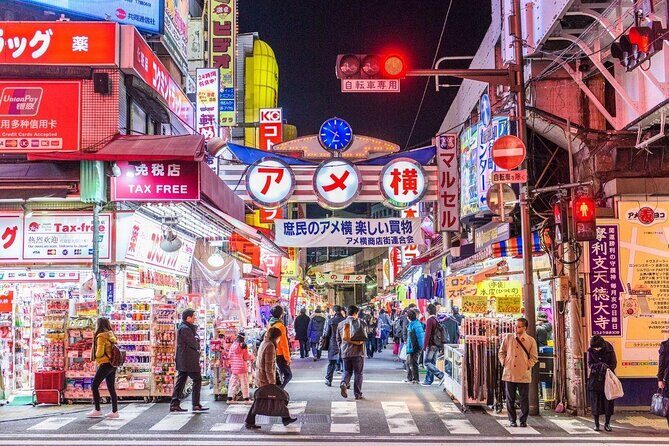
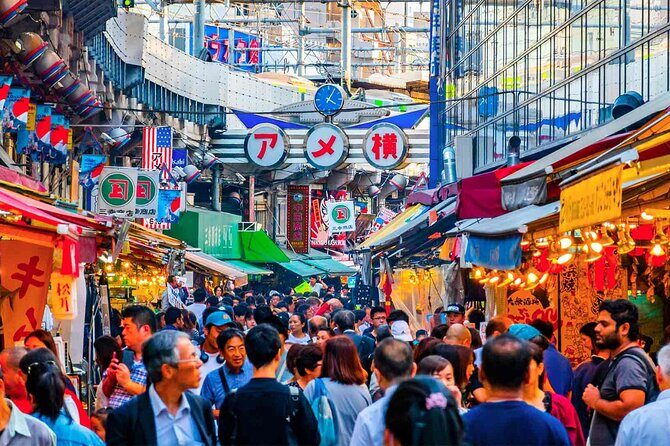
Ameyoko is a classic Tokyo shopping street that runs along the Yamanote Line track area between Okachimachi and Ueno Stations. It’s known for its market-style shopping vibe, and the name is a clue: Ameyoko is short for Ameya Yokocho, a candy store alley—so you’ll often find sweets and casual snacks mixed right into the browsing.
This is a good stop when you want variety. You can graze while you walk, compare small stalls, and pick up items you can actually use right away (snacks, small gifts, easy treats). It also works well as a first stop if your start time is early, because market streets often feel more manageable in the morning.
Possible drawback: Ameyoko is busy by nature. If you’re sensitive to crowds or you’re traveling with limited mobility, this might feel tighter than other streets. The guide can help you choose the best lanes to move through quickly.
Kappabashi Street (かっぱ橋道具街): kitchen tools and restaurant-operator shopping
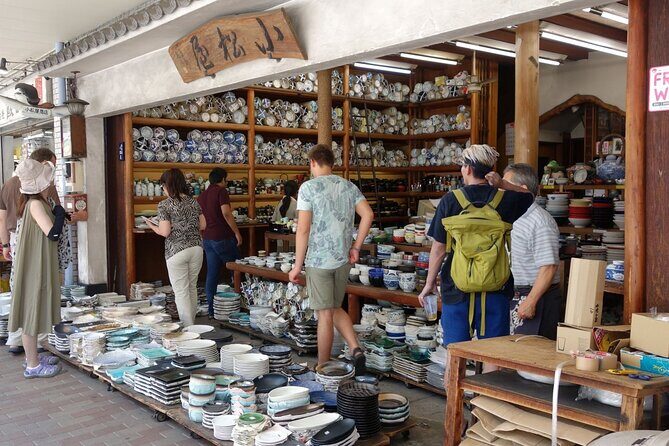
Between Ueno and Asakusa, Kappabashi Dōgai is famous for selling the kind of items you’d expect to see in a serious kitchen supply world. The street is lined with shops that stock what restaurant operators need—so it’s the place to look when you want practical cookware, utensils, and food-related goods rather than just clothes and trinkets.
I’d put Kappabashi on your list if:
- you like cooking and want Tokyo-specific tools
- you’re buying gifts that feel useful
- you want a break from fashion streets and electronics zones
What to watch for: it can be overwhelming because there’s a lot to see in a small area. Since the tour is private and short, you’ll get more value if you focus on a category (like chopsticks, knives, serving items) instead of trying to shop everything in one quick pass.
You can also read our reviews of more private tours in Tokyo



Yanaka Ginza: old-school Shitamachi walking with room to breathe
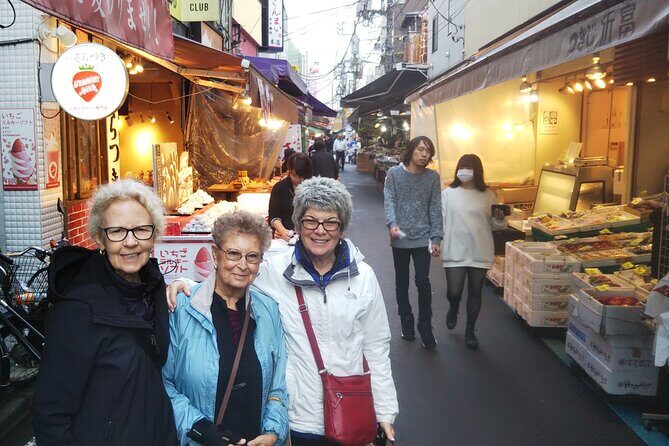
Yanaka Ginza is one of the best-known shopping streets for a preserved, old-town Shitamachi feel. If Tokyo’s neighborhoods have different personalities, this one tends to feel slower and more lived-in—exactly the kind of place where you can browse without feeling like you’re sprinting.
This is a great choice if you want a break from the heavy foot-traffic zones and still want shopping. It’s also where you might get a better sense of how everyday Tokyo life looks when you’re not only in high-energy districts.
Trade-off: it’s not “target shopping” in the same way Kappabashi is. Instead, it’s more about atmosphere, small shops, and wandering. That means it rewards a relaxed pace.
Tsukiji Fish Market stop: efficient market time for food-minded shoppers
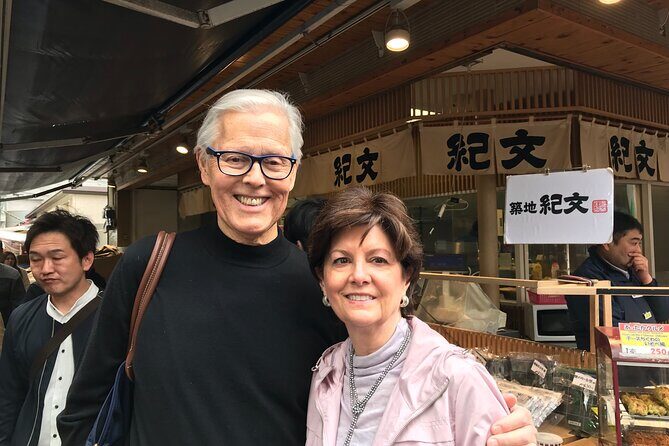
The tour includes Tsukiji Fish Market as a stop, framed as a chance to explore Tokyo more efficiently in one day. You should treat it as a market-area browsing window rather than a long deep-dive, because your time here is set within the overall 6-hour structure.
This stop makes sense if:
- you like food culture and want market energy
- you’re curious about what’s available in a major Tokyo food hub
- you want to pair market sights with other shopping streets afterward
What to consider: no lunch is included, and transportation fees aren’t included. If you plan to eat during the day, factor in the cost and time to find a spot that fits your taste and pace. If your goal is souvenirs with a food theme, tell your guide early so you don’t spend your best browsing time only looking.
Cat Street (Kyoto? no—Harajuku to Shibuya): youth fashion in a mostly pedestrian alley
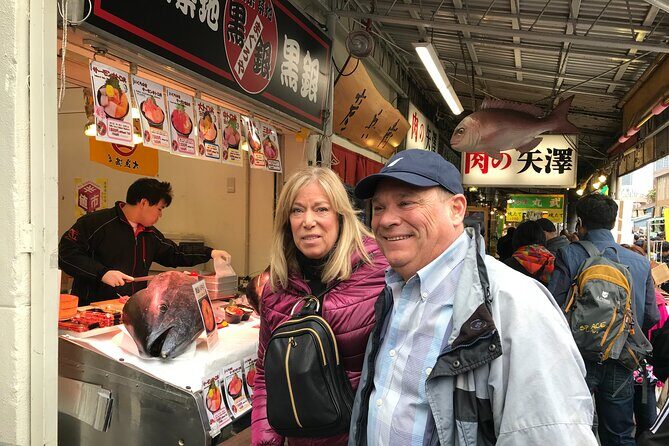
Cat Street is the nickname for a mostly pedestrianized alley that runs between Harajuku and Shibuya. It’s associated with hip, youth-focused fashion culture, and the vibe is different from big department stores: you’re browsing storefronts and smaller shops where style is the product.
This stop works best if you want to see Tokyo’s fashion “now,” not just its traditional crafts. You’ll likely find clothing-adjacent items, accessories, and smaller brand shops. It’s also a good choice for photo-friendly wandering because the streets feel designed for foot traffic.
Possible drawback: if you’re not interested in fashion browsing, this stop might feel less useful than an area built around electronics (Akihabara) or kitchen tools (Kappabashi). In a customizable route, it helps to only include Cat Street if it matches your shopping goals.
Takeshita Street (Takeshita-dori): the funhouse of Harajuku snacks and youth culture
Takeshita-dori in Harajuku is where youth culture goes to shop. It’s pedestrian shopping territory, and the energy can be part of the appeal. The street is known for snack treats like Calbee chips, candy floss, and crepes, so you can browse and eat in the same flow.
I like Takeshita Street because it’s easy to understand. You don’t need insider knowledge to enjoy it—you just walk in, smell the food, and browse what’s popular right now.
Consideration: it can get crowded, especially during peak hours. With only about 30 minutes in the stop window, you’ll benefit from a plan: pick 1–2 things you want (for example, a specific snack and a specific souvenir type) so you don’t lose time in the crowd.
Shibamata: a quieter pocket of classic Tokyo near the Edogawa River
Shibamata sits on the eastern side of Tokyo, near the Edogawa River, which forms a border with Chiba Prefecture. The neighborhood keeps an old-school charm, and that alone makes it a refreshing contrast to more trend-heavy areas.
This stop is a good pick if your route is getting too modern too fast. Add Shibamata when you want a calmer change of pace, plus a chance to see a side of Tokyo that feels more like local neighborhood life than a tourist shopping corridor.
Potential trade-off: because your time is limited, you may want to focus on small shops or a specific souvenir category. If your goal is high-intensity shopping deals, you might find it less “bargain” feeling than market streets.
Akihabara: electronics and Japan fandom shopping in one district
Akihabara is famous for electronics shops and has also become known as a center for anime and related Japanese pop culture. If you’re into gadgets, gaming, collectibles, or anything fandom-adjacent, this is often the stop that turns a shopping tour into a memory you’ll keep.
I like that the tour structure makes it possible to connect Akihabara with other interests. For instance, you can pair street markets or food tools with a pop-culture stop, and your guide can help you move between zones without wasting time on navigation.
What to consider: electronics and fandom stores can be emotionally expensive. You’ll find a lot you want, not just a few clear must-buys. If you’re on a budget, decide ahead of time what you’re shopping for (a specific type of item) so you don’t end up buying random “almost-really-cool” things.
So, what about lunch, transport, and entry fees?
This is a walking tour, and transportation fees, entrance fees, and lunch aren’t included. That’s normal for a custom street-hopping guide, but you should plan for it.
The good part is that your guide can help you navigate where to eat and how to move efficiently, especially in a private format where you can ask for options that fit your group’s tastes. One highlight from the experience notes: Noripy helped find a lunch spot with many options and handled translating in stores, which is exactly the kind of practical value you want on a food-heavy day.
If you’re picky about meals or have dietary constraints, it’s smart to tell your guide early, before the schedule tightens.
Value for money: $154.37 per person and what you truly get
At about $154.37 per person for roughly 6 hours, you’re paying for more than “walking with a guide.” You’re paying for:
- a licensed professional who can explain what you’re seeing
- private, flexible routing using about 3–4 stops
- help finding the right places fast
- on-the-ground language support when you’re shopping
When this tends to be good value is when you actually want guidance. If you already know exactly which stores you want and you’re comfortable navigating Tokyo by yourself, you could build a cheaper route. But if you’d rather spend your time shopping than figuring out station exits, translating menus, and guessing where to go next, this is the kind of service that can justify the cost.
Also, the average booking window of about 72 days suggests this tour is popular. If your dates are firm, planning ahead helps.
Who should book this tour (and who might skip it)
This experience is a strong fit if you:
- want a private route with your own choices
- like the idea of shopping streets, not just big landmarks
- value Japanese culture context while you browse
- want help navigating Tokyo without stress
It may not be ideal if you:
- hate walking or can’t handle a full morning/afternoon on foot
- want one or two mega-destinations only (like a single museum day)
- dislike crowds and prefer shopping in very controlled environments
Should you book this Tokyo shopping street hopping private tour?
Yes, if you want Tokyo shopping to feel like a guided day out, not a DIY puzzle. The combo of hotel pickup on foot, a government-licensed guide with culture context, and the ability to pick about 3–4 street stops makes this a practical way to shop efficiently.
The clearest reason to book: your guide can tailor the route to your group. In the experience notes, guides like Izumi San and Sam were praised for communication and customizing based on family needs, while Noripy and Steve were noted for navigating and helping with translation and choices. If you like shopping with a plan, this tour gives you that plan—and keeps the day from turning into random wandering.
If you’re flexible, bring comfortable shoes, and tell the guide what you want to buy (and what you want to avoid), you’ll get a lot of value from that 6-hour window.
FAQ
How long is the shopping street hopping tour?
The tour is about 6 hours.
Is the tour a walking experience?
Yes. This is a walking tour, and pickup is offered on foot.
Can I choose which shopping streets to visit?
Yes. You’ll customize the itinerary by choosing roughly 3–4 sites from the available attractions.
Are entrance fees included?
Entrance fees are not included.
Is lunch included in the price?
No. Lunch isn’t included.
Is the guide government-licensed and English speaking?
Yes. The guide is a licensed local English speaking guide, and the tour is led by a government-licensed professional.