REVIEW · HIROSHIMA
Hiroshima Private Day Tour
Book on GetYourGuide →Operated by Japan Oriental Tours · Bookable on GetYourGuide
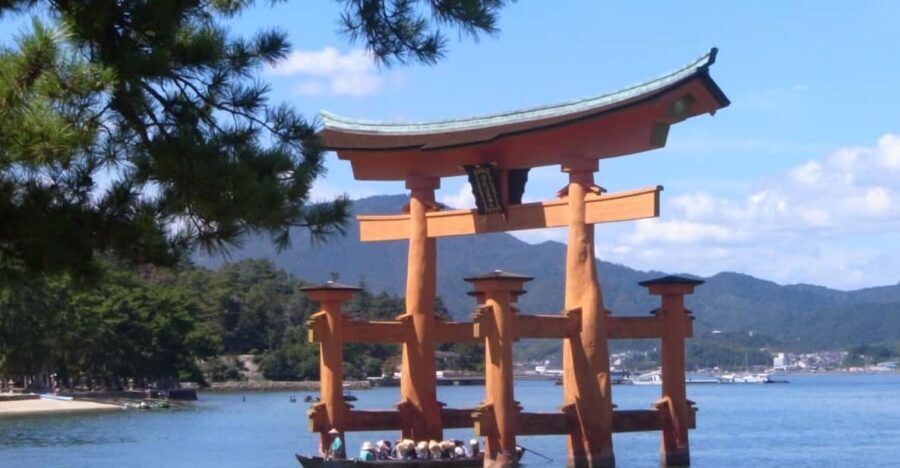
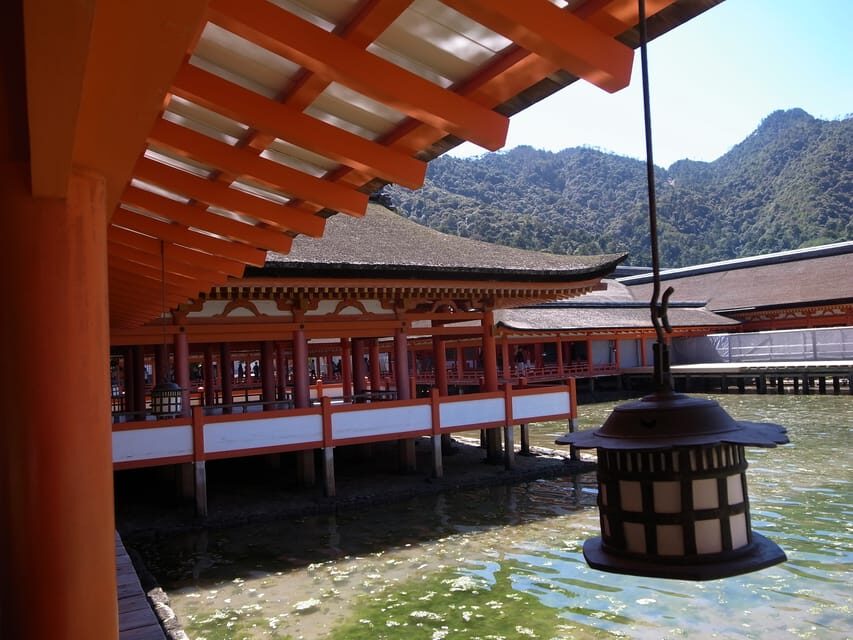
Miyajima’s floating gate sets the tone fast. I like that this private setup handles the hardest logistics—hotel or station pickup, ferry, and a smooth drive back to the city—while still giving you an English-speaking guide (one named Maki is specifically praised). I also love the balance: shrine-and-sea views first, then the somber Peace Memorial Park, and finally a well-preserved samurai-style castle. The main catch for your day is simple: lunch isn’t included, so you’ll want to plan food yourself.
You start at 10:00 and you’re back by 16:00, which makes this a solid “one-day Hiroshima” plan if you’re short on time but don’t want to skip the big hits.
Key points I think you’ll care about
- Itsukushima Shrine on Miyajima with the famous sea setting and a proper ferry start
- English-led pacing through Peace Memorial Park, where the exhibits explain what happened and how the city recovered
- Hiroshima Castle visited after the memorial stops, so your day doesn’t end on a heavy note
- Private car + pickup from Hiroshima hotel, station, or port (less stress than figuring transit)
- Miyajima food streets right by the shrine—easy place to grab lunch on your own terms
In This Review
- Private Hiroshima Day Tour: The value of one smooth plan
- 10:00 pickup and the ride to Miyajima: less time wrestling transit
- Ferry to Miyajima and Itsukushima Shrine’s sea setting
- How the guide experience shapes your Miyajima-to-city transition
- Peace Memorial Park: seeing what happened, then seeing the recovery
- Hiroshima Castle: a shift from memory to identity
- Price and logistics: what $659 buys you (and when it’s worth it)
- What this tour is best for
- Should you book this Hiroshima Private Day Tour?
- FAQ
- What’s the duration of the Hiroshima Private Day Tour?
- Where will you be picked up and dropped off?
- Is lunch included?
- What’s included in the price?
- What languages are available?
- What should you bring?
Private Hiroshima Day Tour: The value of one smooth plan
For first-time visitors, Hiroshima can feel split in two. You’ve got the emotional gravity of the Peace Memorial area, and then you’ve got daily-life Hiroshima—food, streets, and the city’s older identity you can still see in places like Hiroshima Castle.
This private 6-hour day tour tries to solve that “how do I connect everything?” headache. You’re picked up at 10:00 from your Hiroshima hotel, Hiroshima Station, or Hiroshima Port. From there, the tour strings together three anchor stops with less time wasted on transit switching and ticket confusion.
Price matters here: $659 per group (up to 2) is not a budget move. But you’re paying for two things that add real value in Japan: a dedicated private car and an English-speaking driver/guide who can guide the flow of your day. If you’d otherwise end up piecing together ferry times, local transit, and museum entry questions, a single guided day can feel like money well spent.
One more note: your experience will be only as good as your guide’s communication. The tour includes English, and many bookings praise excellent guiding. Still, one past booking had an English-weak guide and felt more like a chauffeur than a local guide. That’s a key consideration if you’re relying on the guide for context.
10:00 pickup and the ride to Miyajima: less time wrestling transit
The schedule is straightforward. At 10:00, you’ll meet your guide/driver for pickup at your hotel, Hiroshima Station, or Hiroshima Port. From there you head toward Miyajima and the ferry crossing.
This matters more than it sounds. Miyajima is easy to underestimate when you plan on your own. Ferry schedules, station locations, and the timing of shrine access can eat up time. With a private car handling the approach, you can start the day focused on one thing: getting to Itsukushima Shrine in time for the best experience of the waterfront setting.
You’ll also have a driver who speaks English. That’s not just comfort—it’s practical. You can ask quick questions on routes, timing, and what to prioritize on site so you’re not wasting time reading signs you don’t fully understand.
What to bring for the ride and the sites
- Comfortable shoes (you’ll walk around shrine and park areas)
- Sun hat (useful when you’re out by the water and in open spaces)
You can also read our reviews of more private tours in Hiroshima

Ferry to Miyajima and Itsukushima Shrine’s sea setting
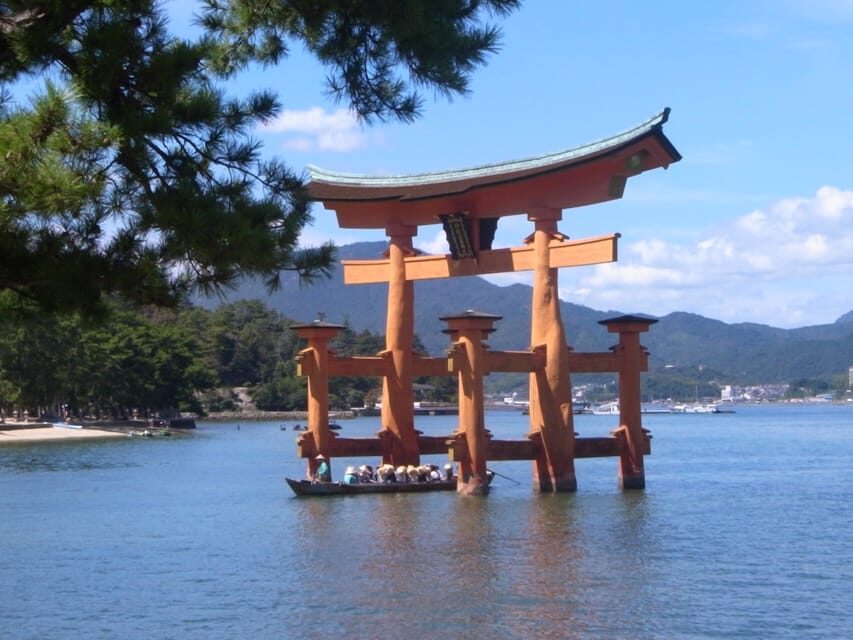
Your first major stop is Itsukushima Shrine on Miyajima Island. The tour includes the ferry fee and the shrine visit, so you’re not juggling tickets while you’re looking at views.
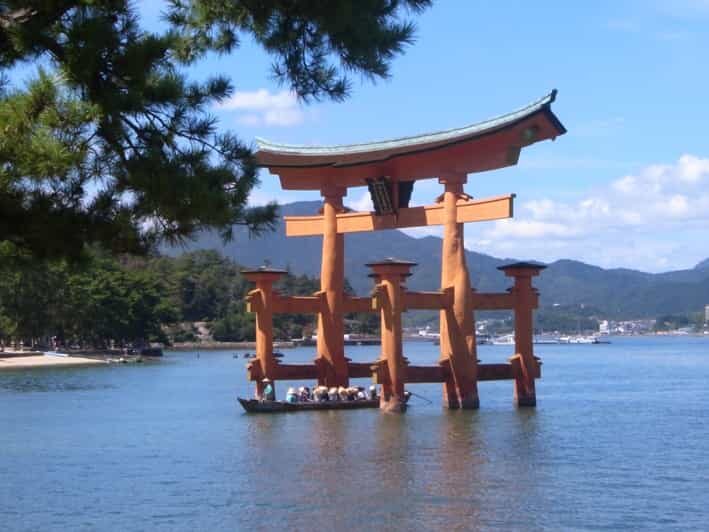
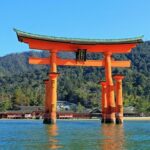
The headliner is the shrine’s famous waterfront setting, including the floating gate area in the sea water. Even if you’ve seen photos, seeing it in real life usually hits differently. The shrine isn’t just a building on land—it’s arranged to feel connected to the tide and shoreline mood.
As you walk out from the shrine area, you’ll also find food streets stretching from the shrine, with fresh local products. This is one of those travel moments where you can slow down and treat it like a normal day out, not a checklist. If you want lunch, this is a smart place to do it because the tour doesn’t include a lunch stop.
A practical tip for your day
- Since lunch isn’t included, plan to eat either in Miyajima’s shrine-area food streets or after you return to Hiroshima. Don’t assume you’ll have time later unless you build it in.
How the guide experience shapes your Miyajima-to-city transition
This tour is designed around a private group of up to 2. That means your guide has room to adjust how you move through each site—how much time you take for photos, how you pace your walking, and how detailed the explanations are.
One past booking specifically praised a guide named Maki and called out that her explanations were clear. Another booking mentioned that when the group happened to be Spanish-speaking, a Spanish-language guide was also brought in. That’s a strong sign the operator understands how to match the guide to the group when possible.
Still, keep one caution in mind. A separate booking gave the lowest score and complained the guide spoke only minimal English and delivered mostly basic information, like you could read in a guidebook—more chauffeur than local guide. That’s the one reason I’d suggest booking with realistic expectations: the tour is English-led, but the quality of storytelling can vary by guide.
If you know you’ll want a deeper narrative (not just directions), it’s worth paying attention when you receive your tour voucher details and meeting info, and being ready to ask your guide questions on the day.
Peace Memorial Park: seeing what happened, then seeing the recovery
After Miyajima, the car brings you back to Hiroshima city center, where you visit Peace Memorial Park.
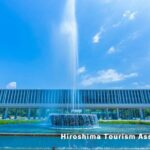
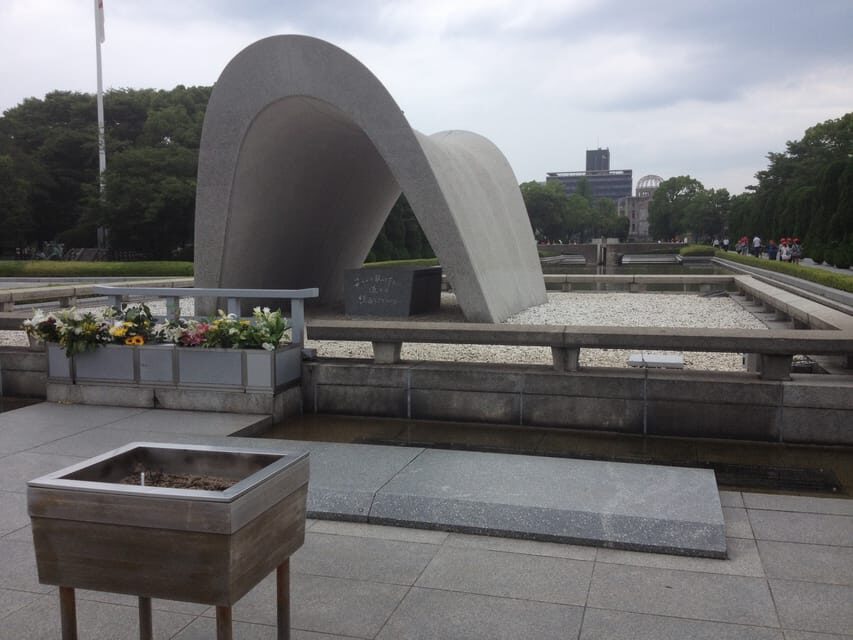
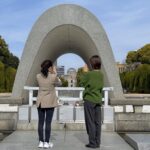
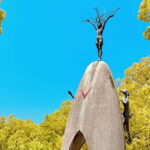
This is the emotional core of Hiroshima. The tour focuses on the historic material and the exhibitions that explain what happened after the atomic bombing and how the city recovered. Even with a tight schedule, the key value here is the ordering: you reach the memorial area with a guided framework already in place, instead of arriving overwhelmed and trying to make sense of everything alone.
In a day trip, pacing is everything. If you rush through this kind of site, you don’t absorb it—you just pass through it. A good English-speaking guide helps you slow down at the right moments and understand what you’re looking at, instead of turning it into a photo stop.
What I like about this tour’s structure
- It doesn’t end the day immediately after the hardest stop. By including Hiroshima Castle afterward, you get a natural emotional transition.
- The memorial visit is positioned as a focused block, not a quick add-on.
Possible drawback to consider
- If you’re the type who wants very slow, extended museum time, a single 6-hour tour might feel compressed. The itinerary hits the essentials, so you may want a separate follow-up visit if you’re especially interested in the museum’s details.
Hiroshima Castle: a shift from memory to identity
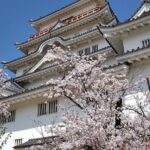
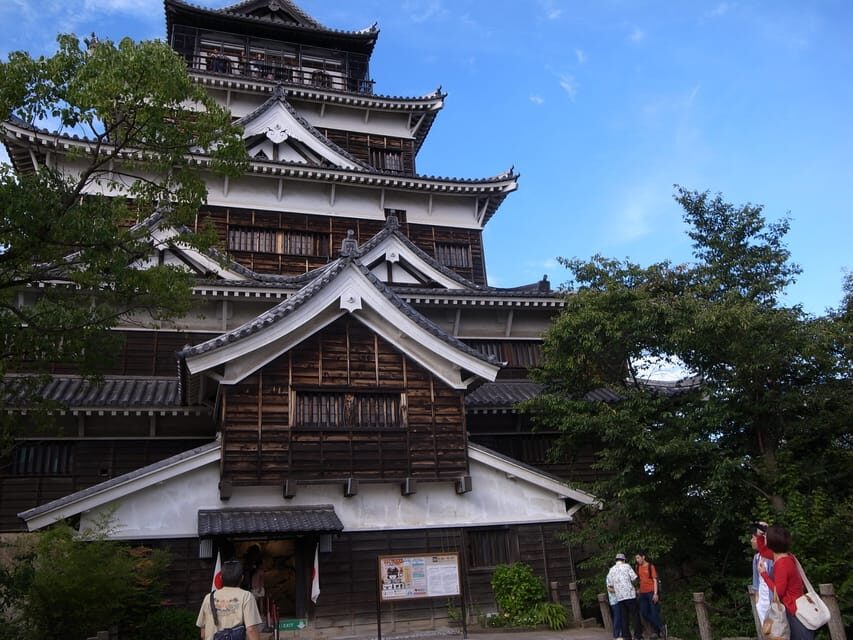
Next up is Hiroshima Castle, described as a well-preserved Japanese warrior castle. This stop matters because it gives you a different lens on Hiroshima than the memorial area.
You’ll see the castle’s original-style shape and the idea of the site as a residence of a samurai leader. That framing changes how you experience the surrounding city. Instead of only thinking about 1945, you start noticing how Hiroshima’s older identity and self-story continues.
This timing works well. After Peace Memorial Park, your brain may feel heavy. Castle time gives you space to walk, reset, and look at architecture and city form without losing the day’s meaning.
Practical note: wear shoes you trust. Even if you don’t go deep into grounds for hours, castle visits still tend to involve walking and looking up.

Price and logistics: what $659 buys you (and when it’s worth it)
Let’s talk value, because private tours can feel either like a smart purchase or like an expensive convenience.
At $659 per group up to 2 for about 6 hours, you’re paying for:
- Private car
- English-speaking driver/guide
- Ferry fee
- Entrance fees
What that means in real-life terms is less friction. If you tried to do this yourself, you’d still need a ferry between Hiroshima and Miyajima, plus local transportation to Hiroshima city sites. You’d also have to manage which museum entrances matter, and how to understand what you’re seeing at the memorial area.
Is it worth it? It depends on your travel style:
- If you want a planned day, minimal routing hassle, and an English explanation, this price can make sense.
- If you’re comfortable using public transit, self-guiding, and you don’t mind doing your own research, the same day might cost less.
But for many couples and small groups, the private pace is the point. You aren’t waiting for anyone else, and you can keep your day tight enough to fit a schedule without turning it into a grind.
What this tour is best for
I see this tour as a strong fit for:
- Couples or small parties (up to 2) who want comfort and simple logistics
- First-time Hiroshima visitors who want Miyajima + Peace Memorial Park + Hiroshima Castle in one go
- People who value English guidance through the memorial area
It may be less ideal if:
- You want lots of free time at any one stop
- You’re on a strict budget
- You need maximum depth at the Peace Museum level (this itinerary is built to cover essentials in limited time)
Should you book this Hiroshima Private Day Tour?
If your goal is to see the big three—Itsukushima Shrine, Peace Memorial Park, and Hiroshima Castle—without wrestling routes or timing, I’d lean yes. The private pickup, ferry inclusion, and entrance fees bundled into one day are exactly the kind of structure that makes a short visit feel complete.
I’d book especially confidently if you expect to benefit from an English guide—many bookings highlight clear explanation and top organization, including a guide named Maki. The one caution is guide-to-guide variation in English quality reported in at least one past booking. If you’re sensitive to that, you’ll want to confirm the tour details you receive and come prepared with questions.
Overall: this is a practical, high-impact day that respects your time and keeps the experience focused—from sea shrine views to the memorial’s message, ending with a castle that reminds you Hiroshima is more than one chapter.
FAQ
What’s the duration of the Hiroshima Private Day Tour?
The tour lasts 6 hours, starting at 10:00 and finishing with drop-off around 16:00.
Where will you be picked up and dropped off?
Pickup and drop-off are included at your hotel in Hiroshima, Hiroshima Station, or Hiroshima Port.
Is lunch included?
No. Lunch isn’t included, so you’ll need to arrange your own meal during free time.
What’s included in the price?
The tour includes a private car, an English-speaking driver/guide, ferry fees, and entrance fees.
What languages are available?
The tour is listed as English.
What should you bring?
Bring comfortable shoes and a sun hat. Also plan your day for walking around shrine and park areas.
—
If you tell me your travel month and whether you’re staying near the station or downtown, I can suggest the best way to plan lunch and how to pace the walking for a 6-hour day.