REVIEW · TOKYO
Japanese Food Experience Night Tour in Ueno
Book on GetYourGuide →Operated by JHAT Co., Ltd. · Bookable on GetYourGuide
Ueno at night is a food shortcut. This tour strings together local izakaya-style stops and classic items like yakitori, yakiton, sashimi, and ramen, guided by an English-speaking Japanese pro.
I also like the pacing: a small group (up to 10) plus guided context about the neighborhood means you’re not just eating, you’re getting the how-and-why. The only real drawback to plan for is that it isn’t set up for wheelchair access and you’re responsible for any allergies you may have.
In This Review
- Key Points You’ll Care About
- Why Ueno at Night Is the Smart Choice
- Starting at Hotel Monday Premium Ueno Okachimachi
- The Small-Group Flow and What the Guide Actually Does
- The Food Stops: 9 Dishes, 3–4 Restaurants, and Ramen
- Stop 1: Your First Bite Gets You Oriented
- Stop 2: Grilled Skewers and the Izakaya Mood
- Stop 3: Sashimi and the Cleaner Side of Japanese Dining
- Stop 4: Ramen to Finish Strong
- What About Dessert or Extra Snacks?
- Japanese Alcohol Options: Sake, Highball, and Hoppy
- Learning Ueno’s Story and Tokyo’s Modern Edges
- Price and Value: What You Get for $103
- Who This Tour Suits Best (and Who Should Skip)
- Quick Practical Tips Before You Go
- Should You Book This Ueno Japanese Food Night Tour?
- FAQ
- How long is the Japanese Food Experience Night Tour in Ueno?
- Where do I meet for the tour?
- What language is the tour guide?
- How many people are in the group?
- What food is included?
- What drinks are included?
- Is transportation to the meeting point included?
- Is the tour suitable for wheelchair users?
- Are pets and large bags allowed?
Key Points You’ll Care About
- Small group size (max 10) keeps questions easy and the flow relaxed.
- About 9 dishes across 3–4 restaurants plus ramen means you eat a proper dinner.
- ~6 drink items includes Japanese options like sake, highball, and hoppy.
- English-speaking Japanese guide adds context, not just translations.
- Ueno local spots are chosen for how Japanese people actually eat and drink there.
- 90-ish minutes walking plus meals over 210 minutes is a good “night activity” length.
Why Ueno at Night Is the Smart Choice
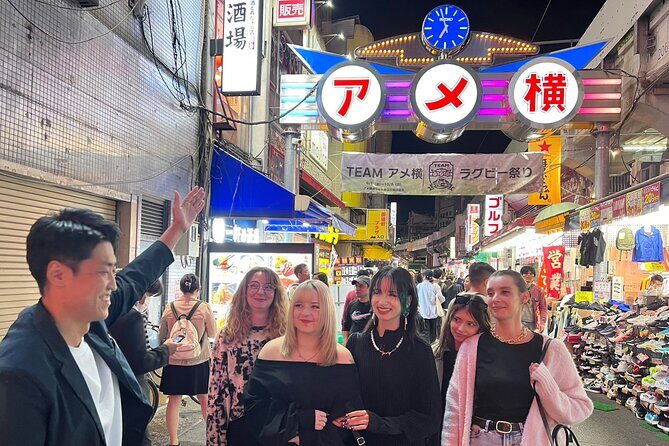
Ueno is one of those Tokyo areas where you can feel the city’s daily rhythm. At night, it shifts from daytime errands to food-and-drink neighborhoods, with plenty of places where locals line up or settle in for a quick meal and a longer chat.
What makes this tour work is that it’s built around how Japanese dining actually happens: you don’t eat one big meal and call it done. Instead, you try a sequence—skewers and small plates, then something like sashimi, then a ramen finish—so you get a better sense of the range of Japanese comfort food. And because the guide is English-speaking, you don’t have to play guessing games with menus, sauces, and ordering style.
One more thing I appreciate: the tour frames your night as a Tokyo experience, not just a food run. The guide discusses the history of the town and modern Japan while you walk between stops, which helps the food land better in your brain. You’ll still leave full. You’ll also leave with a clearer picture of why these spots matter.
You can also read our reviews of more food & drink experiences in Tokyo
Starting at Hotel Monday Premium Ueno Okachimachi
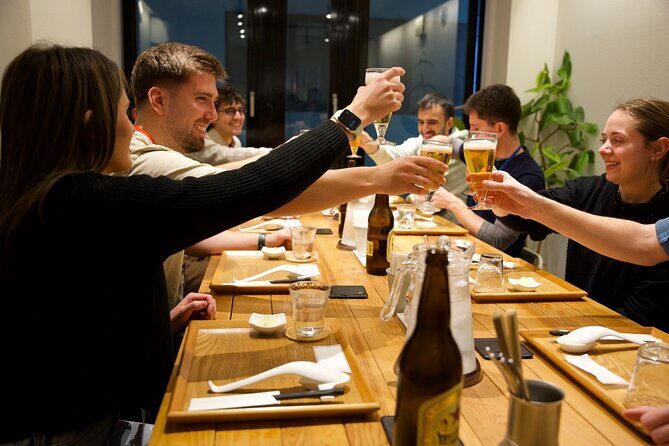
The meeting point is the Hotel Monday Premium Ueno Okachimachi, specifically the 14th-floor restaurant. You meet there before the walking and dining starts, and you’ll get a welcome drink to ease you into the evening.
This matters more than it sounds. For food tours, the biggest waste of time is usually the awkward start: finding the right place, gathering the group, and getting everyone settled. Starting at a hotel restaurant is clear and easy to navigate, and it sets the tone fast.
Two practical notes to keep you comfortable:
- Wear comfortable shoes. You’ll be on your feet for much of the 210 minutes.
- Leave luggage or large bags behind. This is designed for a smooth walk-and-eat route.
Also note the tour duration is just over 3.5 hours. That’s long enough to try multiple dishes and drinks, but not so long you feel stuck out there until midnight.
The Small-Group Flow and What the Guide Actually Does
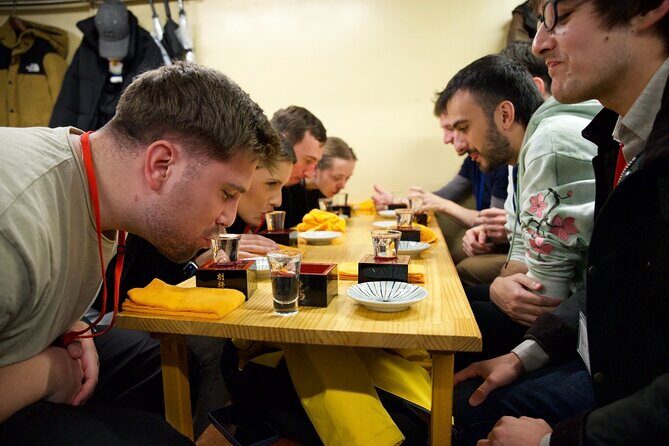
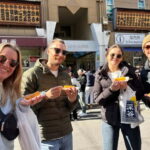
This tour is limited to 10 participants, and that scale changes everything. In a big group, you end up trailing behind or listening to the guide only when you’re lucky. In a small group, you can actually ask questions, get clarity on what you’re eating, and keep the momentum going between restaurants.
Your guide is a Japanese-English guide. In real terms, that usually means you get both translation and explanation—what the dish is, how it’s typically served, and how to understand it beyond the ingredients list.
One review specifically praised Nguyen for being enthusiastic and competent, with a friendly approach that kept the night fun and informative. I like that detail because it hints at the style: you’re not just following; you’re being guided like you belong in the neighborhood. Another comment noted that assistant guides may join in, which can add to the lively feeling without turning it into chaos.
The Food Stops: 9 Dishes, 3–4 Restaurants, and Ramen
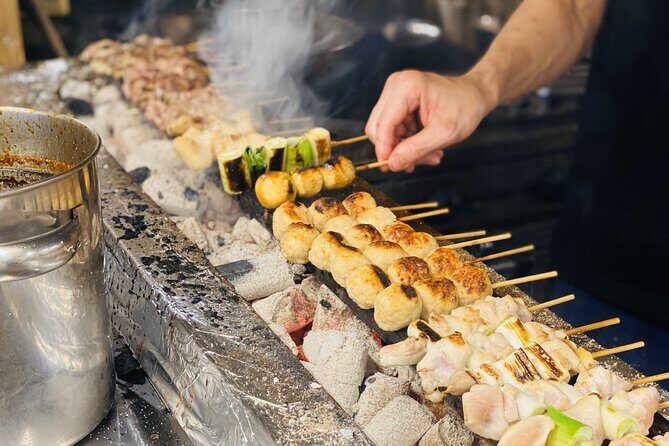
Here’s the core idea: about 9 dishes across 3–4 restaurants, with ramen included. The exact restaurants can vary because meals are provided at places selected by the company, and menus can shift. But you can plan your expectations around the food types already listed: yakitori, yakiton, sashimi, ramen, and other Japanese favorites.
Stop 1: Your First Bite Gets You Oriented
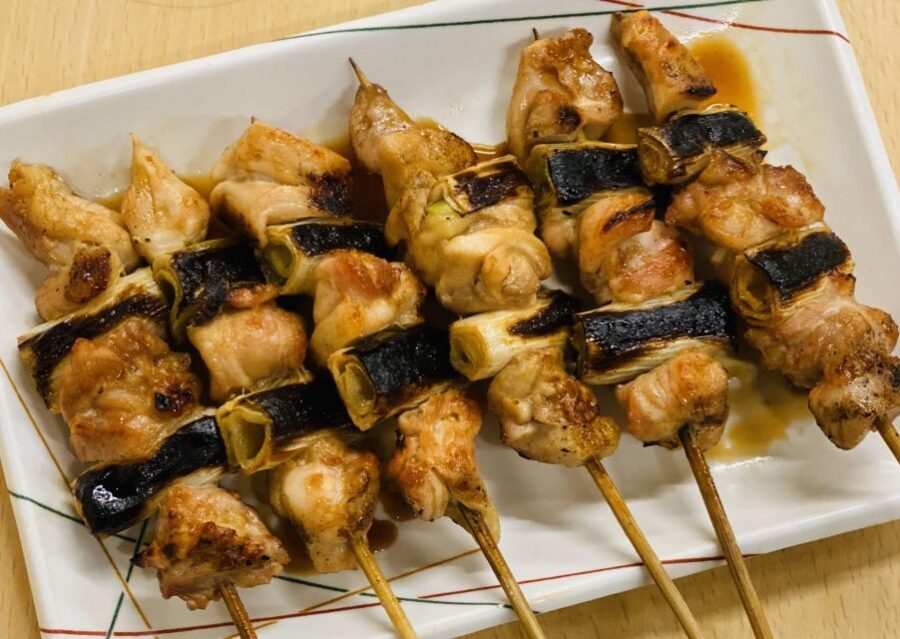
The early part of the tour is where you get comfortable. You’ll likely start with an item that’s easy to share and easy to understand—something like yakitori (grilled chicken skewers) or another classic bite. This is a smart move because it helps you read the rest of the night. Once you know the basic flavor direction—salty-sweet tare, smoky grill notes, and simple seasonings—you’re better prepared for the more delicate items later.
Why this stop matters: it sets your palate for the rest. And since you also get a welcome drink, you’re not walking around hungry while everyone finds their bearings.
A few more Tokyo tours and experiences worth a look

Stop 2: Grilled Skewers and the Izakaya Mood
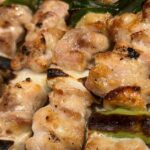
Next, the tour leans into the izakaya-style side of Japanese eating. Expect grilled skewers and pub-food energy. Yakiton is specifically mentioned, which is a great example of why a guided tour helps. If you’ve never had it, it’s not just another skewer—it’s chicken offal cooked in the same satisfying skewered, smoky format. That’s exactly the kind of item you might skip on your own if you don’t know what it is.
Possible drawback: skewers and small plates can move fast. If you’re the type who likes to savor one place for a long time, you’ll need to adapt. The tour is designed for variety, not a slow dinner.
Stop 3: Sashimi and the Cleaner Side of Japanese Dining
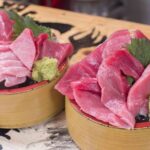
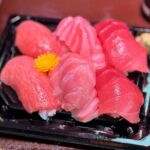
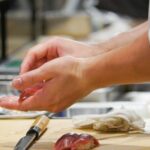
At some point, you’ll hit sashimi. This is where the night pivots. Instead of smoky grilled flavors, you get cleaner taste and a different texture experience. It also gives you a break from skewers so you don’t feel like you’re eating the same profile repeatedly.
Why it’s a win: sashimi also teaches you something about Japanese dining priorities—freshness and simplicity. Even if you can’t interpret every term on the menu, you’ll understand it by how the food is served and paired.
Stop 4: Ramen to Finish Strong
Ramen is included, and it’s the finish that makes the tour feel like a real meal, not snack hopping. Ramen shops and ordering styles are different from izakayas, so having a guide helps you transition smoothly. The tour design also makes sense: after multiple dishes and drinks, ramen gives you warmth and comfort to wrap everything up.
Practical note: ramen can be filling. If you’re sensitive to volume, consider pacing your drinks.
What About Dessert or Extra Snacks?
The data doesn’t mention dessert, so don’t plan on a sweet finish. Instead, plan on a satisfying dinner that ends with ramen and a small souvenir.
Japanese Alcohol Options: Sake, Highball, and Hoppy
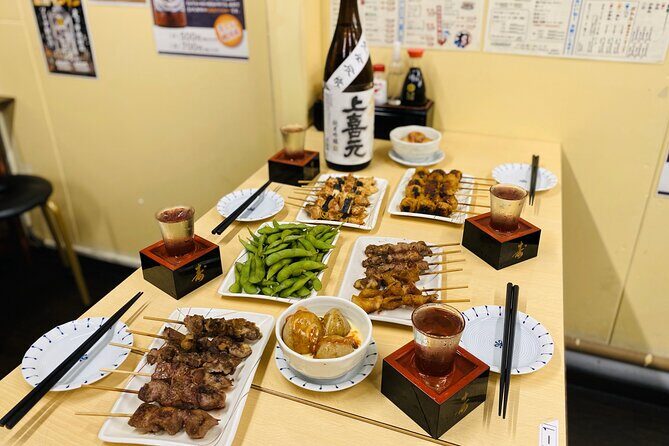
This tour includes around 6 drink items total. That sounds like a lot, but the structure matters because the drinks likely come alongside your meals rather than all at once. If you’re curious about Japanese drinks, this is one of the most efficient ways to sample without overcommitting.
The options listed include:
- sake
- highball
- hoppy
- other similar Japanese alcohol choices
Here’s the practical benefit: you get a guided introduction to how these drinks feel with food. Sake pairs differently from highball, and hoppy has its own casual pub vibe. You’ll also learn what to expect in terms of taste and strength, which is useful for ordering later on your own.
One consideration: this tour isn’t aimed at alcohol-free experiences. Drinks are part of the deal, so go in knowing you’ll at least encounter alcohol options. If you don’t drink, you might find it harder to match the pace of the group—this isn’t stated as a non-drinking custom tour.
Learning Ueno’s Story and Tokyo’s Modern Edges
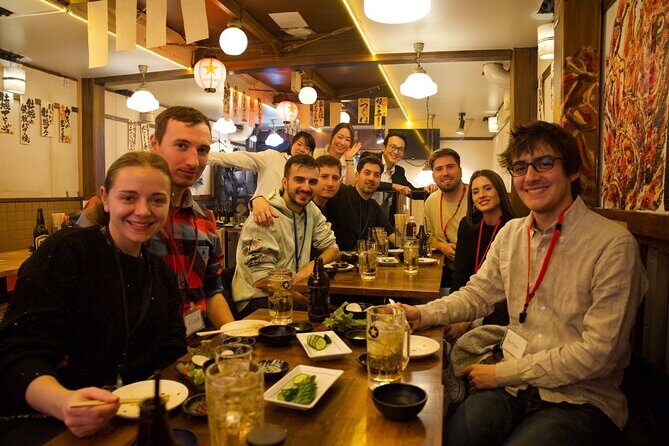
Food tours can sometimes skip the “why” and stay stuck in the “what.” This one goes further. As you move through Ueno, the guide also explains the history of the town and modern Japan.
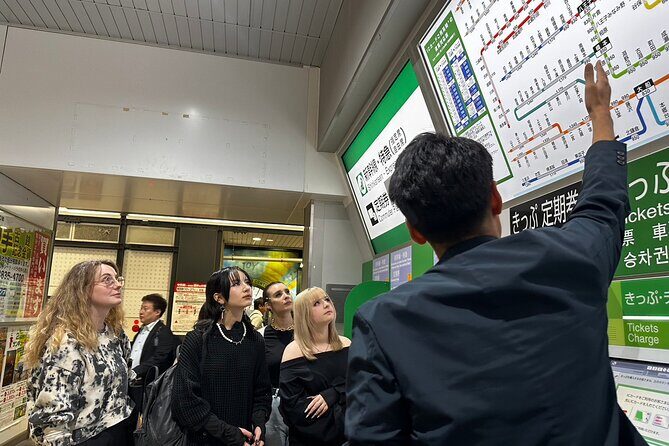
The value here is perspective. Ueno isn’t just a place to eat. It’s a neighborhood with a long-running role in everyday Tokyo life. The tour also frames your experience in the wider context of Tokyo—mentioning famous areas like Ginza, Shibuya, and Shinjuku as part of the city’s bigger story, while still focusing on the local shops where Japanese people gather to eat and drink.
What you should expect from the “history” component:
- A sense of how local dining districts function
- Practical explanations that make the food choices feel less random
- A better read on Tokyo as a city where tradition and modern life share the same streets
This is especially helpful if it’s your first time in Japan or your first time outside the obvious sightseeing zones.
Price and Value: What You Get for $103
At $103 per person for 210 minutes, the biggest question is simple: does it feel like good value?
Let’s break down what’s included:
- ~9 dishes across 3–4 restaurants plus ramen
- ~6 drink items
- Local English guide
- Welcome drink and a small souvenir
- You also get the convenience of skipping the ticket line (useful when any stop involves queueing)
In many cities, paying for a dinner plus multiple drinks at a couple of spots can quickly approach or exceed the cost of a guided tour. The value here isn’t just the food bill. It’s the labor you’re outsourcing: finding the right places, ordering safely, and getting context while you go.
The tour also limits size to 10, which tends to translate into smoother pacing and more attention from the guide. That’s hard to replicate on your own unless you already know the area well.
One practical “value check” before you book: if you’re a heavy eater who likes variety, this is a strong fit. If you prefer one perfect meal and then sightseeing, the multi-stop structure may feel like pressure.
Who This Tour Suits Best (and Who Should Skip)
This tour is a good match if you want:
- a night activity that combines food and a bit of Tokyo context
- an easy way to try different styles—skewers, sashimi, and ramen—without menu confusion
- a small group night out where you can ask questions
It’s also ideal if you like places that feel local. Ueno is specifically highlighted as a district where Japanese people gather to eat and drink lively every day, and the tour is designed around that reality.
It’s not a fit if:
- you use a wheelchair (not suitable)
- you have food allergies (customers are responsible for dealing with allergies, and it’s not suitable for people with allergies)
- you’re under 20 (not suitable for people under 20)
- you need to bring luggage or large bags (not allowed)
Also, pets are not allowed. If you’re traveling with a small animal, you’ll need a different plan.
Quick Practical Tips Before You Go
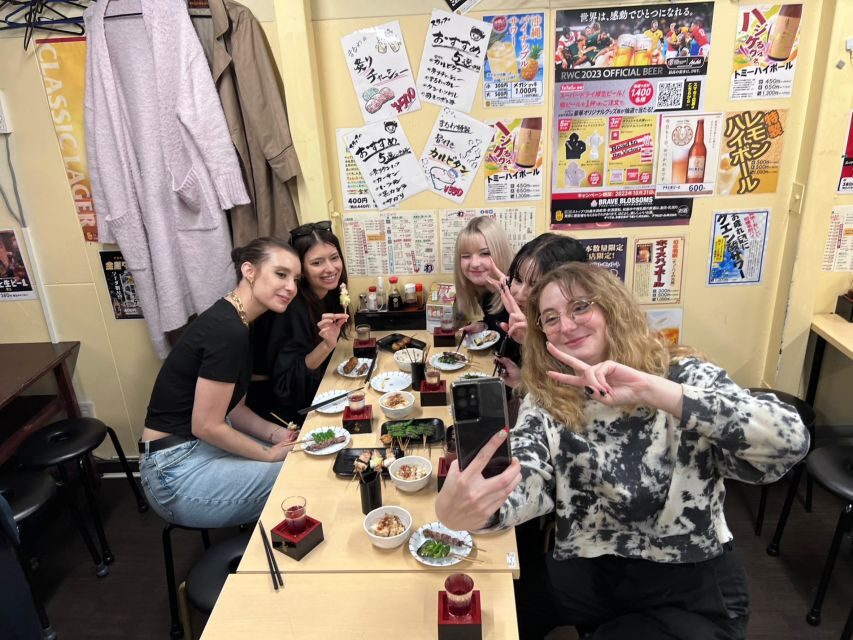
A few small things will make this tour more comfortable and more fun.
- Wear comfortable shoes. You’ll be walking between multiple restaurants over 210 minutes.
- Go with an appetite. The tour is designed around about 9 dishes plus ramen.
- If alcohol isn’t your thing, decide in advance how you’ll handle the drink portion. The tour includes around 6 items, and it’s part of the flow.
- Keep an eye on your own allergy needs. The tour notes that customers are responsible for allergies, and it’s not suitable for people with food allergies.
Should You Book This Ueno Japanese Food Night Tour?
If you want a night that blends real Japanese food with a guided sense of place, I think this tour is a strong booking choice. The combo of 3–4 restaurants, ramen, and multiple drink options makes it feel like a complete meal-and-experience package rather than a “try one bite and leave” situation. The small group size also supports a friendlier, more conversational vibe, and the guide quality comes through—Nguyen was specifically praised for being upbeat and capable, and assistant support can keep things lively without losing control.
Skip it if you can’t handle the structure. People with allergies (or anyone who needs special dietary control) should take the “not suitable” note seriously. And if you dislike walking, or you need mobility accommodations, this setup isn’t designed for you.
If you’re 20+ and you’re excited to eat and learn as you go, book it with confidence and wear your most comfortable shoes.
FAQ
How long is the Japanese Food Experience Night Tour in Ueno?
The duration is 210 minutes.
Where do I meet for the tour?
Meet at the Hotel Monday Premium Ueno Okachimachi, 14th floor restaurant.
What language is the tour guide?
The tour is guided in Japanese and English, with an English-speaking guide.
How many people are in the group?
It’s a small group limited to 10 participants.
What food is included?
You’ll have around 9 dishes at 3–4 restaurants, plus ramen.
What drinks are included?
You’ll have around 6 drink items, with Japanese options such as sake, highball, and hoppy.
Is transportation to the meeting point included?
No, transportation to the meeting point is not included.
Is the tour suitable for wheelchair users?
No, it is not suitable for wheelchair users.
Are pets and large bags allowed?
No pets are allowed, and luggage or large bags are not allowed.