REVIEW · TOKYO
This is Real TOKYO!! SHIBUYA Tour from TGP!!
Book on GetYourGuide →Operated by TokyoGuidePartnerrtner · Bookable on GetYourGuide
Shibuya moves fast, so you need a plan. This tour threads the famous stuff with calmer pacing, plus a Hachiko photo start and photo/video moments timed for maximum impact. I especially like the Japanese guide concierge approach, with route flexibility to match what you care about. One key thing to watch: Shibuya Sky tickets are not included and are not guaranteed, and they can sell out around 10 days ahead.
You’ll cover about 5.5 km on foot in roughly 3 hours, which is perfect if you want a “big hits” tour without spending your whole day in transit. The group is a private group for up to 6, so you’re not forced into a crowd shuffle. The trade-off is that the schedule is tight, so if you want long sit-down meals or slow browsing breaks, you’ll need to ask your guide to adjust.
In This Review
- Key Takeaways Before You Go
- Entering Shibuya With a Real Plan (Not Just Wandering)
- Meeting at the Hachiko Statue: The Photo Moment That Anchors Everything
- Shibuya Crossing: How to Watch the Crowd Without Getting Hit
- Center Street and Yokocho: Shopping Streets With Less Guesswork
- Miyashita Park: Luxury Brands, Rooftop Fun, and a Bathroom Break
- Cat Street to Harajuku: The Style Walk That Feels Like a Movie
- Omotesando to Meiji Shrine: A Mental Reset in the Middle of Fashion Streets
- Takeshita Street: Pop Culture Payoff and What to Expect
- Shibuya Scramble Square and the Sky Deck: The Fun Ending and the Ticket Reality
- Price and Value: Is $193 Worth It for a Private 3-Hour Hit?
- Who This Tour Suits Best (And Who Should Think Twice)
- Practical Tips to Make the Walk Feel Easy
- Should You Book This Shibuya Tour?
- FAQ
- Where is the meeting point for the tour?
- Is Shibuya Sky included in the price?
- Does booking the tour guarantee Shibuya Sky tickets?
- How long is the tour and how much walking is involved?
- What happens if we cannot get Shibuya Sky tickets?
- What languages are available for the live guide?
- Are meals and transportation included?
- Can I get a refund if plans change?
Key Takeaways Before You Go
- Hachiko first, always: You start at the statue with a commemorative photo moment that sets the tone for Shibuya.
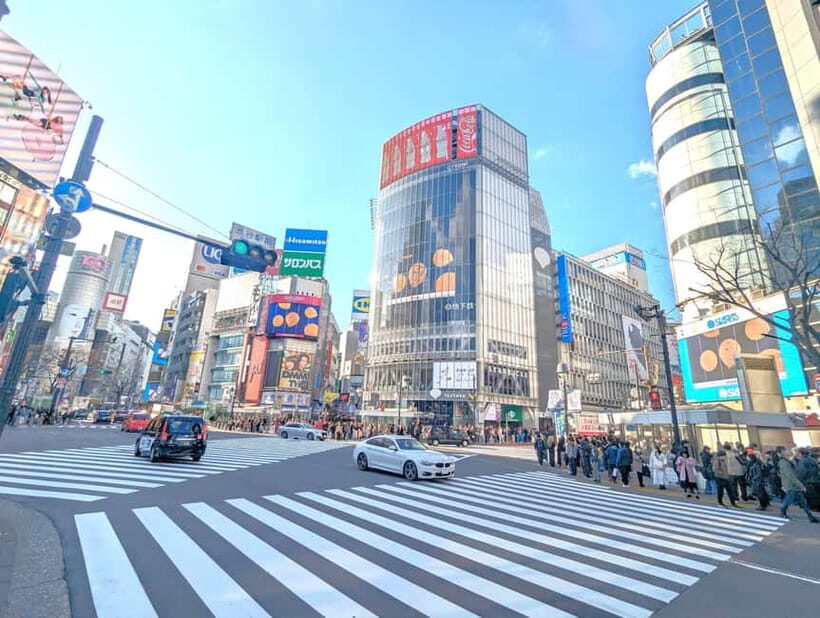
- Scramble Crossing, timed for filming: It’s the famous crossing with up to 3,000 people passing at once, and you’ll be encouraged to shoot video too.
- Style stops with breathing room: Center Street, Miyashita Park, Cat Street, and quick neighborhood breaks keep you moving without feeling rushed.
- Meiji Shrine as your reset button: A longer stop at a major shrine gives you a mental pause from fashion streets.
- Sky Deck is the make-or-break: Shibuya Scramble Square’s Sky Deck is amazing, but tickets require a separate process and can be sold out.
Entering Shibuya With a Real Plan (Not Just Wandering)
Shibuya can feel like sensory overload at first. Bright signs, fast feet, and constant motion. What I like about this tour is that it gives you order: start at a clear landmark, hit the key photo moments, then flow outward into calmer pockets.
You’re also not stuck doing the same checklist you see online. The tour description leans into popular areas plus smaller, lesser-known stops, which is exactly what you want when you only have a short window. It’s a smart mix: iconic Shibuya, Harajuku style streets, and then a serious cultural reset at Meiji Shrine.
You can also read our reviews of more tours and experiences in Tokyo.



Meeting at the Hachiko Statue: The Photo Moment That Anchors Everything
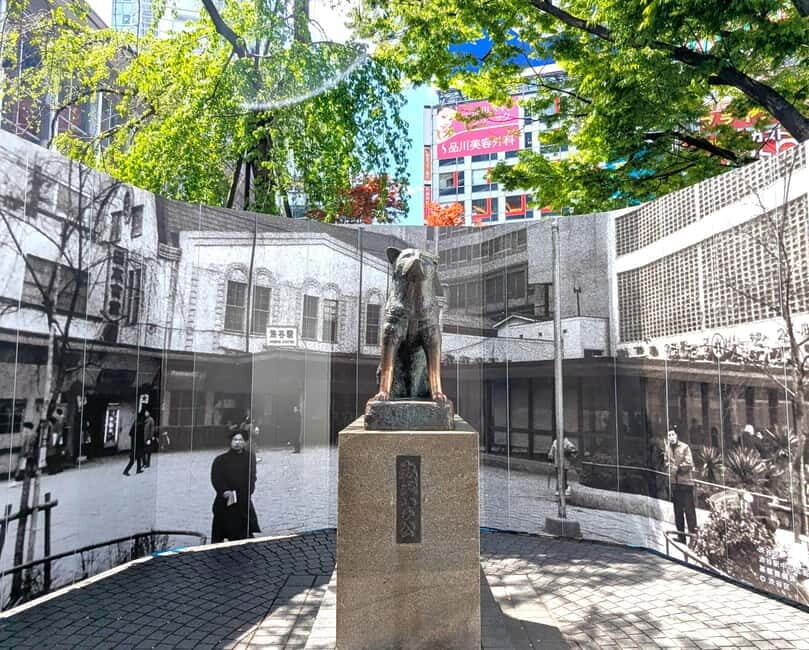
Your tour begins at the Hachiko statue in front of Shibuya Station. This is more than a cute opener. Hachiko is the “loyalty” symbol of Shibuya, and starting here gives you an instant sense of place before you get swept into the crowds.
The plan includes a commemorative photo stop (about 10 minutes). If you’re traveling with family or friends, that early photo is helpful because later on you’ll be moving through busy streets where lining everyone up can get annoying fast.
One practical note: the meeting point is specific, so help the staff find you. They ask you to share your clothing color and other characteristics, and their TGP staff wear orange collars and name tags.
Shibuya Crossing: How to Watch the Crowd Without Getting Hit
Next up is the Shibuya Scramble Crossing, the intersection that can see up to 3,000 people passing at once. It’s famous for a reason. The real thrill is watching how people move through the chaos with strict timing, and somehow nobody turns it into a jam session.
You’ll get a photo stop and a short walk here (about 10 minutes). The guide encourages video as well, and I agree. Photos catch the moment, but video shows the rhythm—how streams of people flow and then break apart like a choreography.
If you’re nervous about crossing, take it as a training moment. You’ll be in the right mindset: don’t fight the crowd, follow the lanes, and let the crosswalk do the work.
Center Street and Yokocho: Shopping Streets With Less Guesswork
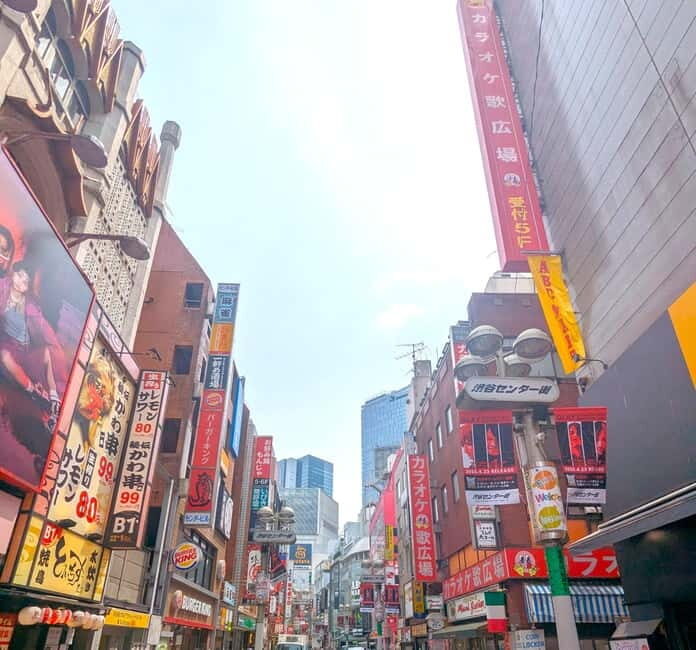
From the crossing, the route shifts to Shibuya’s Center Street for a walk and quick exploration. This area is known for youth culture and a steady lineup of restaurants, apparel stores, general stores, and more. You’ll get a short but useful look, which is great if you want to see what Shibuya feels like without turning it into a shopping marathon.
After that, there’s a brief stop at Shibuya Yokocho. The schedule keeps this short (about 5 minutes), so think of it as a pocket detour to break up the bigger streets and get a feel for different street energy.
Then comes the next “hangout with shops” zone: Miyashita Park. This is where the tour helps you slow down just enough to breathe.
Miyashita Park: Luxury Brands, Rooftop Fun, and a Bathroom Break
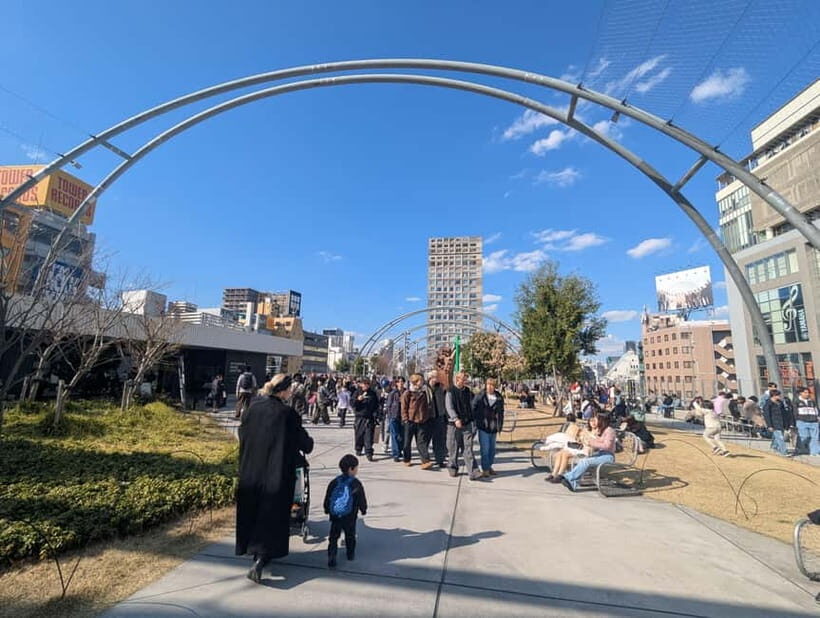
Miyashita Park is built for strolling and snacking, with an easy blend of shopping and people-watching. The stop is around 15 minutes, and it’s specifically described as a toilet break plus a little shopping, so you can reset before the Harajuku stretch.
It’s also known for luxury brands along the park area. That might sound like a contrast to the street style you’ll see later, but that contrast is part of why Shibuya works. One moment you’re thinking “fashion trend,” the next you’re walking a polished shopping zone with a completely different vibe.
The description also mentions an open rooftop park where you might spot a world-famous character. Even if you’re not hunting for it, that’s a good cue to keep your eyes up, not just down at storefronts.





Cat Street to Harajuku: The Style Walk That Feels Like a Movie
Next you’ll head toward Harajuku, starting with Cat Street. This is where you’ll spend more time, about 30 minutes, and it’s a smart choice. Cat Street is known for boutiques and general stores, plus stylish cafes, and it runs along the old Shibuya River promenade.
Even if you don’t buy anything, this stop helps you understand Harajuku as a zone of constant reinvention. It’s not just one kind of style. It’s a mix, and the street layout makes it feel like you’re strolling through a living magazine.
The tour then shifts to surrounding streets like Omotesando and landmarks such as the Tokyu Plaza Omokado building. The point here is pacing: you get that tree-lined, stylish walk before the itinerary commits to the cultural reset at Meiji Shrine.
Omotesando to Meiji Shrine: A Mental Reset in the Middle of Fashion Streets
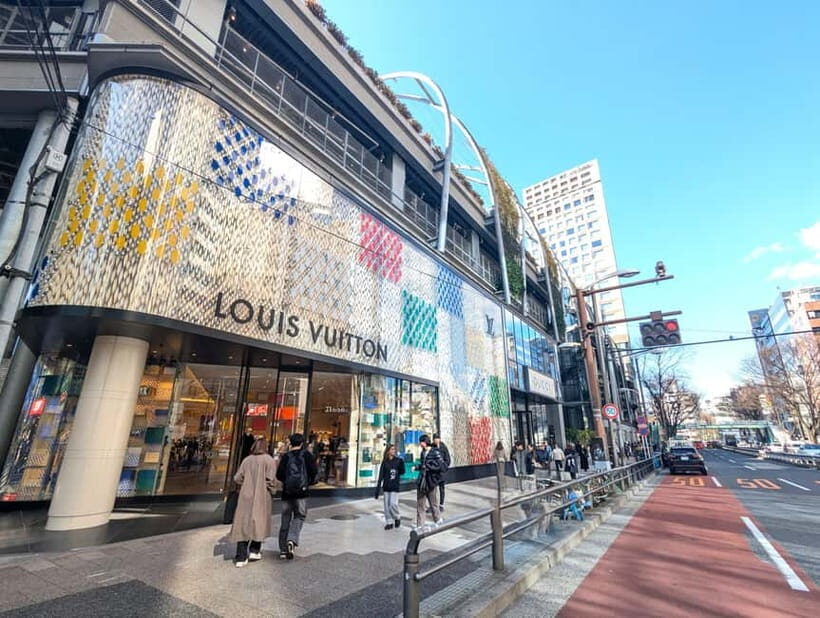
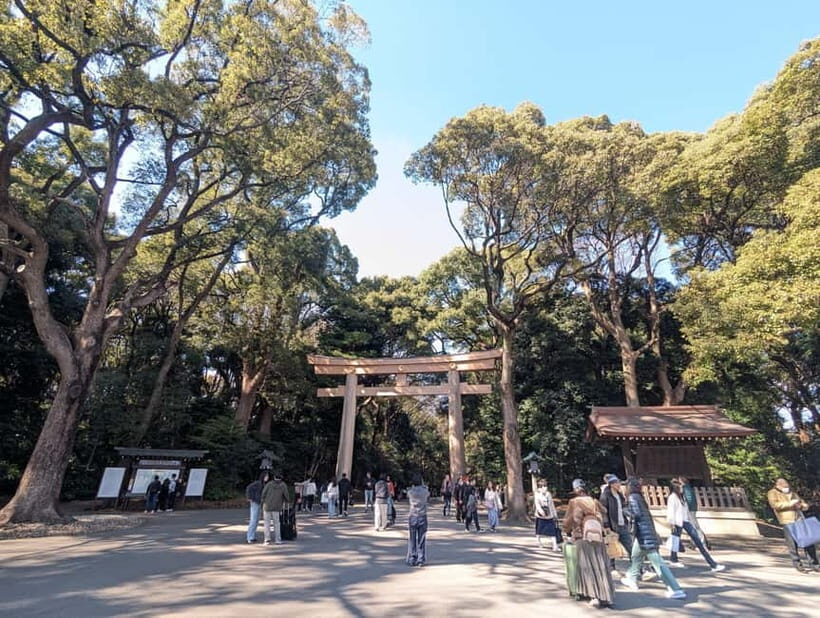
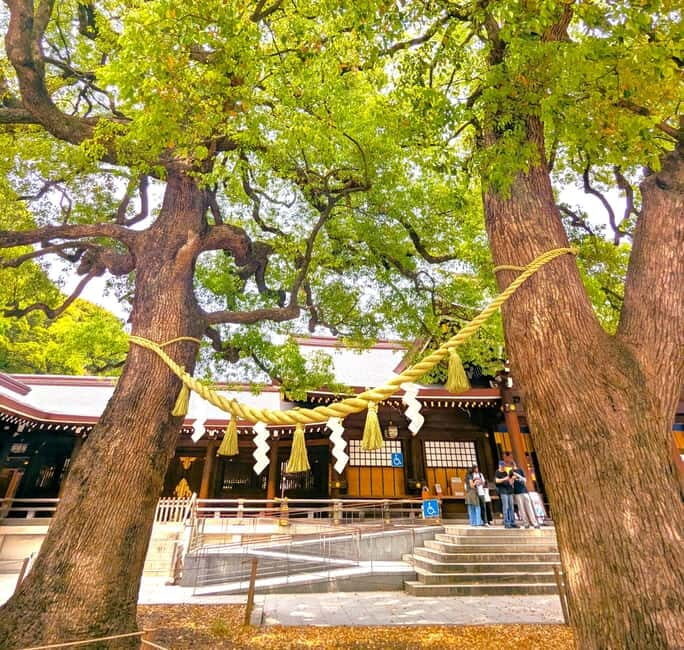
If Shibuya and Harajuku hit you like a wave, Meiji Shrine is the pause button. The route goes through tree-lined streets of Omotesando, then past the distinctive Tokyu Plaza Omokado building, and then arrives at Meiji Shrine.
Meiji Shrine is described as a power spot with the largest number of visitors in Japan. It enshrines Emperor Meiji, who thought widely about building a nation for a new era, and Empress Shoken, who encouraged women’s education and devoted herself to philanthropic and charitable work.
This matters because it changes how you interpret the day. Up to this point, you’re seeing shopping, street style, and pop culture energy. Then you step into a place that’s bigger than trends. If you’re the kind of traveler who needs variety, this contrast is the tour’s strongest emotional balance.
The schedule includes a photo stop plus a visit time that feels like the “longer breath” moment of the whole itinerary.
Takeshita Street: Pop Culture Payoff and What to Expect
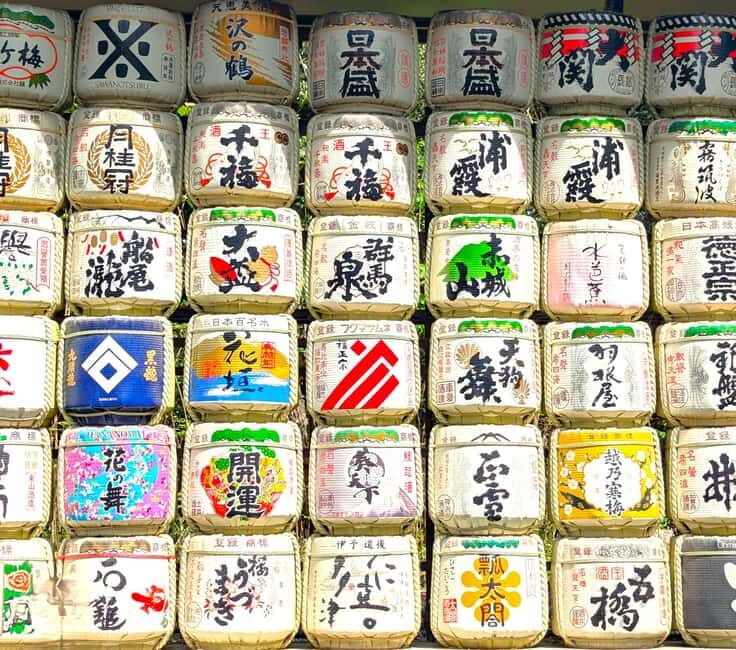
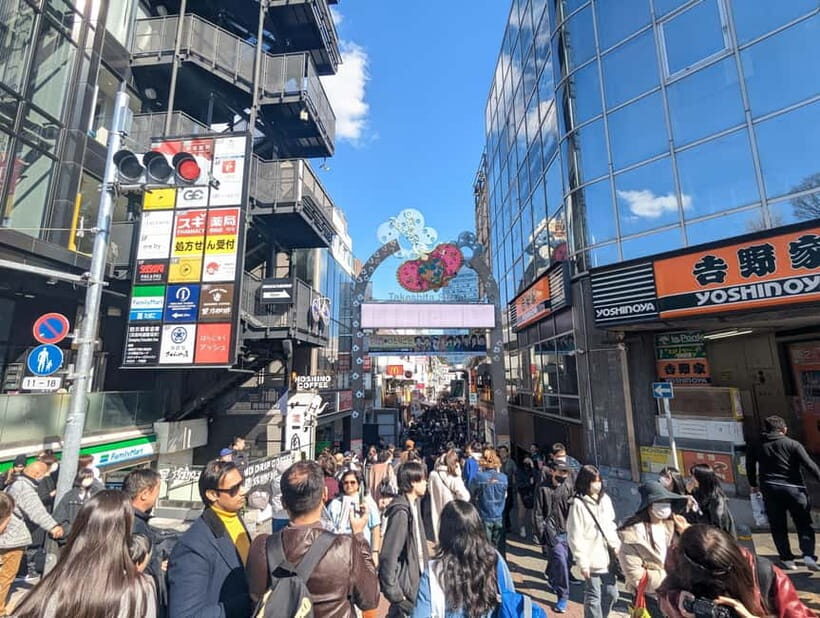
After Meiji, the tour heads to Takeshita Street, around a 15-minute shopping and walk stop. Takeshita is described as the birthplace of Japanese pop culture, so it’s naturally louder, cuter, and more merchandise-focused than the areas before it.
You can expect lots of character items and cute miscellaneous goods. The schedule also mentions crepes, plus things like rare pig cafes and otter cafes. You might not have time to enter every themed place, but you can still pick up souvenirs that match the tone of the day.
Here’s the practical way to enjoy Takeshita Street: don’t try to see everything. Choose one lane to walk, pick one food or snack you actually want, and keep moving. The short time window is a feature, not a bug. It lets you experience the “pop culture burst” without draining your energy.
Shibuya Scramble Square and the Sky Deck: The Fun Ending and the Ticket Reality
The tour finishes with a drop-off at Shibuya Scramble Square and time to visit the area around Sky Deck. This is the big finale because you get a chance for special photos and videos from above.
But here’s the part you should plan around: Shibuya Sky tickets are not included, booking this tour does not guarantee tickets, and ticket availability varies by time slot. The information also says tickets are sold out about 10 days ahead, and securing them requires a separate procedure. After booking, you’re asked to reply to the operator so they can explain the next steps.
If you cannot get Shibuya Sky tickets, the plan is to redirect you to Togo Shrine or Yoyogi Village. That’s a useful backup, because you still end your day with a worthwhile destination rather than a dead end.
One more practical tip: the Sky Deck reservation can sell out at peak times, so plan your day with buffer and don’t treat this like an afterthought.
Price and Value: Is $193 Worth It for a Private 3-Hour Hit?
The price is $193 per group up to 6 for about 3 hours. That pricing model can be a bargain if you’re traveling with two to six people, because the cost doesn’t jump per person like many “private” tours do.
At full group size, you’re roughly in the $32 per person range. Even if you’re only a duo, it still works out if you value a guide who can handle logistics and crowd timing. You’re paying for someone to connect the dots between famous landmarks and the smaller street moments you might miss.
The “value” isn’t just sightseeing. It’s also the guide concierge approach. You get direction on where to stand for photos and what to prioritize, plus a special photo service intended to preserve your travel memories.
And if language is a concern, this tour lists a wide selection of guide languages, including English, Japanese, Korean, Spanish, Turkish, and many others. That’s reassuring when you’re moving through fast-paced areas where confusion can slow you down.
Who This Tour Suits Best (And Who Should Think Twice)
This tour fits you if you want a concentrated Shibuya day with iconic stops and a cultural reset, and you don’t want to spend the whole day navigating transfers. The itinerary is especially good for first-time visitors who feel overwhelmed by the sheer size of Shibuya and Harajuku.
It also works well for couples, small families, and groups of friends who want to move together and keep photos from turning into a stressful mess. The private group format helps a lot here.
You might want to reconsider if you expect lots of free time for browsing without time limits. The schedule is built for momentum, and the stops are timed. If you’re the type who wants to linger for an hour in one shop district, you’ll need to communicate that early so the guide can adjust within the tour’s structure.
Practical Tips to Make the Walk Feel Easy
You’ll walk about 5.5 km, so comfortable shoes are not optional. This is a “city on foot” route, and Shibuya streets can be uneven with crowds and sudden curb transitions.
Check the weather forecast. Tokyo weather can shift quickly, and you’ll be outdoors through several neighborhoods. If it’s rainy, plan for extra waterproofing for your phone and camera gear.
Also, show up a few minutes early at Hachiko. With a busy meeting area, being on time means you avoid that awkward start where everyone is scanning faces.
Should You Book This Shibuya Tour?
Yes, if you want a short, high-impact day that balances famous Shibuya energy with Harajuku style and Meiji Shrine calm. The private group setup, the photo-focused moments, and the Japanese guide concierge style are strong reasons to book.
However, book with the Sky Deck reality in mind. Since Shibuya Sky tickets are not included and can sell out, your best approach is to plan to try for tickets, but also be fine with the backup plan to Togo Shrine or Yoyogi Village. If you treat Shibuya Sky as a bonus rather than a must-do, the rest of the tour still delivers.
If your priority is simply seeing Shibuya’s highlights with minimal stress, this tour is a solid value.
FAQ
Where is the meeting point for the tour?
You meet in front of the Hachiko statue outside Shibuya Station. You should share your clothing color and other characteristics to help the staff find you, and they wear orange collars and name tags.
Is Shibuya Sky included in the price?
No. Shibuya Sky ticket fees are not included. The ticket price varies by time slot.
Does booking the tour guarantee Shibuya Sky tickets?
No. Booking does not guarantee that you will secure Shibuya Sky tickets, and a separate procedure is required to obtain them.
How long is the tour and how much walking is involved?
The duration is 3 hours, and the journey is approximately 5.5 km on foot.
What happens if we cannot get Shibuya Sky tickets?
If tickets are not available, you will be directed to either Togo Shrine or Yoyogi Village.
What languages are available for the live guide?
The tour lists many languages, including English, Japanese, Korean, Spanish, Turkish, and Traditional Chinese, among others.
Are meals and transportation included?
No. Meals, drinks, shopping, and other facility fees, plus transportation costs during the tour, are charged separately.
Can I get a refund if plans change?
Yes. Free cancellation is available up to 24 hours in advance for a full refund.