REVIEW · TOKYO
1.5 Hour VIP Sumo Event in Tokyo
Book on Viator →Operated by BuySumoTickets · Bookable on Viator
In sumo, you learn by getting thrown—gently. This VIP-style session is different because you don’t just sit and watch; you get interactive ring time and a hands-on lesson from former pro wrestlers. For a lot of people, it’s the fastest way to understand what makes sumo more than costumes and comedy.
I especially like how the event starts with clear sumo basics—history, rules, and techniques—then turns that knowledge into practice. You also get a lot of photo opportunities and time to ask questions at the end, which makes it feel less like a show and more like a mini training camp with a story.
One thing to keep in mind: this experience does not include a ticket to the sumo tournament. If you’re going the same day, plan your schedule so you’re ready for the real bouts afterward.
In This Review
- Key things to know before you go
- Ryogoku-area morning schedule that sets you up for the real bouts
- What makes it VIP: getting active, not just watching sumo
- Sumo 101: rules, rituals, and techniques you can use right away
- The ring challenge: what you’re really practicing
- Photos, questions, and etiquette tips that stick
- Price and value: what $114.78 buys in Tokyo sumo time
- Who this VIP sumo experience fits best
- Practical tips to get the most out of your 1.5-hour session
- Should you book this VIP sumo event?
- FAQ
- How long is the VIP Sumo event?
- What time does it start in Tokyo?
- Where is the meeting point?
- Is the event in English?
- Do I need any sumo or wrestling experience?
- What do I actually do during the activity?
- Does the package include a ticket to the sumo tournament?
- What is the group size?
- How old do kids need to be to join?
- Is free cancellation available?
Key things to know before you go
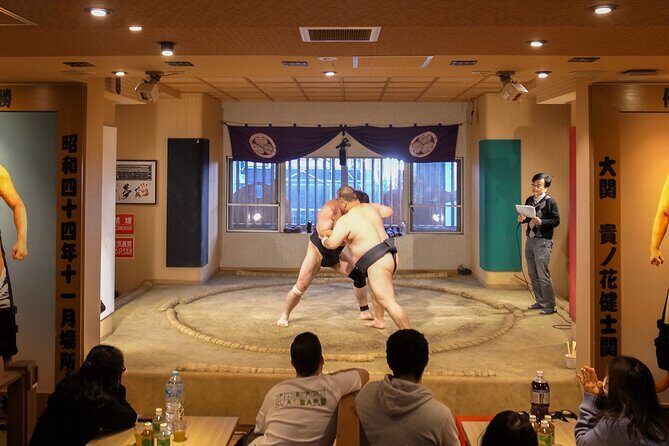
- Small group size (max 20) means more personal attention and a better chance to get your turn in the ring.
- English-speaking instruction makes the rules and rituals easier to grasp fast.
- No prior wrestling experience needed, so you’re not walking in with homework.
- Former rikishi handle the hands-on part, so you learn real training ideas, not just storytelling.
- Lots of photos and a Q&A wrap-up help you connect what you learn to what you’ll see at a tournament.
- Mobile ticket keeps things simple on arrival (just don’t forget your phone).
Ryogoku-area morning schedule that sets you up for the real bouts
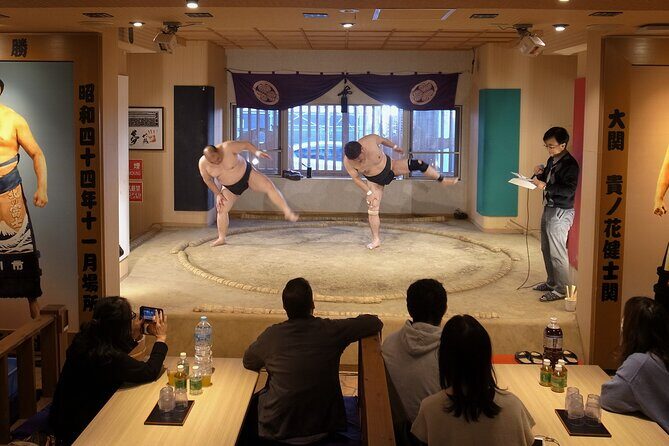
This event runs for about 1 hour 30 minutes, starting at 9:30 am. That timing is smart in Tokyo because you’re not fighting crowds later in the day, and you may still have time to see a makuuchi-style tournament match afterward if you’ve got tickets.
Your meeting point is at 1-chōme-1-2 Kamezawa, Sumida City, Tokyo 130-0014. It’s also described as being near Ryogoku station, which matters because Ryogoku is where you want to be for sumo. If you’ve never used Tokyo transit in the morning, this is a big plus: you can get there without a complicated plan.
How to make the start smoother: treat the meeting spot like a pin-drop moment, not a guess-and-wander situation. One participant reported confusion when directions were hard to follow, while many others praised the clarity. So my advice is simple—use the exact location link tied to your booking and arrive a few minutes early. In this kind of activity, being “close” isn’t the same as being on time.
A few more Tokyo tours and experiences worth a look



What makes it VIP: getting active, not just watching sumo
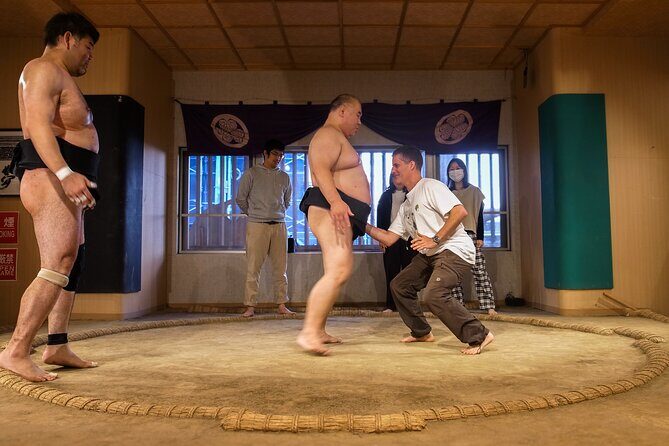
Most sumo experiences in Tokyo boil down to observing and learning secondhand. This one adds a key ingredient: you’ll practice sumo exercises and then get in the ring to challenge a former sumo wrestler. That changes your understanding immediately, because sumo isn’t only about strength—it’s about stance, balance, and timing.
In a group capped at 20 travelers, you’re more likely to get hands-on time rather than waiting your turn for ages. The event is built so everyone can participate, including kids (more on ages below). The format is interactive enough that you should expect to be moving, even if you’re not sporty.
Also, it’s conducted in English, so the rules and technique explanations don’t get stuck behind translation. That matters because sumo has a lot of tradition that can look random until someone connects the dots. If you’re the kind of person who likes to understand what you’re watching, this format fits you.
Sumo 101: rules, rituals, and techniques you can use right away
The session doesn’t start with wrestling. It starts with context—sumo history and cultural significance, plus the basics of the rules and techniques. Expect a clear breakdown of what you’re seeing at a tournament: how matches work, what matters in bouts, and the ideas behind common training movements.
Then you’ll practice. That’s the part I appreciate most: learning becomes physical. You don’t just hear that sumo relies on balance and body positioning. You try exercises that point your body toward the right habits.
Why this is valuable: when you later watch the real tournament matches, you’ll recognize what matters instead of only noticing big moments. You’ll also understand why certain stances, movements, and rituals are part of the sport’s identity, not just decoration.
If you’re visiting with kids, this structure helps too. It gives them a reason to pay attention before they get their own participation moment, and they’re less likely to get restless when there’s an action step every so often.
The ring challenge: what you’re really practicing
Here’s the headline: you get the chance to challenge a former sumo wrestler. The exact style of the interaction isn’t described in detail, but the goal is clear: you’ll practice sumo moves and then take part in a short bout with a trained pro.
Even if you’ve never done wrestling before, you’re not expected to have “experience.” The event explicitly says no sumo or wrestling background is required. That’s important. It means the focus is on learning, not on testing athletic skills.
What you should do to get the most out of this part:
- Bring a willingness to look a little silly. Sumo training in a tourist setting can feel unusual, but it’s meant to be fun while you learn.
- Keep your energy up. You’ll be active, and you’ll learn best if you stay engaged through the exercises.
- Listen during instructions, especially if safety or etiquette is part of the teaching. Sumo has ceremonial rules, and the session includes Q&A at the end, so they want you to understand what’s going on.
There’s also a “human” reality here. One participant felt uneasy about the sport being turned into a tourist-friendly experience. If you’re hoping for a totally serious, no-smiles martial-arts seminar, this interactive, photo-friendly format might not match your expectations. If, instead, you want a fun and structured way to understand sumo culture and technique, this ring time is the reason to book.
Photos, questions, and etiquette tips that stick
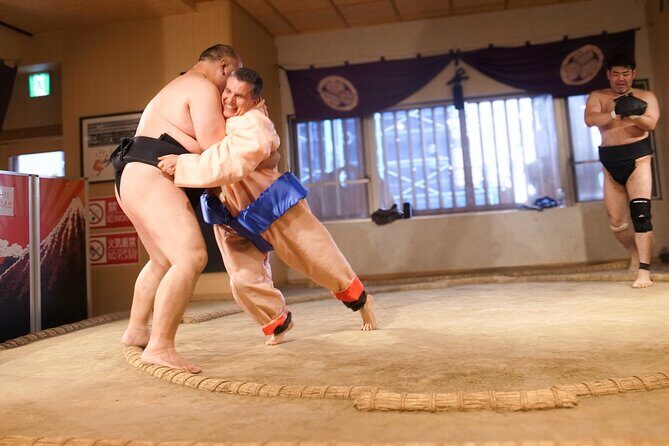
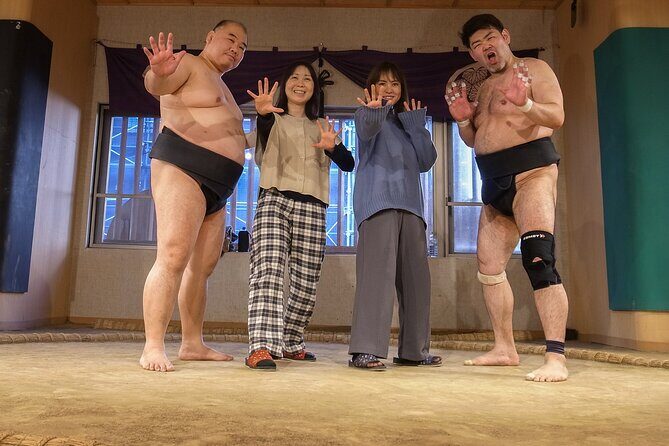
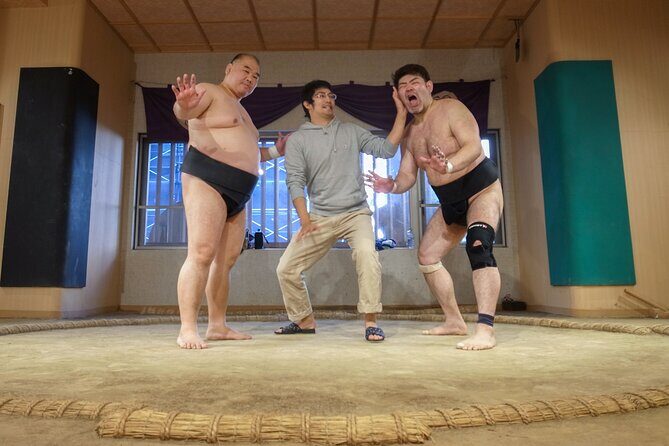
You’ll have plenty of time for photos during the session. That sounds simple, but it adds a practical benefit. When people can take pictures while they understand what they’re doing, it becomes a memory you can actually connect back to sumo techniques and rituals.
Then comes the finishing phase: a question-and-answer session. This is where you get extra value. You can ask about training, rules, or what you’ll notice if you watch sumo in person later. And because the event is conducted in English, you’re not stuck guessing what questions to ask or how to phrase them.
One more plus: etiquette tips. Even if you’re not given a long list of cultural rules upfront, the setup is clearly meant to help you understand the respect behind the sport. That can turn your tournament day from just watching into actually appreciating what you’re seeing.






Price and value: what $114.78 buys in Tokyo sumo time
The price is $114.78 per person, and the average booking window is about 35 days in advance. That might feel steep if you’re comparing it to a cheap seat somewhere. But here’s the value logic:
You’re paying for:
- A guided introduction to rules, history, and cultural meaning
- A training-style session with active participation
- Ring time with former wrestlers
- Photos and an end Q&A
- A small-group format (max 20)
What you’re not paying for:
- A ticket to the sumo tournament (important)
So you should think of this as paying for interpretation and participation, not for tournament access. If you already plan to watch a tournament match, this event can work like a translator for the sport. It turns the afternoon matches into something you understand.
If you’re not going to a tournament at all, it can still be a good morning activity. You’ll leave with enough knowledge to appreciate what you’re seeing if you catch sumo-related footage or videos later, and you’ll have the unique experience of actually trying movements in the ring.
Who this VIP sumo experience fits best
This is a strong fit if you:
- Want something more than a passive viewing tour
- Prefer hands-on learning (you’ll practice exercises, not just watch)
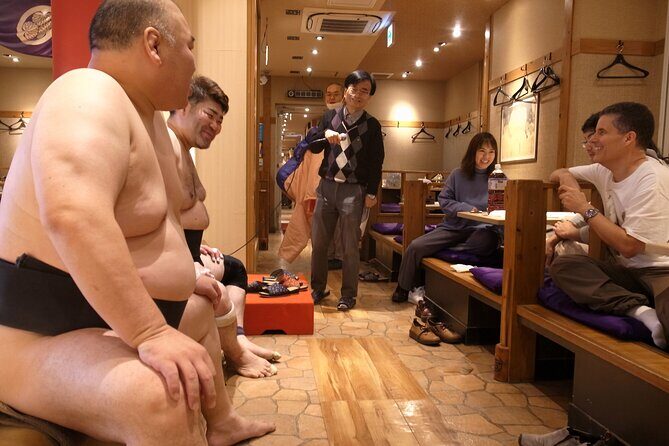
- Like small groups and lots of interaction
- Are visiting with family and want a structured, English-friendly activity
It’s especially good if you’re pairing it with a tournament day. The event is designed so you can walk into the real matches understanding the basics of what matters.
It may be a less perfect fit if you:
- Want a deeply traditional, no-tourist-structure training environment
- Are only interested in tournament access (because the tournament ticket isn’t included)
- Are very sensitive to how tourist activities sometimes simplify sports for visitors
Practical tips to get the most out of your 1.5-hour session
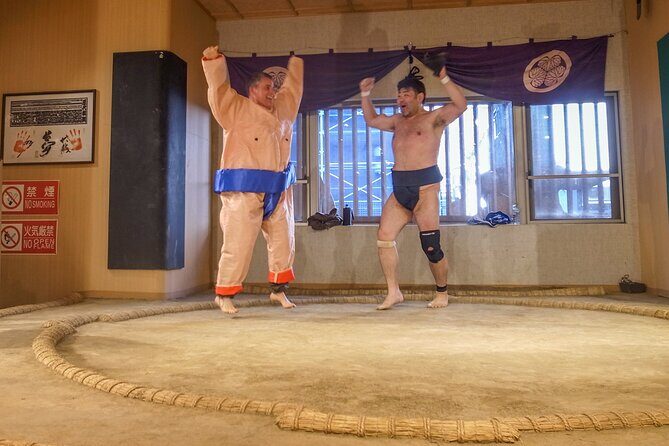
Since you’re active, plan for it. The experience includes training exercises and time in the ring, so wear something that lets you move freely. You might also want to bring water, but the event details don’t specify refreshments—so just plan normally for morning activity.
Bring:
- Your mobile ticket (and keep your phone charged)
- A willingness to follow instructions closely, especially around where to meet and how the session runs
And do this one simple thing: before you go, check the pin-drop meeting location and give yourself enough time to arrive. Tokyo is easy to navigate, but a timed activity is still a timed activity.
Should you book this VIP sumo event?
I’d book it if you want the best mix of culture + training + participation in a short morning slot. For most people, the standout payoff is the combination of sumo basics (history and rules) with the real highlight: getting into the ring and taking part in a challenge guided by former professionals. The small group size and lots of photo and Q&A time make it feel worth the price when you look beyond just “watching sumo.”
Skip it if your main goal is tournament entry, because it doesn’t include tournament tickets. Also consider your expectations about format. This is interactive and tourist-friendly by design. If you want a solemn, strictly athletic training-only experience, you might feel differently.
If you do book, plan for a respectful attitude and follow the meeting instructions exactly. That’s how you turn a potentially awkward experience into a genuinely fun, educational morning.
FAQ
How long is the VIP Sumo event?
It runs for about 1 hour 30 minutes.
What time does it start in Tokyo?
The start time is 9:30 am.
Where is the meeting point?
Meet at 1-chōme-1-2 Kamezawa, Sumida City, Tokyo 130-0014, Japan, near Ryogoku station.
Is the event in English?
Yes, the event is conducted in English.
Do I need any sumo or wrestling experience?
No. No sumo or other wrestling experience is necessary.
What do I actually do during the activity?
You’ll learn about sumo’s rules, techniques, and history, practice sumo exercises, and then get in the ring to challenge a former sumo wrestler. There are also photo opportunities and a Q&A at the end.
Does the package include a ticket to the sumo tournament?
No. The experience does not include a ticket to the sumo tournament.
What is the group size?
The activity has a maximum of 20 travelers.
How old do kids need to be to join?
Children must be at least 5 years old. Kids must be registered and paid for the event.
Is free cancellation available?
Yes. You can cancel up to 24 hours in advance for a full refund.