REVIEW · TOKYO
Tokyo Tsukiji Food & Culture Private Tour Licensed Guide
Book on GetYourGuide →Operated by JGA Inc. · Bookable on GetYourGuide
Markets can change your whole Tokyo mindset. This private, licensed food-and-culture walk turns Toyosu and outer Tsukiji into something you can actually understand and enjoy, with stops that mix shopping, street bites, and local context. What I like most is the private guide format, which keeps the pace human (and lets you choose the sites), and the way guides connect what you eat to how Tokyo works. You might even get a style like Katsu or Fumiko—praised for food tastings and clear cultural explanations—or someone like Kenji Kasama, who’s specifically commended for guiding people smoothly on public transport. One thing to consider: food, drinks, and transit costs are on you, and the day runs rain or shine, so you’ll want to dress for cold, wet conditions.
On a 6-hour option, you’re looking at about 3 to 4 sites, which is perfect if you want variety without doing an all-day sprint. The tour also meets you for pickup and starts from your hotel lobby or a train station you request, then continues on foot in Tokyo’s 23 wards. The potential drawback is simply scope: it’s built for walking and tasting decisions, so if you’re hoping for lots of indoor sightseeing time, you’ll likely want to plan your expectations accordingly.
In This Review
- Key highlights at a glance
- Toyosu and Outer Tsukiji: The Tokyo Market Beat
- Asakusa Street Food and Ueno Ameyoko: Shopping With a Stomach
- Kappabashi Kitchenware Street and the Fake-Food Craze
- How the 4- and 6-Hour Options Work in Real Life
- Public Transport Support and the Pace of Walking Days
- Price and Logistics: Is $141 Good Value?
- What the Best Guides Do: Tastings, Patience, and Real Answers
- Who This Tour Fits Best (and Who Might Pass)
- Should You Book This Tokyo Tsukiji Food & Culture Private Tour?
- FAQ
- How long is the Tokyo Tsukiji Food & Culture private tour?
- Which areas does the tour include?
- Can I customize which stops I want?
- Is food and drink included in the price?
- Do I have to pay for transportation during the tour?
- What languages are the guides available in?
- Is the tour wheelchair accessible?
Key highlights at a glance
- Toyosu + outer Tsukiji in one day, so you see Tokyo’s market world from more than one angle
- Private, government-licensed English-speaking guidance that helps you read what you’re seeing
- Choose your own mix of stops, from Kappabashi kitchen shops to Tsukishima monja and Yanaka croquettes
- Efficient pacing: 4 hours usually hits 2 to 3 sites, while 6 hours adds a 3rd or 4th area
- Strong feedback on guide navigation, including help with train cards and getting around safely
Toyosu and Outer Tsukiji: The Tokyo Market Beat
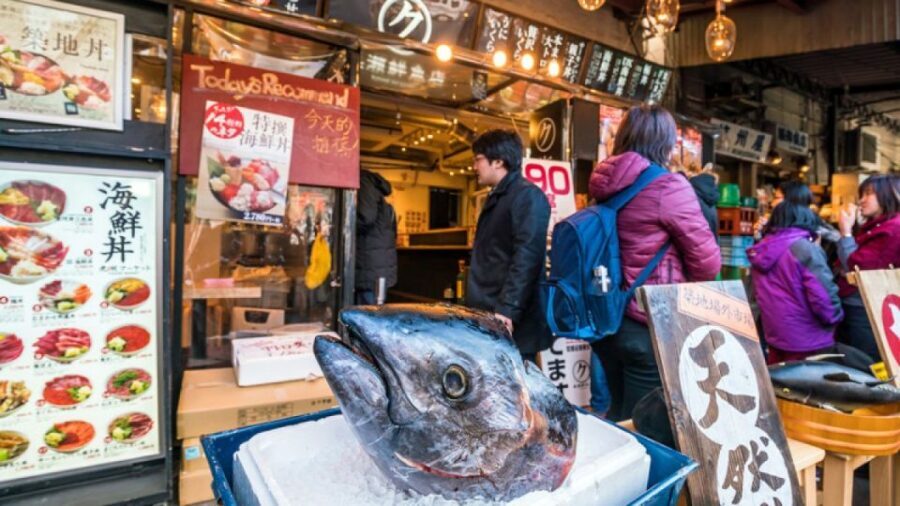
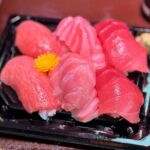
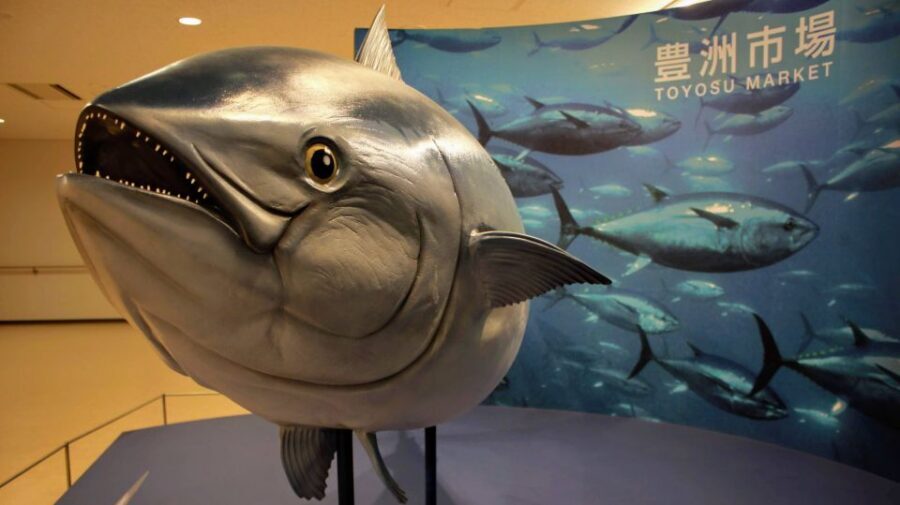
If you want Tokyo food without guessing, this is a solid way to do it. You start with two market zones that many first-timers only see from the outside, then you move through the stalls and streets with a guide who can explain what you’re looking at and how to handle the flow.
At Toyosu and outer Tsukiji, the big value is decision-making support. Markets move fast, menus can be confusing, and you don’t want to waste time standing in the wrong line or misunderstanding what to order. A well-rated guide (names that show up often in feedback include Katsu and Yoshii) is praised for connecting the dots between items you can buy and the culture behind them—so your shopping feels purposeful, not random.
There’s also a practical edge. The tour is designed as a guided walking experience with an English-speaking, licensed local guide, which matters when you’re surrounded by Japanese-only signage and staff who are busy doing the job, not translating for tourists. You’ll get context fast, then you can spend your attention on taste and browsing.
One heads-up: you’re walking in market areas, and weather can make a big difference. Even with a great guide, a rainy morning can feel colder than you expect. I’d plan layers, bring a small umbrella if you use one, and keep your shoes comfortable enough for a long, steady day.
You can also read our reviews of more food & drink experiences in Tokyo
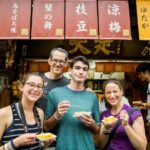
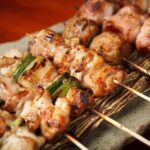
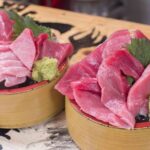
Asakusa Street Food and Ueno Ameyoko: Shopping With a Stomach
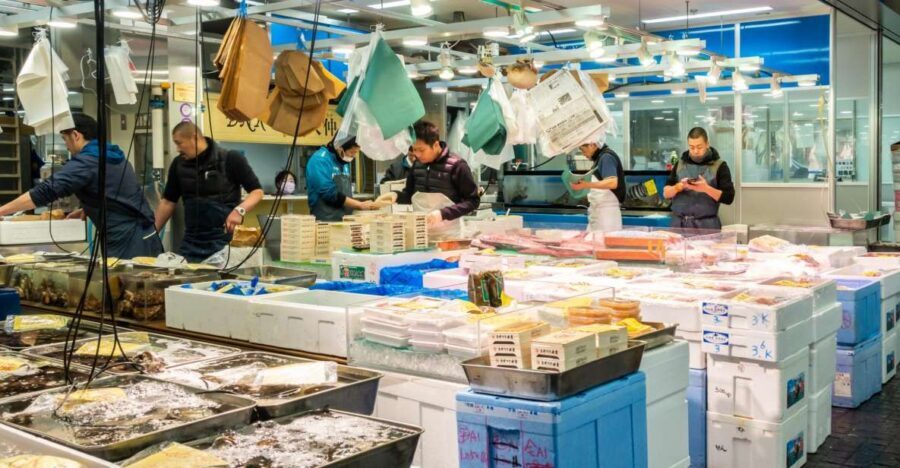
After the market start, the tour shifts toward the kind of Tokyo that eats as you walk. Asakusa shopping street is included as a stop built around authentic street food vibes and easy browsing, and it’s a great complement to the more focused market zones. If Toyosu and outer Tsukiji help you understand ingredients and seafood culture, Asakusa helps you understand the everyday snack side of Tokyo.
Then you can layer in Ueno’s Ameyoko and Kappabashi, which is where the day starts to feel like a food lover’s scavenger hunt. Ameyoko is a shopping-focused area that works well for people who want variety—something small to try now, and something to take home later. And since the tour is private, you can slow down at the stalls that match your interests instead of getting dragged through a fixed script.
Kappabashi and Ameyoko also work because they extend the food theme beyond eating. You’re not just buying snacks; you’re learning how Tokyo thinks about food tools, presentation, and everyday cooking. That’s a big difference from tours that treat markets as a sightseeing checklist.
You also have options to customize with other neighborhood food stops like Tsukishima’s monja street (great if you like savory, griddle-style comfort food energy) or Yanaka Ginza, known in the tour context for croquettes. If you have a favorite local-style food, this is where customization becomes more than a marketing line—it’s how you shape a Tokyo day that feels personal.
Kappabashi Kitchenware Street and the Fake-Food Craze
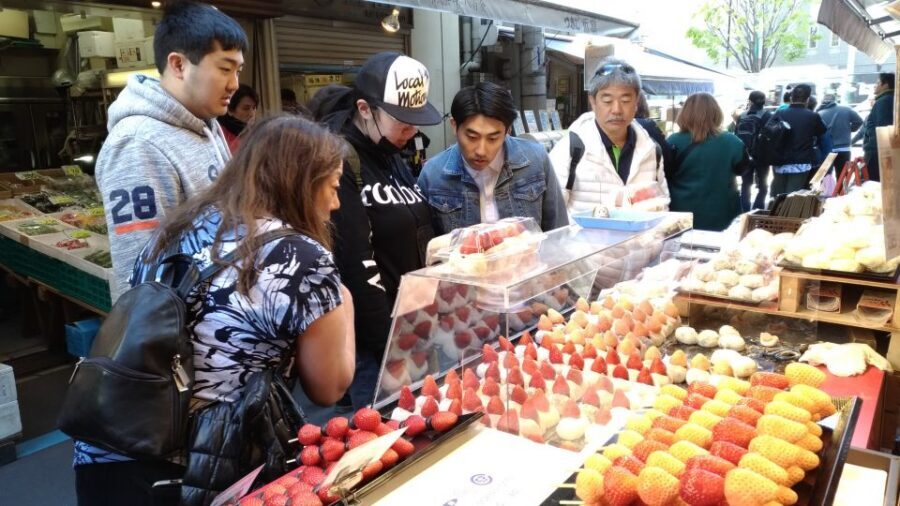
Kappabashi is included for a reason: it’s where Tokyo’s food culture shows up in objects. The tour calls it Japan’s kitchenware wonderland, with kitchen supply shops and fake food samples. Even if you’re not planning to buy knives or cookware, fake food displays are one of the fastest ways to understand Japanese attention to detail.
This stop is also great for value. You can treat it like a shopping street for practical kitchen items (things that might be hard to source casually at home) while also enjoying the visual culture of food replicas. It’s the kind of place that turns into a souvenir hunt, but it still connects back to the theme of cooking and eating.
If you want a “food tour that doesn’t end with just one meal,” Kappabashi helps. It gives you a chance to bring Tokyo’s food mindset back with you, not only your photos.
How the 4- and 6-Hour Options Work in Real Life
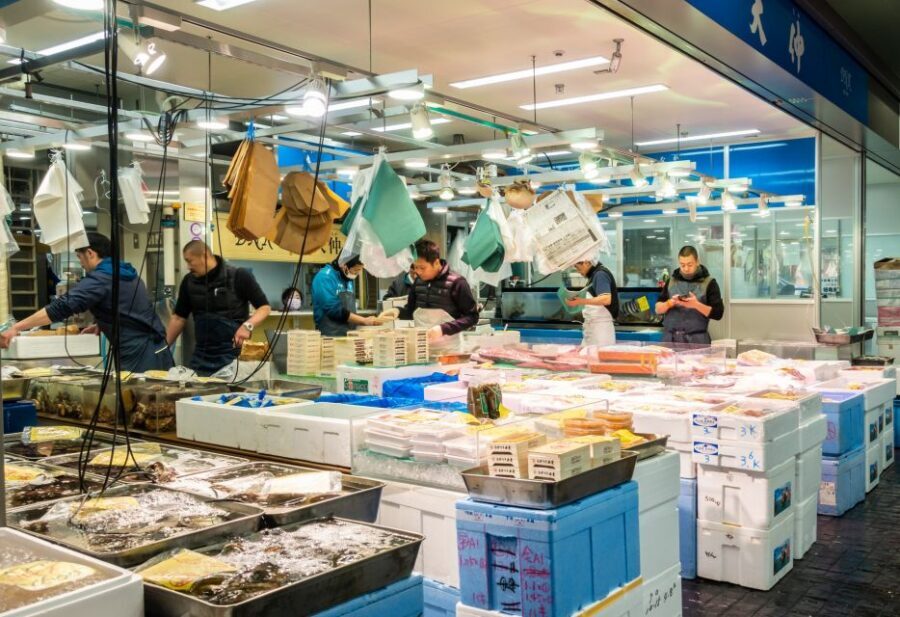
This tour is designed to be efficient without feeling like you’re being herded. On a 4-hour version, you’ll typically see 2 to 3 sites. On a 6-hour version, you can see 3 to 4 sites, which is where the experience starts to feel less rushed and more like a full day of eating and shopping with context.
The tour also runs as a private group, which changes everything about pacing. You’re not stuck with a speed that doesn’t match your energy level. If you want time to talk, browse, or ask questions, a private guide gives you room to do it.
One smart feature: you can inform your guide after booking about which sites you want to see from the list. That means Toyosu vs Tsukiji outer market, kitchen shopping at Kappabashi, street-food energy in Asakusa, and optional areas like Yanaka Ginza can become a customized day rather than a generic route.
Pickup matters too. Your guide will meet you in your hotel lobby or at your requested train station, about 10 minutes before the pickup time, and then you set off on foot. The tour is stated as wheelchair accessible, which is a plus if you need mobility support for walking segments.
Public Transport Support and the Pace of Walking Days
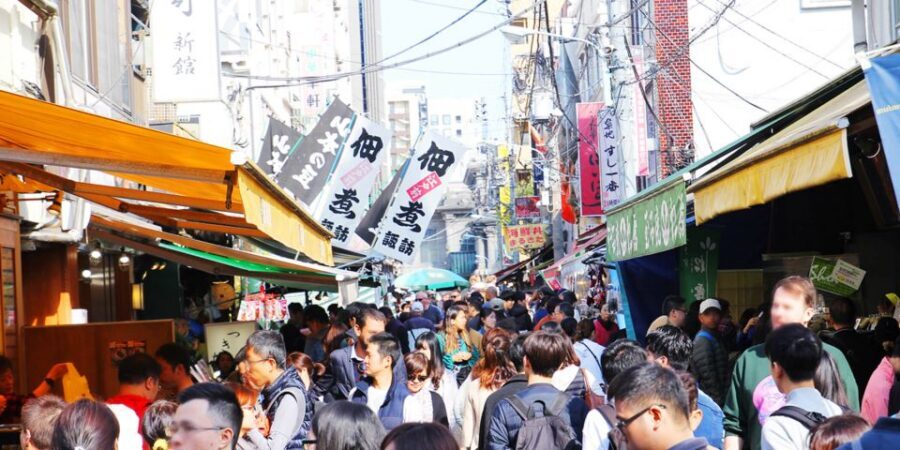
A private Tokyo day can either feel effortless or exhausting, depending on whether you can move through the city confidently. This tour is set up with public transportation (or taxis) at your cost, and the guide handles the “how do we get there and where do we stand” part.
That’s not a small deal. One review example highlighted a guide helping with train cards and explaining how to buy and use them, which is exactly the kind of stress that can drain a Tokyo morning if you’re doing it alone. Another praised guide for patiently leading people on public transport safely, which suggests the route planning is part of what you’re paying for.
The other pacing factor is logistics on foot. Since it’s a walking tour inside Tokyo’s 23 wards, you should expect continuous movement between areas. I recommend planning for steady walking rather than short bursts, and choosing shoes you can wear all day.
One more reality check: transportation fees are not included. The tour covers the guide and the time, but you’ll pay transit during the day. Food and drinks also aren’t included, so the best budgeting approach is to set aside a daily snack-and-shopping amount on top of the tour price.
A few more Tokyo tours and experiences worth a look

Price and Logistics: Is $141 Good Value?
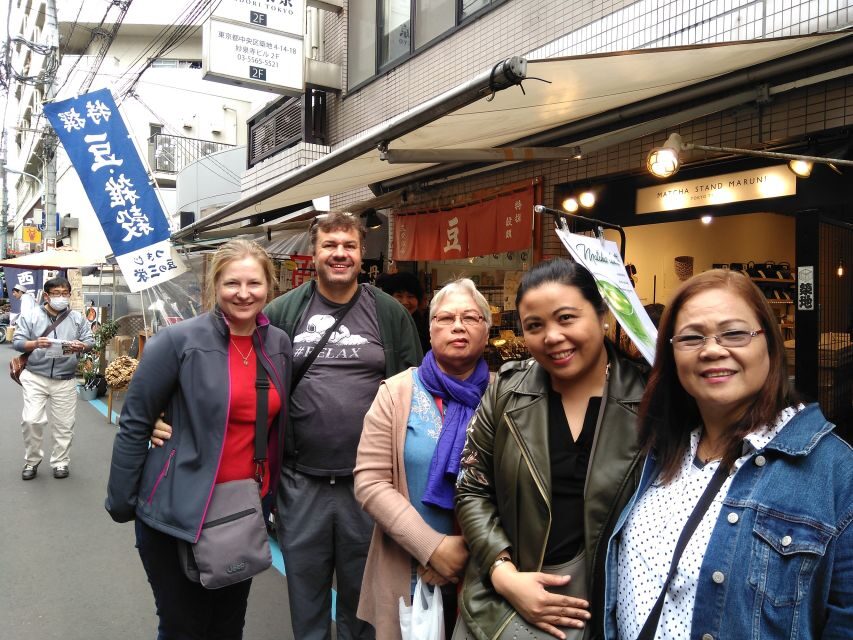
At $141 per person for 6 hours, this tour lands in the “worth it if you’ll use it” category. You’re not paying for a list of sightseeing stamps. You’re paying for a licensed local guide, a private routing plan, and guidance through markets and shopping streets where reading the details matters.
Here’s how the value math works. You get:
- A private guide (so your time doesn’t get wasted waiting for a group to decide)
- Market and neighborhood stops that connect food to culture
- The ability to choose sites ahead of time
- A route paced for about 3 to 4 sites in a day
And here are the costs you still control:
- Food and drinks are not included
- Entrance fees are not included
- Transportation during the tour is paid separately
So the price is best when you’ll actually buy and try things during the walk. If you want to eat like a Tokyo foodie—small bites, tastings, and some take-home shopping—this style matches your goals. If you only want to watch and take photos, you may feel the spending is high compared to your intended consumption.
Also consider weather and timing. The experience takes place rain or shine, and Tokyo markets can be cold when it’s wet. When conditions are rough, a good guide’s route choices and quick explanations become more valuable, not less.
What the Best Guides Do: Tastings, Patience, and Real Answers
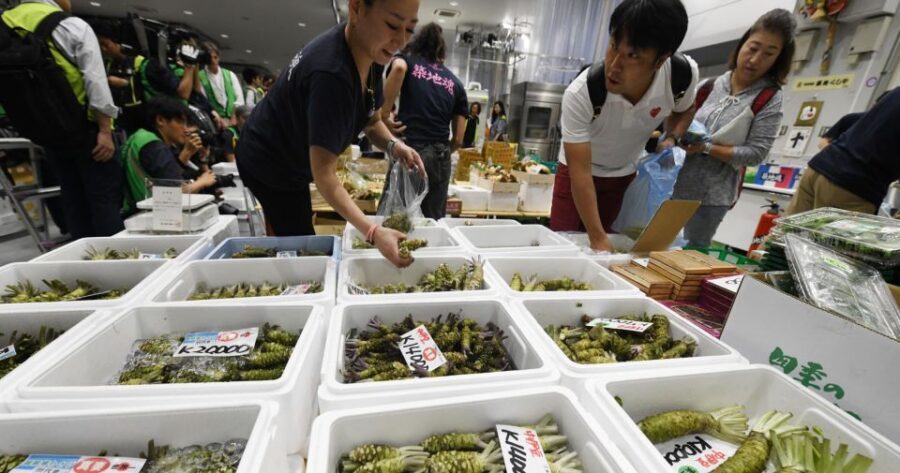
The tour’s reputation is strongly tied to guide quality, and you can see patterns in the feedback names and comments. Guides like Katsu (often mentioned with high praise), Fumiko, and Kenji Kasama are credited with in-depth explanations and well-optimized pacing. That lines up with what you want in this kind of tour: someone who can translate what you see into something you’ll remember.
Patience shows up a lot too. One example praised a guide for being attentive in the middle of a busy market environment, while another highlighted a guide’s ability to adjust plans and still keep the day fun. In practice, that means you’re less likely to get stuck when something changes—long lines, weather shifts, or simple questions like what to order.
You’ll also benefit if your guide can do more than explain food. Some feedback mentions language help for shopping (like knowing how to ask correctly), and that can be the difference between buying something that makes sense and buying something you can’t use at home.
Finally, safety and punctuality come up. Multiple comments mention punctual pickup and confident guidance, including walking-heavy days. In a city where it’s easy to misread directions, that’s a genuine quality-of-life improvement.
Who This Tour Fits Best (and Who Might Pass)
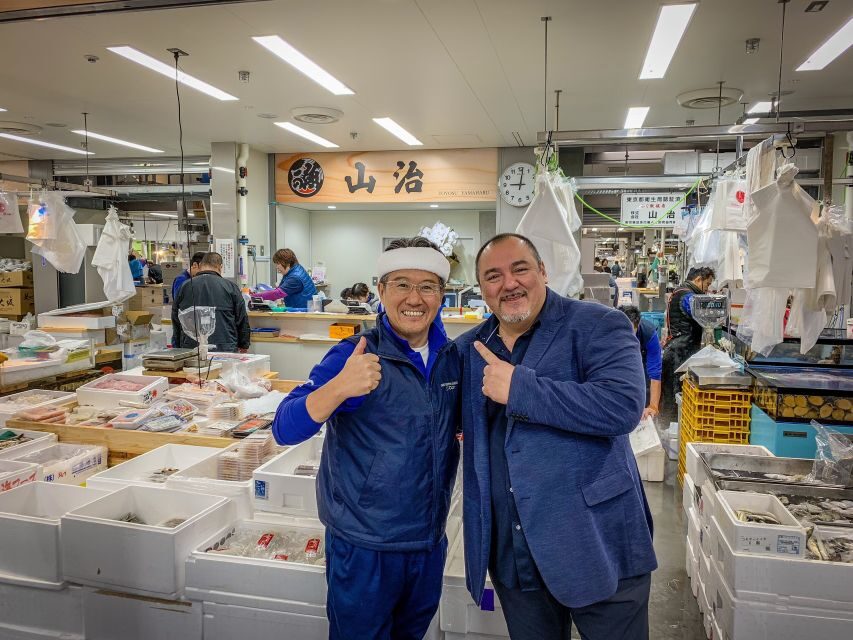
This is a great fit if you:
- Want Tokyo food with context, not just a list of places
- Prefer a private day so you can choose sites and move at your pace
- Enjoy shopping tied to your interests, especially kitchenware and market browsing
- Want help navigating the city, especially the public transport parts
It might be less ideal if you:
- Don’t want to spend extra on food, drinks, or transit
- Have very limited mobility for walking segments (even though the tour is stated wheelchair accessible, you still need to manage movement through market areas)
- Want mostly indoor, sit-down time and minimal walking
If you’re in the middle—curious, hungry, and okay with some walking—this tour style is a strong match.
Should You Book This Tokyo Tsukiji Food & Culture Private Tour?
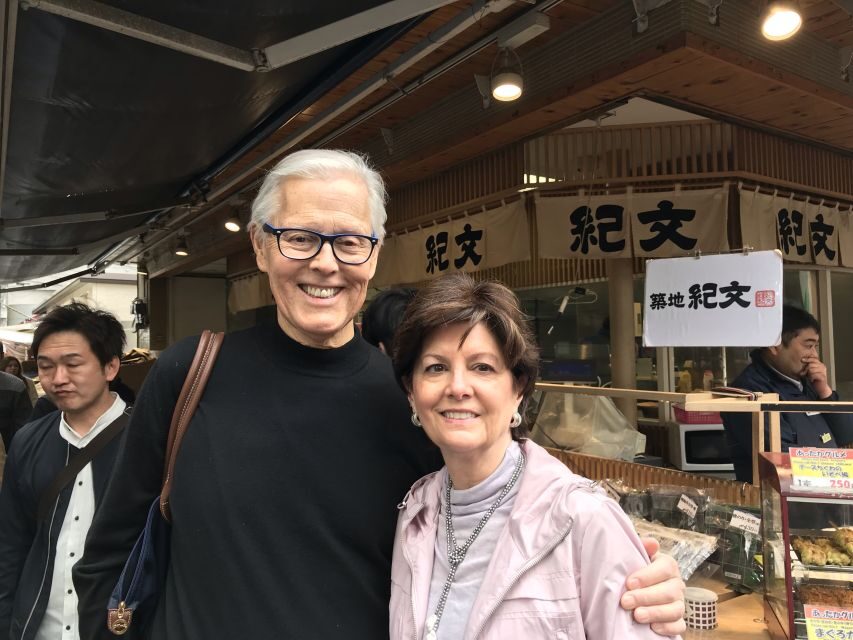
I’d book it if you want a Tokyo day that feels guided but still flexible: market first, then street-food and shopping areas, then optional add-ons like monja or Yanaka croquettes. The private licensed guide piece is the main reason this works, because it turns market chaos into smart choices and better meals.
I would hesitate only if your goal is low-spend sightseeing or you dislike weather-dependent walking. In that case, you’d be better off with a shorter, more indoor-focused plan.
If you’re a food shopper, a first-timer who wants the city translated, or someone traveling with limited time and big curiosity, this is the kind of tour that helps you leave Tokyo with more than photos. You leave with practical tastes, shopping confidence, and a better sense of how the food world connects across neighborhoods.
FAQ
How long is the Tokyo Tsukiji Food & Culture private tour?
The tour is offered as either a private 4-hour or private 6-hour experience. On a 6-hour option you can generally see 3 to 4 sites, while the 4-hour option is typically 2 to 3 sites.
Which areas does the tour include?
It covers Tokyo’s two famous fish markets (Toyosu and the outer Tsukiji fish market) plus other local areas depending on what you select. Other possible stops include Asakusa shopping street, Ueno’s Ameyoko, Kappabashi Street, Tsukishima’s Monja Street, and Yanaka Ginza.
Can I customize which stops I want?
Yes. After booking, you can inform your guide of the sites you want to see from the listed options. The itinerary can be customized to match your requests and preferences.
Is food and drink included in the price?
No. Food and drink are not included, though the tour is centered on fresh food and tasting opportunities during the walk.
Do I have to pay for transportation during the tour?
Yes. The tour does not include public/private transportation fees during the experience, even though you’ll be guided using public transportation or private taxis.
What languages are the guides available in?
The live tour guide is available in English and Japanese.
Is the tour wheelchair accessible?
Yes. The experience is listed as wheelchair accessible.