REVIEW · TOKYO
Tokyo: Morning Sightseeing Bus Tour
Book on GetYourGuide →Operated by Japan Panoramic Tours · Bookable on GetYourGuide
Tokyo is a lot before 10 a.m. This morning coach tour is built for speed with comfort, taking you to major hits like Meiji Jingu and Asakusa in just 210 minutes. I like that you get a live English guide plus multilingual audio headsets, so you’re not stuck guessing what you’re seeing, and you also stop for an authentic matcha experience. One thing to keep in mind: it’s a bus-first plan, so some sights are photo stops and the schedule can feel tight if traffic runs slow.
The best part is how this tour mixes classic Tokyo with a couple of very practical details that make your time easier. You learn basic shrine etiquette, then you get real time in Asakusa for Nakamise shopping and photos at Kaminari-mon (the big red lantern). If you hate group pacing or want a long, slow stroll at every stop, this may feel a little structured for your style.
In This Review
- Quick hits to know before you go
- A 210-minute Tokyo starter circuit from Shinjuku or Ginza
- Meiji Jingu: the sacred forest stop that changes the whole tone
- Harajuku and Omotesando from the bus: fashion, design, and big-city pace
- Imperial Palace photo time and the Outer Garden choice
- Akihabara, Ueno, and Kappa-Bashi: Tokyo’s personality in passing
- Asakusa and Sensō-ji: where the tour lets you take control
- The Uji matcha experience: what you’re actually paying for
- What the English guide and multilingual audio really do for you
- Price and value: when $90 feels fair and when it doesn’t
- Who should book this Tokyo morning bus tour
- Should you book this Tokyo morning bus tour?
- FAQ
- How long is the Tokyo morning sightseeing bus tour?
- What time does the tour start, and where does it begin?
- When and where does the tour end?
- Is there a live guide, or is it mostly audio?
- What matcha is included, and can I choose alternatives?
- Is Wi‑Fi provided on the coach?
- What should I wear or bring?
Quick hits to know before you go
- 12 top Tokyo sights squeezed into one efficient morning route, including Meiji Jingu and Imperial Palace photo time
- Shinto shrine etiquette explained so you know how to participate respectfully at Meiji Jingu
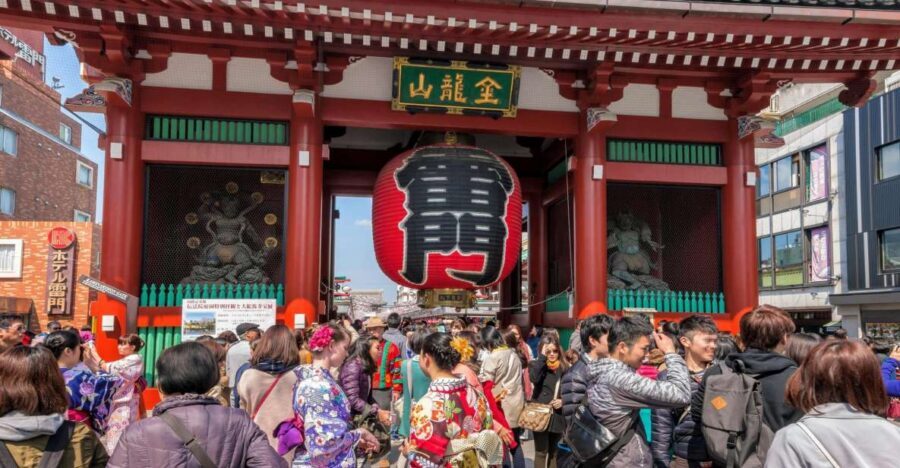
- Asakusa time you control: shop Nakamise, snap Kaminari-mon photos, and spend extra time around Sensō-ji
- Uji matcha experience included, with an ichibancha-style premium “not bitter” matcha option
- On-bus comfort: air-conditioned coach, free Wi‑Fi, and antibacterial coating plus regular ventilation
- Guide support: an English-speaking live guide and multilingual audio headsets (Spanish, French, Italian, German, Portuguese, Ukrainian)
A 210-minute Tokyo starter circuit from Shinjuku or Ginza
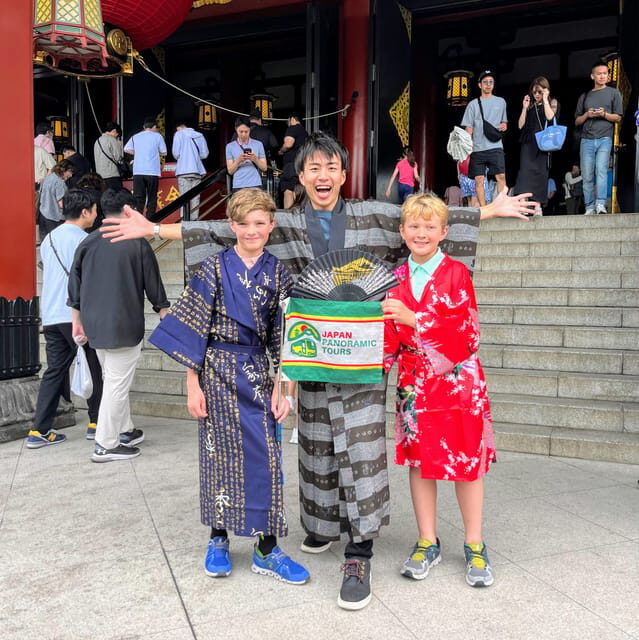
This is one of those tours that works because it respects your morning energy. You start around 8:00 a.m. in central Tokyo, either at the Shinjuku Love statue area or via pickup from Ginza near the Robert Indiana LOVE sculpture (the exact meeting point can change by option). Then you finish in Asakusa at Sensō-ji, so you can keep going after the tour without having to re-route.
In real terms, 210 minutes is short enough to feel manageable and long enough to see serious landmarks. The coach helps you cover huge distances and traffic bottlenecks without burning half a day on trains and transfers. You’ll still feel the rhythm of a group schedule, though, and bus time will always be bus time.
Also, think about luggage. You’ll handle loading and unloading luggage from the trunk yourself (including strollers or wheelchairs), so bring a bag you can manage quickly.
A few more Tokyo tours and experiences worth a look

Meiji Jingu: the sacred forest stop that changes the whole tone
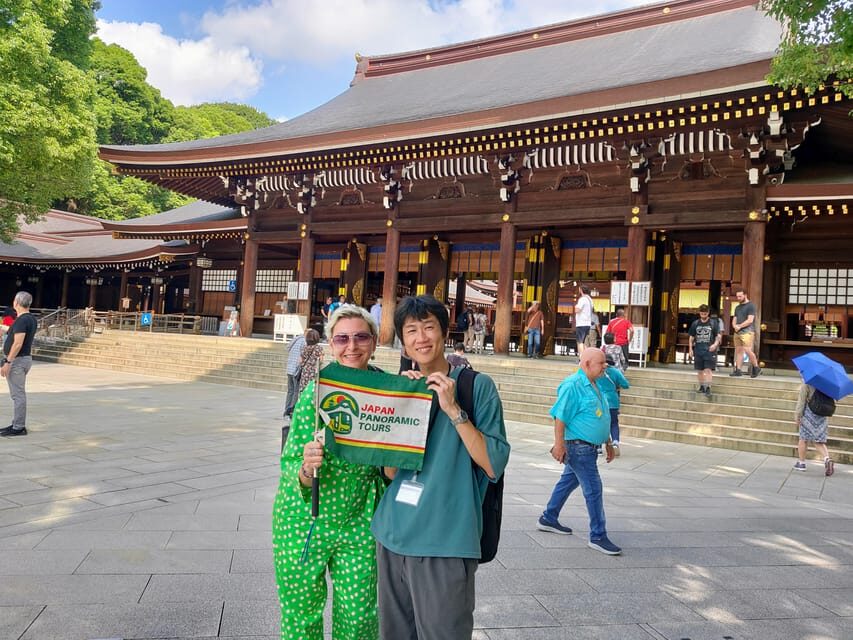
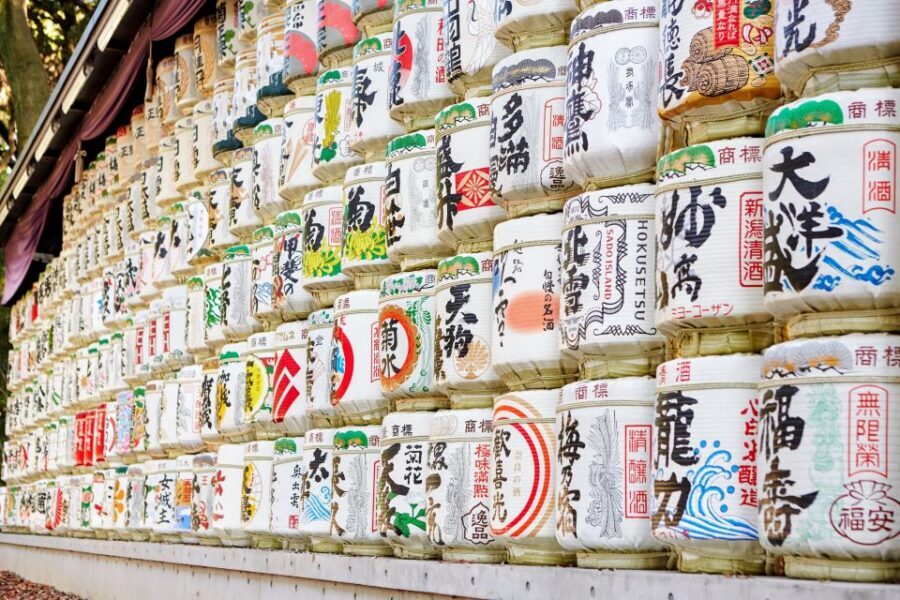
The first major site is Meiji Jingu Shinto Shrine, a shrine built in 1921 for Emperor Meiji. What hits you fast is the contrast: you’re in Tokyo, then the coach delivers you into a forest-like setting that feels far calmer than the streets around it.
This stop matters because it’s not just sightseeing. The tour explains the traditional way of visiting a Shinto shrine, so you can participate thoughtfully instead of doing random motions that look awkward later. If you care about cultural context, this is one of the best value moments on the whole route.
Practically, I’d treat this as your “reset” stop. Take a breath, slow your pace, and let the change in atmosphere land. Then you can enjoy the rest of Tokyo without feeling like you’re sprinting from one landmark to the next.
Harajuku and Omotesando from the bus: fashion, design, and big-city pace
After Meiji Jingu, the tour passes through areas that define modern Tokyo’s style. You’ll go by Takeshita Avenue (Harajuku’s pop culture hub) and then by the Omotesando shopping district. You may not get a long walk here, but the bus window view is a useful way to orient yourself, especially if it’s your first time in Tokyo.
You’ll also pass the National Diet Building, the Japanese parliament house, known for its symmetrical design and built in 1936. Even from the road, that kind of geometry makes a photo look “Tokyo official,” not just touristy.
One caution: because this segment is mostly passing, your biggest risk is missing details while you’re looking for a photo. If you want those shots, pick a side of the bus that matches your best view and keep your camera ready.
Imperial Palace photo time and the Outer Garden choice
Next up is Tokyo Imperial Palace. The tour takes you for a photo stop at the Imperial Palace area, which also connects to the past through Edo Castle history. You’ll then visit either the East Garden (traditional Japanese gardens) or the Nijū-bashi Bridge area in the Outer Garden, depending on timing and conditions.
This is the kind of stop where expectations matter. If you want a long, unhurried wander with lots of signage and deep time, you may want to plan a separate visit later. But as part of a morning highlights tour, it does what it’s supposed to do: it gives you a clear first look at the palace grounds and the style of Japanese garden planning.
My advice: bring the right “camera mindset.” Think snapshots and key compositions, then use your extra time in Asakusa to slow down.
Akihabara, Ueno, and Kappa-Bashi: Tokyo’s personality in passing
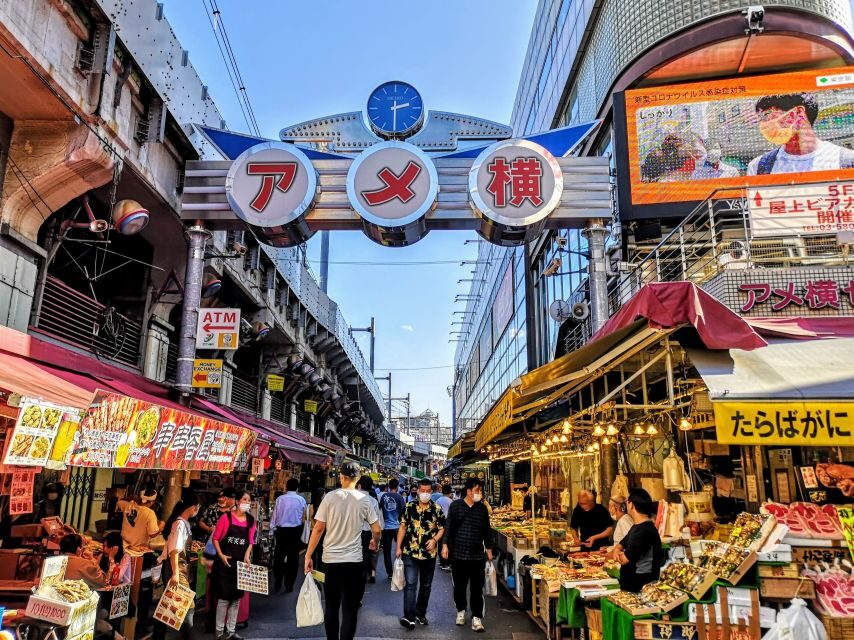
The bus keeps moving through neighborhoods that feel like different worlds. You’ll pass Akihabara, the center of anime and “otaku” culture, which is Tokyo’s high-voltage zone. You’ll also go by Ueno, described as Japan’s oldest park, giving you a sense of how Tokyo blends long-term cultural sites with everyday city life.
One of the most interesting “in-bus” segments is Kappa-Bashi market street. You get to see kitchen items like knives and lots of very realistic food replicas. Even if you don’t shop, the replicas are a fun reality check: Tokyo is practical, and it’s also theatrical.
If you like food and tools, this is worth paying attention to. Food replica craftsmanship can be genuinely impressive, and seeing it in context helps you understand why the city’s restaurant culture looks the way it does.






Asakusa and Sensō-ji: where the tour lets you take control
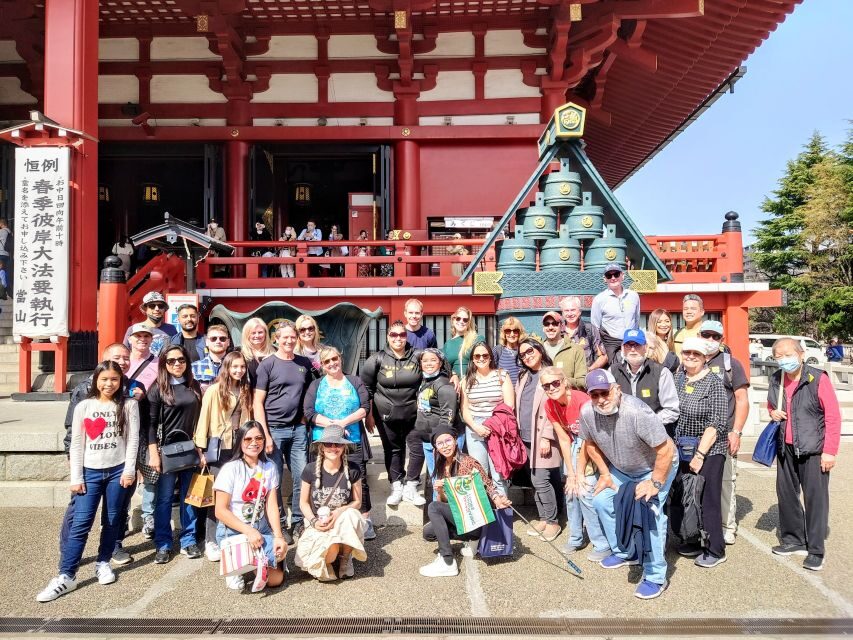
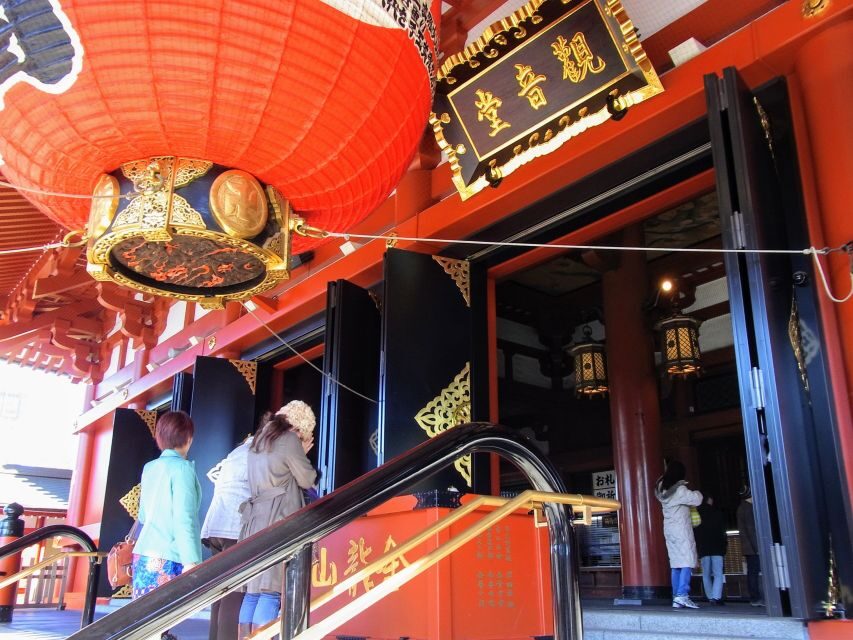
Asakusa is where the morning stops feeling like a checklist and starts feeling like Tokyo. The tour spends time exploring this iconic area, with room for browsing and photos. You’ll walk around Nakamise Avenue, the famous shopping street leading to Sensō-ji, and you’ll also get the classic photo moment at Kaminari-mon Gate with its red lantern.
This is one of the better compromises for a time-limited tour. You don’t just glance and leave. You get to slow down enough to shop, snack, and take meaningful pictures without feeling trapped in a strict route.
When the tour finishes in Asakusa at Sensō-ji, you can extend your day at your pace. That matters because Asakusa is the kind of place where you’ll want extra minutes even after the formal tour ends.
The Uji matcha experience: what you’re actually paying for
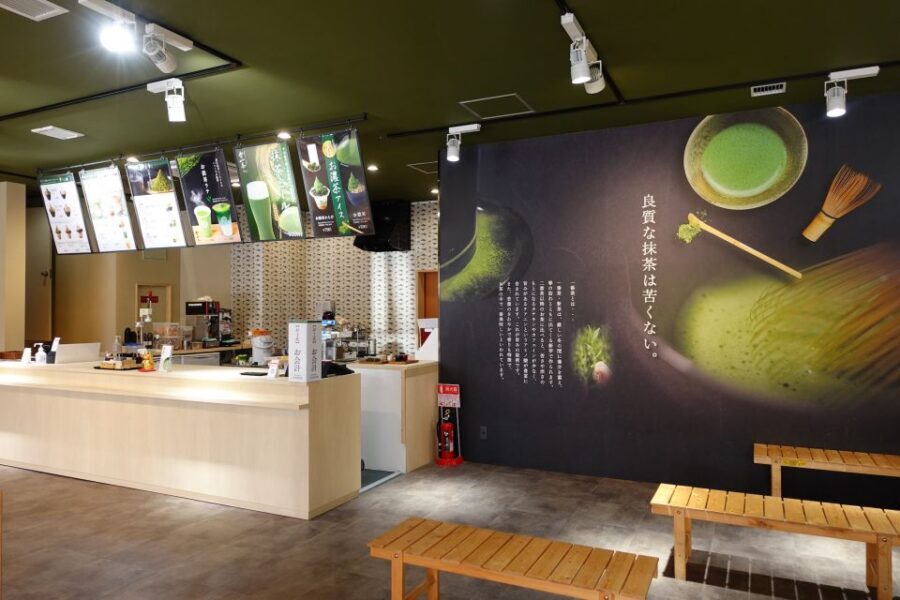
The highlight that many people remember from this tour is the matcha moment at a historical place in Asakusa. The tour offers an authentic Uji matcha experience using “not bitter” premium matcha made with ichibancha (first flush) from Uji, Kyoto. In plain terms, it’s designed to taste smooth and balanced, not harsh.
You’ll have options for sweet matcha gelato or matcha beer, and the tour includes a matcha drink or matcha gelato. That inclusion is part of the value equation here: you’re paying for guided route planning and comfort, and you’re not paying extra for this cultural bite.
There’s also a practical note on timing. The matcha store is closed on May 14, and on that date the tour gives out matcha souvenirs as the matcha experience instead. Plan for that if your dates land around mid-May.
If you take matcha seriously, treat this as your tasting anchor for the morning. Even if you try matcha later in Tokyo, you’ll know what “good first flush” tastes like compared to the sweeter stuff.
What the English guide and multilingual audio really do for you
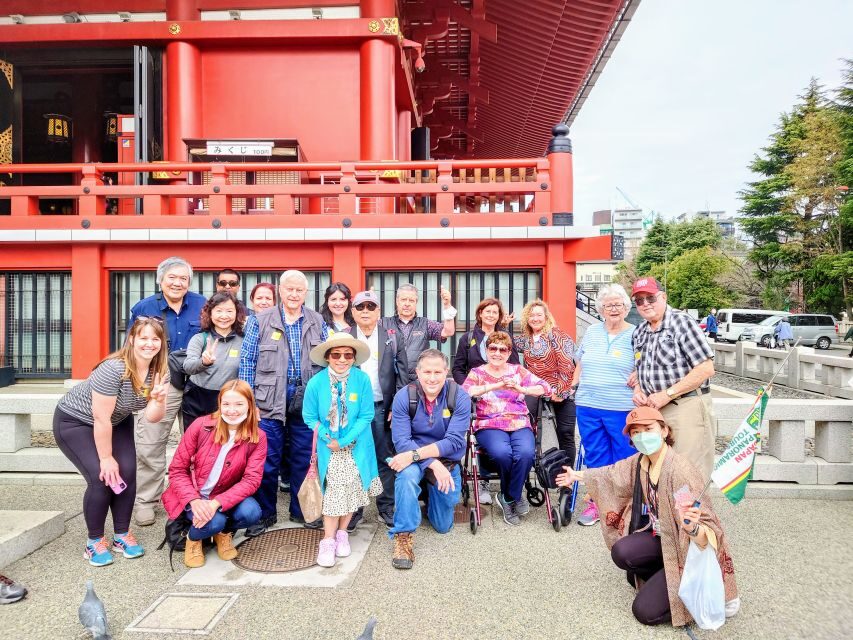
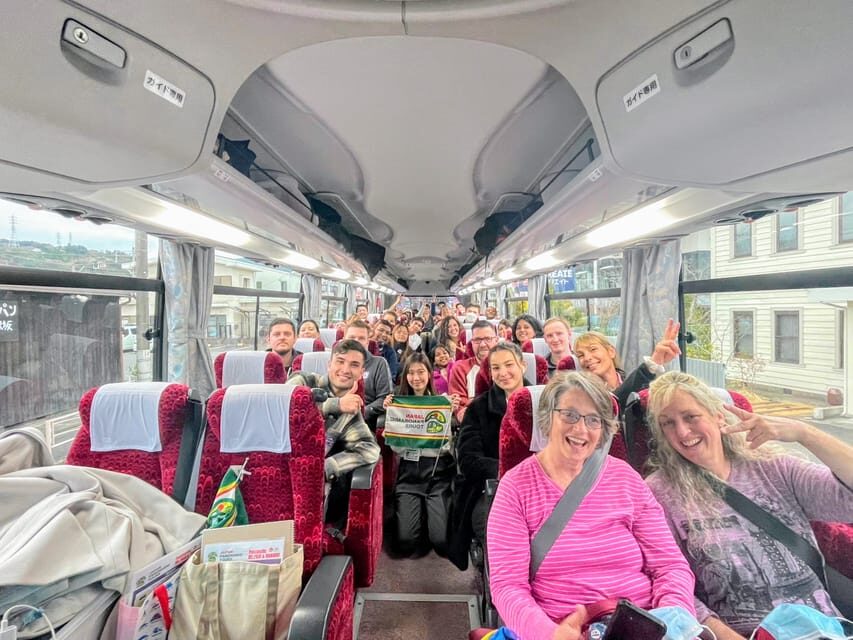
You get a live English-speaking tour guide, and the support doesn’t stop there. Multilingual audio headsets are available in languages including Spanish, French, Italian, German, Portuguese, and Ukrainian. The tour also uses audio in addition to the guide’s commentary, which helps you catch details you might otherwise miss.
Guide quality is a big part of how painless a morning tour feels. People have highlighted strong English communication and a friendly, engaging style from guides such as Aoi, Angela, Taka, Jack(san), and Levin. Even if your guide’s personality is different, this tour format generally aims for clear explanations at the stops that matter most.
One practical thing I like: the bus setup includes free Wi‑Fi, plus antibacterial coating and regular ventilation, which helps on a warm or busy morning. You may not think about it until you’re waiting in summer heat, but the small comfort details make the schedule feel less stressful.
Price and value: when $90 feels fair and when it doesn’t
At $90 per person for 210 minutes, this tour isn’t the cheapest way to see Tokyo—but it’s priced for convenience. You’re paying for several value pieces at once:
- a professional English guide
- transport by comfortable air-conditioned coach
- time-saving routing that stacks major landmarks in one morning
- matcha included (drink or gelato)
- on-bus basics like Wi‑Fi and multilingual audio support
For a first-time visitor, this can be a smart spend because it reduces decision fatigue. Instead of building a morning plan across multiple train lines, you follow a route designed to hit key neighborhoods efficiently. And Asakusa at the end gives you something tangible to do with your momentum rather than ending somewhere random.
The main situation where $90 may feel less worthwhile is if you already know Tokyo well or you’re the kind of traveler who hates fixed stops. Since you don’t get long deep time at each location, you may prefer building your own itinerary, especially if you enjoy walking more and paying for fewer guided extras.
Who should book this Tokyo morning bus tour
I think this is a strong match for:
- first-time visitors who want top Tokyo landmarks fast
- travelers who appreciate cultural context, like understanding Shinto shrine etiquette
- people who want a morning plan but still want a real walk in Asakusa
- anyone who likes matcha and wants a guided, included tasting rather than searching for it alone
I’d skip it (or book something else) if you want long hours at a few places, because several stops are photo-focused and the order can shift with traffic and weather.
Also, bring comfortable shoes. Even though it’s a coach tour, Asakusa still asks you to walk and browse.
Should you book this Tokyo morning bus tour?
If you’re trying to make the most of a short stay or you want a first-day “get your bearings fast” plan, I’d say yes. This tour gives you a clean introduction to Tokyo’s spiritual side (Meiji Jingu), civic symbolism (Imperial Palace area), modern edges (Harajuku/Omotesando, passes through Akihabara), and old-street energy (Asakusa and Nakamise). The included Uji matcha is not just a snack; it’s a memorable cultural anchor.
If you’re picky about pace and prefer freeform wandering, be cautious. The bus routing and group timing mean some segments are quick passes, and traffic can affect how rushed certain stops feel.
Bottom line: book it if you want a structured morning with a good guide, solid stops, and a fun matcha payoff.
FAQ
How long is the Tokyo morning sightseeing bus tour?
The tour duration is 210 minutes.
What time does the tour start, and where does it begin?
It starts in the morning at around 8:00 a.m. You’ll meet in central Tokyo either near Shinjuku (the Love statue area) or with pickup from Ginza at the Robert Indiana sculpture marked LOVE, depending on the option you book.
When and where does the tour end?
The tour ends in Asakusa at Sensō-ji. There is no extra drop-off service after the tour finishes.
Is there a live guide, or is it mostly audio?
There is a live tour guide speaking English, and the tour also includes audio headsets for multiple languages.
What matcha is included, and can I choose alternatives?
The tour includes a matcha drink or matcha gelato as part of the experience. Options include sweet matcha gelato and matcha beer. The matcha experience uses premium matcha described as not bitter and made with ichibancha from Uji, Kyoto.
Is Wi‑Fi provided on the coach?
Yes. Free Wi‑Fi is available on the bus.
What should I wear or bring?
Wear comfortable shoes. Also, you’ll handle loading and unloading luggage from the trunk yourself.