REVIEW · TOKYO
Discover the History of Shinjuku Gyoen – Private Walking Tour
Book on Viator →Operated by Travelingal · Bookable on Viator
Shinjuku Gyoen has a second storyline. In this private 2-hour walk, you get historical commentary that turns the gardens from pretty scenery into a timeline, with stops like the Former Imperial Rest House and the greenhouse. I especially love how the guide points out camera-friendly spots, and how guides like Mao and Yu keep the walk moving with real-world photo advice. One thing to plan for: the park admission ticket isn’t included, so you’ll want to budget a bit extra.
You meet at Shinjuku Gyoen Shinjuku Gate and end right back where you start. It’s near public transportation, aimed at people with moderate fitness, and it’s a private group experience, so your guide can adjust to your pace instead of herding everyone along.
In This Review
- Key highlights to look for
- Entering Shinjuku Gyoen at Shinjuku Gate
- How the Park’s Big Transformation Shapes What You’ll Notice
- Former Western-Style Rest House and Imperial Rest House Stops
- The Greenhouse Change of Pace: Tropical Feel, Garden Logic
- Goryōsho Pavilion: Scenic Views With a Purpose
- Traditional Japanese Gardens: Seeing the Details You’d Miss Alone
- Private Tour Format: Why It Works Better Than Rushing
- Price and Value: What $50 Buys You in Real Time
- Timing, Walking Pace, and What to Bring for a Smooth 2 Hours
- Who This Tour Fits Best (and Who Might Skip It)
- Should You Book This Shinjuku Gyoen History Walk?
- FAQ
- How long is the Discover the History of Shinjuku Gyoen private walking tour?
- Is the Shinjuku Gyoen admission ticket included?
- Where do we meet for the tour?
- Is this tour private?
- Are service animals allowed?
- What is the cancellation policy?
Key highlights to look for
- Former Imperial Rest House (Kyū Yōkan Gokyūsyo): built into the story of how the grounds changed roles over time.
- Former Western-style Rest House + traditional gardens: you’ll see how different eras shaped the space.
- Tropical greenhouse stop: a temperature-and-texture shift that makes the walk feel varied.
- Goryōsho Pavilion: a scenic landmark tied to the park’s historical evolution.
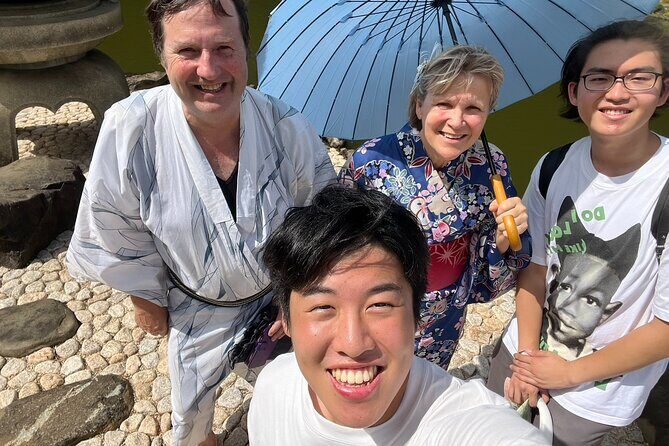
- Guide-led photo planning: Mao and Yu both emphasize where to stand and how to frame shots.
Entering Shinjuku Gyoen at Shinjuku Gate
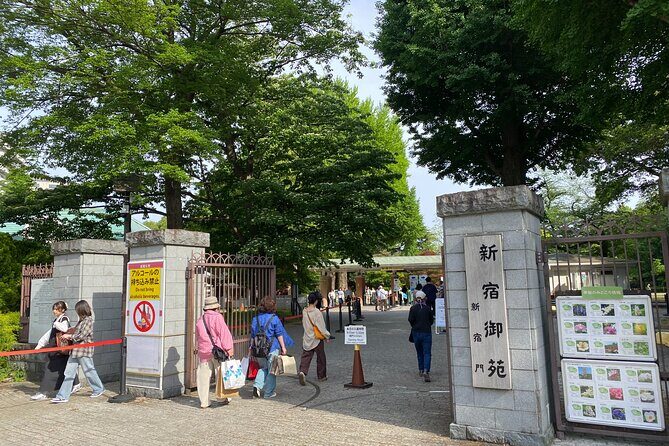
This tour starts at Shinjuku Gyoen Shinjuku Gate, at 11 Naitōmachi, Shinjuku City. That matters more than it sounds. A park this size can feel like a maze once you’re inside, so having a single starting point keeps your time focused on what you actually came for.
Because it’s a private tour (just your group), you don’t waste energy negotiating where to go next. Instead, your guide sets a route that hits the key named landmarks within the grounds, with commentary that explains what you’re seeing and why it exists there. And since it’s only about 2 hours, you’re not signing up for a half-day endurance event.
A practical note: wear shoes you’re comfortable walking in. Even on a guided route, you’ll still be moving through garden paths, viewing areas, and several distinct stops.
You can also read our reviews of more walking tours in Tokyo

How the Park’s Big Transformation Shapes What You’ll Notice
The core value here isn’t just the gardens. It’s the way the grounds changed hands and purposes over time, and how that shift shows up in the buildings and garden design elements you see during the walk.
You’ll learn about the park’s evolution from a feudal lord’s estate to an imperial garden, and then into a public space. That framing changes how you experience the same paths. You stop viewing the park as a single “pretty place” and start noticing details that reflect the era: which structures feel formal and ceremonial, which areas read as refined garden spaces, and how later public use changes the feel of the grounds.
Your guide’s job is to connect those dots in a way you can actually follow in real time—no museum-drift lecture. And the best part is that it doesn’t slow down the walk. Instead, it makes the stops feel purposeful, because you understand what each site represents in that bigger story.
Former Western-Style Rest House and Imperial Rest House Stops
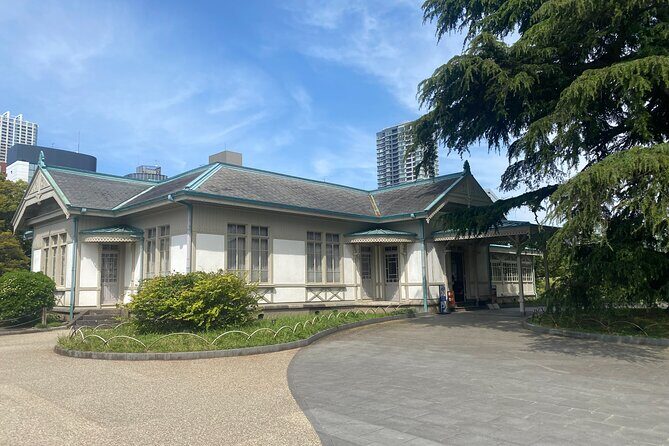
One of the best reasons to do this with a guide is that the key structures are specific, named places—so you know you’re not guessing. Within the grounds, you visit historically significant facilities including the Former Western-style Rest House and the Former Imperial Rest House (Kyū Yōkan Gokyūsyo).
Here’s what I like about these stops for a visitor:
- They create contrast. A Western-style rest house inside a Japanese garden setting gives you something to look at beyond trees and ponds.
- They anchor the timeline. The Imperial Rest House stop helps you understand how the grounds functioned at the highest level of status and access before opening up to the public.
You’ll also hear context that helps you place each structure in the park’s transformation. If you’re the kind of person who likes “what am I looking at, and what’s the point?” this tour fits perfectly. It’s not just aesthetics; it’s interpretation.
The Greenhouse Change of Pace: Tropical Feel, Garden Logic
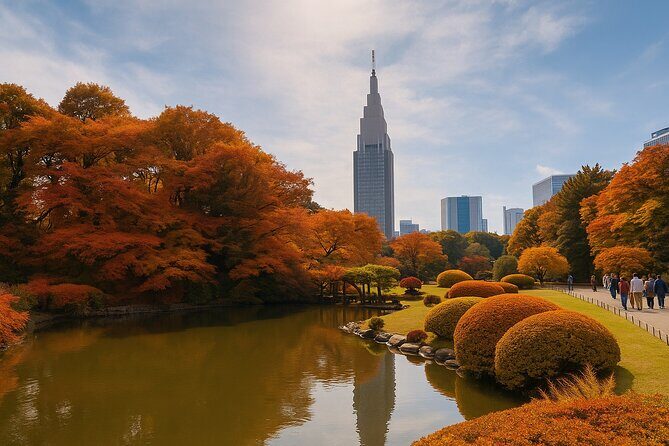
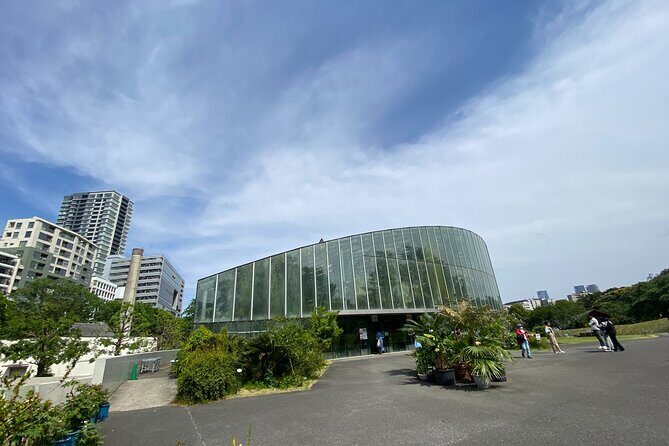
Another high-value stop is the tropical greenhouse. It changes the mood quickly. Outside, you’re reading the park through garden paths and landscaped areas. Inside the greenhouse, you shift from open-air views to a more curated environment where plant life and structure do the talking.
Why this matters for your time: it’s a built-in break from the sameness problem that happens in garden self-guided walks. After a couple of hours outdoors, your brain can start blending similar-looking areas. A greenhouse stop resets that and gives you new textures, new visual angles, and a different kind of photo opportunity.
Also, your guide doesn’t just point out where the greenhouse is—they help you connect it back to the park’s history and design thinking. Even if you’re not a hardcore botany person, you’ll likely appreciate the shift because it shows how the grounds were designed to include different kinds of environments.
Goryōsho Pavilion: Scenic Views With a Purpose
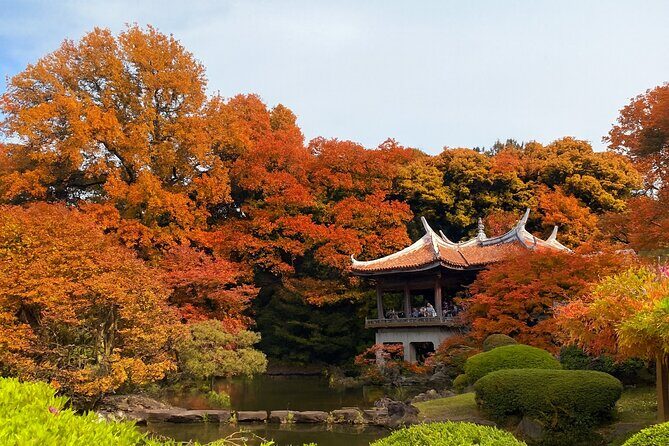
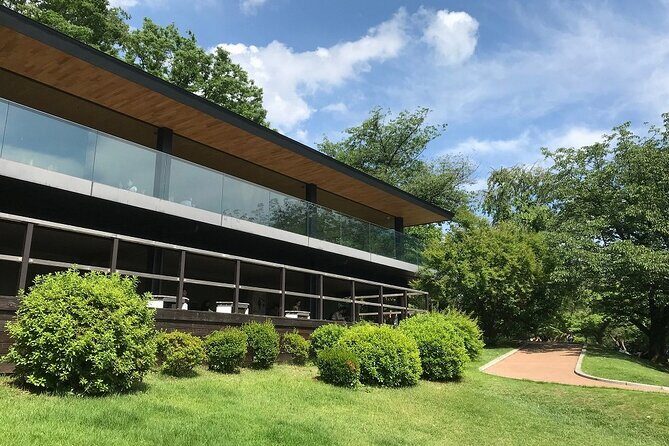
The Goryōsho Pavilion is one of the picturesque landmarks you’ll visit. It’s the kind of spot where it’s easy to take a quick photo and move on. But with a guide, it becomes a meaningful stop rather than a pause.
In practice, that means you’ll get commentary that ties the pavilion into the grounds’ broader historical transformation. When you understand the role a pavilion played in the setting—especially in a garden that evolved from elite estate to public space—the view feels more intentional.
This is also where good pacing helps. Your guide can steer you toward the most photogenic vantage points without making it feel like a forced “pose here, next” routine. In the same way Mao and Yu were helpful with photo planning—suggesting spots and helping take better shots—you can expect guidance on where to stand and how to frame what you’re seeing.
You can also read our reviews of more private tours in Tokyo




Traditional Japanese Gardens: Seeing the Details You’d Miss Alone
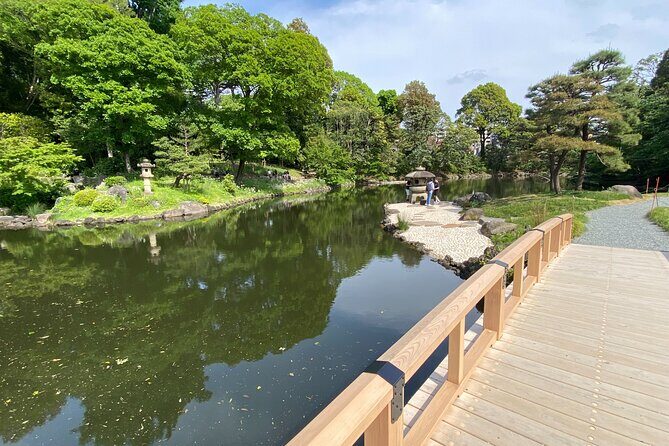
Along the way, you’ll also explore traditional Japanese gardens located within the park. This is where a guide earns their fee. Left to your own devices, it’s easy to admire the overall beauty while missing the logic of how the gardens are arranged.
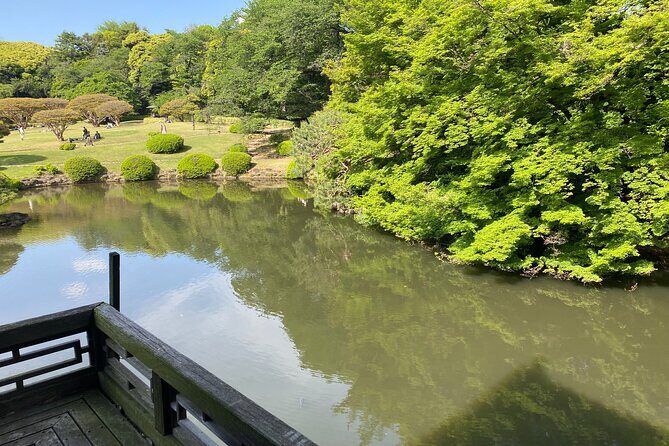
With commentary, you start noticing patterns: how separate areas create different impressions, how walking paths guide you through the design, and how certain elements feel tied to the refined landscaping culture of Japan’s past. Even when you can’t name every detail, the explanations help you look longer, not just faster.
If you love slow travel—standing still for a minute, looking again, reading what’s in front of you—this part will likely be a highlight. And because the tour duration is short, you won’t feel like you’re stuck in one area forever.
Private Tour Format: Why It Works Better Than Rushing
A private tour is the difference between visiting a park and actually spending time in it. Here, your group goes together, and your guide can adjust. Yu, for example, was described as adaptable and very serviceable, and that’s exactly what you want when you’re trying to photograph gardens or move at a comfortable pace.
It also matters for language. Yu’s English was noted as spectacular, which tends to be the difference between getting a few surface facts and actually understanding the story your guide is telling. Mao was also praised for suggesting multiple photo spots and giving helpful options within the gardens—meaning you’re not stuck with one generic viewpoint.
So if you’re:
- traveling with friends or family,
- trying to keep things relaxed while still learning,
- or wanting better photos without turning the whole experience into a camera workshop,
this private format does real work for you.
Price and Value: What $50 Buys You in Real Time
The price is $50.00 per person, for about 2 hours. That’s not a “cheap add-on,” but it can be good value if you’ll actually use what you’re paying for.
Here’s what you’re buying with that $50:
- A guide who connects the sites (rest houses, greenhouse, pavilion, and garden areas) to the park’s evolution from estate to imperial garden to public space.
- Efficient use of time: you hit named landmarks within the grounds instead of wandering and hoping you find the best spots.
- Photo help: Mao’s guidance on where to stand and how to frame shots is the kind of detail that’s hard to replicate without a guide.
Also, there are group discounts, and you’ll get a mobile ticket. Booking tends to happen about 58 days in advance on average, which is a useful hint: if you want a specific day/time, plan ahead rather than assuming you can line it up last-minute.
The one catch is simple: the admission ticket to the park isn’t included. If you’re comparing costs, factor that in so the budget matches what you’ll actually pay at the gate.
Timing, Walking Pace, and What to Bring for a Smooth 2 Hours
This tour is about 2 hours, and it’s listed for travelers with moderate physical fitness. That doesn’t mean you need to be an athlete, but it does mean you shouldn’t plan on a totally hands-off, stroller-only experience.
For a smooth visit, I suggest you:
- wear comfortable walking shoes (garden paths add up fast),
- bring a small bottle of water,
- and have your camera ready, since the guides actively help with photo spots.
Because it’s private and ends back at the meeting point, you don’t have to figure out a complicated end location. Your guide manages the route within the time window.
If you’re sensitive to heat or humidity, the greenhouse stop can feel like a relief since it’s a controlled environment. Even if you aren’t sure what you’ll see inside, the change of setting helps keep the experience from feeling one-note.
Who This Tour Fits Best (and Who Might Skip It)
I think this is a great fit for you if you want:
- named landmarks inside the park, not just general wandering,
- clear historical context about how the grounds changed roles,
- and practical help for photos.
It’s also ideal if you enjoy guides who can adapt on the fly—Mao and Yu’s flexibility and photo-focused guidance are exactly what make a short garden tour feel satisfying rather than rushed.
Where it might be less ideal is if you’re a very low-energy visitor who wants only minimal walking and zero planning, or if you prefer totally self-guided travel with no structured stops. The tour is still a stroll, but it is a guided route with multiple facilities and garden areas packed into a tight 2-hour window.
Should You Book This Shinjuku Gyoen History Walk?
If you like gardens but want more than pretty photos, I’d book it. This tour is strong because it connects the park’s visible features—Western-style rest house, greenhouse, imperial rest house, pavilion, and traditional garden areas—to the park’s evolution from estate to imperial use to public space.
Two things tip the decision in its favor: photo help (with guides like Mao suggesting multiple spots) and story-first guiding (with Yu praised for clear English and adaptability). And with a private format, you’re not competing with a crowd for attention or photo angles.
Just do one thing before you go: plan for the fact that park admission isn’t included. If you budget that in, you’ll get a focused, efficient, and genuinely enjoyable Shinjuku Gyoen experience without spending your precious Tokyo hours guessing where to look.
FAQ
How long is the Discover the History of Shinjuku Gyoen private walking tour?
It’s approximately 2 hours.
Is the Shinjuku Gyoen admission ticket included?
No. The admission ticket is not included.
Where do we meet for the tour?
Meet at Shinjuku Gyoen Shinjuku Gate, 11 Naitōmachi, Shinjuku City, Tokyo 160-0014, Japan.
Is this tour private?
Yes. It’s a private tour, and only your group participates.
Are service animals allowed?
Yes, service animals are allowed.
What is the cancellation policy?
Free cancellation is available up to 24 hours in advance for a full refund.