REVIEW · OSAKA
Guided Tour of Some Attractions in Osaka by Private Car
Book on Viator →Operated by Sparrow Travel · Bookable on Viator
Osaka feels less chaotic when you have a driver. This 7.5-hour private-car tour strings together Osaka Castle, Shitennoji, Shinsekai, Abeno Harukas, Kuromon Market, and Dotonbori in one smooth day with an English-speaking local guide (Tomaki) and a vehicle that keeps you away from the worst crowd bottlenecks. I like the flexibility here—your route can adapt to what your group actually wants to spend time on.
Two things I really like: you start with Osaka Castle and its park grounds, so you get context before the street-level noise, and you finish with Dotonbori when the neon-and-food energy is at its peak. The other big plus is comfort: you’re not sprinting between distant stops on trains with a tight itinerary. One consideration: meals and most admissions aren’t included, so budget for food breaks and any add-on tickets depending on what you choose at each site.
In This Review
- Key highlights you can count on
- Why private-car Osaka is worth it
- Pickup, timing, and how the day runs
- Osaka Castle: starting with the big picture
- Shitennoji: a temple stop that’s more than a checklist
- Shinsekai: old-street atmosphere, games, and everyday Osaka
- Abeno Harukas: plan your priorities for 45 minutes
- Kuromon Market: Osaka’s Kitchen, with real choices
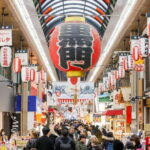
- Dotonbori: neon, canal energy, and street-food theater
- What you learn from a guide like Tomaki (and why it matters)
- Price and value: what $542.83 buys you
- Who this Osaka day is best for
- Should you book this private Osaka highlights tour?
- FAQ
- How long is the Osaka private car highlights tour?
- What’s the group size and price?
- What time does the tour start?
- Is admission included for all stops?
- Do you get pickup?
- Do I need a printed ticket?
Key highlights you can count on
- Private vehicle for a 7.5-hour route that reduces walking and crowd friction
- English-speaking guide Tomaki who can adjust pacing for your group
- Historic-to-food flow: Osaka Castle → Shitennoji → Shinsekai → Harukas → Kuromon → Dotonbori
- Time at iconic neighborhoods instead of “photo-only” stops
- Mobile ticket for an easier day-of experience
- Free cancellation up to 24 hours in advance for peace of mind
Why private-car Osaka is worth it
Osaka is easy to love—and also easy to mess up when you’re planning on a first visit. Distances feel short, but transfers add up fast, and some areas get packed in a hurry. A private car changes the whole rhythm. You spend less mental energy figuring out transit and more time actually looking at what’s in front of you.
This tour is built for a single-day “greatest hits” approach without the cattle-car feeling. You’ll hit major landmarks plus a couple of neighborhoods that show the everyday Osaka vibe. If you’re traveling with mixed interests—temple people, food people, and photo people—this format usually keeps everyone happy.
And yes, comfort matters. When the day is about walking and standing at viewpoints, saving energy early makes the later stops more enjoyable.
You can also read our reviews of more guided tours in Osaka

Pickup, timing, and how the day runs
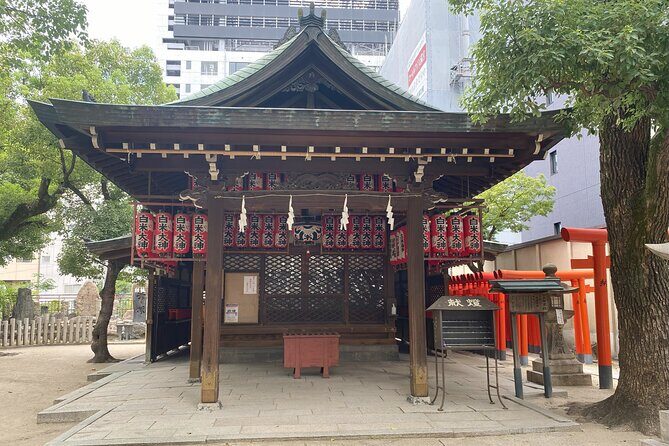
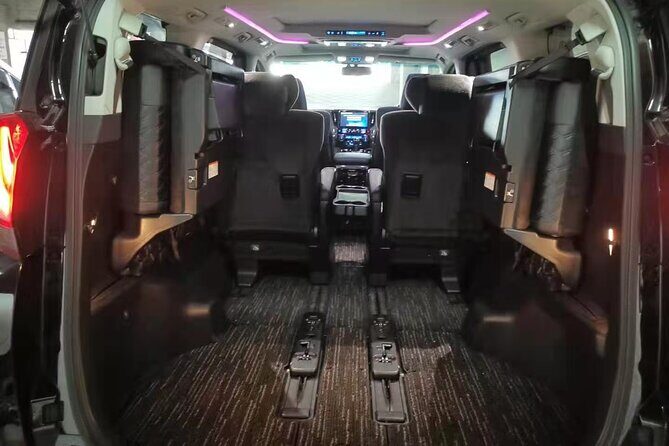
The start time is 9:00 am, and the tour runs about 7 hours 30 minutes. You’ll have a local English-speaking guide and a private vehicle with all related costs covered, including fuel and congestion charges. That means you’re not constantly topping up surprise line items mid-day.
Pickup is offered, but the tour may not include pickup if you’re outside central Osaka. If you’re not staying near transit-friendly areas, plan to confirm the closest practical meeting point. The good news: the meeting location is listed as near public transportation, so you typically have options.
You’ll also receive a mobile ticket. That’s a small thing, but it helps on a day where you’re moving quickly between sites.
Here’s the practical mindset I recommend: treat this as a guided “route day.” You’ll get a structured order of stops, but there should still be room for you to ask questions, linger briefly, and adjust your pace.
Osaka Castle: starting with the big picture
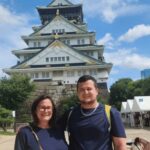
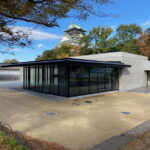
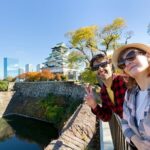
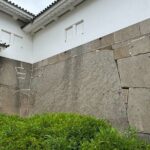
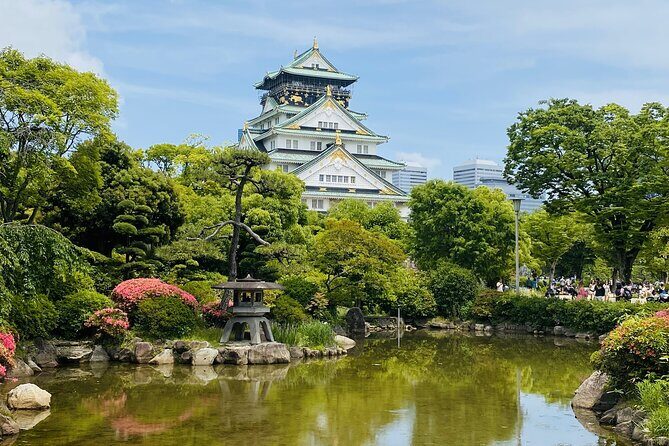
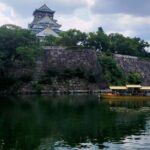
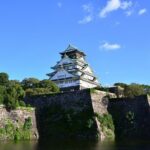
Your first stop is Osaka Castle, with about 1 hour 15 minutes allocated, and admission is listed as free. Even if you’re not a hardcore history fan, the castle area is a smart opener. The grounds help you understand the city’s strategic importance long before the shopping streets start pulling you in different directions.
What you’ll actually do with this time depends on where you focus: the park grounds themselves, the castle setting, and the architecture context your guide shares while you move through the area. The value here is the explanation. Osaka Castle isn’t just a landmark—you’ll understand why it matters to Osaka’s identity and how it fits into Japan’s broader historical picture.
A drawback to note: castle time can feel like “more walking than you expect,” even with a fixed itinerary. Wear comfortable shoes. If you’re sensitive to crowds, start calm and let the group set a steady pace in the grounds.
Shitennoji: a temple stop that’s more than a checklist
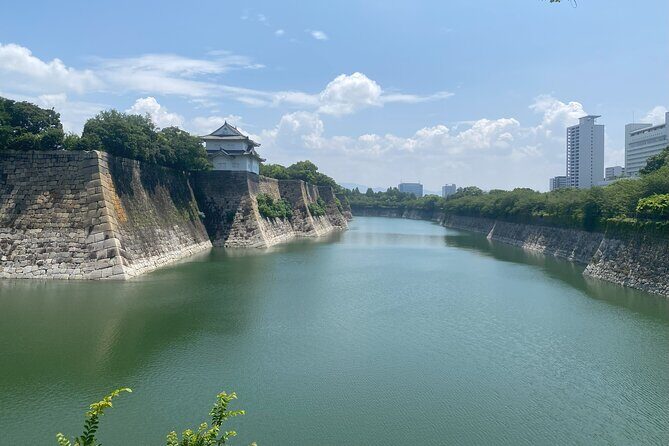
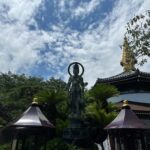
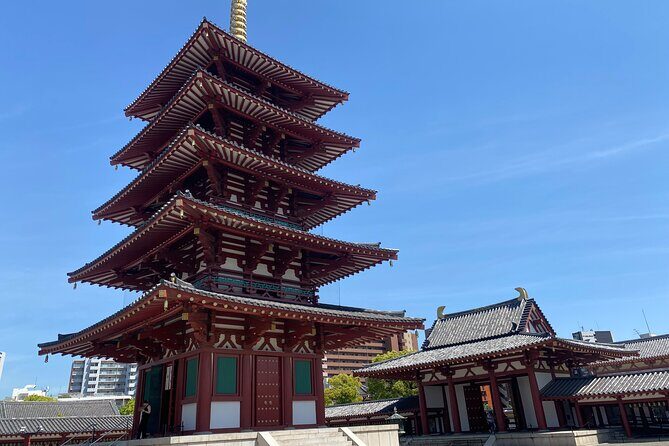
Next comes Shitennoji, about 1 hour 15 minutes, with admission listed as included. Shitennoji is founded in 593 AD by Prince Shotoku, and it’s recognized as Japan’s oldest official temple. That is the kind of fact you remember, because it changes your mental scale. You’re not just visiting a place that looks old—you’re visiting one with deep roots in Japan’s official Buddhist history.
I love that this stop gives you a quiet contrast after the castle grounds. Even in a busy city, temples create a different pace. You’ll get time to slow down, look closely, and absorb the meaning of the site rather than rushing through it for photos.
Possible consideration: temple visits tend to come with rules about respectful behavior. Nothing in the tour listing suggests special constraints, but in practice you’ll want to be mindful of noise, footwear norms, and where you’re allowed to linger.
If you want one “anchor stop” that makes the day feel grounded, this is it.
Shinsekai: old-street atmosphere, games, and everyday Osaka
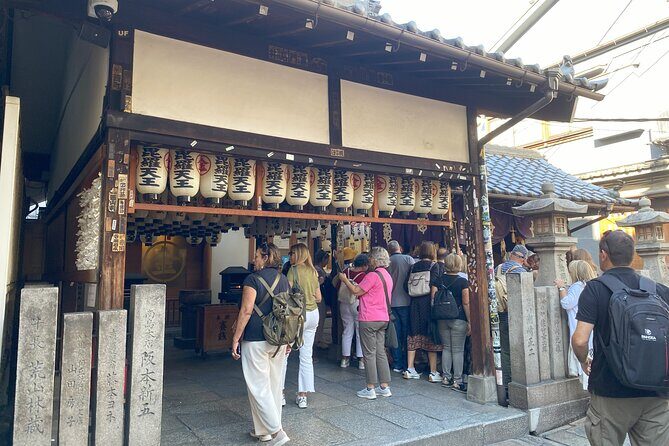
Your third stop is Shinsekai, about 1 hour, and admission is free. This is where the tour shifts from historic landmarks to a neighborhood mood. Shinsekai is known for keeping an old-world streetscape feel, and it’s designed for people-watching—families, groups, and anyone who wants the playful Osaka side.
What makes this stop especially useful on a guided day is context. Without a guide, you might wander for photos and snacks and miss why the area has its particular charm. With Tomaki, you’re more likely to understand what to look for and how to read the atmosphere without overthinking it.
The tour description also points to games, food, and fashion, with the reminder that the style here can be very personal. That’s not a guarantee you’ll love every storefront, but it’s a fun change from the “temple then shopping” rhythm.
Potential drawback: Shinsekai is popular as a lively neighborhood. If you’re seeking quiet, this may feel a little more energetic than you’d like. In that case, use the time to pick one or two lanes or viewpoints and go deeper rather than trying to cover the whole area.
You can also read our reviews of more private tours in Osaka


Abeno Harukas: plan your priorities for 45 minutes
Then you move to Abeno Harukas (in the Tennoji area) for about 45 minutes, and admission is listed as free. The headline here is height: Harukas is the tallest non-tower building in Japan at 300 meters, and the height translates into one practical benefit—good views over a city that’s hard to map from street level.
This stop is short, so treat it like a targeted mission. If you want the views, show up with that mindset and keep moving so you don’t lose time. If you’d rather spend time on the surrounding area, decide early and tell your guide so the schedule supports your choice.
A consideration: because the stop is time-limited, you might wish you had more time if you love skyline views. That’s not a flaw—it’s just how a tight 7.5-hour route works.
Kuromon Market: Osaka’s Kitchen, with real choices
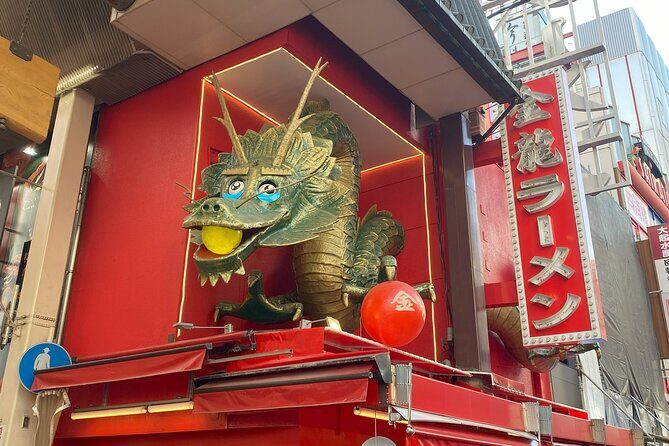
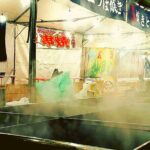
Next is Kuromon Market for about 1 hour, admission listed as free. Kuromon is often described as Osaka’s Kitchen for a reason: lots of vendors in one central zone, offering fresh seafood, meat, produce, sushi, tempura, and more. For many people, this is where the tour becomes personal. Food is where you decide what kind of Osaka you want to taste.
Even though meals aren’t included, the guidance is still useful. A guide helps you:
- understand what’s worth buying versus what’s mainly for show
- pace yourself so you don’t end the market stop too full or too hungry
- find a couple of items that match your comfort level with flavors and street food style
One practical note: since food costs aren’t included, your final “value” depends on how much you snack. If you plan ahead and set a budget for market bites, you can keep this day comfortably under control.
Possible drawback: markets can be crowded even during a guided visit. You’ll get time, but don’t expect a quiet stroll. If you’re sensitive to standing and shoulder-to-shoulder browsing, eat what you want quickly and regroup with your guide.
Dotonbori: neon, canal energy, and street-food theater
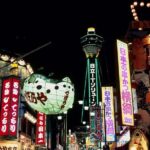
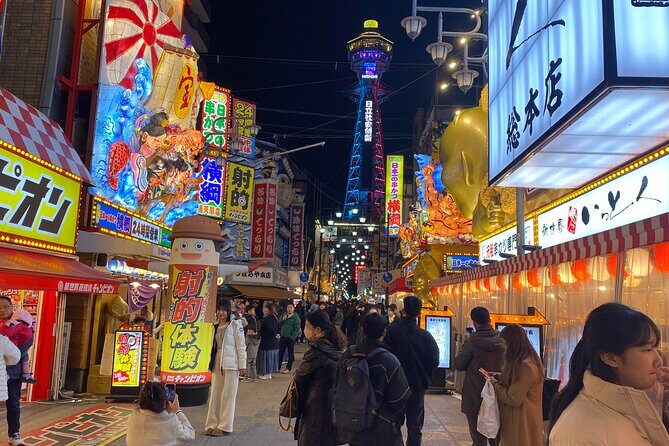
The final landmark stop is Dotonbori for about 1 hour, admission free. Dotonbori is Osaka’s iconic entertainment and food district, famous for its neon signs like the Glico Man and a moving crab display. Along the canal, the whole area runs on motion—people, lights, small lines for snacks, and that instantly recognizable Osaka street atmosphere.
I think this is a smart finish for a reason: by the time you reach Dotonbori, you’ve already gotten the historical and cultural framing (castle and temple). So the neon and food feel like the payoff, not like random chaos at the end of a long day.
What to do with your time here: pick one “anchor” view along the canal and give yourself permission to just enjoy the scene. Then choose one or two food stops rather than trying to sample everything. A guided day is about getting the best moments, not collecting everything.
Possible drawback: Dotonbori is lively. If you want calm photos, this might not be the stop for you. But if you want the Osaka vibe in concentrated form, it’s hard to beat.
What you learn from a guide like Tomaki (and why it matters)
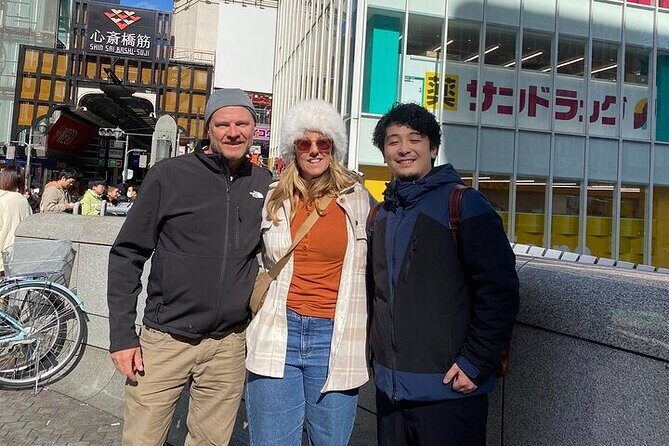
The best part of a guided route isn’t the list of stops. It’s the framing. With Tomaki and the driver, the tone of the day comes through: practical explanations while you’re moving, and the ability to keep the experience comfortable for your specific group needs.
One standout detail from feedback: Tomaki and the driver were very flexible, even attentive to people who were struggling during the day. That’s not just nice—it’s how you protect the day from turning stressful. When someone in your group needs slower pacing or more careful walking, a private tour can actually save the vacation.
So if you’re traveling with:
- older adults who don’t want to rush between trains
- someone with limited mobility who needs manageable walking
- a mixed group with different interests
this format can make the difference between a “successful day” and a “we survived it” day.
Price and value: what $542.83 buys you
The price is $542.83 per group (up to 5 people). On its face, that sounds like a lot. But private transportation in a big city isn’t cheap, and your money here is buying time, comfort, and planning you don’t have to do yourself.
If you split it across the full group size, the rough math is about $109 per person. If you’re a smaller group, the per-person cost rises—but you still get:
- a private vehicle and related fees
- an English-speaking local guide
- operational costs like fuel and congestion charges
What isn’t included is equally important. Meals and drinks are not included, and admissions vary from zero to a few hundred yen depending on what you choose or how the plan shifts. Shitennoji is included, while several other stops are listed as free, which helps keep costs down. Still, plan for food and any optional add-ons.
My value advice: if you would otherwise spend a full day fighting transit transfers, walking long distances between neighborhoods, and trying to coordinate interest-driven detours, this tour often feels like a fair trade.
Who this Osaka day is best for
This tour is a strong fit if you want a structured highlights day with minimal logistics headaches. It’s especially good for you if:
- it’s your first time in Osaka and you want the main landmarks without research overload
- you prefer comfort and fewer crowd-pressure moments
- you’re traveling with friends or family (up to 5) who want different things from the day
It may be less ideal if you like totally free-flowing days where you wander without any schedule and don’t need a guide for context. Also, if you’re on a very tight budget for admissions and food, the day can cost more once you factor in what you eat.
Should you book this private Osaka highlights tour?
I’d book it if you want a single day that covers big-name Osaka—castle, temple, neighborhood character, a major viewpoint, a food market, and Dotonbori—while keeping the pace realistic through private transportation. The biggest reason: the structure lets you see a lot without the stress of building a day from scratch.
Skip it if you’re the type who wants to move slowly, choose random detours all day, or you’re traveling as a solo rider where the per-person cost may feel steep. In that case, you might do better cobbling together a DIY route.
If your group has mixed interests, or you want someone like Tomaki to help keep the day comfortable and coherent, this tour is a practical, high-success choice.
FAQ
How long is the Osaka private car highlights tour?
It runs about 7 hours 30 minutes.
What’s the group size and price?
It’s priced at $542.83 per group for up to 5 people.
What time does the tour start?
The start time is 9:00 am.
Is admission included for all stops?
Admissions vary. Shitennoji is listed as admission included, while other stops are listed as free in the tour details. Meals are not included.
Do you get pickup?
Pickup is offered, but pickup is not included if you are outside central Osaka. The meeting point is near public transportation.
Do I need a printed ticket?
No. You’ll use a mobile ticket.