REVIEW · KYOTO
Kyoto: Fushimi Inari-taisha y Kiyomizu-dera (Spanish Guide)
Book on GetYourGuide →Operated by Kansai4U · Bookable on GetYourGuide
Kyoto has a way of slowing you down fast. This Spanish-guided day pairs the famous Fushimi Inari torii gates with the cliffside Kiyomizudera views, plus a route that mixes Shinto and Buddhist landmarks in a single walking plan. You’ll get a clear, guided rhythm for seeing the highlights without having to piece everything together yourself.
My favorite parts are the red-torii mountain walk at Fushimi Inari and the payoff views at Kiyomizudera from the wooden stage area. The one big consideration is that this is not a sit-everywhere tour: moderate effort is built in, with stairs and trails on the Fushimi Inari side.
In This Review
- Key things I’d prioritize before you go
- Why This Kyoto Route Works: Two Faiths, One Walkable Day
- Finding the Meeting Point by JR Inari and the Fox Statue
- Fushimi Inari-taisha Torii Gates: The Walk That Changes as You Go
- The Other Stop That Makes the Morning Feel Complete: Otani Hombyo and Otani Cemetery
- Pontocho Lunch Break: A Calm Reset in the Middle of the Day
- Kiyomizudera on the Hill: The Wooden Stage View That People Come For
- Sannenzaka Shopping Streets: How to Use the Last 30 Minutes Well
- Price and Value: What $76 Really Buys You
- Physical Effort and Who This Tour Fits Best
- Should You Book This Kyoto Tour?
- FAQ
- FAQ
- How long is the tour?
- Where is the meeting point?
- Is the tour in Spanish?
- What’s included in the price?
- Is transportation included between Fushimi Inari and Kiyomizudera?
- How much walking is involved?
- Can I bring a baby stroller?
- Is there a cancellation option?
Key things I’d prioritize before you go
- Fushimi Inari torii, not just photos: you actually follow the path and pass smaller shrines along the way
- A real contrast day: Shinto atmosphere first, then Buddhist sites tied to Shinran
- A structured break in Pontocho: lunch time is planned so you don’t burn the whole day hungry
- Kiyomizudera’s famous wooden platform views: the temple layout is made for big overlooks
- Spanish guide experience can vary: one guide was praised for attention, while another was criticized for limited historical context
Why This Kyoto Route Works: Two Faiths, One Walkable Day
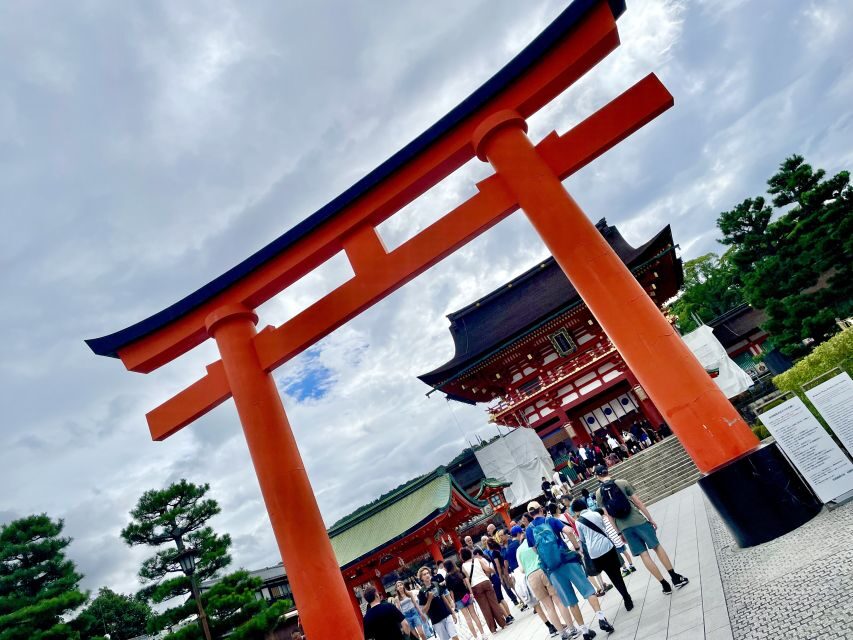
Kyoto can feel like a choose-your-own-adventure city. This experience is helpful because it stitches together two of the biggest names—Fushimi Inari and Kiyomizudera—while also adding quieter stops that give you a fuller picture of what you’re looking at.
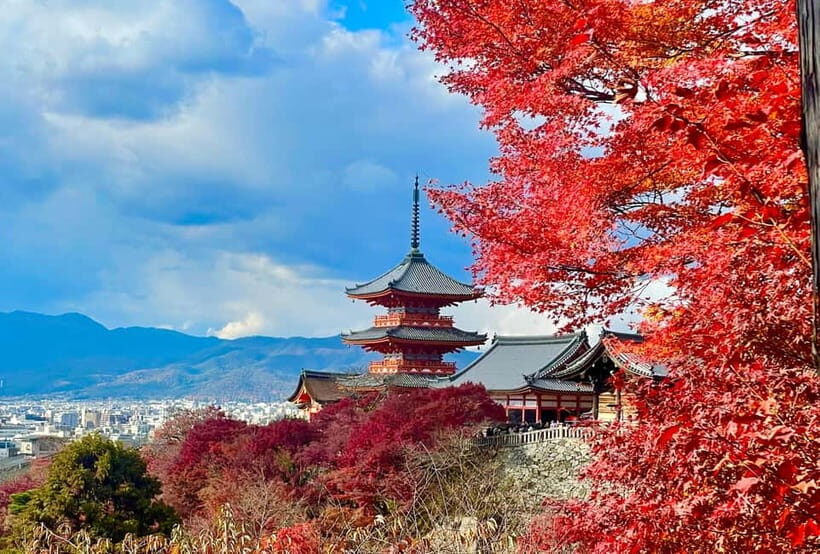
The value isn’t just the sights. It’s the way the route naturally teaches you to read the place: at Fushimi Inari you’ll notice how the torii rhythm moves you through space, and at Kiyomizudera you get a different temple mood—hilltop views, gardens, and the main hall area with that iconic wooden stage that reaches out over the cliff.
You can also read our reviews of more guided tours in Kyoto

Finding the Meeting Point by JR Inari and the Fox Statue
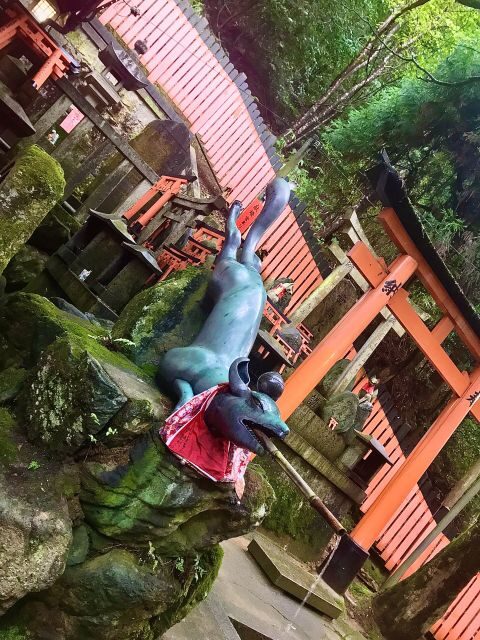
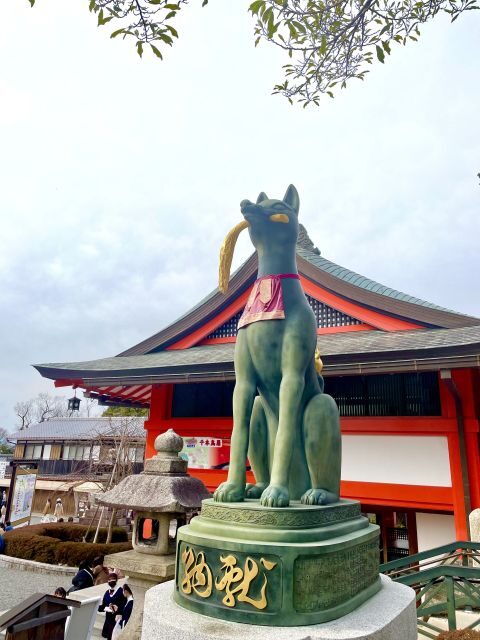
You start in a simple, easy-to-understand spot: in front of JR Inari Station, next to the fox statue. That matters more than you might think, especially on a first Kyoto morning. You want your brain focused on where you’re going, not decoding confusing directions while you’re already walking with luggage or a heavy bag.
If you’re arriving early, use that time to settle in: water, comfortable shoes ready, and a quick look at your surroundings so you know which way you’ll head once the group gathers.
Fushimi Inari-taisha Torii Gates: The Walk That Changes as You Go
Fushimi Inari is the kind of place where the first minute wows you, and then the rest slowly teaches you how to experience it. The torii you see at the entrance are impressive, but what you’ll love here is the progression: thousands of red torii form a path that runs up through the mountain.
This tour doesn’t treat it like a quick photo stop. You’ll walk the sanctuary’s winding trails and stair sections, with chances to slow down and explore smaller altars and shrines along the way. That’s where the atmosphere shifts from sightseeing to something more personal: you’re not just passing through space, you’re noticing details as you move.
A practical tip: pacing matters. Since you’re climbing stairs and trails, going too fast at the start can leave your legs tired before you reach the best viewpoints. If you’re someone who likes photos, give yourself permission to stop, but keep your pace steady so you still enjoy the upper sections.
The Other Stop That Makes the Morning Feel Complete: Otani Hombyo and Otani Cemetery
After Fushimi Inari, you head toward other Buddhist landmarks, and the day gets an interesting new tone. One of the standout additions is Otani Hombyo Temple, also known as the Mausoleum of Shinran. Instead of the bright, torii-lined energy of Fushimi Inari, this part of the experience feels more like a place meant for reflection and remembrance.
You’ll have time for a guided visit here plus a walk-through and scenic views on the way. That guided element is important because you’re moving through a site with its own meaning. Even if you’re not a religion expert, a guide can help you understand what you’re actually seeing rather than just ticking off names.
Then there’s Otani Cemetery as a photo stop and sightseeing segment. This isn’t built as a long stay, but it changes the mood again. It’s a good reminder that Kyoto isn’t only about temples for views; it’s also about place and history for the people tied to it.
Pontocho Lunch Break: A Calm Reset in the Middle of the Day
You get a scheduled break in Pontocho with about an hour for lunch and downtime. I like this structure because it keeps the day human. When tours skip lunch planning, people end up eating something rushed and then dragging through the afternoon.
Pontocho is a practical pause point: you can regroup, grab food, and handle any small needs (water, snacks, quick rest) before the main temple stretch. If you’re picky about where you eat, this is the moment to choose without stress. If you don’t care, you’ll still appreciate having that buffer so you don’t arrive at Kiyomizudera already worn out.



Kiyomizudera on the Hill: The Wooden Stage View That People Come For
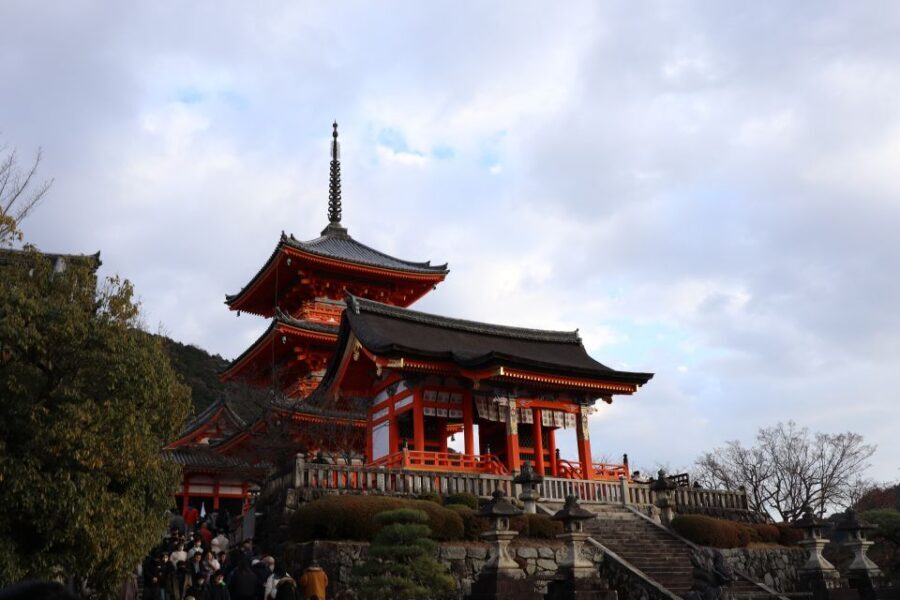
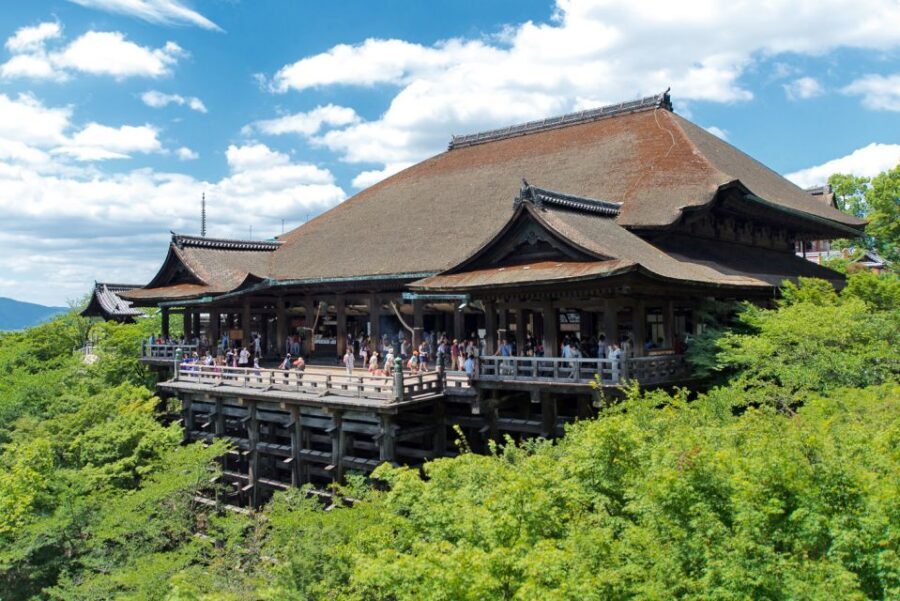
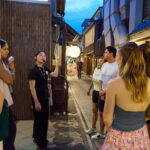
Kiyomizudera is the payoff moment of the afternoon. You’ll walk through Higashiyama neighborhood streets to reach the temple area, and that approach matters because it puts you in the right mindset. Instead of going straight to a photo spot, you move through traditional street surroundings on your way to a hilltop sanctuary.
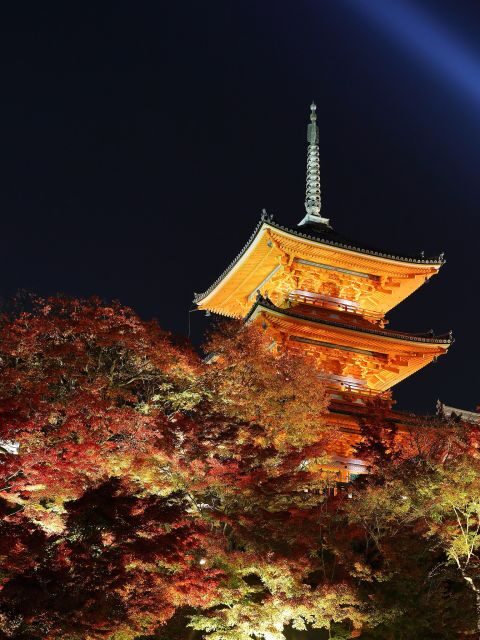
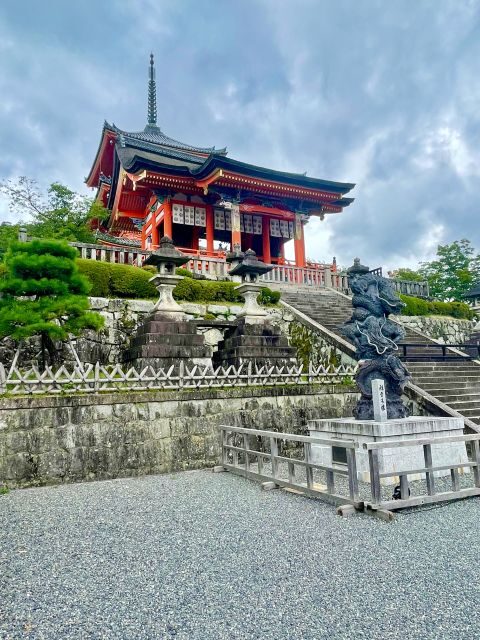
At Kiyomizudera, you’ll get a photo stop and a guided visit, with sightseeing time that includes the gardens around the temple. The highlight is the famous wooden platform extending over the cliff, where the views are the point. Even without hunting for extra facts, you can feel why people remember this place: it’s the kind of overlook that makes you stop talking for a second.
Inside, you’ll also be able to appreciate the beauty of the main hall area, then take your time in the quieter garden spaces. The tour pace gives you a mix of structure and freedom, which is ideal because Kiyomizudera rewards both: you want context, and you also want calm time to look.
Sannenzaka Shopping Streets: How to Use the Last 30 Minutes Well
After Kiyomizudera, you’ll walk through Sannenzaka, with time for shopping and guided passing-by. This is a smart closing segment because it turns your walking into something useful. You’re already in the Higashiyama area, so it’s an easy place to pick up small souvenirs without doing extra transit or planning.
In 30 minutes, don’t try to see everything. Instead, pick one street zone and keep it simple: a few shops, a quick comparison, then move on. Your legs will thank you, and you won’t feel like you ran out of time halfway through.
Price and Value: What $76 Really Buys You
At $76 per person for about 7 hours, the price is best understood as paying for guided time plus one important ticket. The included items are guided tours at Fushimi Inari and Kiyomizudera, and the Kiyomizudera entrance ticket.
What’s not included is transportation from Fushimi Inari to Kiyomizudera. In other words, you’re still dealing with local movement during the day. The itinerary includes a train segment, but you should be ready to pay for that transit yourself.
So is it worth it? It often is if:
- You want a Spanish-speaking guide to help you interpret what you’re seeing
- You’d rather have a plan than build one
- You care about Fushimi Inari as more than a photo wall and want context while you walk the trails
But if your main goal is low-cost sightseeing and you’re comfortable mapping routes on your own, you may find cheaper options. And based on what I saw about guide performance, the experience can swing depending on the guide. One Spanish guide named Miriam was described as friendly but light on historical details, leaving at least one guest feeling the tour didn’t deliver the depth they expected. Another guide, Alejandro, was praised as fantastic and attentive. That tells you something important: for this kind of day, the guide quality can make or break the value.
Physical Effort and Who This Tour Fits Best
This experience is rated as moderate physical effort. Fushimi Inari includes stairs and trails up the mountain, so you’ll be walking more than a typical city stroll. If you’re traveling with tight legs, knee issues, or you rely on mobility support, this won’t feel comfortable.
It also isn’t suitable for baby strollers. And unaccompanied minors aren’t allowed, so it’s meant for participants who can follow along and handle the walking.
I’d recommend it for:
- People who enjoy walking and don’t mind stairs
- Travelers who want a guided explanation in Spanish
- Anyone who wants a one-day mix of major Kyoto icons plus a couple of extra faith-and-culture stops
Should You Book This Kyoto Tour?
If you want a Spanish-guided day that connects Fushimi Inari’s torii walking to Kiyomizudera’s hilltop views, I think this tour is a strong match. The route is efficient: it hits two headline places, adds Shinran-related context at Otani Hombyo, and gives you a real lunch reset in Pontocho.
Before you book, be honest about two things: your comfort level with stairs at Fushimi Inari, and your expectations for the guide’s depth. Since one guide was praised and another was criticized for history and temple curiosities, it’s worth choosing this only if you care about interpretation, not just the scenery.
If that sounds like you, book it and wear the right shoes. Kyoto rewards effort here, and when you reach those cliffside views at Kiyomizudera, the walking makes sense.
FAQ
FAQ
How long is the tour?
It lasts about 7 hours.
Where is the meeting point?
You meet in front of JR Inari Station, next to the fox statue.
Is the tour in Spanish?
Yes, the live guide speaks Spanish.
What’s included in the price?
The price includes guided tours to Fushimi Inari and Kiyomizudera, plus the entrance ticket for Kiyomizudera.
Is transportation included between Fushimi Inari and Kiyomizudera?
No. Transport from Fushimi Inari to Kiyomizudera is not included, even though the plan uses a train segment.
How much walking is involved?
Expect moderate effort. Fushimi Inari involves climbing the mountain using trails and stairs.
Can I bring a baby stroller?
No, baby strollers are not allowed.
Is there a cancellation option?
Yes. Free cancellation is offered up to 24 hours in advance for a full refund.