REVIEW · TOKYO
Explore Local Tokyo: Buddhism & Shinto
Book on Viator →Operated by Manami · Bookable on Viator
Firelight and quiet streets beat the usual Tokyo rush. This small-group tour in Monzennakacho (Shitamachi) is a smart way to learn Buddhism and Shinto on the ground, not from a brochure. Two things I really liked: you get a chance to watch a fire ceremony at a local Buddhist temple, and Manami’s explanations give you clear manners and context for what you’re seeing.
One thing to consider is the time: it’s about 1 to 2 hours, so you’ll only cover a handful of stops. It’s short, which is great if you hate “all day tour marathon” energy, but it also means you won’t leave an encyclopedia-level expert on every topic.
In This Review
- Key Highlights You Should Know Before You Go
- Monzennakacho and Shitamachi: East Tokyo’s Local Pride
- Meeting Manami: A Small-Group Guide Who Brings Practice and Meaning
- Water Channels: The Unseen Engine of Shitamachi Life
- Fudo-son Temple: Buddhist Daily Ritual and Temple Manners
- Tomioka Hachimangu Shrine: The Shinto Side of the Story
- What 1 to 2 Hours Feels Like (and Who This Tour Suits Best)
- Price and Value: Why $58.53 Can Make Sense Here
- Getting Ready: Simple Tips That Keep the Tour Smooth
- Should You Book Explore Local Tokyo: Buddhism & Shinto?
- FAQ
- How long is the tour?
- What’s the group size?
- Where does the tour start and end?
- What’s included in the experience?
- Is the fire ceremony included?
- Do I need small coins for temples or shrines?
- Is free cancellation available?
Key Highlights You Should Know Before You Go
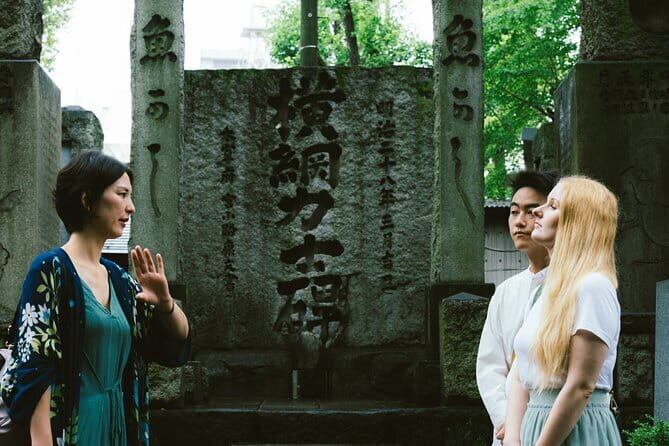
- Max six travelers keeps the pace human and questions easy
- Manami’s temple-and-shrine explanations help you read what’s in front of you
- Monzennakacho / Shitamachi stories connect religion to everyday local identity
- Water channels and local pride explain why this area became what it is
- Fudo-son Temple includes a free visit to a Buddhist daily ritual
- Fire ceremony at a Buddhist temple gives you a memorable, sensory moment
Monzennakacho and Shitamachi: East Tokyo’s Local Pride
If Tokyo feels too fast, Monzennakacho is a good antidote. This neighborhood sits in eastern Tokyo in the delta area between two big rivers, and that geography shows up in local life. You’ll hear how locals see themselves as builders and supporters of Edo-era prosperity for over 250 years.
The tour starts by anchoring you in local identity. You’ll learn about the term Edokko, used by locals to describe people who are not about wealth or polish, but about pride in how they helped build and sustain the old Tokyo. It’s a refreshing angle because it frames temples and shrines as part of a community story, not just sightseeing.
You begin with a cafe stop where the host gives a short presentation. This works well because it sets expectations before you’re walking through religious sites where manners matter. If you’ve ever felt unsure about what you’re supposed to do at a shrine or temple, that prep helps you relax.
You can also read our reviews of more tours and experiences in Tokyo.



Meeting Manami: A Small-Group Guide Who Brings Practice and Meaning
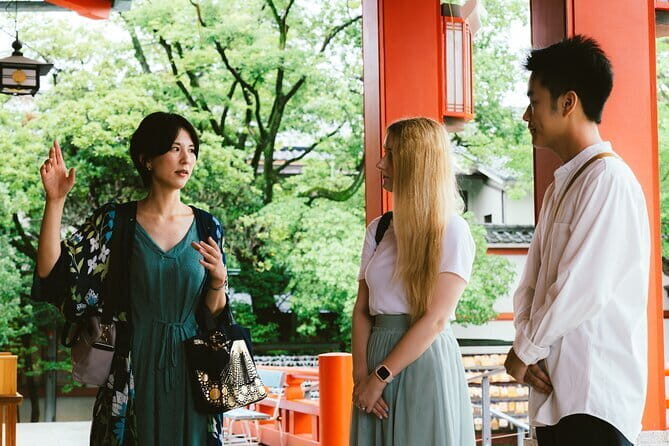
The real advantage here is the guide. Your guide is Manami, and the tone of the experience is personal and structured, not a scattershot walk with random facts. In the small group format, you’re not just following along—you can ask questions and get answers that match what you’re actually seeing.
One detail I appreciate from the way the tour is described: it’s built around explaining Buddhism and Shinto in a way that connects with behavior. You’re not only learning terms. You’re learning how people approach these places with manners and care.
Manami’s background also adds credibility to the experience. People who have done the tour highlight her depth of knowledge and patience, including that she holds a PhD. That matters because religious practice can get oversimplified on short tours, and you’ll want language and context that don’t flatten what you’re seeing.
Water Channels: The Unseen Engine of Shitamachi Life
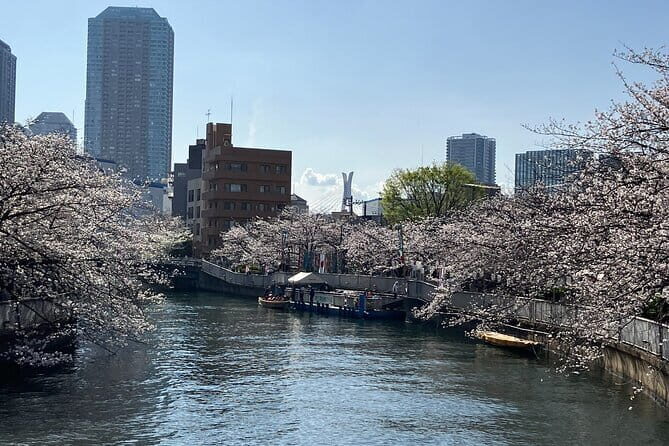
A standout part of the tour is the discussion of water channels. This is one of those details that doesn’t sound exciting at first—until you realize it explains the “why” behind local pride and economy. You’ll hear about what the water is, and how the unique local geography shaped daily life and work in Shitamachi.
This is where the tour earns its value for me. Instead of treating religion as a separate topic, it shows how place shapes people. When you understand how water routes influenced livelihoods and settlement patterns, temples and shrines start to feel like part of the same human system.
It’s also a nice shift from the usual Tokyo tour script. You’re not just ticking off famous buildings. You’re getting a local lens for why this area matters.
Fudo-son Temple: Buddhist Daily Ritual and Temple Manners
The Fudo-son Temple stop is central to the whole experience. Here you’ll learn about different religions in Japan, and you’ll also pick up guidance on manners. That combination is useful because it prepares you to behave appropriately and helps you understand what you’re witnessing instead of treating everything as decorative.
A key included benefit is a free visit to a Buddhist daily ritual. Even if you’ve seen temples before, this kind of access is the difference between watching and understanding. You’re seeing how practice fits into an ordinary rhythm, not just a special-event version of religion.
Then there’s the other major draw: the chance to watch a fire ceremony at a local Buddhist temple. This is the kind of moment that sticks because it feels real and sensory. If you like experiences where you can see intention and tradition in action, this is one of the best reasons to book.
Practical note: the tour mentions free admission for the temple stop, so you’re not scrambling over extra entry fees once you’re there. For some people, that alone makes the tour feel smoother.
Tomioka Hachimangu Shrine: The Shinto Side of the Story
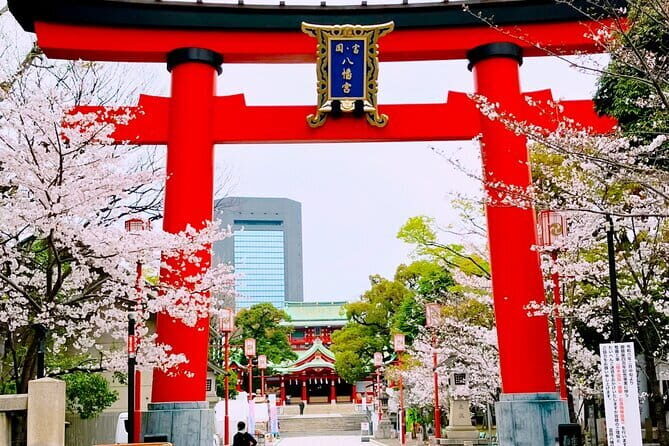
After the Buddhist-focused portions, the tour shifts to a Shinto stop at Tomioka Hachimangu Shrine. This is where the guide’s framing becomes especially helpful. You’re not just walking from one building to the next. You’re learning how Japanese religious practice can be experienced through different traditions side by side.
The shrine visit also comes with a small but meaningful cultural detail: you might see coin-throwing boxes, and small coins are optional. The tour is clear that coins are not mandatory. That’s important if you travel light or simply don’t want to fuss with rules you don’t fully understand. You can still participate respectfully without turning it into a budget problem.
What I like about this shrine segment is how it completes the “Buddhism & Shinto” theme. The tour isn’t trying to force you to pick a side. Instead, it helps you notice how people relate to these spaces through practice, manners, and local tradition.





What 1 to 2 Hours Feels Like (and Who This Tour Suits Best)

This is a 1 to 2 hour guided walking experience, so it fits nicely into a morning or afternoon when you want something more human than a long museum day. The route ends back at the meeting point, which makes planning easy. It also reduces the stress of last-day logistics.
Because the group caps at six travelers, the pacing stays manageable. You’re less likely to feel rushed through sacred spaces. That matters, since religious sites don’t work well when you’re sprinting for photos.
Who it’s best for:
- First-time visitors who want a solid introduction to Japanese religion through real sites
- People who like quiet neighborhoods rather than Tokyo’s busiest hotspots
- Travelers who appreciate manners and cultural context, not just sightseeing
- Anyone planning to visit other temples and shrines later and wants to go in with better understanding
One possible drawback is simply depth vs. time. In one short outing, you’re not going to learn every nuance of Buddhism or Shintoism. But the tour’s goal is exactly the right thing for many visitors: practical context, clear etiquette, and a few unforgettable moments tied to local identity.
Price and Value: Why $58.53 Can Make Sense Here
At $58.53 per person, this isn’t the cheapest walking tour in Tokyo. The question is whether the included parts justify the price—and in this case, I think they often do.
Here’s what you’re paying for:
- A guide-led experience in a small group (max six), which usually means more attention per person
- Temple time that includes a free visit to a Buddhist daily ritual
- A fire ceremony opportunity, which is the kind of moment you can’t easily schedule on your own as a casual visitor
- Time spent understanding Monzennakacho and Shitamachi through local stories like Edokko identity and water-channel geography
Also, admission for at least one key segment is listed as free. That reduces the typical Tokyo “surprise costs” feeling that can happen when tours stack paid attractions.
If you’ve ever tried to learn temple etiquette alone and ended up doing everything wrong out of stress, this kind of guided structure can be worth more than it sounds. You’re buying confidence and clarity, not just a route.
Getting Ready: Simple Tips That Keep the Tour Smooth
This tour is near public transportation, and it starts at Monzen-nakacho Station (2 Chome-4 Monzennakacho, Koto City, Tokyo 135-0048, Japan). You’ll also want your mobile ticket ready since it’s a mobile-ticket experience. If you’re the kind of traveler who likes calm mornings, arriving a few minutes early helps.
Shoes matter, since it’s a walking tour through neighborhood streets and temple/shrine areas. And because there’s a fire ceremony included as an opportunity, dress in a way that keeps you comfortable standing and watching.
If you want to participate in coin-throwing rituals, small coins are mentioned as possible, but not mandatory. That keeps the experience flexible. You can focus on the experience itself rather than turning it into a scavenger hunt.
Should You Book Explore Local Tokyo: Buddhism & Shinto?
I’d book it if you want religion in Tokyo with context. Not just locations, but the meaning behind manners, local identity, and daily practice. The combination of Monzennakacho/Shitamachi storytelling, a Buddhist daily ritual visit, and the chance to watch a fire ceremony makes this feel more “real Tokyo” than typical sightseeing.
Skip it if you only want famous landmarks or you hate any walking component in sacred spaces. This tour is focused on a quieter part of East Tokyo and on learning how people approach temples and shrines—so it’s not aiming to be a broad “see everything” sampler.
If your goal is to walk away understanding what you saw and how to behave next time you visit a temple or shrine, this is one of the smarter short tours to choose.
FAQ
How long is the tour?
It runs about 1 to 2 hours.
What’s the group size?
It’s a maximum of six travelers.
Where does the tour start and end?
It starts at Monzen-nakacho Station (2 Chome-4 Monzennakacho, Koto City) and ends back at the meeting point.
What’s included in the experience?
The tour includes a free visit to a Buddhist daily ritual.
Is the fire ceremony included?
You have the opportunity to watch a fire ceremony at a local Buddhist temple as part of the tour.
Do I need small coins for temples or shrines?
Small coins to throw in the box are not mandatory.
Is free cancellation available?
Yes, you can cancel up to 24 hours in advance for a full refund.