REVIEW · TOKYO
Mt Fuji Sightseeing Private tour with English Speaking Guide
Book on GetYourGuide →Operated by LUXY Tour & Travels · Bookable on GetYourGuide
Fuji days usually live or die by timing, and this one is built around the big views plus flexible pacing. You’ll start with Tokyo hotel pickup, then ride up toward Mt. Fuji 5th Station for panoramic photos, before continuing into the Hakone geothermal and shrine side of the day. In practice, it’s a clean, low-stress way to see the famous highlights without juggling trains or crowded tour groups.
I especially like two things about this experience. First, you get a private vehicle and an English-speaking guide, so you can ask real questions and shift the day when the weather or your energy level changes. Second, the day is packed with the kinds of stops that make the Fuji story feel complete, from viewpoint areas to culture and volcanic scenery, with plenty of time to stop, look, and take pictures with guide help from people like Ali and Usman.
One consideration: weather can shut down views, and the full day is still a lot of moving around. If you’re set on specific photo spots (and Mt. Fuji is playing hide-and-seek), you’ll want to keep expectations flexible and trust the guide’s timing choices, like starting earlier to beat traffic.
In This Review
- Quick Hits: What Makes This Mt. Fuji and Hakone Private Tour Work
- How the Day Is Designed: Private Time, Not Tour-Queue Time
- Starting in Tokyo: Pickup That Sets the Tone
- Mt. Fuji 5th Station: The View Most People Dream About
- Lake Kawaguchi and Oishi Park: Fuji Views in Easier, Photo-Ready Settings
- Arakurayama Sengen Park and Chureito Pagoda: The Iconic Shot, the Real Lines
- Oshino Hakkai: When Fuji Becomes Water, Not Just a Mountain
- Kitaguchi-hongu Fuji Sengen Shrine: A Calm Pause in the Trees
- Aokigahara Forest: Short Walk, Big Mood
- The Hakone Side: Owakudani Geothermal and Hakone Shrine
- Lake Ashi Cruise and Lake Towns: If You Want the Slower Scenic Pace
- Lunch in Hakone: Useful Optional Time, Not a Deal-Breaker
- What You’re Really Paying For (And Why It’s Not Just the Price)
- Timing and Weather: How to Maximize Your Odds of Seeing Fuji
- Best Fit: Who This Tour Suits Most
- Should You Book This Mt. Fuji and Hakone Private Day Trip?
- FAQ
- How many people are in the private group?
- Where do you get picked up in Tokyo?
- What’s included in the tour price?
- Is lunch included?
- How long is the tour?
- What languages can the live guide speak?
- Can I cancel for a full refund?
Quick Hits: What Makes This Mt. Fuji and Hakone Private Tour Work
- Door-to-door pickup in Tokyo: You skip train planning and meet your guide at your hotel or a Tokyo station.
- Mt. Fuji 5th Station time is protected: You get a guided hour at the height most day trips aim for.
- Photo-friendly pacing: Guides in this company’s rotation, including Ali and Usman, are known for helping with pictures at key stops.
- Hakone geothermal without the hassle: The tour includes Owakudani Valley geothermal sights, plus Hakone Shrine.
- Extra scenery stops that fill the gaps: Stops like Oshino Hakkai and Chureito Pagoda help you see more than just one viewpoint.
- Private group size up to 3: This keeps the day comfortable, especially with kids or people who don’t love crowds.
How the Day Is Designed: Private Time, Not Tour-Queue Time
This is a 10-hour private day trip built for people who want famous landmarks, but also want the freedom to move at a human pace. For $381 per group (up to 3 people), you’re paying for transportation from Tokyo plus a guide who can explain what you’re seeing and help you time each stop.
The real value here is the door-to-door aspect. Tokyo is great, but it’s not always fun when you’re rushing between locations. With pickup and drop-off arranged, you can focus on the view windows and the slower moments like walking around shrines or lingering at scenic parks.
Your guide will also try to make the day work around conditions. Multiple guides associated with this service (Ali, Usman, Zaman, Qasim, and others) are praised for smart timing choices like leaving earlier to reduce Tokyo traffic. That matters because early hours can mean better light, calmer roads, and a higher chance of clear views.
You can also read our reviews of more guided tours in Tokyo

Starting in Tokyo: Pickup That Sets the Tone
The day begins with pickup from your hotel, apartment, or a Tokyo train station. That sounds simple, but it removes one of the biggest friction points of Fuji/Hakone days: figuring out the right train connection, then arriving stressed, then spending your limited sightseeing time in transit.
Because this is a private vehicle, you’re not stuck with the slowest people in a bus. If your group includes a parent pushing a stroller or someone who needs more frequent breaks, this style of routing tends to feel easier. You’ll also likely have space to keep your bags under control and pack snacks for the long day.
Plan for a long sit in the car. Even with a private vehicle, you’re traveling between Tokyo and the Fuji/Hakone region and then moving between scenic stops. Comfortable clothes and a light layer help, especially if you’ll be near colder mountain air at elevation.
Mt. Fuji 5th Station: The View Most People Dream About
The day’s Fuji centerpiece is Mt. Fuji 5th Station, with a guided visit of about one hour. This is where your expectations start to line up with reality: the air feels sharper, the views open wide, and you get that rare sense of being close to the mountain’s scale.
What you’ll do there is straightforward: you’ll walk around viewpoint areas, take photos, and get guidance from your English-speaking guide. If you’re hoping for clear sightlines, this is the moment to treat like a priority. More than one guide associated with this service has helped guests maximize visibility even on less-than-perfect days, including cases where Fuji wasn’t crystal clear but still showed itself from the station.
A practical note: temperatures can swing quickly at altitude. Bring layers and wear shoes you can trust on uneven ground. Also, expect winds and crowds depending on the season and time. Even on a private tour, 5th Station is popular.
Lake Kawaguchi and Oishi Park: Fuji Views in Easier, Photo-Ready Settings
After 5th Station, the itinerary commonly includes Lake Kawaguchi and Oishi Park, each with about an hour for guided exploration. This is a good strategy. You get mountain elevation views first, then you drop back into calmer lake scenery where Fuji often looks more approachable.
At Lake Kawaguchi, you’re aiming for the classic Fuji reflection angle and the wide, scenic outlooks. At Oishi Park, you’ll likely spend time walking around viewpoint areas and soaking in the scenery. These stops are also where your guide’s recommendations help: they can point you toward the best angles based on where the light is hitting and what the sky is doing.
Potential drawback: if it’s cloudy, you can still enjoy lake-town atmosphere, but the iconic Fuji look may fade. That’s why smart scheduling and early starts matter. Guides linked to this service are praised for adapting the day so you still see enough even when the weather shifts.
Arakurayama Sengen Park and Chureito Pagoda: The Iconic Shot, the Real Lines
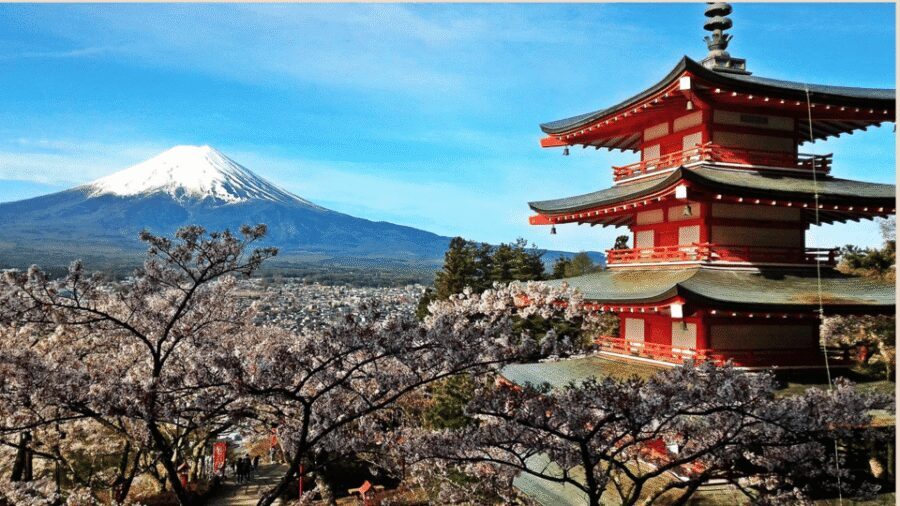
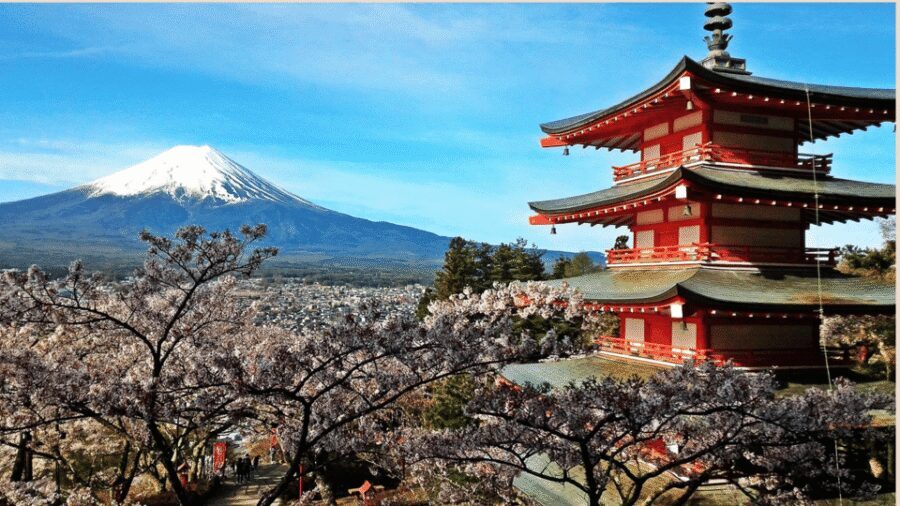
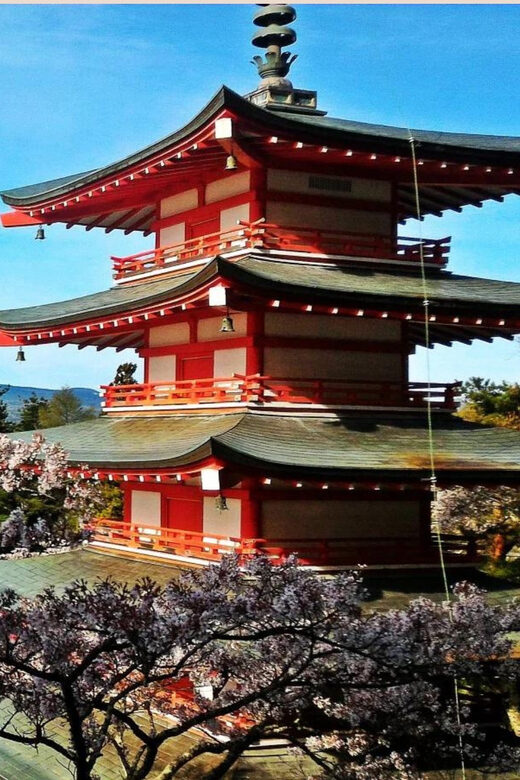
Next on the route you may visit Arakurayama Sengen Park, with shopping and sightseeing time. This stop is famous for views over the town and for the area around Chureito Pagoda. The itinerary lists Arakurayama Sengen Park as a guided hour and then includes Chureito Pagoda as a guided visit.
This is one of those places where photography is the main activity. You’ll walk, look, and time your photos. The upside is you get one of Japan’s most recognizable Fuji-and-pagoda compositions. The downside is that this area can be busy. Even with a private guide, you’ll still share space with other visitors.
If crowds bother you, go with the flow. Your best move is to keep your camera ready, follow your guide’s pacing, and accept that the best spot can change minute by minute depending on who’s moving through.
You can also read our reviews of more private tours in Tokyo


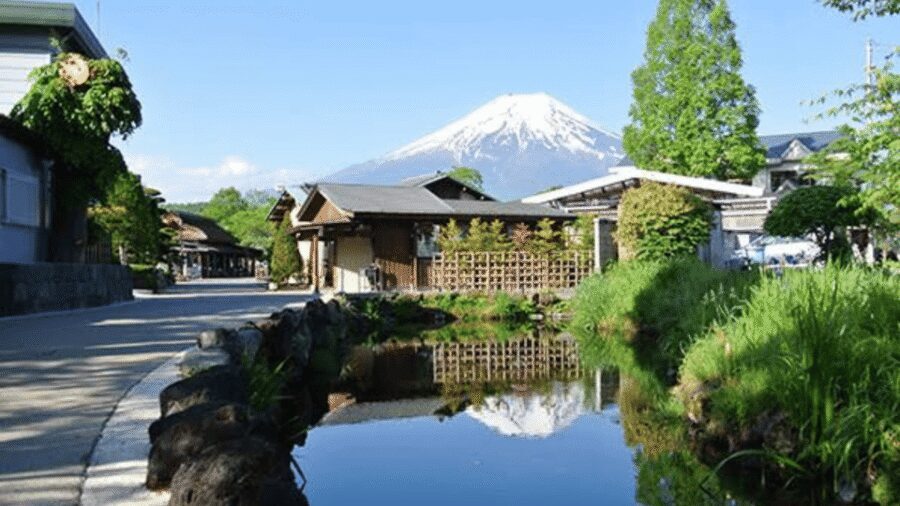
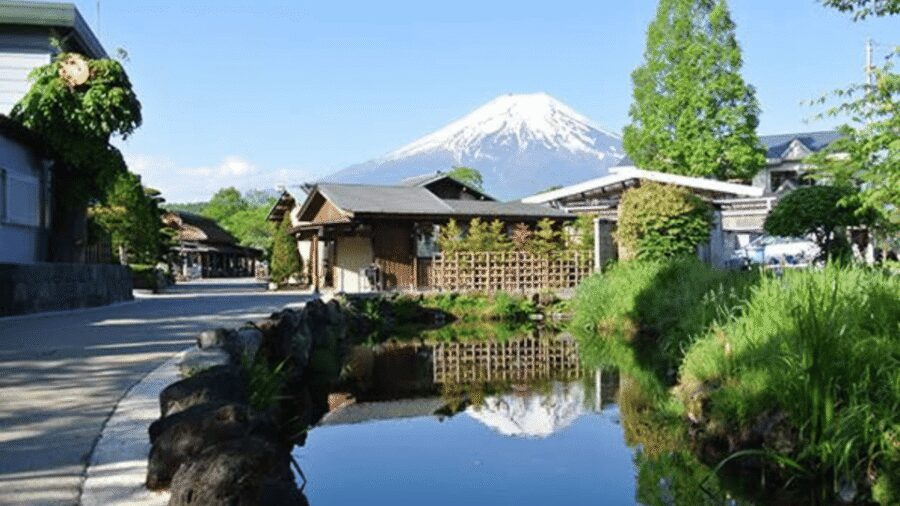
Oshino Hakkai: When Fuji Becomes Water, Not Just a Mountain
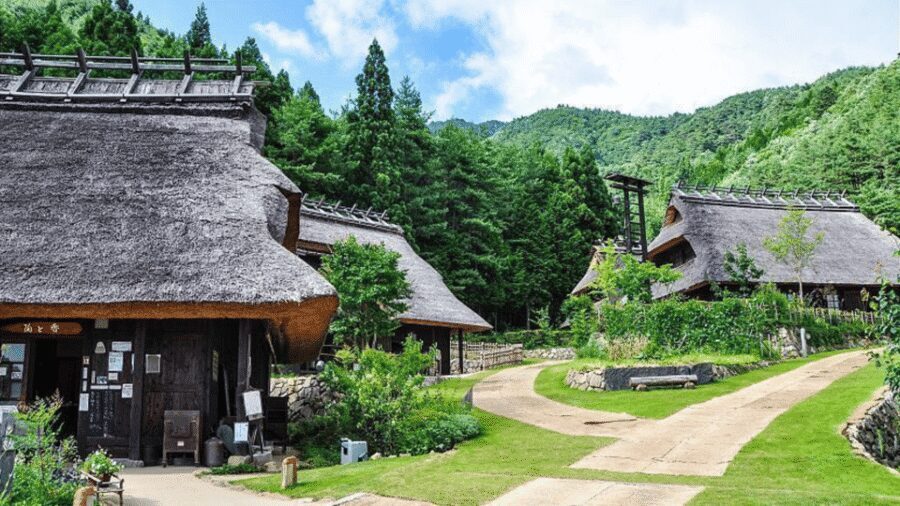
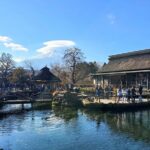
Oshino Hakkai is a guided stop of about one hour. This is different from viewpoints and pagoda shots. It’s more about water features and the village atmosphere tied to the Fuji region.
If you like variety, this is a strong mid-day reset. It breaks the day up so it’s not only stair-walking and sweeping overlooks. You get time to wander and see why this area is popular for people who want the Fuji region’s quieter side.
You should expect some walking, but it’s usually the gentle kind. Wear shoes you can move in comfortably and be ready for short distances between areas.
Kitaguchi-hongu Fuji Sengen Shrine: A Calm Pause in the Trees
One of the itinerary stops includes Kitaguchi-hongu Fuji Sengen Shrine, with about 40 minutes for guided sightseeing. A shrine visit changes the tone of the day. The views are still part of the experience, but the focus shifts toward place, ritual, and the meaning locals attach to Mt. Fuji.
This stop is particularly worth it if you want more than photos. A good guide helps you connect the dots: why the shrine matters and how the Fuji area is tied to belief. In the Hakone/Fuji regions, religion isn’t just a building. It’s part of how people understand the mountain and how they mark seasons.
Practical side: keep your voice low and follow local cues. You’ll likely find it cooler in shaded areas, so layers help even if the morning started warm.
Aokigahara Forest: Short Walk, Big Mood
The itinerary includes Aokigahara Forest with free time and a walk for about 30 minutes. This is a heavy-feeling stop compared with the bright viewpoint areas. Even if you’re only there briefly, the atmosphere can make the day feel quieter and more introspective.
The short walk is a practical choice. You get a taste of the forest environment without turning the day into an all-day hike. Bring comfortable shoes and water, and stick close to your guide during the parts where you’re not sure of directions.
Because this is a sensitive area, it’s a good moment to keep your pace steady and your attention on safety. If anyone in your group doesn’t like walking or has mobility limits, tell your guide early so they can adjust your timing within the tour.
The Hakone Side: Owakudani Geothermal and Hakone Shrine
This tour is also designed to include the Hakone geothermal and shrine elements, including Owakudani Valley and Hakone Shrine. These are major draws because they show Fuji’s influence in a way that feels physical: steam vents, boiling pools, and the volcanic energy people come to see.
Owakudani also has a specific cultural-food tradition tied to the area: the famous black eggs that are said to add years to your life. You may be able to try them if available locally, but this isn’t something you should treat like a requirement. The bigger point is the geothermal spectacle and the sense of standing at an active part of Japan’s volcanic system.
Afterward, Hakone Shrine brings you back to a more grounded rhythm. The shrine setting is described as serene and forested in the tour overview, which makes it a nice balance against the harsh heat and steam of Owakudani.
Lake Ashi Cruise and Lake Towns: If You Want the Slower Scenic Pace
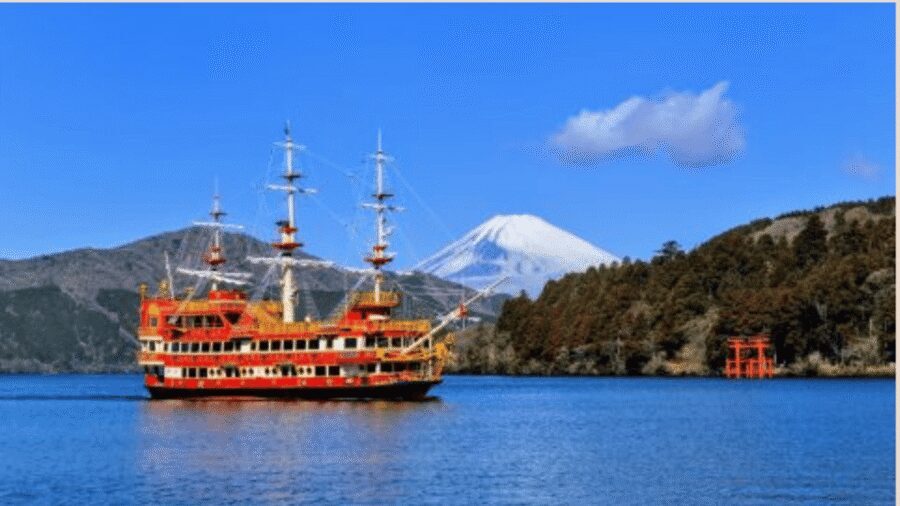
The tour description also calls out a Lake Ashi cruise with Mt. Fuji as a backdrop. That fits perfectly with what many people want after doing elevated viewpoints and volcanic stops: a calmer ride where you can look outward without worrying about walking stairs or parking.
Some versions of the day structure emphasize lake towns and viewpoints around the Fuji region and then shift into Hakone. Either way, the cruise is a good “breather” because it reduces walking while still giving you big scenery.
If Mt. Fuji is out, this is one of the best times to enjoy it without crowds blocking your line of sight.
Lunch in Hakone: Useful Optional Time, Not a Deal-Breaker
Lunch is optional and not included in the base price. That’s not necessarily bad. It usually means your guide can pick a spot based on your preferences and the timing of the day.
It’s also your chance to try regional flavors in Hakone instead of eating something generic near a tourist checkpoint. Just keep in mind that lunch timing can affect your later visibility at viewpoints, especially on days with good weather.
Tip: if you have dietary needs, tell your guide early. The tour is described as customizable, and guides on this service are praised for tailoring the day to the group’s pace, including handling families and small kids smoothly.
What You’re Really Paying For (And Why It’s Not Just the Price)
At $381 per group up to 3, this isn’t a budget coach tour. You’re paying for:
- A private vehicle and driver
- An experienced English-speaking guide
- Hotel pickup and drop-off
- A long, packed route that covers Fuji viewpoints plus Hakone geothermal and shrine stops
- Bottled water, plus room to adjust the day
For families, small groups, or anyone who wants to avoid train stress, the cost can feel fair. If you were to do it by yourself, you’d likely spend real time coordinating transport and then lose flexibility when weather changes.
Value can also come down to guide quality. Reviews highlight guides like Ali and Usman for professional driving, communication, patience, and photo help. When your guide handles timing well, the day becomes smoother and you get more out of every stop.
Timing and Weather: How to Maximize Your Odds of Seeing Fuji
Mt. Fuji is famous for making plans look silly. The good news is you have tools here.
First, start early when your guide suggests it. Multiple guides are credited with recommending an earlier departure to dodge traffic and help with clearer viewing conditions. Second, treat the 5th Station hour as your anchor. If visibility improves, you’re already in position.
Third, be flexible with expectations. Even if Fuji isn’t perfect everywhere, the viewpoints still give you a sense of scale and the region still delivers scenery, shrines, and volcanic drama.
Bring layers, sunscreen, and sunglasses. The mountain day can feel intense: strong sun at breaks, colder air when you’re higher, and weather swings even within the same outing.
Best Fit: Who This Tour Suits Most
This is a great match if you:
- Want a private day with English-speaking guidance
- Care more about smooth logistics than DIY planning
- Like classic Fuji photos plus Hakone’s geothermal and shrine stops
- Travel with a small group (up to 3) and want quieter pacing
It also tends to suit families, based on feedback that one guide was patient even with a one-year-old. If you’re traveling with mobility limits, the tour includes walking at multiple viewpoints and parks, so plan for short, manageable distances and tell your guide what you need.
The tour is not suitable for people over 95 years, and that’s a good reminder that this is still a long day with stop-and-go movement.
Should You Book This Mt. Fuji and Hakone Private Day Trip?
Book this tour if you want a stress-free, private way to cover both Mt. Fuji highlights and Hakone’s volcanic and shrine atmosphere in one day. The combination of Tokyo pickup, a guided 5th Station visit, and the Hakone geothermal core is a smart way to avoid wasting time piecing together trains and bus transfers.
Skip or reconsider if your plan is extremely weather-dependent and you can’t handle partial views. On cloudy days, you’ll still get scenery and cultural stops, but the iconic Fuji look may not be consistent across every viewpoint.
If you do book, do two things: bring proper layers and shoes, and trust your guide’s suggestions about timing. Guides tied to this service are praised for smart routing and photo help, which can turn a good day into a memorable one.
FAQ
How many people are in the private group?
The tour price is listed per group up to 3 people, and it is a private group experience.
Where do you get picked up in Tokyo?
Pickup is optional from your hotel in Tokyo (and it also mentions pickup from any kind of train station in Tokyo).
What’s included in the tour price?
Included are the private vehicle and driver, an English-speaking guide, hotel pickup and drop-off, visits to Mt. Fuji 5th Station, Owakudani Valley, and Hakone Shrine, plus bottled water.
Is lunch included?
Lunch is optional and not included in the base price. You can arrange lunch at a local restaurant in Hakone.
How long is the tour?
The duration is 10 hours, and starting times depend on availability.
What languages can the live guide speak?
The guide language options listed include English, Urdu, Hindi, Japanese, Punjabi, Nepali, and Vietnamese.
Can I cancel for a full refund?
Yes, free cancellation is available up to 24 hours in advance for a full refund.