REVIEW · TOKYO
Sumo Morning Training Watch in Tokyo,Hotel-pickup w/English guide
Book on Viator →Operated by True Japan Tour · Bookable on Viator
Sumo is loud, up close, and oddly calm. This Tokyo morning stable visit puts you behind the scenes of professional sumo training, not just watching matches from far away. I especially liked how the tour handles the hard parts—early logistics plus an English-speaking guide—so you can focus on what matters: the discipline, the routine, and the physical power you can see at arm’s length.
My favorite part was the training itself: you’ll witness basic exercises, then serious practice matches, and you may even get photo time afterward (schedule dependent). A small caution: the stable stop involves early pickup and getting to the stable by public transit and walking, so plan for an active morning and bring good shoes.
In This Review
- Key highlights worth waking up for
- Why Tokyo Sumo Morning Training Feels Different
- The 7:30 am Pickup-and-Transit Route to the Stable
- Timing reality check
- What You’ll Actually See: Exercises, Rituals, Practice Matches
- 1) Basic sumo exercises
- 2) Practice matches
- 3) After the session: photos (if the schedule allows)
- How the English Guide Makes Sumo Click (Even When You Can’t Talk)
- The bonus: your guide knows what questions matter
- Photo Time and Close-Up Moments With Rikishi
- Seating: low cushions, low chairs, plan for comfort
- Price and Value: What $159.88 Buys You
- What’s not included
- Practical Tips That Make the Morning Go Smooth
- Bring the right mindset
- Shoes and transit readiness matter
- Think about seating comfort
- Expect close-up training intensity
- Who This Tour Is Best For (and Who Should Skip It)
- Should You Book Sumo Morning Training in Tokyo?
- FAQ
- What time does the tour start?
- How long is the experience?
- Is hotel pickup included?
- Is hotel drop-off included?
- Are meals or drinks included?
- Will I need to use public transportation and walking?
- What’s the group size limit?
- Is there an English-speaking guide?
- Do I get a mobile ticket?
- Are there dates when this isn’t available?
Key highlights worth waking up for
- Hotel pickup and English guide support so you’re not wrestling with Japanese transit at 7:30 am
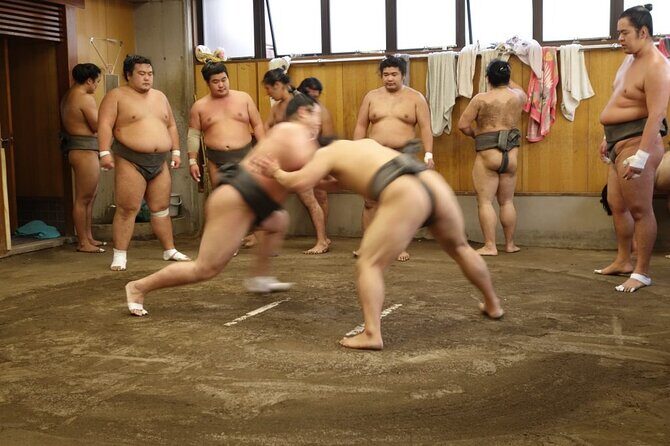
- A real sumo stable where you can see drills, rituals, and practice matches up close
- Q&A time with your guide helps the sport click fast, even if sumo feels confusing at first
- Photo opportunities at the end (when the schedule allows) for a true close-up memory
- Small group size capped at 15, which keeps the experience more personal
- No talking during training means you’ll rely on your guide’s explanations at the right moments
Why Tokyo Sumo Morning Training Feels Different
Tournament days get the spotlight, but training days show the work. At a sumo stable, you see how wrestlers build their bodies and sharpen timing long before any arena crowd shows up. That matters, because sumo is not just a clash—it’s habits. It’s repetition. It’s learning the little pieces that make the big moments possible.
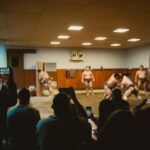
The tour is built around exactly that training view. You’re not stuck outside taking distant photos through railings. Instead, you’re in the space where the routine happens: stretches, drills, conditioning, and practice bouts. And because it’s a working stable, the atmosphere feels serious—not like a theme-park show.
What I liked most is that the tour doesn’t treat you like a spectator only. Your guide walks you through the traditions, history, and rules so you can actually follow what you’re seeing. Guides in past groups have included people like Hiromi, Koichiro, Midori, Atsushi, and Yuka, and the consistent pattern is the same: they help you connect the actions on the floor to the meaning behind them.
You can also read our reviews of more guided tours in Tokyo


The 7:30 am Pickup-and-Transit Route to the Stable
This starts early—7:30 am—and the morning begins with hotel pickup (hotel drop-off is not included). That early start can feel like a jump in the deep end, but it’s also what makes the experience feel authentic. You’re catching training while it’s in motion, not after the best parts have already happened.
How do you get there? The tour uses public transportation and walking. People have specifically recommended being ready for transit plus foot time, and they’ve also suggested having a Suica card and wearing comfortable walking shoes. That’s practical advice. Tokyo stations are easy once you’re oriented, but at 7:30 am your brain wants fewer surprises.
Once you’re on the way, your guide doesn’t go quiet. You get context about sumo and Japan during transit, and that helps you arrive with mental captions ready. Some guides also add a small cultural stop on the way back—things like a local shrine or temple—depending on the session and routing. Think of it as bonus texture to round out the morning, not a guaranteed extra every single time.
Timing reality check
The whole experience is about 3 hours. That’s long enough for training plus explanations and photo time, but short enough that you won’t lose your whole day to an early start. Still, you’ll want to treat it like a proper morning commitment. This is not a late brunch plan.
What You’ll Actually See: Exercises, Rituals, Practice Matches
The stable schedule can vary by the stable and training session, but the structure is usually the same. You’ll get three big phases: basic conditioning, serious practice bouts, then wrap-up.
1) Basic sumo exercises
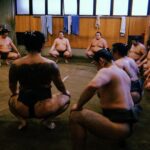
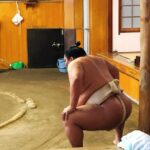
This is where you see the foundations. Expect drills aimed at strengthening legs and hips, plus upper-body work and muscle-building routines. Even before you understand all the rules, you can tell this isn’t casual. Wrestlers repeat movements with purpose—like athletes preparing for a specific test.
You’ll also notice the sense of routine and tradition. Sumo training carries ritual. It’s part of how they set the day, focus the mind, and remind everyone what the sport stands for.
A few more Tokyo tours and experiences worth a look
2) Practice matches
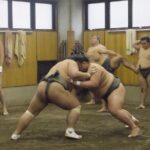
Then comes the headliner. You’ll watch practice bouts between wrestlers. This is often described as a must-see part of the training, and that makes sense: it’s where you see technique under pressure.
One thing to keep in mind: the training you observe may feel more or less intense depending on the season and the specific training cycle. In some cases, sessions during major tournament periods can look different than you’d expect. You might see more time devoted to routine and precision, or you might see heavier sparring energy. Either way, you’re watching real training, not staged entertainment.
And yes, you can feel the force. Even from close seating, the impact is noticeable in a way that TV never captures.
3) After the session: photos (if the schedule allows)
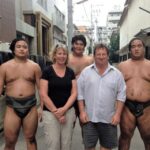
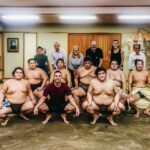
After training, you may get a chance for photos with wrestlers. This isn’t something you should treat like a guaranteed photo-op lottery ticket, because timing can depend on how the stable runs the morning. But the tour repeatedly includes this possibility, and it’s one of the most praised parts of the experience.
How the English Guide Makes Sumo Click (Even When You Can’t Talk)
In the stable, there’s typically a rule about quiet during training. That’s not about politeness theater—it’s about not distracting the wrestlers. The result is that your guide has to do a lot of the explaining at the right times.
Here’s what that means for you:
- Before training, your guide sets the stage with what to look for.
- During training, your guide helps you understand key moments without breaking the silence.
- After training, you often get time for deeper Q&A.
One practical detail that’s stood out in past experiences: since the facility expects quiet, some guides use tools like a dry-erase board for communication when questions come up during practice. That’s smart. You still stay respectful, but you don’t have to sit there confused.
The guides also help you connect the dots between what you’re seeing and who’s who. In at least some sessions, guides have pointed out wrestlers’ relative standing and what to watch for as they train. That makes the sport feel less like a mystery match and more like a ladder system with logic behind it.
The bonus: your guide knows what questions matter
Because this is small-group sized, your guide can tailor explanations on the spot. If you ask questions about rules, rankings, or traditions, you’re more likely to get meaningful answers instead of a generic speech.
Guides named Hiromi and Koichiro have been singled out for being kind, attentive, and good at answering questions. That’s the difference between learning sumo as a concept versus learning it as something you can watch.
Photo Time and Close-Up Moments With Rikishi
The close-up feeling is a major reason this tour earns such strong marks. When you’re near the ring area—close enough to feel like you’re part of the training space—the sport becomes real in a way you can’t replicate elsewhere.
Photo time at the end is also a big deal. Many people value it because it turns your morning memories into something tangible. You get a chance to meet wrestlers briefly, and the moment tends to land well because it happens after training, when the session is already underway and the stable’s flow makes sense.
Seating: low cushions, low chairs, plan for comfort
Here’s a practical note. Seating can include cushions on the floor near the ring, and some stables may provide chairs that are very low to the ground. If you have trouble getting up from the floor or squatting positions, consider that ahead of time. Bring patience for a morning of sitting and watching, not a morning of wandering.
And since you may be close enough to hear and feel training intensity, you may find your body reacts too. It’s physical sport work, not background noise.
Price and Value: What $159.88 Buys You
At $159.88 per person, this isn’t a budget walk-by activity. You’re paying for three things that usually cost real money if you DIY:
1) Hotel pickup (and you don’t have to find the right meeting point first thing in the morning)
2) A nationally-licensed English-speaking guide who explains what you’re seeing
3) Access to a real training stable session, plus the structure that gets you there on time
A big value signal is the small group size—up to 15 people. That keeps the experience from turning into a mass rush where questions die on the vine. Instead, you can actually ask things.
Another value point: your guide often helps you understand the sport quickly. If you’ve ever watched sumo without context, you know it’s easy to miss what matters. This tour is built to reduce that confusion cost.
What’s not included
No food and no drink are included. Plan your energy accordingly. Eat before pickup if you can, and consider bringing water if that’s practical for you on the walk and transit segments.
Also, hotel drop-off isn’t included. Your morning ends back at a train station area, so you’ll continue your day from there.
Practical Tips That Make the Morning Go Smooth
If you want this to feel easy instead of rushed, focus on a few simple prep steps.
Bring the right mindset
This is a quiet, disciplined environment. Don’t treat it like a casual museum stop. Your best move is to watch first, ask questions at the right times, and let your guide do the translation work.
Shoes and transit readiness matter
Because you’ll use public transit and walking, wear shoes that handle uneven or worn surfaces and longer-than-expected walking stretches. The Suica card tip is common for a reason: it reduces friction when you’re bouncing between lines.
Think about seating comfort
Low cushions and low chairs can be a strain if you’re not used to getting up and down from the floor. If that’s you, plan for it. Bring a sense of humor about your knees. It helps.
Expect close-up training intensity
The impact of practice is more noticeable up close than you might expect. If you’re squeamish about heavy physical action, this may still be okay, but it’s not a soft-focus sports experience. It’s training for a real sport with real stakes.
Who This Tour Is Best For (and Who Should Skip It)
This works especially well if you:
- Want an authentic stable experience instead of a generic sightseeing shortcut
- Like sports and want to understand the sport’s logic, not just admire it
- Prefer guided context that helps you follow rules and traditions fast
- Enjoy early mornings if the reward is worth it
It may be less ideal if you:
- Hate early starts and long walks before breakfast
- Struggle with sitting on the floor or getting up from low seating
- Want an activity that includes food and a relaxed schedule built for late mornings
If you’re mainly after a daytime stroll or a casual “see sumo somewhere” moment, look for alternatives. But if you want to understand sumo in the place where it’s actually made, this is one of the more direct routes.
Should You Book Sumo Morning Training in Tokyo?
I think you should book it if your priority is real access and real context. The hotel pickup, the English guide, and the chance to see drills plus practice matches in a working stable are a strong combo for first-time sumo fans.
The only reason to hesitate is logistics comfort: the early start, public transit, and walking add up. If you can handle that, you’ll likely find the experience goes way beyond watching athletes. You’ll come away understanding how training works, why routines matter, and what sumo looks like when it’s not simplified for TV.
If you’re choosing one sumo experience in Tokyo, this is the one that feels most like you’re there for the sport itself.
FAQ
What time does the tour start?
The tour start time is 7:30 am.
How long is the experience?
The duration is about 3 hours.
Is hotel pickup included?
Yes. Hotel pickup is included.
Is hotel drop-off included?
No. Hotel drop-off is not included.
Are meals or drinks included?
No. Food and drink are not included.
Will I need to use public transportation and walking?
Yes. The stable is reached using public transit and walking, and it’s helpful to have a transit card and comfortable walking shoes.
What’s the group size limit?
The experience has a maximum of 15 travelers.
Is there an English-speaking guide?
Yes. The tour includes a nationally-licensed English speaking guide.
Do I get a mobile ticket?
Yes. A mobile ticket is included.
Are there dates when this isn’t available?
Yes. The program is not available on these date ranges in 2025: May 10–June 5, June 26–August 6, September 13–October 8, and October 23–December 3.
If you want, tell me your travel dates and where you’re staying. I can help you sanity-check whether the early pickup and walking/transit will fit your schedule.