REVIEW · HAKONE
2 Hour Onsen Calligraphy Experience
Book on Viator →Operated by Onsen Experience Lab – Yuno-iro · Bookable on Viator
Hot spring water makes your ink feel different. In Hakone, you write calligraphy inside a historic ryokan, mixing sumi with real onsen water for a calm, hands-on culture moment.
I love how the teacher keeps it simple and shows you how to hold the brush slowly, so even first-timers can get a character they feel proud of. I also love the sensory side: the quiet air, the soft sound of water outside, and that slight hot-spring scent coming from the ink.
One consideration: this is a focused 2-hour workshop, not a long onsen session. If you want a full bath routine or extra onsen hopping, plan for extra time before or after.
In This Review
- Key Things I’d Bet You’ll Like
- Why Onsen Water Calligraphy Feels So Different in Hakone
- Arriving at Yumoto: The Ryokan Setting and What It Means for Your Experience
- Your Workshop Flow: From Hakone Hot Springs Intro to Finished Artwork
- Mixing Sumi With Real Onsen Water: The Sensory Detail That Really Matters
- Writing on Paper or a Uchiwa Fan: Choose the Memento That Fits Your Style
- The Teacher’s Technique: How Beginners Get Good Results Fast
- Timing, Group Size, and Getting the Most From the 2 Hours
- Price and Value: What $60 Buys You in Hakone
- What’s Not Included (And How to Plan Around It)
- Who This Onsen Calligraphy Session Is Best For
- Should You Book This Hakone Onsen Calligraphy Workshop?
- FAQ
- How long is the onsen calligraphy experience in Hakone?
- Where does the experience start, and when does it end?
- How much does the workshop cost?
- What’s included in the price?
- Do I need calligraphy experience before I go?
- Can I get a full refund if I cancel?
Key Things I’d Bet You’ll Like
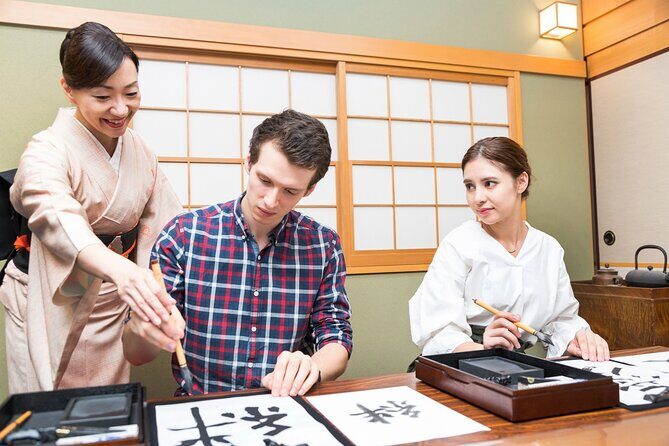
- Real onsen water ink prep: You mix your ink using hot spring water, and it changes the feel and aroma.
- Ryokan calm, not classroom energy: The space is quiet and slow, so you concentrate naturally.
- A take-home piece that feels personal: You create on traditional paper or on a uchiwa fan and leave with your artwork in a take-home bag.
- Small group size (up to 8): More attention, less waiting, and a smoother pace.
- Beginner-friendly instruction: You get guidance on brush grip and strokes, even if you’ve never done calligraphy.
- Complimentary Japanese tea: It’s a small detail, but it makes the workshop feel complete.
Why Onsen Water Calligraphy Feels So Different in Hakone
Hakone is famous for hot springs, but this experience gives you a way to touch that culture instead of just watching it from afar. The key twist is practical: you prepare your ink with real onsen water. That means the workshop isn’t just symbolic. It’s physical. The ink behaves differently, and the smell is different too.
I like that this doesn’t try to turn calligraphy into a performance. You’re in a peaceful ryokan setting, and the goal is to slow down enough to feel your strokes. In the reviews, people keep describing the same theme: quiet air, water sounds outside, and ink scent that pulls you out of your usual rush.
The value for you is that you walk away with something you can actually use. Not a postcard. Not a photo. A real piece you made.
A few more Hakone tours and experiences worth a look


Arriving at Yumoto: The Ryokan Setting and What It Means for Your Experience
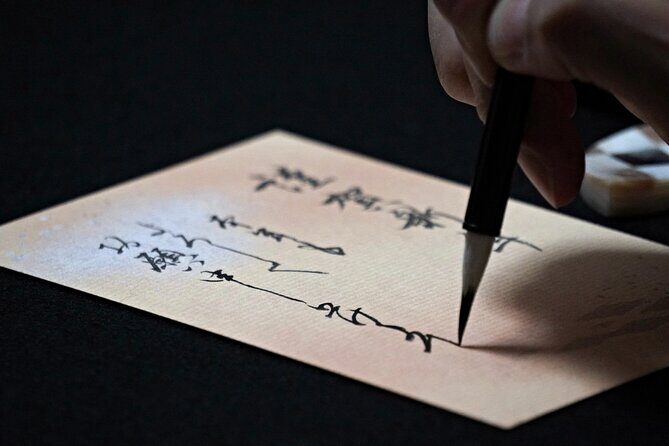
The meeting point is at 655 Yumoto, Hakone, Ashigarashimo District, Kanagawa 250-0311. The activity ends back at the meeting point, so you’re not stuck coordinating a complicated return.
You’ll be in an indoor space at an onsen ryokan (the venue fee is included). That matters more than it sounds. Ryokan interiors tend to feel designed for quiet. Low noise. Calm light. Space to sit and focus. When you combine that atmosphere with brush work, it turns into a stress reset, not another sightseeing stop.
Also, this is a small group tour with a maximum of 8 travelers. In a workshop like this, that’s not trivia. It affects how often the teacher can check your grip, your angle, and whether your strokes are landing the way they should. You’ll feel less like a number.
Your Workshop Flow: From Hakone Hot Springs Intro to Finished Artwork
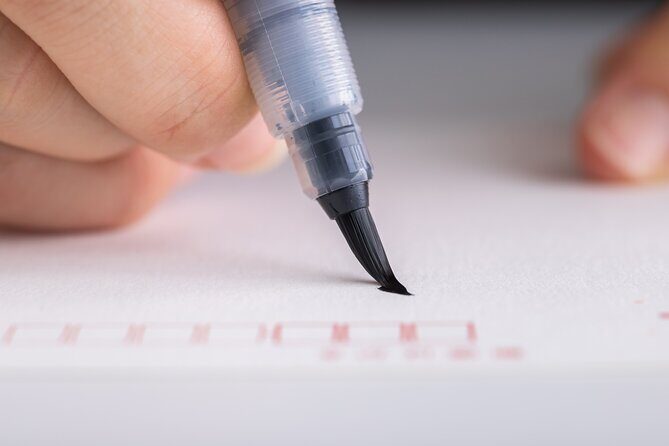
You start with a short introduction that connects Hakone’s hot springs to calligraphy culture—history and cultural significance, explained in a way that sets the mood for the work you’re about to do. This isn’t just background reading. It gives meaning to the materials, especially the onsen water.
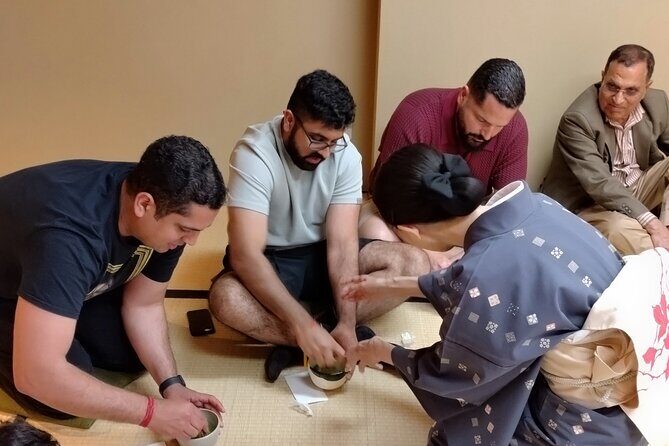
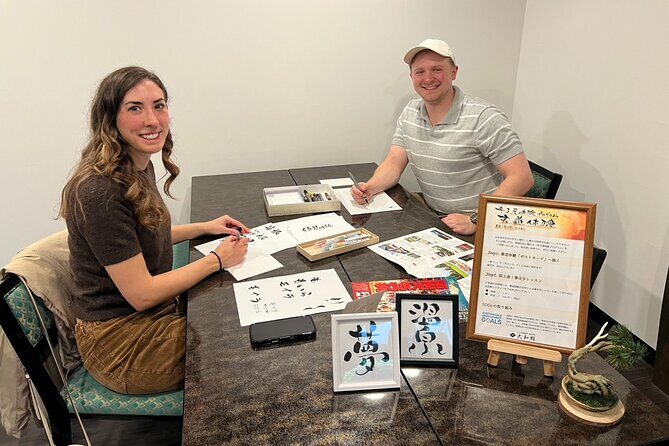
Then you settle in for the hands-on parts. Expect the basics of brush control and stroke order to be taught with patience. Even when you’ve never written characters before, you’re not thrown into the deep end. The instructor shows you how to hold the brush slowly, and that one change can completely change your results.
After that comes the centerpiece: you create your piece on traditional Japanese paper or on a uchiwa (Japanese round hand fan). You take home your own creation, stored in a take-home bag provided for you.
And yes, there’s time for a pause. Complimentary Japanese tea is served during the experience. It’s simple, but it helps you slow down and treat the workshop like an event, not a quick errand.
Mixing Sumi With Real Onsen Water: The Sensory Detail That Really Matters
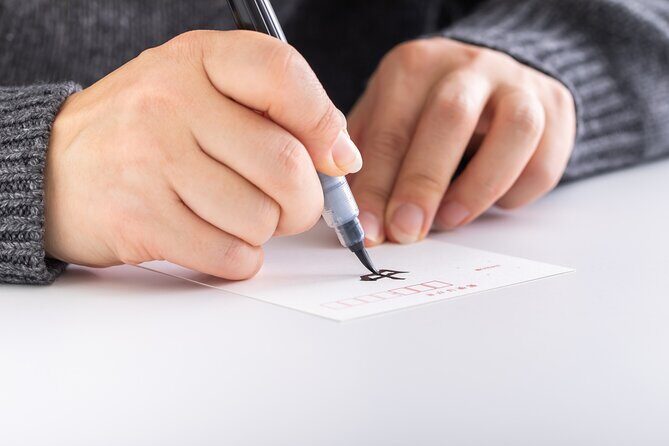
Here’s the practical magic: you mix your ink using onsen water from the ryokan. One of the most common highlights in the reviews is how this changes the writing experience.
People describe a softer feel when brushing, plus a slight scent in the ink made with hot spring water. That matters because calligraphy is touch-based. If the ink spreads too much or feels too harsh, your strokes start to look messy fast. If it feels balanced, your character looks more controlled even when you’re still learning.
So for you, the payoff is twofold:
- You get a memorable story that’s actually true to the place. Hakone’s hot spring identity becomes part of your materials.
- You’re more likely to succeed with your first attempts because the ink preparation is part of the method, not an add-on.
If you’re the type who loves small differences that change the whole experience, this is your moment.
Writing on Paper or a Uchiwa Fan: Choose the Memento That Fits Your Style
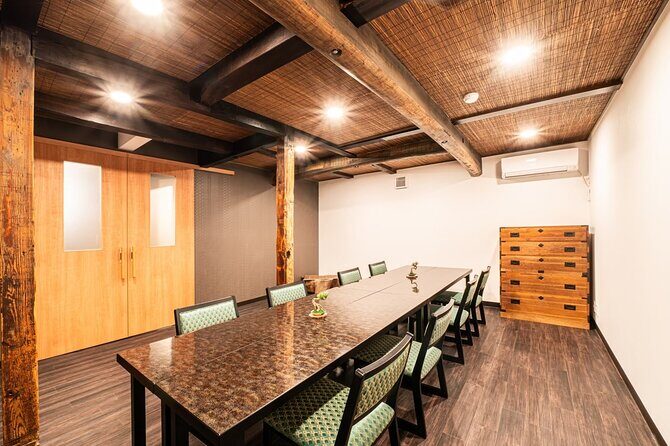
You can write your calligraphy on traditional paper or on a uchiwa fan. The listing specifically notes that one uchiwa is provided for artwork, and you can take that finished fan home.
For many people, paper feels like the classic souvenir. You’ll display it, frame it later, or keep it flat in the bag and admire it at home. A uchiwa is different. It’s practical and visual. Even if your calligraphy isn’t perfect, the fan shape makes the piece feel lively and usable.
My tip: pick based on what you’ll actually do with the finished item. If you love wall art or don’t want to travel with something delicate, paper makes sense. If you want a wearable memory you can use in warm weather, the uchiwa choice is hard to beat.
Either way, you’re not leaving empty-handed. The workshop is built around taking home a piece you made yourself.

The Teacher’s Technique: How Beginners Get Good Results Fast
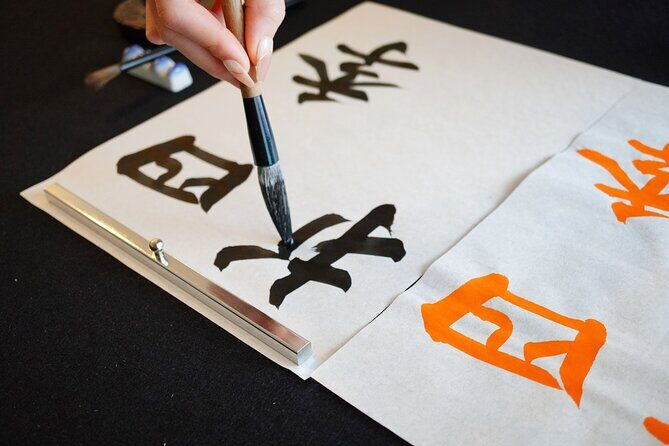
One of the strongest repeated themes: the teacher guides you on brush handling in a calm, step-by-step way. People mention holding the brush slowly and learning how to focus without getting nervous.
That’s a big deal. Calligraphy can look intimidating because characters seem to have their own rules. But in this workshop, the goal is control, not perfection.
In the reviews, beginners often describe being surprised by the results, especially because the instruction is attentive. When the teacher checks each person’s writing, it reduces the guesswork. You’re not stuck figuring it out alone.
So if you’re worried you’ll be awkward at first, don’t. This kind of instruction is exactly why the experience works for first-timers.
Also, the time is short enough that you stay engaged. Two hours is long enough to produce a piece, but short enough that you won’t lose patience or confidence.
Timing, Group Size, and Getting the Most From the 2 Hours
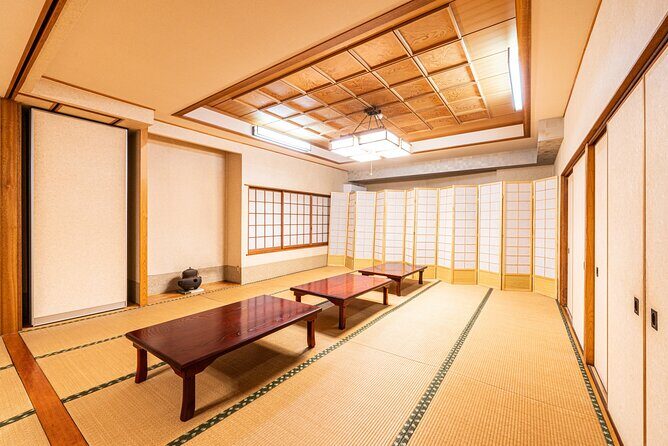
The session runs about 2 hours. The listing also notes that you’ll receive confirmation at booking, and it’s near public transportation.
For your planning, I’d treat this as a daytime culture block. You’re sitting, writing, and listening. You want your brain clear enough to focus on brush strokes, and calm enough to enjoy the tea and the quiet.
Small group size helps a lot. With a maximum of 8 travelers, it’s easier to get individualized nudges. The workflow also stays smooth, so the group doesn’t feel rushed in a way that makes people panic over their characters.
And because the experience is in an onsen ryokan setting, the atmosphere does some of the work for you. Reviews repeatedly mention relaxing in the quiet and forgetting the normal busyness of life.
If you tend to over-schedule, this is one workshop that can be a relief. It’s not a sprint.
Price and Value: What $60 Buys You in Hakone
At $60 per person, the price feels like it could go either way: either a fun cultural activity or an overpriced souvenir factory. Here’s why I think it’s more value than fluff.
Your included materials and essentials are the core:
- All calligraphy materials
- Onsen water for ink preparation
- One uchiwa for artwork
- A take-home bag for your finished pieces
- Instruction by an experienced calligraphy teacher
- Cultural explanation of Hakone hot spring traditions
- Complimentary Japanese tea
- Venue fee for the indoor space at the onsen ryokan
That’s a lot bundled in. You’re not paying extra for brushes, paper, or a place to work. The teaching is the real service you’re buying, and the venue is part of why this works.
The cost also makes sense if you compare to the alternatives that often require extra spending. Many Hakone experiences are pay-to-enter events. This one is pay-to-create. You’re taking home something you can keep, not just a view you can scroll past.
One more value point: it’s good for travelers who want something meaningful without spending half a day. Two hours is a manageable slot.
What’s Not Included (And How to Plan Around It)
Transportation to and from the meeting point is not included. You’ll want to be sure you can get to 655 Yumoto on your own.
Also, gratuities for the guide/instructor are optional. If you were happy with the teaching (and you likely will be), you can follow local customs for tipping. If you’re not sure, it’s fine to decide based on how the session felt.
And remember: the workshop itself is about calligraphy. If you’re hoping for a long bath break, you’ll need to plan extra time outside the 2-hour session. (Some people do connect it with the onsen area afterward, but that’s not part of the workshop package you should count on.)
Who This Onsen Calligraphy Session Is Best For
This is a great fit if you want:
- A calm, cultural activity in Hakone that doesn’t require experience
- A hands-on craft with a meaningful local twist (onsen water ink)
- A small-group workshop atmosphere (max 8 travelers)
- A take-home item you’ll actually keep
It’s also a good choice for couples and friends because the room stays relaxed. One review described people concentrating even if they were used to joking around in daily life. That’s what a quiet ryokan setting does to group energy.
If you hate sitting still for long, this might still work because the session is short. If you love learning by doing, you’ll likely enjoy how quickly you move from brush basics to finishing your piece.
Should You Book This Hakone Onsen Calligraphy Workshop?
Yes, if you’re the type who likes real cultural contact over checklists. The reason I’d recommend booking is simple: it combines Hakone’s hot spring identity with a craft you can take home.
You get the materials, the teacher guidance, and a peaceful setting. You also leave with a personal piece made through a method that’s genuinely tied to the location, not just a generic souvenir workshop.
Book it especially if you’re a beginner. The teaching style here is built for people who haven’t written characters before, and the results people describe are reassuring: strokes improve quickly once you get the brush technique and the ink feels right.
If you want a long onsen day or a big adventure packed with stops, this isn’t that. But if you want a short, meaningful Hakone moment with a tangible memory, this is a strong choice.
FAQ
How long is the onsen calligraphy experience in Hakone?
It lasts about 2 hours.
Where does the experience start, and when does it end?
It starts at 655 Yumoto, Hakone, Ashigarashimo District, Kanagawa 250-0311, Japan, and it ends back at the meeting point.
How much does the workshop cost?
The price is $60.00 per person.
What’s included in the price?
You get all calligraphy materials, onsen water for ink preparation, instruction by a calligraphy teacher, cultural explanation of Hakone hot spring traditions, complimentary Japanese tea, venue fee for the indoor space at the onsen ryokan, and a take-home bag for your finished pieces. You also receive one uchiwa (Japanese hand fan) for artwork.
Do I need calligraphy experience before I go?
No. The experience notes that most travelers can participate, and the teacher will guide you through the basics.
Can I get a full refund if I cancel?
Yes. You can cancel up to 24 hours in advance for a full refund. If you cancel less than 24 hours before the experience starts, the amount paid is not refunded.