REVIEW · KYOTO
Private Custom Tour: Kyoto in One Day
Book on Viator →Operated by Venture · Bookable on Viator
Kyoto in a single day can work. This private custom tour lets you pick your mix of iconic UNESCO sights—then ride Kyoto’s public transport or a private option to hit them in smart order, with an English-speaking guide guiding the whole way (and handling tickets when they’re included).
I like the pick-your-own itinerary approach, because your time goes where your curiosity goes, not where a bus schedule forces you. I also like how the tour is designed for real learning: guides such as Oki and Katsuko are repeatedly noted for keeping things clear and moving at a comfortable pace.
One drawback to plan for: admission fees are not fully included, so you’ll still want to budget extra for temple and castle entry where tickets apply.
In This Review
- Key things I’d watch for before you book
- How Custom Turns Kyoto From a Checklist Into a Day
- Price and logistics: where the value really comes from
- Pickup and getting around without losing your mind
- Stop 1: Kinkaku-ji and what to notice beyond the photo
- Stop 2: Nijo Castle’s samurai-era power
- Stop 3: Fushimi Inari-taisha and walking the torii wisely
- Stop 4: Tenryu-ji and the calm of a strolling garden
- Stop 5: Kiyomizu-dera and the cliffside moment
- Lunch at a local Japanese restaurant: when food becomes part of the tour
- How the customization really works (tea, sake, and off-the-map choices)
- What a well-run guide changes about your day
- Who this tour suits best (and who might not love it)
- Weather and seasonal planning in Kyoto
- Should you book Private Custom Tour: Kyoto in One Day?
- FAQ
- Is this a private tour?
- How long is the tour?
- Does the tour include hotel pickup and drop-off?
- What language is the guide?
- Is lunch included?
- Are admission tickets included?
- How do you get around during the tour?
- Will I be able to choose my itinerary?
- What should I wear or prepare for?
Key things I’d watch for before you book
- You choose the stops. Full-day usually fits 4–5 places; half-day fits about 2–3.
- Not all tickets are included. Some temples/castles require extra admission.
- Moderate walking is part of the deal. Comfortable shoes matter.
- Hotel pickup is in Kyoto city. Central hotels are the norm.
- Transport is built around you. You’ll typically use public transport, unless you select the private-vehicle option.
- Lunch comes on the full-day version. It’s at a local Japanese restaurant with a drink included.
How Custom Turns Kyoto From a Checklist Into a Day
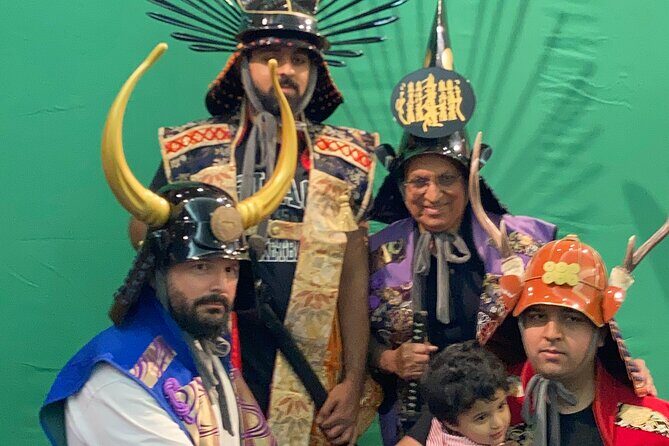
Kyoto’s problem isn’t a lack of things to see. It’s deciding what to see when everything is “top ten” and your day only has so many hours. This tour solves that with a simple idea: you and your guide build the route around your interests, then you visit major cultural and historic landmarks—including 17 UNESCO World Heritage sites like Kinkaku-ji (Golden Pavilion) and Kiyomizu-dera.
In practice, that means you can lean temple-heavy, shrine-heavy, or mix in food and shopping stops. If you’re a first-time visitor, this is a strong way to get bearings fast. If you already know the classics, it’s a good way to choose what you’d actually want to repeat later.
You can also read our reviews of more private tours in Kyoto


Price and logistics: where the value really comes from
At $181.69 per person for about 8 hours, the price feels reasonable if you’re thinking about time and stress, not just entry tickets. You’re paying for an English-speaking guide, hotel pickup and drop-off within Kyoto city, local transportation fares, and (on the full-day option) lunch at a local Japanese restaurant plus a drink.
Where you’ll spend extra: admissions aren’t fully included. That’s normal in Japan. It just means your final cost depends on which temples and castles you choose that day. Also, the tour is private, so you’re not sharing your guide with strangers—nice if your group wants a slower pace or more questions.
Pickup and getting around without losing your mind
The tour meets you at your centrally located Kyoto hotel, then sets off using Kyoto’s efficient transit system. Depending on the option you select, you may use public transport or a private vehicle. Even when the tour offers a private-vehicle possibility, the practical plan still tends to be transit-forward, which matters because Kyoto’s temples are spread out across neighborhoods.
This is the part I’d most appreciate if you’re traveling with jet lag, family members, or anyone who doesn’t want to keep checking train lines. When guides like Juraj and Kazu are in the mix, the theme is consistent: they help you travel like a local without turning your day into navigation practice.
Stop 1: Kinkaku-ji and what to notice beyond the photo
Kinkaku-ji Temple (Golden Pavilion) is one of Kyoto’s most photographed scenes for a reason. The gold-leaf look is dramatic, but the real win on a guided visit is context—what the building represents and how the setting works with the garden and pond views.
You typically get around one hour here. That’s enough time to take photos, walk the nearby areas, and still have room for explanations. If you care about viewpoints, ask your guide where to stand for the best angle before you start moving—great guides will spot the “good light” rhythm and help you not waste it.
Ticket note: admission is not included for this stop in the standard plan, so treat Kinkaku-ji as a paid add-on unless your final confirmation says otherwise.
Stop 2: Nijo Castle’s samurai-era power
If Kinkaku-ji is about beauty, Nijo Castle is about power. This 17th-century UNESCO site served as the residence of Tokugawa shoguns for nearly 300 years. On a tour like this, the advantage is that you’re not just looking at walls—you’re learning how the space was meant to control and impress.
You’ll usually spend about one hour. A common highlight is walking inside and feeling the “samurai world” in your head as you move through the castle spaces. It’s also a good break from the pilgrimage-style crowds of shrine areas because it feels more structured.
Ticket note: like many major sites, entry is not included for Nijo Castle on the standard schedule.
A few more Kyoto tours and experiences worth a look



Stop 3: Fushimi Inari-taisha and walking the torii wisely
Fushimi Inari-taisha is the shrine with thousands of red torii gates that seem to go on forever. The iconic part is walking underneath them, but the guided value is pacing and choosing which paths to take.
You’ll typically get about one hour. That works if your guide helps you decide how far to walk based on your energy level. Many guides are good at steering you away from the worst congestion while still hitting the best visual payoff. In one example, a guide named Rebecca guided a route that included a more secret-feeling path at Fushimi Inari, plus a well-paced connection between the shrine and the rest of the day.
Ticket note: Fushimi Inari-taisha admission is listed as free, so this is one of the stops that can keep costs down.
Stop 4: Tenryu-ji and the calm of a strolling garden
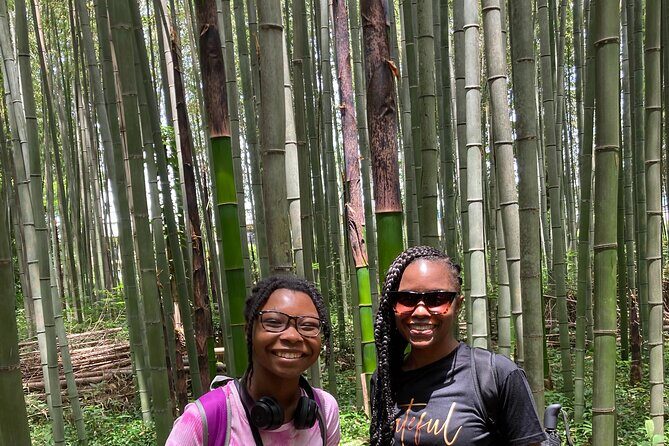
Tenryu-ji is where Kyoto slows down. You’re often looking at one of Kyoto’s famed strolling-style gardens, with pond views and designed sightlines that reward a quieter pace.
You’ll typically spend around an hour. It’s not just a “look and leave” stop if your guide points out what you’re seeing and why. This is also a good place to rest your feet before you switch to heavier climbing or cliffside areas later.
Ticket note: admission is not included in the standard stop list. That said, this is a high-value UNESCO experience for the time you spend.
Stop 5: Kiyomizu-dera and the cliffside moment
Kiyomizu-dera is one of those Kyoto sights that feels spiritual and cinematic at the same time. The big feature is the cliffside feel and the statue presence connected to Kannon Bodhisattva, plus the sweeping views you get from being in that setting.
You’ll typically get about one hour. That’s long enough for the main viewing areas and for taking in the surrounding preserved streets if your route and time allow. Guided context makes a real difference here; without it, it’s easy to see the famous parts but miss what they mean.
Ticket note: entry is not included for the standard plan.
Lunch at a local Japanese restaurant: when food becomes part of the tour
On the full-day option, you get lunch at a local Japanese restaurant, plus a drink. That’s a big deal in Kyoto because “where do we eat that isn’t a trap?” is a question that can take time you don’t have.
In the feedback you can actually see the style: guides like Pepijn and Oki are often praised for choosing places that fit the day’s pace, including a calm sit-down meal after temple clusters. If you’re picky, say so upfront. A good guide will steer you toward something that matches your preferences without derailing the schedule.
How the customization really works (tea, sake, and off-the-map choices)
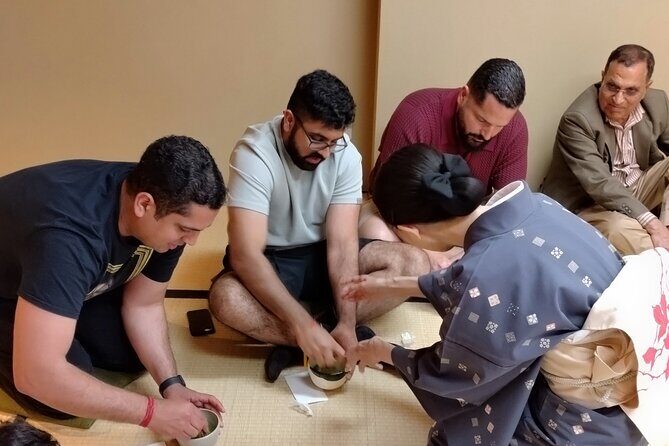
The best part of a custom private tour is that it can move with your mood. Want to do a bit of shrine and temple first, then switch to shopping and snacks? Ask. Want a sake angle? Many guides can add food and drink stops—one example included a sake brewery tour and tasting in the Fushimi area.
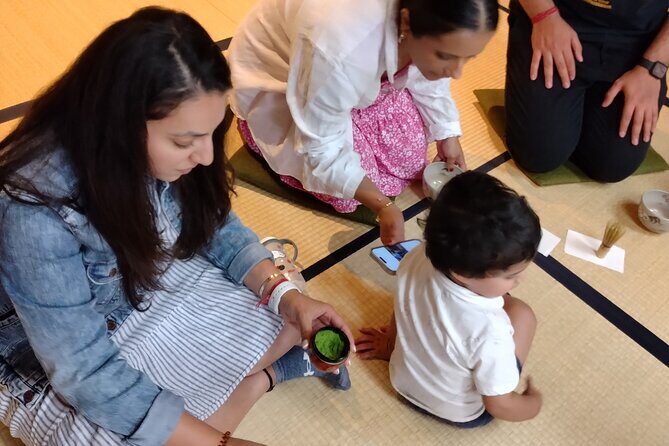
Additional activities like tea ceremony, calligraphy workshop, or aikido class can be added, but they cost extra. Same deal with bicycle options through Kyoto’s back streets—fun if you’re comfortable with the idea, but not something the base tour includes.
Practical tip: tell your guide your “musts” and your “nice-to-haves” in advance. One well-organized route often beats a long list of wishful thinking.
What a well-run guide changes about your day
This kind of tour rises or falls on the guide’s ability to balance logistics with interpretation. In the feedback, a few names show up repeatedly with a similar theme: guides like Miya-san, Yoko, and Lulu are described as efficient with routing and proactive with help—like handling transportation and even coordinating ticket needs.
Also, pay attention to how you feel when the schedule gets tight. One common complaint in similar experiences is lots of movement with little explanation. A strong Kyoto guide won’t just point at buildings. They’ll give you a “why this matters” thread so each stop lands emotionally and historically.
Who this tour suits best (and who might not love it)
This tour is ideal if you:
- Have one day (or very little time) in Kyoto and want the key highlights without trial-and-error.
- Want a private guide rather than a group tour.
- Enjoy structure but still want flexibility in which temples and neighborhoods get priority.
- Appreciate learning context, not just photos.
You might want to choose carefully if:
- You hate moderate walking. The schedule includes temple walking and paths, so plan on comfortable shoes.
- You expect admission tickets to be fully included. They’re not.
- Your group wants long, slow museum-level time at one site. The tour is built to cover multiple highlights.
Weather and seasonal planning in Kyoto
Kyoto is gorgeous, but some temple days depend on weather. This experience notes that it requires good weather. If conditions are poor, you’ll be offered a different date or a refund, so don’t leave it as a “whatever happens” booking right next to a flight if you can avoid it.
Should you book Private Custom Tour: Kyoto in One Day?
Book it if you want a focused Kyoto “best of” day without doing the math on buses, trains, and opening hours. The custom itinerary, English-speaking guide, and the fact that lunch is included on the full-day option make this one of the more practical ways to see a lot without feeling like you’re rushing around alone.
Skip or reconsider if you’re counting on fully included admissions or if your group prefers to linger slowly in one area. In that case, you might get more satisfaction from choosing fewer stops and traveling on your own.
If you do book: send your guide your priorities early, wear comfortable shoes, and budget a bit for temple and castle entries. Do those three things, and you’ll end the day with that rare Kyoto feeling—seeing the classics, but also understanding them.
FAQ
Is this a private tour?
Yes. It’s a private tour/activity, and only your group participates.
How long is the tour?
The full-day experience runs about 8 hours (approx.). There is also a half-day option.
Does the tour include hotel pickup and drop-off?
Yes, it includes hotel pickup and drop-off in Kyoto city.
What language is the guide?
You get a professional English-speaking guide.
Is lunch included?
Lunch is included on the full-day option only, at a local Japanese restaurant, along with a drink.
Are admission tickets included?
Not all admission fees are included. Some stops list admission tickets as not included, so budget for entry where applicable.
How do you get around during the tour?
You’ll use public transportation as needed, or you may select a private vehicle option depending on what’s chosen. Pickup/drop-off is included within Kyoto city.
Will I be able to choose my itinerary?
Yes. You can customize your sightseeing itinerary based on your interests, and the tour covers major cultural and historic landmarks.
What should I wear or prepare for?
A moderate amount of walking is involved, so wear comfortable shoes.