REVIEW · TOKYO
Tokyo:Stroll in Old traditional culture towns~Yanaka & Nezu
Book on GetYourGuide →Operated by Undiscovered Tokyo Tours · Bookable on GetYourGuide
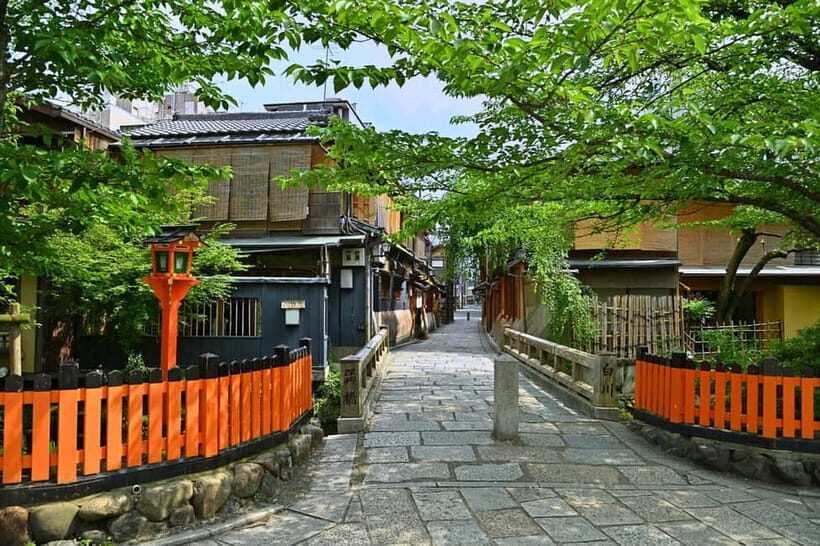
Old Tokyo still breathes in Yanaka. This slow, thoughtful stroll through Yanaka & Nezu lets you see the city the way it looks when the cameras aren’t rolling—narrow lanes, old wooden houses, and a real mix of shrines, temples, and everyday neighborhood life. I especially like the small group feel, which makes it easy to ask questions and actually talk with your guide instead of just orbiting a checklist. The main drawback is simple: it’s a lot of walking with some staircases, so it’s not the best match if you need a wheelchair-friendly route.
What makes this tour click is the guide. The experience is led by Sui, and her style leans practical and human—pointing out what things mean, not just what they are, with time for chats and photo stops along the way. I also like how the route swaps out the big-city spectacle for quieter Tokyo, so you get contrast fast: you’re close enough to the center to understand modern Japan, but far enough into the older districts to feel a different rhythm.
Seasonal touches add comfort without turning the walk into a gimmick. In spring you get free sakura mochi, while in summer there’s a stop at a café in an old traditional building (one drink included), and the route skips Yanaka Ginza to help you avoid the worst heat. Just remember the sakura timing depends on the weather, so treat that sweetness as a bonus, not a promise.
In This Review
- Key Reasons This Yanaka & Nezu Stroll Works
- Entering Old Tokyo: The Yanaka Neighborhood Mood
- Nippori Start: Where the Walk Begins and How to Set Your Pace
- Nezu Shrine Torii Path: Worship as a Quiet Experience
- Tennoji Temple: Bronze Buddha and Garden Time
- Yanaka Cemetery: A Scenic Walk That Feels Like a Park
- Meiji to Showa Streets: Reading Architecture Without a Museum Ticket
- Meeting Locals on Quiet Lanes: The Point Where the Tour Gets Real
- Yoshida Liquor Store: Why a Sake Shop Stop Feels Like Culture
- Yanaka Ginza for Snacks and Souvenirs: When It’s Included vs Skipped
- Sunset Staircase: A Photo Spot Locals Actually Use
- Price Value at $29: What You’re Really Buying
- Seasonal Extras: Sakura Mochi in Spring and Café Comfort in Summer
- Practical Notes That Make or Break Your Day
- Who This Tour Fits Best (and Who Might Skip It)
- Should You Book the Yanaka & Nezu Stroll?
- FAQ
- Where do I meet the guide?
- How long is the tour?
- What areas do you visit, and where can I get off?
- What religious and cultural sites are included?
- Is food or drink included?
- What should I bring?
- Is the tour wheelchair accessible?
Key Reasons This Yanaka & Nezu Stroll Works
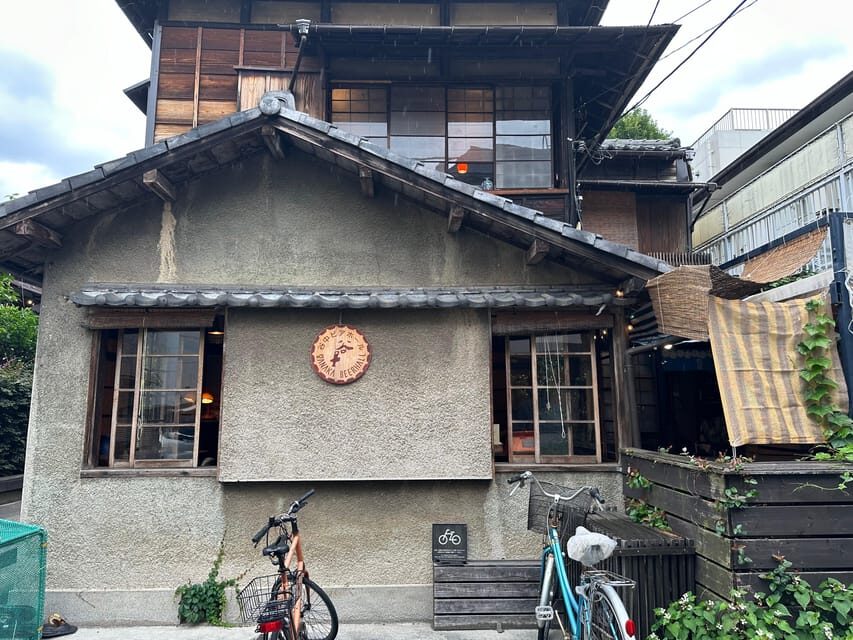
- Old streets with real daily details: you’ll see local homes and shops, and often the small stuff—like kids and older residents in their routines.
- Religion in context, not trivia: shrines and temples aren’t just landmarks; you learn how people approach worship in everyday life.
- Quiet stops that aren’t built for crowds: you get those calming moments at places that feel peaceful, not packed.
- Streets, stores, and architecture from before World War II: you’ll notice the layered feel of Tokyo’s older build style (Meiji through Showa).
- Food-and-shopping moments you can follow up on: from a traditional sake store to Yanaka Ginza snack and souvenir street time.
- A guide who slows down when you need clarity: Sui is known for clear English, patience, and making time for questions and photos.
Entering Old Tokyo: The Yanaka Neighborhood Mood
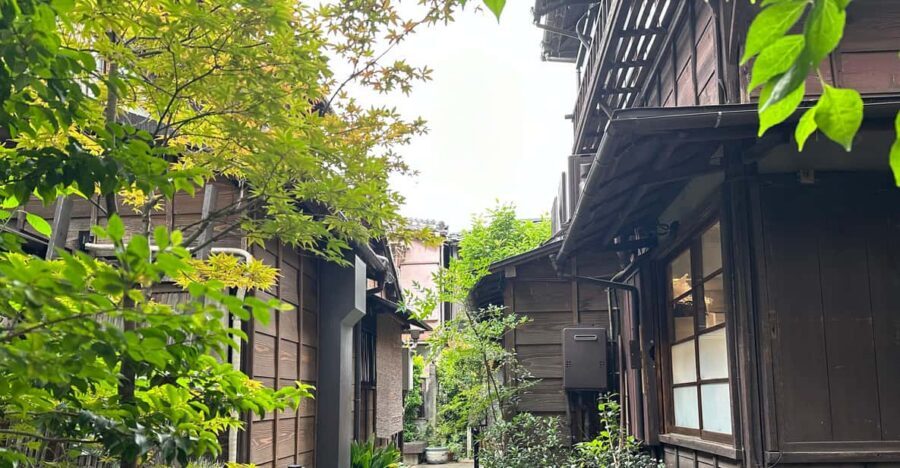
Yanaka is where Tokyo’s past is still visible in plain sight. Instead of polished tourist districts, you get a residential feel—tight streets, small shops, and the kind of architecture that makes you instinctively slow down. That matters because the tour isn’t about racing between highlights. It’s about helping you read the neighborhood like a story: how people live near temples, where shops have persisted, and why certain places feel important even if you’ve never heard of them before.
You’ll also notice something that’s hard to fake: the atmosphere. Even in a huge city, this area can feel calm. That’s what you’re paying for here—an experience that re-centers your day away from the neon and foot traffic.
You can also read our reviews of more tours and experiences in Tokyo.



Nippori Start: Where the Walk Begins and How to Set Your Pace
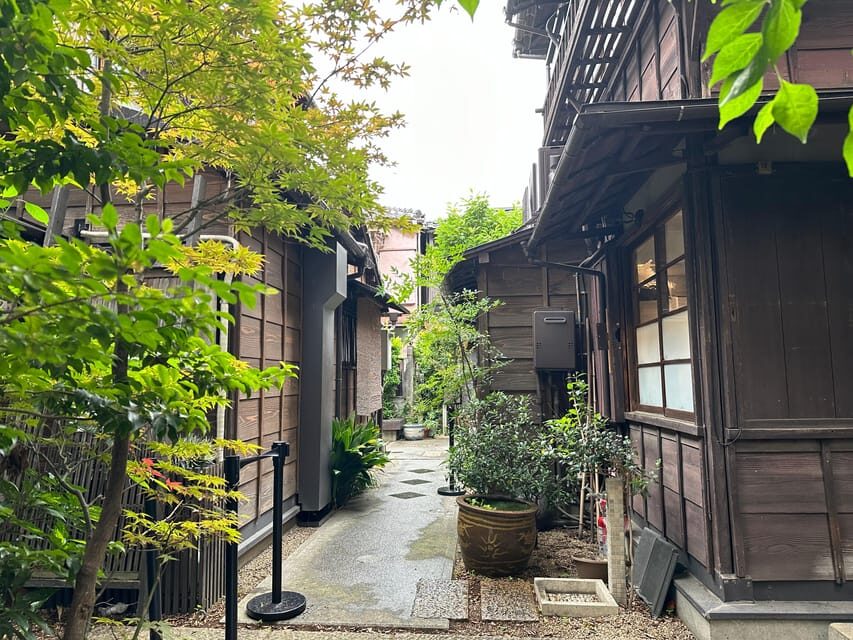
The meeting point is Nippori Station, West Exit. The guide waits at the waiting area after you come out, and it’s worth being on time because the tour starts promptly. From there, you settle into a walking rhythm that stays relaxed rather than hurried.
This tour’s timing is about the right length for wandering without feeling like you’ve been on a marathon: it runs for about 210 minutes (around 3.5 hours). You’ll still move steadily, though, and there are staircases along the way, so wear shoes you’d be comfortable in for a long neighborhood walk.
Also, keep your expectations realistic about shop hours. Some stores can close depending on the day, and Monday closures are common—so plan to enjoy the streets even if one storefront is shut when you pass.
Nezu Shrine Torii Path: Worship as a Quiet Experience
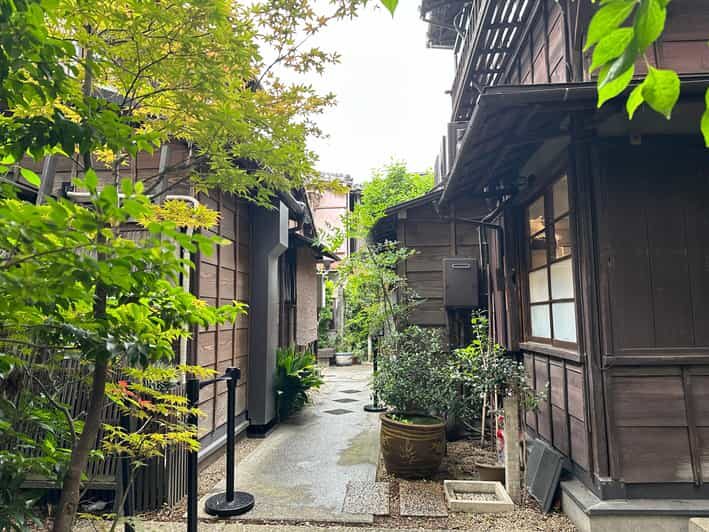
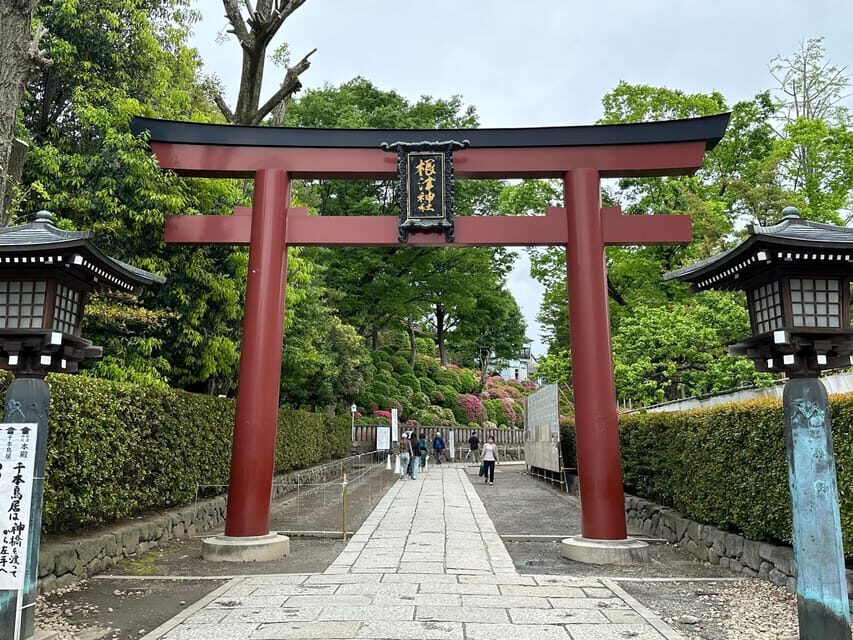
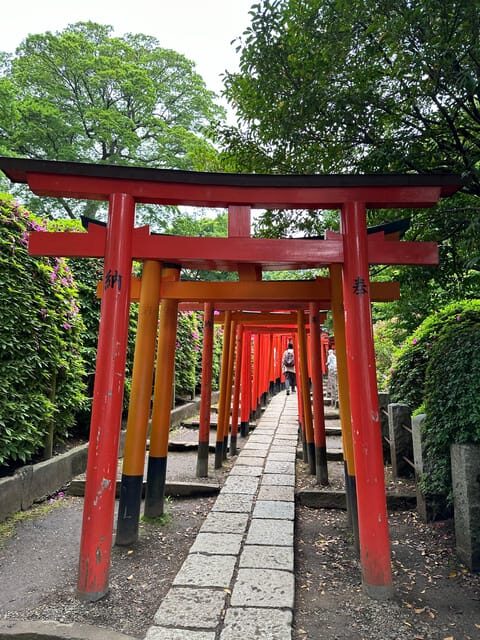
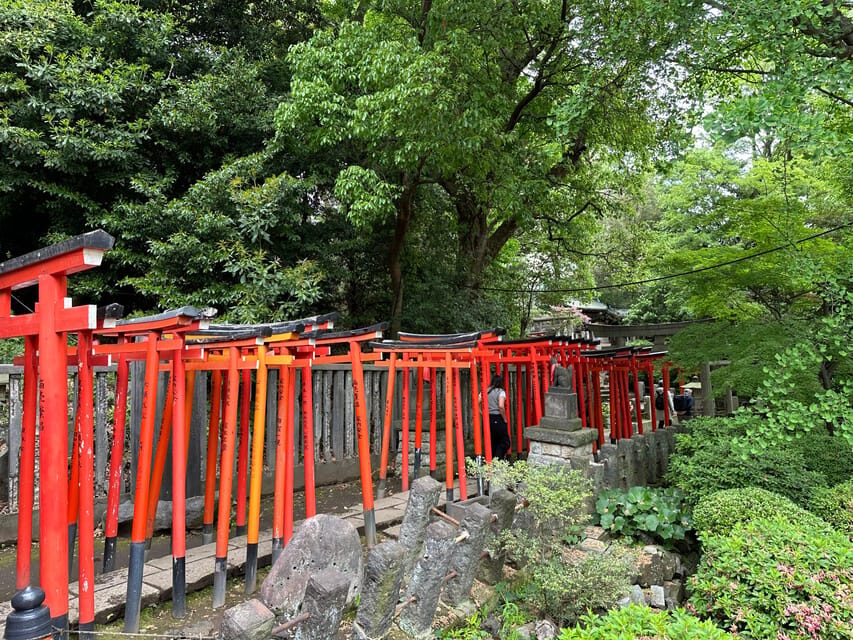
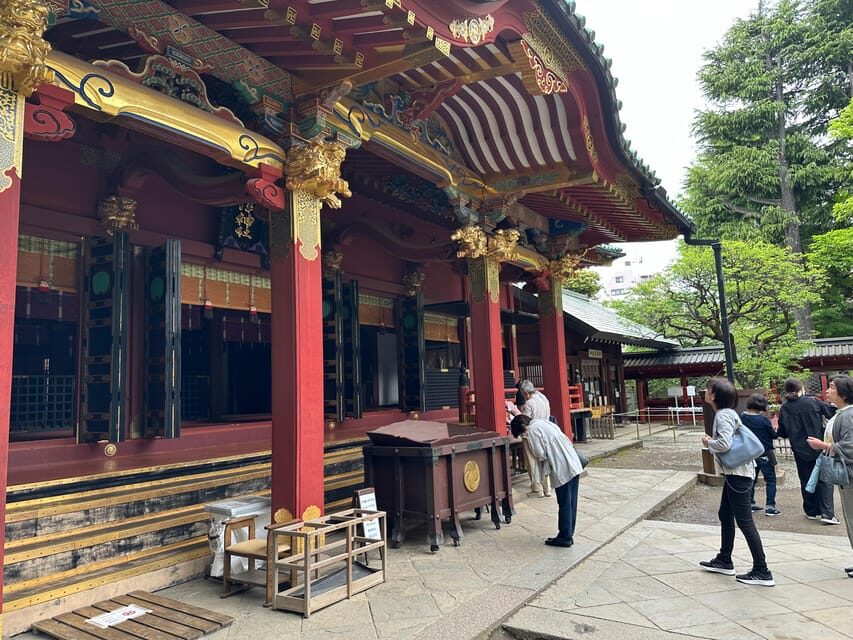
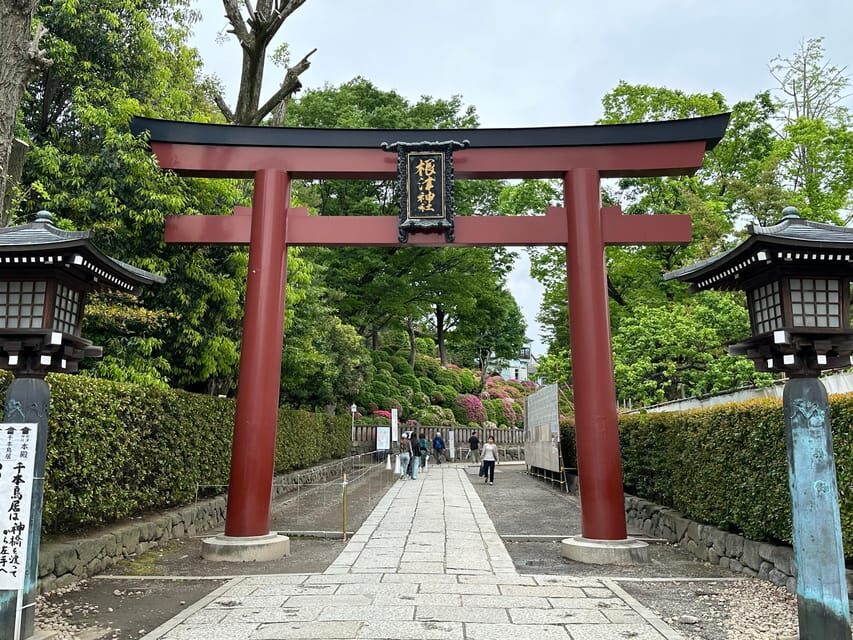
Nezu Shrine is one of Tokyo’s older places of worship, and the approach is a big part of the feeling. You’ll walk under a torii-lined pathway that creates that slight shift in mindset—like the city noise fades just enough for you to notice details.
What I like about this stop is the tone. It’s not presented as a quick photo task. Your guide explains what you’re seeing and helps you understand how these sacred spaces fit into daily life. There’s also a practical side to it: people join up with the rhythms of the site, not just observe them.
If you’ve ever felt awkward around shrine etiquette, this kind of guided context is the difference between skipping it and learning it.
Tennoji Temple: Bronze Buddha and Garden Time
Next comes Tennoji Temple. This stop features a large bronze seated image of Buddha and a Japanese garden that gives you a natural pause in the middle of the walk. It’s a good moment to slow your pace and let the information settle.
This is where the tour becomes more than sightseeing. You get a clearer sense of how Buddhist temple culture shows up through space—through visuals, layout, and the way visitors move and spend time. If you’re the type who likes context more than captions, you’ll appreciate this.
Yanaka Cemetery: A Scenic Walk That Feels Like a Park
Yanaka Cemetery is known for being both large and scenic, with a beautiful row of trees that turns it into a calm walking experience rather than a rushed stop. It’s also a reminder that cemeteries in Japan aren’t always hidden away behind formal entrances. Here, the landscape and the trees create a softer feel, and you move at a slower pace.
I like this stop for one reason: it broadens what you think a walking tour can include. It’s not all bright and celebratory. It’s reflective. And since the tour pace is relaxed, you can actually take it in instead of being tugged along.






Meiji to Showa Streets: Reading Architecture Without a Museum Ticket
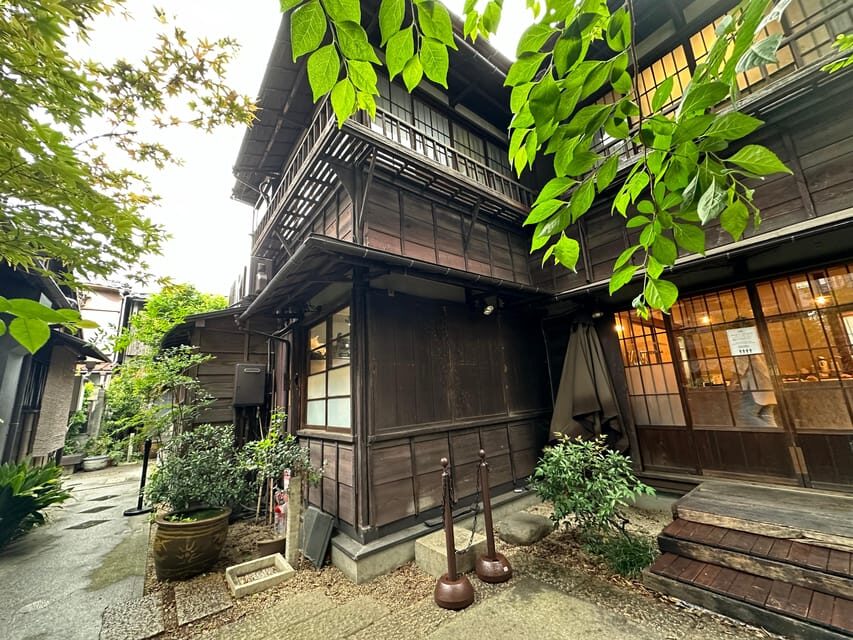
One of the most valuable parts of the walk is how you notice the old buildings and street layout. You’ll see traditional structures that span Meiji (1868 to 1912) through Showa-period (1926 to 1989) eras. That time range matters because it helps you understand how Tokyo didn’t just change once. It kept evolving.
What you’re looking for is subtle: the way buildings sit on the street, the feel of older residential houses, and how small shops still operate inside that framework. Your guide points out what to notice, and you’ll likely start seeing details that you would normally miss—like why certain storefronts feel familiar even if you’ve never been here.
This stop is also a good reminder that “old Tokyo” isn’t one single style. It’s layered.
Meeting Locals on Quiet Lanes: The Point Where the Tour Gets Real
A big selling point here is interaction. Along the residential stretches, you’re encouraged to talk with the locals you meet at older shops. That’s not staged theater—it’s the real texture of a neighborhood where daily life continues around you.
In the feedback I’ve seen from people who’ve taken this walk, one theme comes up again and again: Sui doesn’t treat the tour like a script. She builds in chances to ask questions and get explanations, and she can tailor the pace if your group needs it. Families have also done well on this route, with Sui helping keep kids engaged through little treats and attention along the way.
Even if you don’t plan to chat much, your guide’s explanations turn a passive walk into something personal.
Yoshida Liquor Store: Why a Sake Shop Stop Feels Like Culture
A traditional sake liquor store stop sounds small until you’re standing in the place. This is one of those cultural details that adds flavor—literally and mentally—to the walk. You get a look at a type of business that has long-standing roots in Japanese neighborhoods, and it connects history to daily commerce.
This stop also helps if you’re curious about what locals actually buy and celebrate. It’s less about big-name brands and more about understanding how tradition shows up in everyday choices.
Yanaka Ginza for Snacks and Souvenirs: When It’s Included vs Skipped
Yanaka Ginza is the classic shopping street segment of the walk, and it’s where your guide introduces street foods, Japanese food, and souvenir shops. This is a fun stretch because it’s not just walking past storefronts—it’s built around tasting and choosing what to take home.
The trade-off is seasonal. In the summer season (1 June to 11 September 2026), the tour skips Yanaka Ginza to reduce the risk of heat stress. Instead, summer focuses more on the cooler, calmer parts of the area and includes a longer comfort stop at a café (one drink included) in an old traditional building. In spring, you’ll generally enjoy Yanaka Ginza as part of the experience, plus the sakura treat.
If you’re visiting during peak heat, that change is a smart feature, not a compromise.
Sunset Staircase: A Photo Spot Locals Actually Use
The Sunset staircase is a popular photo spot among locals, and your guide helps you time it so it feels like part of the day, not a frantic dash for a shot. This is one of those moments that works because it’s easy: you stop, you look, you talk, you take a few photos, and you move on.
It’s a nice reset before the final walking stretch and the end of the tour day.
Price Value at $29: What You’re Really Buying
At about $29 per person for a 3.5-hour, English-guided neighborhood walk, the value isn’t the attractions on a map. It’s the human translation layer.
You’re paying for:
- a guide who can explain shrines, temples, and the neighborhood’s history in clear language
- time to ask questions and get answers
- curated stops that fit together as one story
- extra guidance that helps you understand where to eat and shop after the walk
This is especially worth it in Tokyo, where it’s easy to wander and still miss the meaning. If you go without a guide, you might see temples and streets. With the guide, you learn what to notice and why it matters.
So, for me, the cost makes sense when you want more than photos. If you only want quick sights with no context, you’d probably feel less “value” for the price.
Seasonal Extras: Sakura Mochi in Spring and Café Comfort in Summer
Spring (25 March to 25 April 2026) comes with free sakura mochi for everyone, but with a practical note: if sakura mochi isn’t available, it’s replaced with other traditional sweets or food items. In other words, you get a seasonal treat, even if the weather doesn’t cooperate.
Summer (1 June to 11 September 2026) is handled thoughtfully. Tokyo heat and humidity are no joke, so the tour includes a stop at a café transformed from an old traditional building, with one drink of your choice included. And since Yanaka Ginza is skipped in summer, you get a route that’s slightly kinder on walking time and comfort. The tour ends at Nezu Station in summer.
If you’re deciding between seasons, this is a tour that adapts. That alone is a quality signal.
Practical Notes That Make or Break Your Day
A few things will help you enjoy this walk more:
- Bring cash: some shops are small and may not accept cards.
- Wear comfortable shoes: this is neighborhood walking with staircases.
- Expect a calm pace, not a rushed checklist: it’s designed to feel unhurried.
- Be ready for lunchtime timing: this walk runs long enough that you may get hungry if you don’t plan ahead.
- Shops may close on some days (Monday in particular), but the neighborhood experience still works.
Also, the tour may end a little earlier or later than the planned duration, so stay flexible. One nice part of the guiding approach is that Sui tends to make the walk work for the group, including helping with next-step directions after the tour.
Who This Tour Fits Best (and Who Might Skip It)
This is a great fit if you want a more local Tokyo experience—one that prioritizes quiet streets, neighborhood life, and cultural context over famous skyline views. It’s also a strong pick for:
- couples and solo travelers who like asking questions
- families who want an engaging, slower-paced walk
- anyone who wants to understand Japan’s shrine and temple culture in plain English
It’s not suitable for wheelchair users due to stairs and the walking format.
Should You Book the Yanaka & Nezu Stroll?
I’d book it if your ideal Tokyo day looks like old streets, religious sites with meaning, and conversation more than crowds. The route is built for people who care about the “how” and “why,” not just the “where.” At $29, you’re getting a lot of guided value for the money—especially the kind of guide time that turns a neighborhood walk into a coherent story.
Skip it if you need a very minimal walking day, or if staircases are a problem for you. And if you prefer only iconic city sights, Yanaka and Nezu may feel too quiet.
If you do book: wear comfy shoes, bring some cash, and go with a curious mindset. You’ll come away with a Tokyo that feels older, quieter, and more understandable.
FAQ
Where do I meet the guide?
Meet at Nippori Station, West Exit. The guide waits at the waiting area after you come out.
How long is the tour?
The tour runs for about 210 minutes (around 3.5 hours), and it may end a little earlier or later.
What areas do you visit, and where can I get off?
You’ll walk through Yanaka and Nezu and the tour includes drop-off at Nippori Station, Yanaka Ginza, or Nezu Station (the final stop can vary by season).
What religious and cultural sites are included?
The tour includes Nezu Shrine, Tennoji Temple, and Yanaka Cemetery, plus traditional neighborhood streets and historical-era buildings.
Is food or drink included?
Yes. In spring, you get free sakura mochi (or a replacement traditional sweet if it isn’t available). In summer, you get one drink at a café in an old traditional building.
What should I bring?
Bring comfortable shoes and cash.
Is the tour wheelchair accessible?
No. The tour is not suitable for wheelchair users.