REVIEW · TOKYO
Tokyo: Buddhism and Shinto Temple Tour with a Real Local
Book on GetYourGuide →Operated by Manami Watanabe · Bookable on GetYourGuide
Tokyo’s spiritual side makes more sense with a local.
This tour in Monzen-nakacho turns temple visits into something you can follow, not just watch, thanks to guide Manami Watanabe. I like the way you get scene-by-scene context for the Naritasan Fukagawa Fudōdō fire ceremony, and I also like the practical manners—especially rules you normally won’t hear until you’re standing in front of a shrine or sitting in a ceremony chair. One drawback: if you’re hoping to film freely or capture lots of temple photos, the rules here are strict and you’ll need to plan for that.
You also get more than one religion in one morning, without awkward explanations. You’ll walk through East Tokyo’s shitamachi feel, pause at the Oyoko River area, then head to Tomioka Hachimangu Shrine for the Shinto side—fortune papers, wish bars, goshuin stamps, and all the small details that make sense only when someone explains them. The small group (max 6) helps, but it means you should be comfortable moving at a relaxed walking pace for about two hours.
In This Review
- Key highlights you’ll feel right away
- Monzen-nakacho: East Tokyo you can actually walk through
- Finding the tour at Monzen-nakacho Station (Exit 4 only)
- Oyoko River and Tatsumi-shindo: getting oriented before the temples
- Naritasan Fukagawa Fudōdō: the fire ceremony with rules that make sense
- You’ll watch quietly, with explanations happening alongside it
- You’ll learn real etiquette, not just generic “be respectful”
- Seating is handled like a community event, not a ticketed show
- Photography and filming are restricted
- Tomioka Hachimangu Shrine: Shinto details that connect to everyday life
- Buddhism and Shinto, explained in a way you can use
- Small-group size: why max 6 matters at a ritual site
- What to wear and what you must not do
- What to bring
- What’s provided
- Clothing and behavior rules (important)
- Photography rules
- Price and value: what $62 buys in 2 hours
- Who this tour suits best (and who might want to skip it)
- Should you book this Tokyo Buddhism and Shinto tour?
- FAQ
- Where is the meeting point for this tour?
- How long is the tour?
- How large is the group?
- Who hosts the tour and what language is it in?
- What is included in the price?
- Can I take photos or record video/audio during the ceremony?
- What should I wear or bring?
Key highlights you’ll feel right away
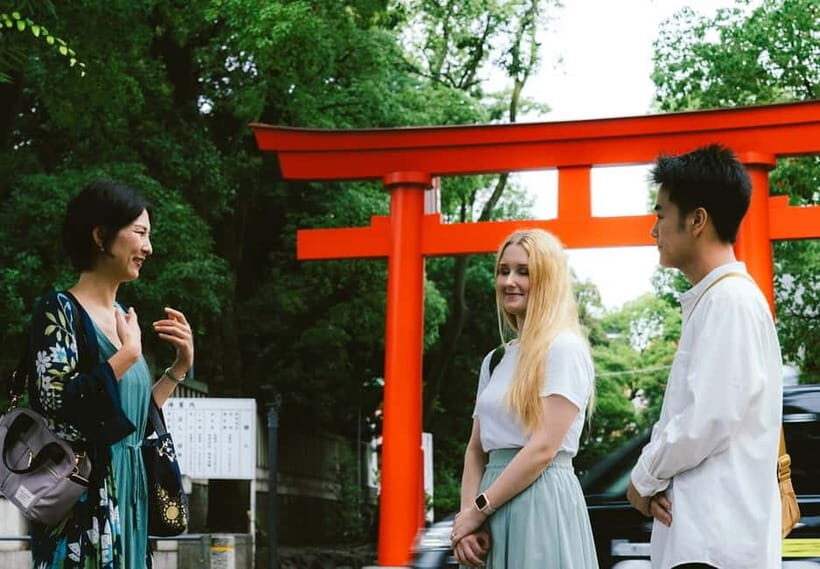
- Meet Manami Watanabe, a local English-speaking guide born and raised in the area, with a Ph.D. focused on cultural heritage protection
- Fukagawa Fudōdō fire ceremony with explanation sheets and etiquette guidance while you watch in silence
- Better seating philosophy: locals get offered the best spots instead of grabbing tourist views
- Monzen-nakacho shitamachi streets: Oyoko River and Tatsumi-shindo stops that set the mood before the temples
- Tomioka Hachimangu Shrine specifics: goshuin, white fortune paper, wooden wish bars, plus how sake and sumo connect to Shinto
Monzen-nakacho: East Tokyo you can actually walk through
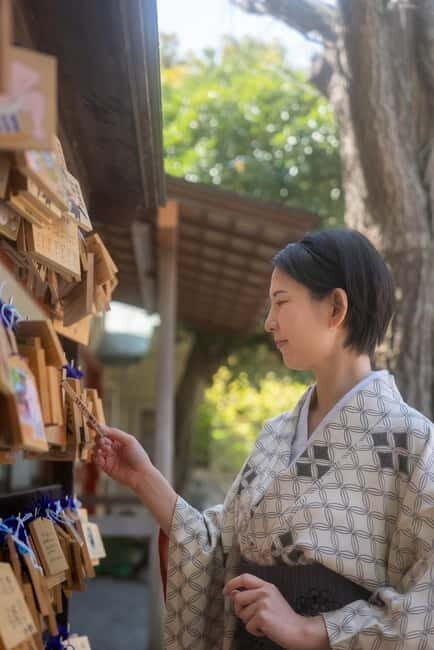
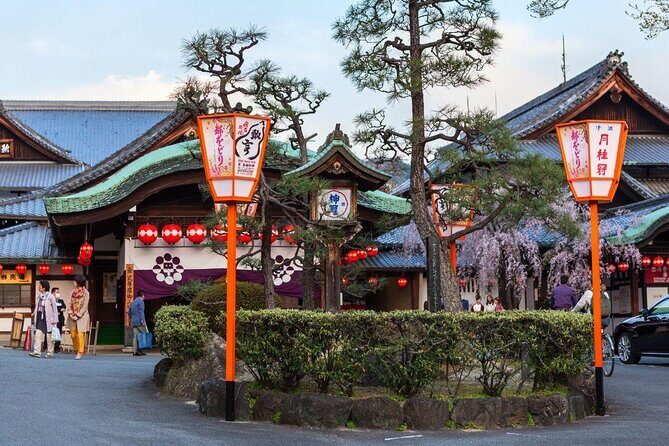
Monzen-nakacho is in Honshu, and it feels like the Tokyo you picture when you want more than skyscraper angles and convenience-store neon. This tour keeps you in a historic neighborhood known as shitamachi, the older, working-city side of Tokyo. That matters because temples in Japan aren’t museum pieces. They’re part of everyday life, and Monzen-nakacho gives you that background fast.
You start at Monzen-nakacho Station, Exit 4. The meeting spot is outside the store called Kusuri no Fukutaro (look for the red sign banner). I appreciate the very direct instruction to use Exit 4 and stairs instead of elevators—on busy train days, that kind of clarity saves your energy for the temples.
Before you even reach the big ritual, you’ll do two short guided walks: one around the Oyoko River and another near Tatsumi-shindo. These aren’t random stretch breaks. They help you understand the neighborhood’s rhythm and set expectations for how the religious spaces fit into ordinary streets.
You can also read our reviews of more tours and experiences in Tokyo.



Finding the tour at Monzen-nakacho Station (Exit 4 only)
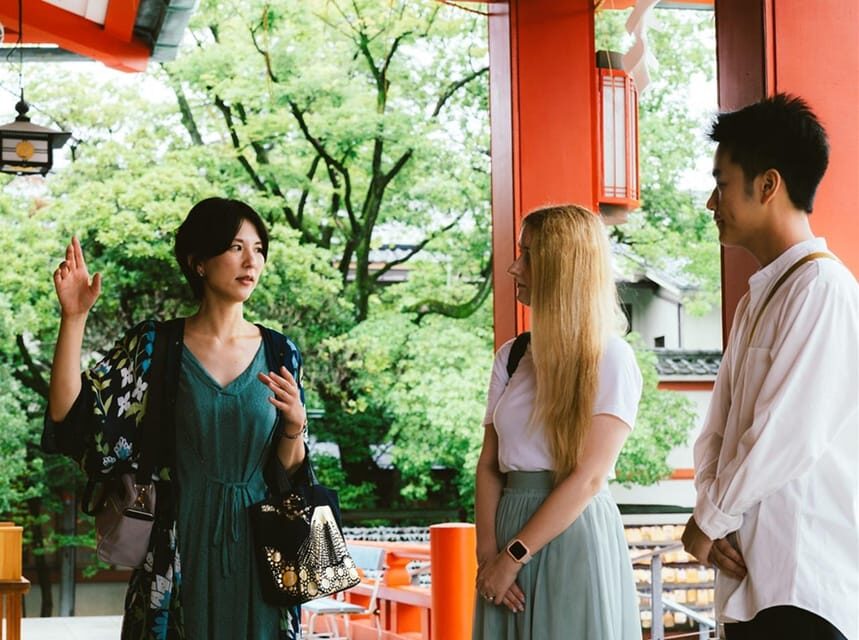
Japan station exits can be confusing, and this tour is strict about the meeting point. Plan to arrive a little early so you can orient yourself without stress.
- Meet outside Exit 4 of Monzen-nakacho Station (O-edo & Tozai lines)
- Look for Kusuri no Fukutaro with the red sign just outside
- Use stairs to reach the street level to make the store easier to spot
If you’re taking a taxi and the driver seems unsure, you’ll be relying on the provided phone number to get the car to the correct store. This is one of those small details that becomes a big deal when you’re on a tight schedule.
Oyoko River and Tatsumi-shindo: getting oriented before the temples
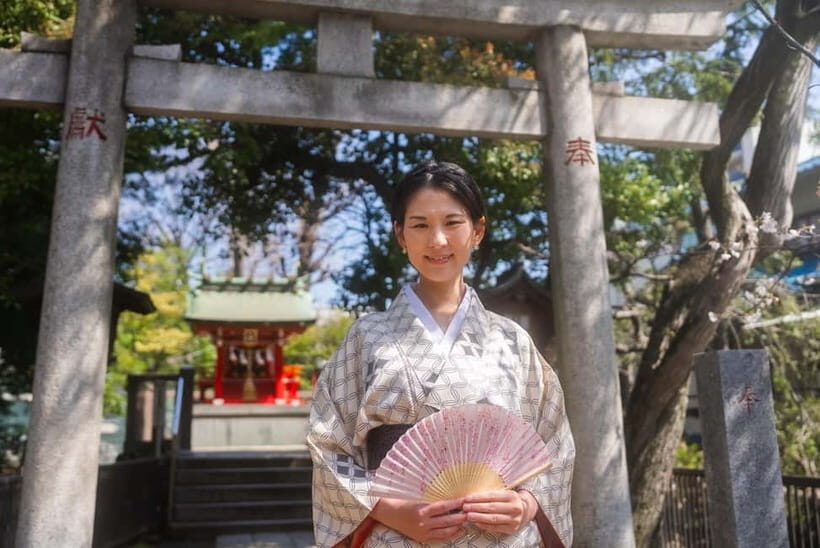
The tour’s pacing is smart. It doesn’t throw you into a crowded ceremony right away. Instead, you get a short guided walk that helps you notice how the area feels and how people move around local sacred spaces.
You’ll spend about 10 minutes around the Oyoko River. That time is useful because it gives you a mental warm-up: Japan’s temple and shrine settings often look simple from the outside, but the setting has meaning. Then you’ll head to Tatsumi-shindo for another guided stop. Even in short chunks, you’re learning how the neighborhood supports everyday spirituality—this is the difference between watching a ritual and understanding what it means to participants.
In a small group of up to 6, questions also land better. If something sounds confusing—like why you might see Buddhist and Shinto elements near each other—you can ask before the tour moves on.
Naritasan Fukagawa Fudōdō: the fire ceremony with rules that make sense
The centerpiece is the Naritasan Fukagawa Fudōdō fire ritual at a local Buddhist temple. Expect powerful drum beats and a dramatic burst of fire. But the reason this stop stands out isn’t the spectacle. It’s the way you’re taught how to behave so you’re not accidentally disrespectful—or just clueless.
Here’s what I’d tell you to expect, practically:
You’ll watch quietly, with explanations happening alongside it
You’ll receive explanation sheets to help you follow what’s happening during the ceremony. You observe in silence while your guide talks through it. That sounds strict, but it actually makes the experience better. You’re not bouncing between sightseeing and noise. You’re focused on understanding.






You’ll learn real etiquette, not just generic “be respectful”
This tour emphasizes specific ceremony manners that other guides may skip. One example: the way you sit matters. Crossing your legs at chairs is considered rude to Buddha and the monks. It’s the kind of detail you won’t guess from the outside, so having it spelled out before you’re seated is huge.
Seating is handled like a community event, not a ticketed show
Some tours chase the most dramatic view and put tourists closest. This one takes a different approach. The best seats are offered to the Buddhist community. The idea is simple: don’t treat a religious event like an entertainment venue.
Photography and filming are restricted
No video recording is allowed, and photography inside the relevant areas is also restricted. The point isn’t to deprive you; it’s to keep you and the ceremony undistracted. If you want to remember the day, rely on what you learn and what you observe, not your camera.
If you’re the kind of person who hates breaking rules, this is still a good tour. You’ll just need to commit to observing the ceremony on their terms.
Tomioka Hachimangu Shrine: Shinto details that connect to everyday life
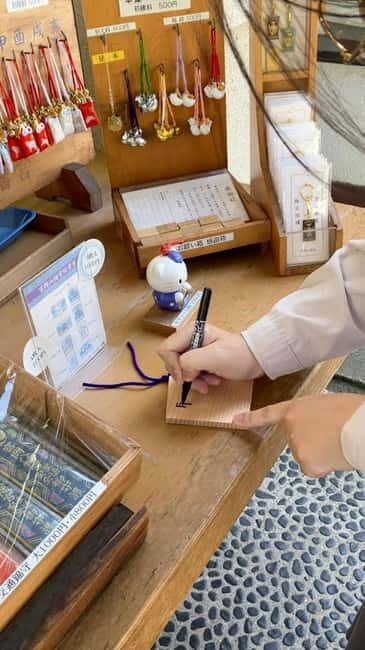
After the Buddhist fire ceremony, the tour switches to Shinto at Tomioka Hachimangu Shrine. This change isn’t just “next stop.” It helps you understand how Japanese religious life can be practical and layered.
In the shrine calm, you’ll learn meanings behind items you might otherwise see and ignore:
- White fortune paper (and what it represents)
- Wooden wish bars (and how people engage with them)
- Goshuin stamps (a big part of shrine culture)
- Shinto symbols you’ll spot around the grounds
You’ll also hear why sake and sumo matter to Shinto here. That kind of cultural connection is exactly where a guided explanation turns into real understanding. Without it, these items can look like random traditions. With it, they become part of a bigger story about community, practice, and symbolism.
You’ll finish this shrine visit with family stories connected to the place. Those personal details are often what makes a short tour feel like it lasted longer than two hours.
Buddhism and Shinto, explained in a way you can use
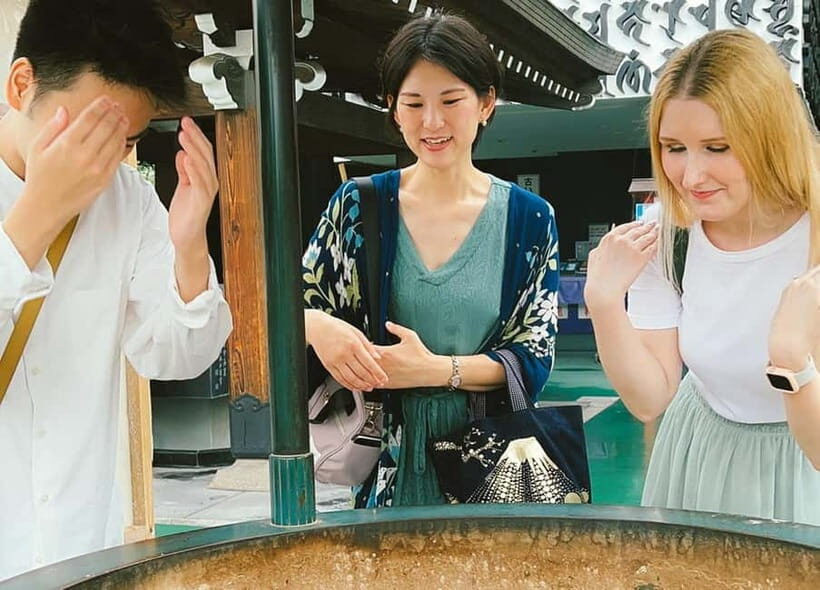
Japan can feel religiously confusing at first: you may see shrine gates next to Buddhist halls, and both can show up in everyday life. The tour’s goal is to help you make sense of the difference between the two and how people often participate in both.
What helps most is the guide’s ability to keep it clear. You’re not just hearing definitions. You’re connecting them to behavior—how to act at a temple versus a shrine, and what to notice when you’re there.
A Ph.D. background matters here because it changes the way information is organized. Instead of just “here are facts,” you get explanations that connect cultural practice to the meaning behind it. And since the guide is local—born and raised in the area—your questions aren’t awkward. They get answered in a way that fits how people actually live with these traditions.
Small-group size: why max 6 matters at a ritual site
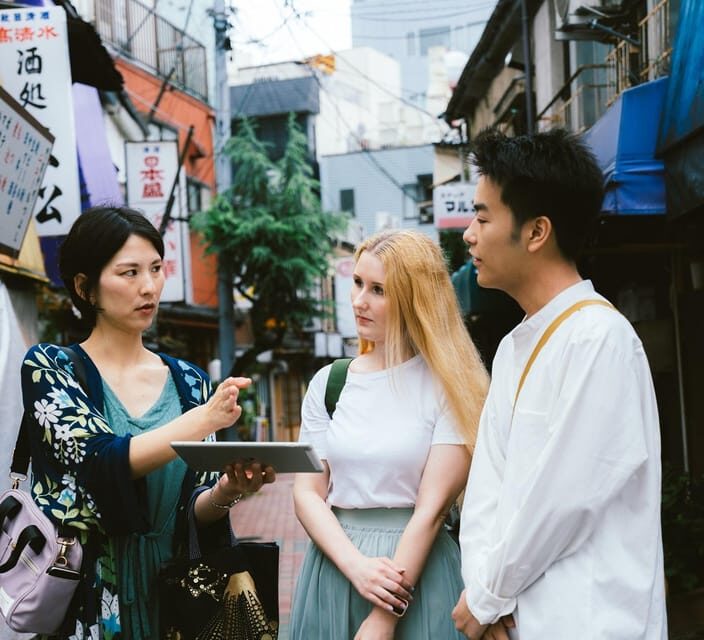
With a group limited to 6 people, you get two benefits.
First, the tour doesn’t feel like herding cats. That’s especially important when there are etiquette rules and seating expectations. Second, your questions have room. You can ask things like why a rule exists, or what you should do if you’re unsure how to stand, sit, or move.
In the reviews, Manami is repeatedly described as thoughtful, patient, and kind, with a special strength in explaining the nuances of Buddhism and Shinto. That lines up with what you need most on a temple day: not just facts, but clarity.
What to wear and what you must not do
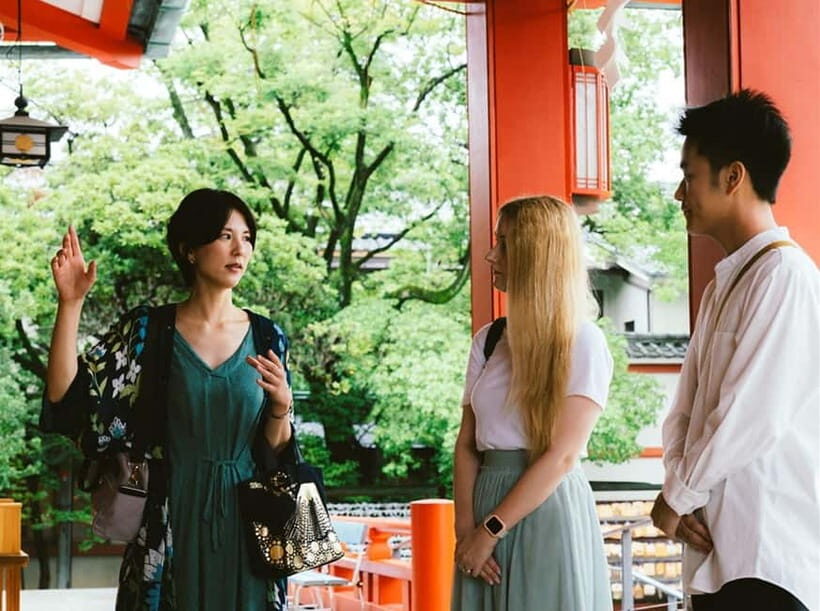
This is one of those tours where the rules are part of the experience. They’re not suggestions.
What to bring
- Cash
- Drinks
- Comfortable shoes (you’ll walk)
What’s provided
- Shawls if you need to cover shoulders or knees
Clothing and behavior rules (important)
- No smoking
- No short skirts
- No sleeveless shirts
- No hats
- Shoes indoors are not allowed
- No see-through clothing
Photography rules
- No video recording
- Photography inside is not allowed
- No audio recording
If you’re used to photographing everything, this will feel different. But it’s also why the tour can teach etiquette without turning into a distraction-fest. You’ll come away remembering the ceremony instead of only checking your camera roll.
Price and value: what $62 buys in 2 hours
At $62 per person for a 2-hour guided experience, you’re paying for three things that are hard to DIY:
- A local guide who can explain what you’re seeing in plain English (and answer lots of questions).
- Real ceremony etiquette, including the kind of seating behavior rules you can easily miss.
- Access to context for both traditions—Buddhist fire ritual and Shinto shrine practice—without you needing to research each stop beforehand.
The tour also includes admission for the fire ceremony, which helps you avoid the “figure out tickets in Japan” friction. You’re not just getting a walk; you’re getting a structured explanation of how to participate respectfully and understand the symbolism.
Who this tour suits best (and who might want to skip it)
This tour is built for people who want respectful, educational visits to religious sites. It’s also ideal if you’re traveling in a small group style and you don’t want to spend half a day sorting out etiquette on your own.
It may not be a great fit if:
- You need wheelchair-style accessibility (not stated, but you’ll be using stairs to find the meeting point)
- You prefer filming freely
- You want a more casual food-and-sake-focused temple stroll (this experience is focused on ceremony and spiritual context)
The tour also specifies it isn’t suitable for people over 80, and it’s not suitable for children under 5. If you’re traveling with little kids, plan accordingly.
Should you book this Tokyo Buddhism and Shinto tour?
If you’re doing temples in Tokyo and you want more than pretty photos, book it. This is the kind of tour that gives you tools: what to do, where to focus, how to behave, and what the rituals mean. I especially recommend it if you’re curious about the relationship between Buddhism and Shinto and you want explanations tied to real practices—like the fire ceremony etiquette.
Skip it if your main goal is filming ceremonies, taking lots of indoor photos, or you want a casual street-food add-on day. This tour isn’t built for that. It’s built for respectful watching and learning, with Manami Watanabe running the show.
If you like thoughtful guides, small groups, and a clear plan that helps you avoid etiquette mistakes, you’ll likely love this one.
FAQ
Where is the meeting point for this tour?
You meet outside Exit 4 of Monzen-nakacho Station. The store Kusuri no Fukutaro with the red sign banner is just outside.
How long is the tour?
The tour lasts 2 hours.
How large is the group?
The group is limited to 6 participants.
Who hosts the tour and what language is it in?
The tour is hosted by Manami Watanabe and the tour language is English.
What is included in the price?
Admission fee to the fire ceremony of Fukagawa Fudo-do Buddhist temple, a guided tour in the neighborhood, a local guide, and shawls for guests who need to cover shoulders or knees.
Can I take photos or record video/audio during the ceremony?
No. Video recording is not allowed, photography inside is not allowed, and audio recording is not allowed.
What should I wear or bring?
Bring cash, drinks, and comfortable shoes. Dress in a way that fits the rules: no short skirts, no sleeveless shirts, no hats, and note that shoes indoors are not allowed.