REVIEW · TOKYO
Private Tour Kamakura Yokohama Day Trip English speaking driver
Book on Viator →Operated by Ohayo Trip · Bookable on Viator
Temples and sea views, minus the subway shuffle. A private English-speaking driver and a full 10-hour loop means you can see major sights in Kamakura and Yokohama without wrestling transfers. I like how the day hits both spiritual old Japan and easy waterfront walking, so you don’t feel stuck in museum mode.
Two things I’d put near the top: the stop for the Giant Buddha at Kotoku-in, and the calm, photo-friendly grounds of Hōkoku-ji Bamboo Temple. One heads-up: the big temple and garden sites have separate admission fees (about 1100 JPY per person), so your trip budget needs a little extra padding.
If you want a smooth day with a friendly driver who can keep things moving on time, this is a smart way to do it. Guides like Sunny and Mr Vicky came up in past groups as communicative and flexible, and that kind of attention matters more than you’d think on a packed schedule. The schedule is busy enough that comfortable shoes are not optional.
In This Review
- Key highlights you’ll feel right away
- Why Kamakura plus Yokohama makes a great single day
- Price and logistics: what you’re really paying for
- Hokōkō-ji (Bamboo Temple): the calm start that sets your tone
- Hase-dera (Hase-kannon): why the long stop feels worth it
- Kotoku-in’s Great Buddha: the photo everyone understands
- Tsurugaoka Hachimangu plus Komachidori: shrine time and street time
- Yokohama Chinatown: walking through a neighborhood, not just eating
- Sankeien Gardens: the quiet reset you’ll thank yourself for
- Yuigahama seaside park: finish with beach air and a Fuji lookout
- How to plan your day inside the day
- Who this private tour is best for
- Should you book this Kamakura and Yokohama day trip?
- FAQ
- What’s the duration of the Kamakura Yokohama day trip?
- How many people are in a group?
- What is included in the price?
- Are temple and garden admission fees included?
- Is pickup offered, and do I get a mobile ticket?
- Is this tour English-speaking?
- Can I cancel and get a full refund?
Key highlights you’ll feel right away
- Private, English-speaking guidance: You’re not decoding train signage all day.
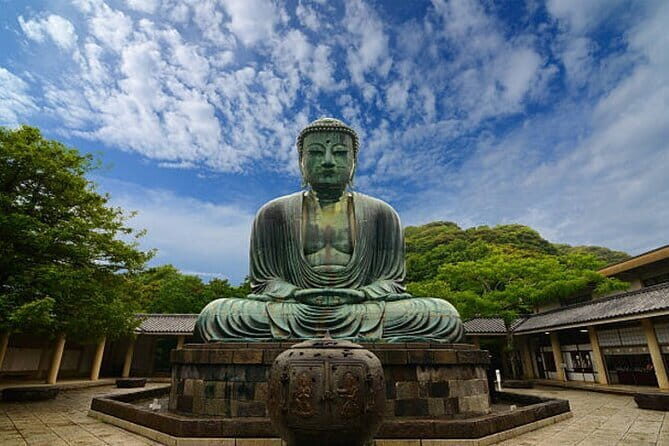
- Kamakura’s top hits in one run: Bamboo temple, Hase-dera, and Kotoku-in in the same day.
- Plenty of time to wander: Komachidori shopping street and Chinatown get dedicated blocks.
- A garden break in Yokohama: Sankeien-en adds calm and variety to the day.
- Beach + possible Mt. Fuji photos: Yuigahama gives you an easy end-of-day view hunt.
Why Kamakura plus Yokohama makes a great single day
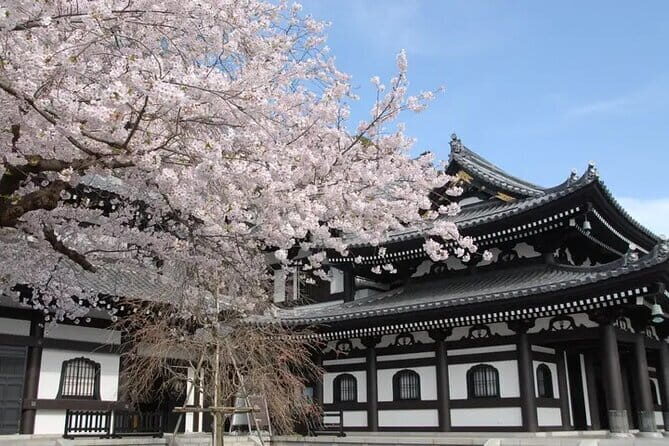
Kamakura is famous for temples and shrines, and it’s the kind of place where walking between sacred spaces feels natural. Add Yokohama right after, and you get contrast: Kamakura’s religious atmosphere and old streets, then Yokohama’s waterfront energy and Chinatown. It’s a clean “two vibes” plan without you needing to plan two separate days.
The private format is the real win. You’re traveling from Tokyo, so time matters. With a private vehicle and an English-speaking driver, you can spend your energy on what you came for—temples, food stops, and photos—rather than figuring out how many stations and transfers you need.
And the pacing is built around variety. You’ll have classic temple time, shopping stroll time, and free wandering time. That mix helps if you have different interests in your group.
You can also read our reviews of more private tours in Tokyo

Price and logistics: what you’re really paying for
The tour costs $399 per group (up to 6 people) and runs about 10 hours. That pricing structure can be surprisingly reasonable if you’re sharing the car cost with friends or family. Even if you arrive with just 2–3 people, you’re still buying something important: a full day of door-to-door convenience.
Included basics are straightforward:
- Air-conditioned vehicle
- Private transportation
- Fuels charges/tolls/taxes
What’s not included is equally important for planning:
- Temple/garden admission fees (about 1100 JPY per person)
- Specific site tickets for Hokoku-ji, Hase-dera, Kotoku-in, Tsurugaoka Hachimangu, and Sankeien Gardens
So yes, you’ll pay extra at the sites. But the benefit is you’re not juggling cash while also trying to manage crowds and time. You can treat admissions as a predictable line item instead of a surprise.
Also worth noting: you get a mobile ticket and pickup is offered. That combination makes the day feel modern and less like a scavenger hunt.
Hokōkō-ji (Bamboo Temple): the calm start that sets your tone
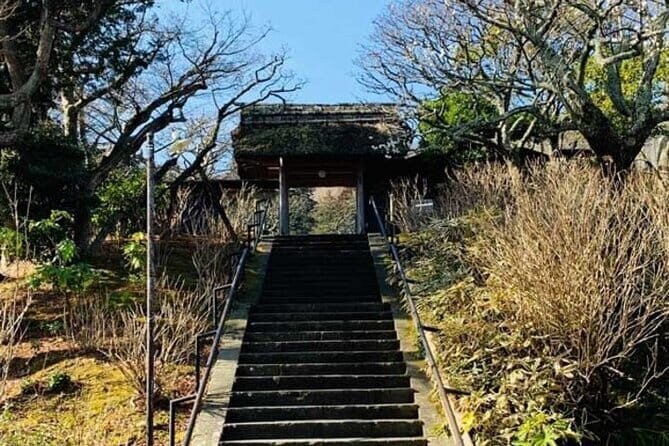
Hōkoku-ji is known for its bamboo garden, and it has a sacred hall with a principal image of Shaka Nyorai (Gautama Buddha). This is the kind of stop that works best when you’re not rushing. The garden gives you that “step out of the city” feeling immediately.
You’re scheduled for about 1 hour here, and that’s a good window. It’s enough time to walk the key areas, take photos, and slow down a bit before the bigger crowd draws you in later. One previous group specifically praised the peaceful atmosphere around the zen garden moment, including a matcha tea experience during the day.
Possible drawback: because it’s a temple with garden paths, it’s not the place to sprint for photos. If your group likes to see everything fast, you’ll want to build in a little patience.
Hase-dera (Hase-kannon): why the long stop feels worth it
Hase-dera is famous for housing a massive wooden statue of Kannon, and it’s one of Kamakura’s standout Buddhist temples. This stop is scheduled for 2 hours, which tells you something: the time isn’t just for walking. It’s for taking the temple in without feeling like you’re on a timer.
This is also a temple where the structure of the experience can feel more immersive than a quick photo stop. The statue is the headline, but the broader temple setting is what makes it memorable. If your group enjoys calm, scenic spaces, this is where you’ll feel the “vacation pace” kick in.
Watch-out for real life: you’ll be spending a chunk of the day here, so plan your footwear and water accordingly. Two hours can feel quick, but it’s still a longer stretch than most single sights.
Kotoku-in’s Great Buddha: the photo everyone understands
Kotoku-in is all about the Great Buddha of Kamakura, and it’s scheduled for about 1 hour. This is the stop that converts “temple curiosity” into “wow” fast, because the scale is the story. The grounds are part of the effect too—you’re not just looking at a statue behind a fence.
This is also where your camera will earn its keep. If your group enjoys landmarks, this is the one you’ll want to linger at a little longer than you think. The previous group that mentioned this stop described it as amazing to see the huge statue and the temple grounds, and that matches what you should expect from a site like this.
Possible drawback: if you arrive at peak times, you can get crowd density around the main view areas. The private driver helps with timing and getting you where you need to be, but no one can control the fact that this is a top attraction.
A few more Tokyo tours and experiences worth a look




Tsurugaoka Hachimangu plus Komachidori: shrine time and street time
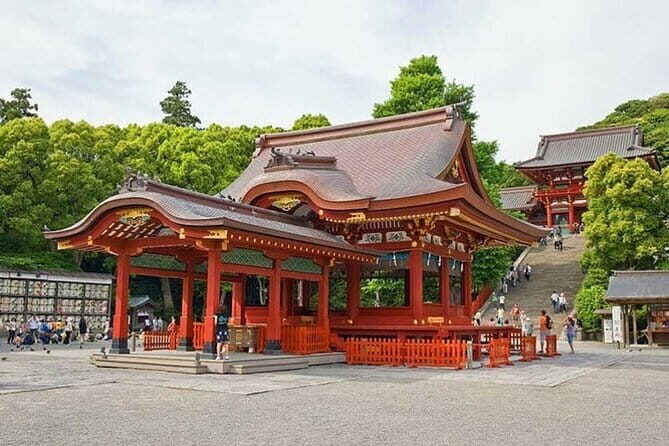
Next up is Tsurugaoka Hachimangu Shrine, scheduled for about 1 hour. It’s one of Kamakura’s key cultural centers and the venue for major festivals. Two ponds representing the Taira and Minamoto clans add a distinct “place to pause” feel.
From there, you transition to Kamakura Komachidori, a busy pedestrian walkway lined with shops, gifts, and food. You get about 1 hour, and that’s a practical slice of time: enough to browse, grab snacks, and pick up small souvenirs without letting shopping swallow the whole day.
This is a good section for people who want variety. If your group has one person who loves temples and another who wants snacks and browsing, Komachidori is where both can win.
Possible drawback: Komachidori is busy. If you hate crowds, keep your pace slow and your route simple. Use the time to grab something quick and move on rather than trying to shop every single storefront.
Yokohama Chinatown: walking through a neighborhood, not just eating
After Kamakura, you head to Yokohama Chinatown for about 2 hours. It’s about 160 years old, with a population historically around 3,000 to 4,000, and today many residents are from Guangzhou. The tour gives you time to wander, not just stop at a single spot.
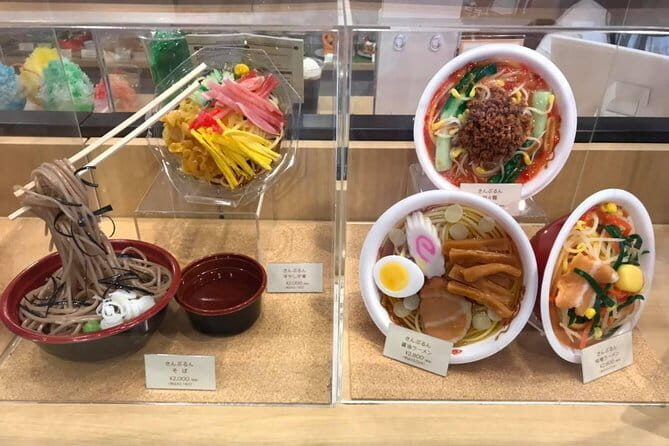
This two-hour block is useful because Chinatown works differently depending on what you want. If you want snacks, you can do a slow tasting walk. If you want photos, you can take your time without feeling like you’re interrupting the schedule. And if you want something to eat that suits your dietary needs, this is the best place to do it during the day.
One practical note from a past experience: food can be a challenge for vegetarians. That same group found an authentic South Indian hole-in-the-wall restaurant and was happy with lunch there. That’s your takeaway: if your diet needs extra care, ask your driver for options and don’t assume every stop will automatically match your needs.
Sankeien Gardens: the quiet reset you’ll thank yourself for
Sankeien Gardens in Yokohama are a traditional Japanese-style garden that opened in 1906. It was designed and built by Tomitaro Hara (pseudonym Sankei Hara), a silk trader. You get about 1 hour here, which is enough time to experience the garden layout without turning it into a whole afternoon commitment.
This stop balances the day. You’ve had temples, then Chinatown streets. A garden is a different type of sensory experience—shaded walking paths, slower movement, and calmer photo opportunities. It’s the kind of contrast that makes the whole trip feel intentional rather than just “sightseeing.”
Possible drawback: gardens can be timing-sensitive if the day runs long. If you skip lunch or move quickly through the earlier areas, you’ll have more mental energy here. If you spend too long browsing shops, you might end up feeling slightly rushed at Sankeien-en.
Yuigahama seaside park: finish with beach air and a Fuji lookout
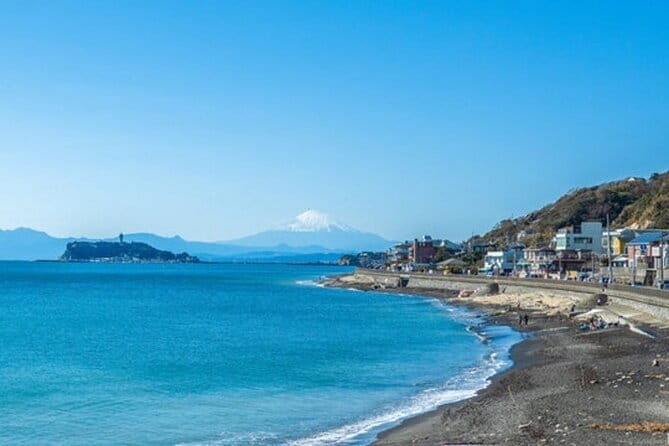
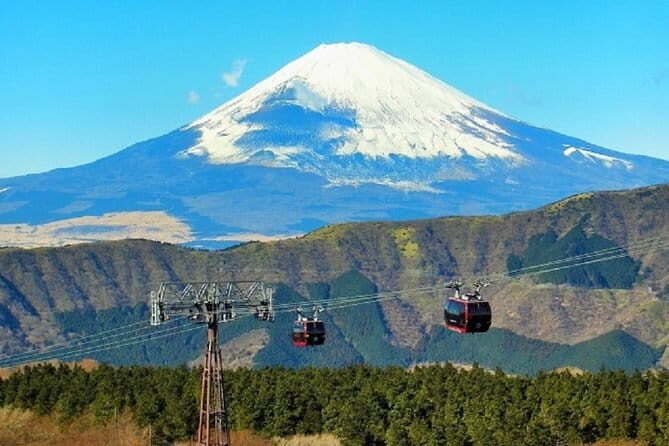
You end at the Kamakura Seaside Park (Yuigahama area) for about 1 hour. This is where the day shifts from indoor and shrine viewpoints to open air. You’ll get a chance for photos with a beautiful beach setup and a view of Mt. Fuji across the ocean (weather dependent).
This is a smart closing stop. It’s a natural decompression after temples and walking streets. Plus, it gives you something “day trip practical” to do: stretch your legs, take photos, and enjoy the horizon without buying a ticket for another building.
Possible drawback: it’s a seaside area, so wind and chill can sneak up. Bring a light layer even in calmer seasons, especially if you’re sensitive to temperature changes.
How to plan your day inside the day
This tour is efficient, but you still need to support it with good choices. A private driver helps with logistics, but your personal comfort affects everything.
1) Budget admission fees
Plan for about 1100 JPY per person for the main sites that require entry. If you’re splitting the $399 group cost, the admissions are the part most people forget to factor in.
2) Wear shoes that handle temple steps
There are multiple temple locations and a shopping street. If your footwear is borderline, you’ll feel it by the middle of the day.
3) Use your free-wander time
Komachidori (1 hour) and Chinatown (2 hours) are your “choose your adventure” blocks. Treat them as flexible breathing room—shop a little, eat a little, take photos, then move.
4) If you’re vegetarian or picky, be proactive
One group found lunch by searching for a South Indian option after food felt difficult for vegetarian needs. That suggests you’ll do better by asking your driver for practical lunch suggestions rather than assuming every Chinatown bite will work for your diet.
5) Keep water and snacks in mind
Nothing in the provided info says drinks or food are included. You’ll likely be happiest if you plan small snack breaks so you’re not stuck searching under time pressure.
Who this private tour is best for
This is a strong pick if:
- You want a private, English-speaking driver and minimal public-transport stress
- Your group has mixed interests (temples, shopping streets, Chinatown, gardens)
- You’re short on time in Tokyo but still want a meaningful day trip
- You prefer a set schedule with freedom built in (not a fully free-for-all)
It’s also a good option if you value guide communication. Past experiences called out guides like Sunny and Mr Vicky for being friendly, flexible, and good at keeping the day running on time.
Should you book this Kamakura and Yokohama day trip?
Yes, I’d book it if you want a high-value day that uses a private vehicle to compress a lot of sightseeing into about 10 hours. The price makes the most sense when you split the car cost within your group, and the itinerary structure gives you a balanced mix of temples, streets, and open-air views.
Skip it only if you hate long walking days, or if you’re expecting everything to be included (it’s not—temple/garden admissions add about 1100 JPY per person). Also, if your food needs are very specific, don’t assume every meal stop will automatically work; be ready to ask for lunch alternatives.
FAQ
What’s the duration of the Kamakura Yokohama day trip?
The tour runs for about 10 hours.
How many people are in a group?
It’s private, and the group size is up to 6 people.
What is included in the price?
The price includes an air-conditioned vehicle, private transportation, and fuel charges/tolls/taxes. The listed admission fees are not included.
Are temple and garden admission fees included?
No. Entry/admission fees for Hokokuji Temple, Hase-dera, Kotoku-in, Tsurugaoka Hachimangu Shrine, and Sankeien Gardens are not included, and the total is about 1100 JPY per person.
Is pickup offered, and do I get a mobile ticket?
Yes, pickup is offered, and you receive a mobile ticket.
Is this tour English-speaking?
Yes, it’s described as an English speaking private tour with a driver.
Can I cancel and get a full refund?
Yes. You can cancel up to 24 hours in advance for a full refund. If you cancel less than 24 hours before the start time, the amount paid will not be refunded.