REVIEW · TOKYO
Best Mt Fuji and Hakone Full-Day Bus Tour from Tokyo
Book on Viator →Operated by Beauty of Japan · Bookable on Viator
Tokyo to Fuji in one smooth day. This full-day shared bus tour packs Mt. Fuji viewpoints and Hakone classics into one organized route, with a small group feel and a simple plan for a long day. It starts early in Shinjuku and keeps you moving—without the hassle of car rentals or complicated transfers.
Two things I really like: the built-in guidance, including a professional English-speaking guide (Yuki-san), plus multilingual audio support for backup. I also like the variety—Fuji at 5th Station, then a ninja-themed break at Oshino Shinobi no Sato, and finally the water-and-shrine postcard moment at Hakone Jinja.
One possible drawback: the schedule is tight, and access to the mountain area can depend on weather. If you want long stays or flexible timing, this tour’s pace may feel a bit strict.
In This Review
- Key points worth knowing before you go
- A well-paced day: how the 9 hours actually works for you
- Shinjuku meetup: finding the LOVE statue and starting on time
- Mt. Fuji 5th Station (Subashiri): the viewpoint stop you’re paying for
- Oshino Shinobi no Sato: ninja village + a break from travel time
- Owakudani Valley via Hakone Ropeway: a short ride with big views
- Lake Ashi cruise and Wild Grass Garden timing: your calm moment on the water
- Hakone Jinja and the Torii of Peace: the red-torii payoff
- Odawara and your ending choice: Shinjuku return or Shinkansen option
- What’s included (and why that matters when you’re tired)
- Price and value: what you’re really paying for
- When this tour is a great fit (and when it isn’t)
- Tips that make the day feel smoother
- Should you book this Mt Fuji and Hakone day tour from Tokyo?
- FAQ
- Where is the meeting point in Tokyo?
- What time does the tour start?
- How long is the tour, and when do you return?
- What does the tour price include?
- Is the Mt. Fuji stop guaranteed?
- Do I need to buy tickets for the ropeway and cruise?
- How many people are in each group?
- Do you provide audio in languages besides English?
Key points worth knowing before you go
- Small group size (max 15) keeps the day calmer than big coach crowds
- Nishishinjuku meetup at the LOVE statue makes a concrete start point in Shinjuku
- Mt. Fuji 5th Station via the Subashiri side gives you a high-altitude viewpoint stop
- Hakone Ropeway + Owakudani Valley ties together views and sightseeing in one block
- Lake Ashi cruise adds a relaxed break before Hakone Jinja
- Torii of Peace (red torii on the water) is one of the most recognizable Hakone sights
A well-paced day: how the 9 hours actually works for you
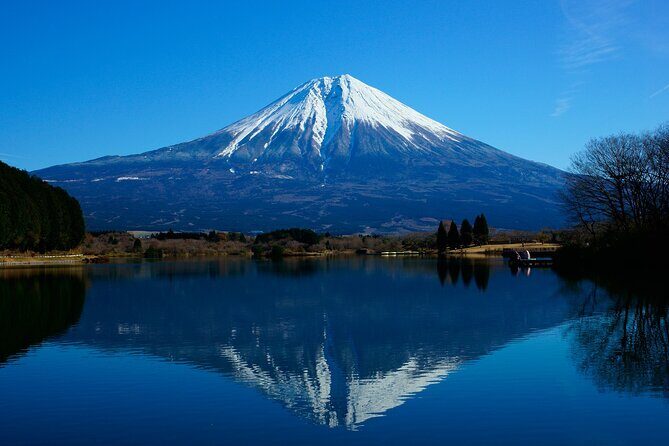
This tour is built for one goal: getting you from Tokyo to Mt. Fuji and Hakone within a single day, without you playing transportation chess. You’ll board in Shinjuku, hit a Fuji viewpoint stop, then move into Hakone’s main sights in a set order. The payoff is a full “first-timer” loop that’s hard to replicate without careful planning.
The shared format is part of the value. At $188.59 per person, you’re paying for the bus, a professional guide, and ticketed experiences that would otherwise eat up time and mental energy. The group cap of 15 matters too. A smaller group means less waiting and fewer “where is everyone” moments when you’re transitioning between stops.
The pace is the trade-off. You’re traveling and sightseeing back-to-back, so you won’t get long wandering time at every place. This can be great if you’re short on Tokyo days. It can feel rushed if you’re hoping to linger at viewpoints or take your time exploring shops.
A few more Tokyo tours and experiences worth a look

Shinjuku meetup: finding the LOVE statue and starting on time

Your day begins in Nishishinjuku, at the “LOVE” statue in front of the i-Land tower. The check-in time is 7:50am, with departure at 8:00am. That early start is real, so show up a little before 7:50 and take a moment to confirm you’re at the right spot.
If you’ve ever tried to coordinate meeting points in Shinjuku, you’ll appreciate that this one is very specific: the statue in front of i-Land tower. Being near public transportation helps too, since you don’t need a hotel pickup. You’ll also want to dress for a cold start—early morning in Japan can be chilly even when the afternoon is pleasant.
Practical tip: keep your day essentials together before you leave. Once you’re in the rhythm of bus stops, it’s easy to forget small items like water, tissues, or a light layer.
Mt. Fuji 5th Station (Subashiri): the viewpoint stop you’re paying for
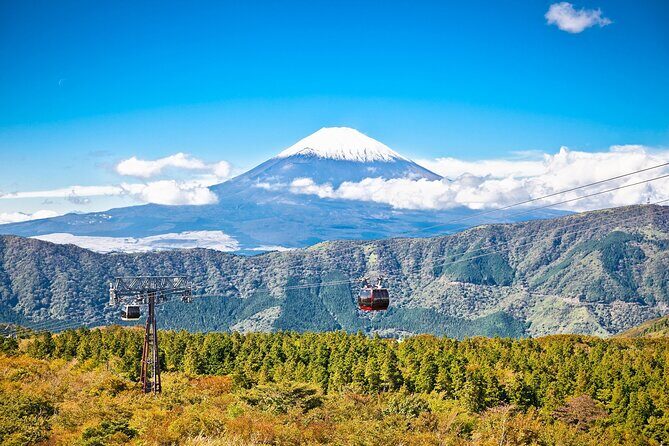
The first major sightseeing block is Mt. Fuji 5th Station, reached around 10:30am. This stop is on the eastern side, the Subashiri Trail area, around 2,000 meters from sea level. You’ll have about 30 minutes at the station.
The big thing to know is the weather factor. Access to the mountain area can be contingent on weather conditions, so the plan depends on what the sky is doing that day. If visibility is good, you’re in for one of those “this is why I came to Japan” moments. If it’s hazy, you’ll still get the high-altitude presence of Fuji region scenery, but don’t expect a perfect view every time.
Also, 30 minutes goes fast at altitude. You’re usually there for photos, quick orientation, and a short stretch rather than long walks. Wear layers, expect wind, and bring a phone strap or secure camera grip—breezes happen up there.
Oshino Shinobi no Sato: ninja village + a break from travel time
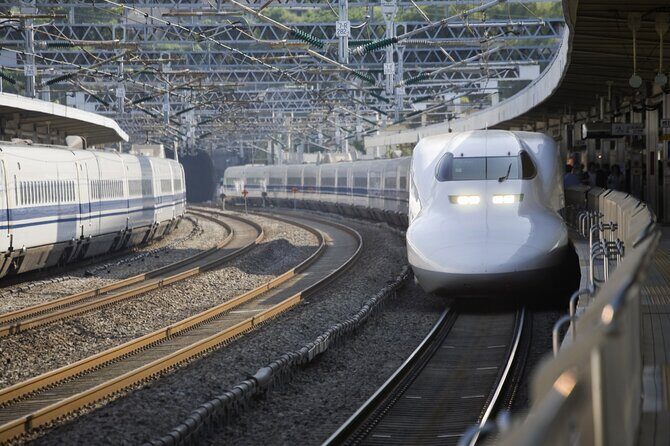
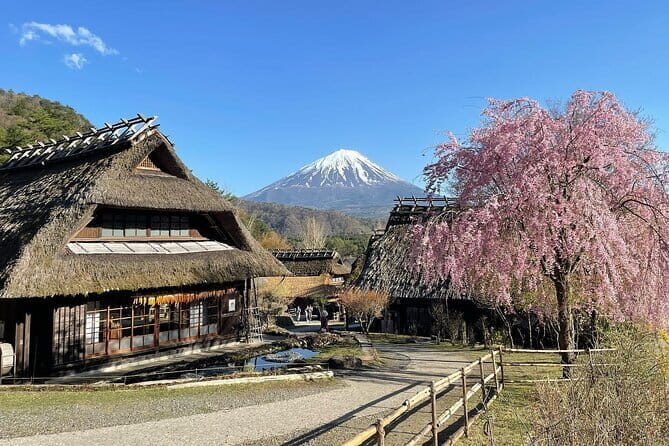
Next comes Oshino Shinobi no Sato, arriving around 11:10am. This is a ninja theme village, and the area offers a view back toward Mt. Fuji, which is a nice change from just climbing-focused sightseeing.
You’ll have about 1 hour 10 minutes here, with lunch included at Samurai Restaurant. That lunch block is a real convenience because it prevents the classic “we’re starving but the timing won’t work” problem. It’s also a good reset point for families—this stop has a built-in fun factor that works well when kids want something lively, not just more viewpoints.
The ninja theme is playful, but the value for you is the structure. You get a clear, timed break between mountain viewing and Hakone’s later attractions. It’s the kind of stop that keeps the day from turning into pure travel.
Owakudani Valley via Hakone Ropeway: a short ride with big views

After lunch, you head to Hakone Ropeway, taking a short ride toward Owaku-dani Valley (around 1:30pm). You’ll spend about 1 hour in this section.
The practical advantage here is that the ropeway helps compress travel time while giving you scenic windows of Hakone from above. You’re also getting a famous Hakone route without needing to plan transfers yourself. Ropeway access is included, so you’re not juggling ticket counters while everyone else is moving.
One note: Hakone days can feel weather-sensitive because you’re at higher elevations during parts of the route. Still, the tour operates in all weather conditions as long as you dress appropriately. Bring a compact rain layer if rain is possible.






Lake Ashi cruise and Wild Grass Garden timing: your calm moment on the water

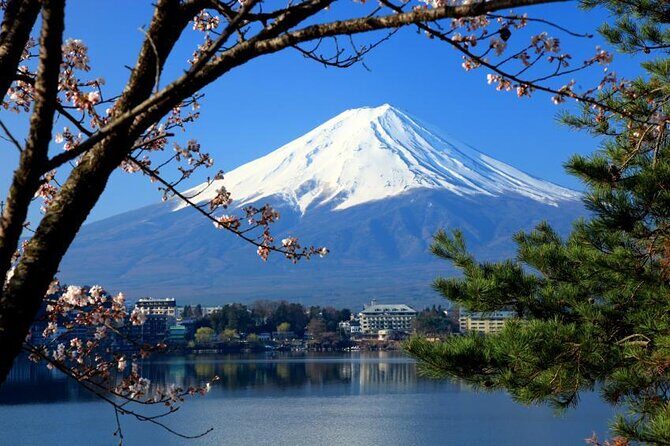
Around 2:50pm, you arrive at Lake Ashi Wild Grass Garden and then take a leisurely cruise. The cruise time is about 45 minutes, and the tour frames it as a chance to take in the classic scene of Mt. Fuji across the water.
This is one of the best parts of the whole day for balance. After a structured morning and a bus-and-ropeway route, the cruise gives you a slower pace. You’re not rushing from queue to queue, and you can focus on photos and watching the shoreline slide by.
If you’re photo-minded, use the cruise like a “window” rather than a marathon. Don’t burn time hunting for the perfect angle—get a few solid shots early, then enjoy the ride.
Hakone Jinja and the Torii of Peace: the red-torii payoff

At about 3:15pm, you move from Lake Ashi toward Hakone Jinja, with travel time included (roughly 15 minutes by ride). You then have 30 minutes for the shrine area, ending around 4:00pm.
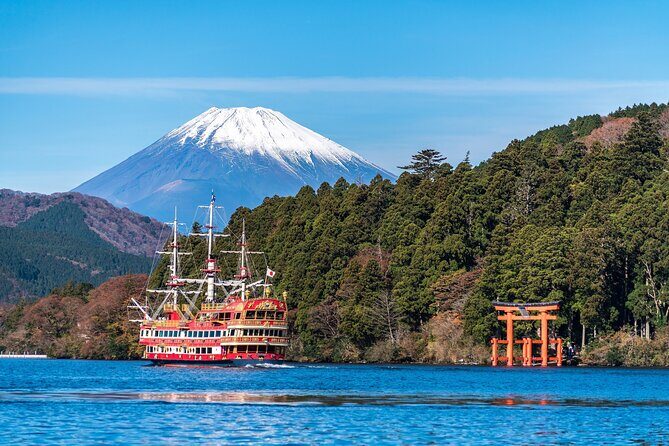
This is a major reason people come to Hakone. The shrine is famous for its red torii gate on the water, called the Torii of Peace. It’s one of those scenes that looks like a postcard even when you’re not in postcard-light.
With only 30 minutes, you’ll want to treat this as a fast-hit stop: find the main photo position early, then take a short stroll and enjoy the atmosphere without overcommitting your schedule.
Odawara and your ending choice: Shinjuku return or Shinkansen option
Around 4:30pm, you reach Odawara Station Tourist Information Center for about 10 minutes. This is mainly a transition point.
Here’s a helpful option: if you chose the Shinkansen option, your tour can finish at Odawara. If you didn’t, you’ll take the bus back to Shinjuku Station for about 70 minutes, arriving back around 6:50pm at the west exit.
That means you can plan your evening in Tokyo with less stress. If you’re staying near Shinjuku, getting back by late afternoon/early evening is a big plus.
What’s included (and why that matters when you’re tired)
This tour bundles several ticketed pieces and services that usually add up when you book everything separately:
- Bus fare for the full route
- A professional English-speaking guide
- Buffet lunch
- Ropeway fee
- Admission for Shinobi no Sato
- Lake Ashi cruise
- Multilingual audio guidance (English, Spanish, French, Italian, Indonesia, Thai, Russian, Ukraniane)
- Mobile ticket
Drinks aren’t included. That sounds minor until you’re on a packed day and realize you forgot water or a snack. I’d plan to buy beverages at stops or bring a small stash before you head out.
The multilingual audio matters too. Even if your main language is English, it’s useful as a backup when you’re busy taking photos or when a section is moving fast.
Price and value: what you’re really paying for
At $188.59 per person, this is not the cheapest option you’ll find. But it is the kind of price that makes sense if you value your time and sanity.
You’re paying for:
- Transportation across a long day
- Guide interpretation that helps you connect the dots between stops
- Included admissions (ropeway, ninja village, cruise)
- A timed route that prevents you from wasting half a day figuring out transit
The fact that it’s commonly booked around 68 days in advance hints that it’s a practical favorite when people want a clean Fuji-Hakone loop from Tokyo. If you’re traveling in peak seasons or on weekends, booking earlier tends to help you lock in a seat.
When this tour is a great fit (and when it isn’t)
You’ll like this tour if you:
- Want a structured day without renting a car
- Have limited time in Tokyo and still want both Mt. Fuji and Hakone
- Prefer a shared-group plan over piecing together buses and tickets
- Travel with kids or want a more fun break from viewpoint-only stops (Yuki-san’s style is noted as especially helpful for families)
You might not love it if you:
- Want long hikes or a lot of unscheduled time at 5th Station
- Get irritated by weather-based changes (Fuji access can be affected by conditions)
- Truly need a slow travel rhythm and hate tight connections between stops
This is a “see the highlights in one day” tour. That’s its strength and its limitation.
Tips that make the day feel smoother
A few small choices can turn this from an exhausting bus day into a satisfying sightseeing loop.
Dress for layers. You’re at altitude at Mt. Fuji 5th Station and you’ll be outside around the shrine and ropeway areas. Even if it’s warm in Tokyo, plan for cooler air up the route.
Use the audio guidance. When you’re moving through stops, listening while you walk helps you understand what you’re seeing without slowing the group.
Bring your own water plan. Since drinks aren’t included, don’t rely on vending machines appearing exactly when you need them.
And if you’re hoping for clear Fuji views, keep expectations flexible. The schedule runs, but what you can see depends on the sky.
Should you book this Mt Fuji and Hakone day tour from Tokyo?
Book it if you want a ready-made, high-value day that covers the Fuji-Hakone basics with less stress than DIY. The best parts are the balance: Fuji viewpoint time, a fun ninja-themed village with lunch, then Hakone’s signature ropeway, Lake Ashi cruise, and Hakone Jinja torii-on-water moment.
Skip it if your top priority is hiking time, deep wandering, or staying flexible hour-by-hour. This tour is designed to move, and you’ll feel that.
If you want a guided highlights day with a small group, included tickets, and a helpful English-speaking guide like Yuki-san, this is a strong pick.
FAQ
Where is the meeting point in Tokyo?
You meet at the LOVE statue in front of the i-Land tower in Nishishinjuku, Shinjuku. The address is 6-5-1 Nishi-shinjuku, Shinjuku, Tokyo.
What time does the tour start?
Check-in is at 7:50am, and departure is at 8:00am.
How long is the tour, and when do you return?
The tour is about 9 hours. If you return to Shinjuku, you arrive back around 6:50pm. There is also an option to finish at Odawara for Shinkansen plans.
What does the tour price include?
It includes bus fare, a professional English-speaking guide, buffet lunch, ropeway fee, admission for Shinobi no Sato, Lake Ashi cruise, and multilingual audio guidance. It does not include drinks.
Is the Mt. Fuji stop guaranteed?
Access to the mountain area may depend on weather conditions. The tour notes that access can be contingent on weather.
Do I need to buy tickets for the ropeway and cruise?
No. The ropeway fee and the Lake Ashi cruise are included in the tour.
How many people are in each group?
The tour has a maximum of 15 travelers per booking.
Do you provide audio in languages besides English?
Yes. Audio guidance is available in English, Spanish, French, Italian, Indonesia, Thai, Russian, and Ukraniane.