REVIEW · KYOTO
Original rugs handmade in Kyoto
Book on Viator →Operated by Atelier NIN · Bookable on Viator
A rug workshop with Kyoto sight breaks. You’ll design and tuft your own small rug in a studio right by Shimogamo Jinja, choosing from about 60 thread options. Then the day rolls into classic Kyoto stops, and you get a take-home result that actually looks like you.
I also love how hands-on and beginner-friendly this feels. Staff set you up with the machine, an apron, and patient instruction (I even saw the name Hayato credited as a great instructor), so you’re not stuck guessing for two hours. One thing to consider: it’s a short session, so you’ll want to have a design idea ready before you start tufting.
In This Review
- Key highlights to know before you go
- Rug Tufting Basics at Tufting Studio CREA (Atelier NIN)
- Picking Your Threads: Your Rug Starts as Free Ideas
- The Studio Step-by-Step: What the Session Feels Like
- Shimogamo Jinja Stop: A World Heritage Start Near the Studio
- Ginkakuji Temple Stop: A Classic Kyoto Break Without the Whole Day Commitment
- Kamogawa Delta Stop: A Riverside Park Pause for Photos and Breath
- Price and Logistics: Is $84.70 Worth It?
- What You’ll Carry Home (Besides the Rug)
- Who Should Book This Rug Workshop in Kyoto?
- Should You Book This Workshop?
- FAQ
- Where does this experience start?
- How long is the experience?
- What is the maximum group size?
- What can I make in the studio?
- Do I choose my rug materials?
- Can I take the rug home the same day?
- What’s included in the price?
- Is air conditioning included during travel?
- How do I get confirmation and tickets?
- What is the cancellation policy?
Key highlights to know before you go
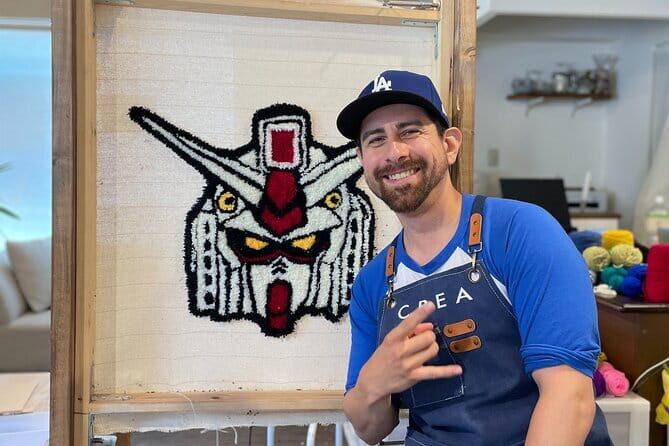
- A real tufting machine, not a demo: You’ll rent the specialized equipment and make the rug yourself.
- Your design, your threads: Choose from about 60 thread lineup colors and create up to a 30 cm square or rectangular rug.
- Take it home the same day: The finished rug is meant to be carried away right after class.
- Small group feel: Maximum group size is 6, so you get more attention than in bigger tours.
- A Kyoto location that’s easy to pair with sightseeing: The studio is about a minute from Shimogamo Shrine and you can reach it by bus from Kyoto Station.
- Friendly staff energy: Multiple reviews point to a relaxing atmosphere and clear explanations.
Rug Tufting Basics at Tufting Studio CREA (Atelier NIN)
This is a do-the-work kind of Kyoto activity. The setting is Tufting Studio CREA, run by Atelier NIN, and it’s positioned extremely close to Shimogamo Jinja. That matters because you’re not mentally tired the moment you start making something. You can keep the day light: shrine area, then studio work, then more Kyoto walking.
The studio provides the key tools you’d otherwise have to hunt for: the special tufting machine and an apron. The apron is a small detail, but it’s a big comfort—tufting can be messy, and you shouldn’t spend your trip worrying about your clothes.
Time is about 2 hours. That’s ideal for people who want a meaningful activity without losing an entire afternoon to logistics. The trade-off is mental: you’ll need to simplify your design concept so it fits a small rug size and can be finished during the session.
You can also read our reviews of more tours and experiences in Kyoto.



Picking Your Threads: Your Rug Starts as Free Ideas

The core of the experience is straightforward. You can make a rug up to 30 cm square or rectangular, based on your own design. You’re not boxed into patterns—this is for turning sketches, doodles, or just a quick idea in your head into something you can physically make.
You’ll also choose your thread from about 60 options. That’s a wide palette, and it’s where your rug starts feeling personal. Even if your drawing is simple, color choices can carry a lot of the final look. If you like a clean, modern style, you can keep your palette tight. If you want a playful vibe, mix contrasting threads and let the rug become the accent piece.
Here’s the practical part I’d plan for: decide your main colors first, then think about how much detail you really need. With small rugs, it’s easy to overcomplicate the design. Your best-looking results will usually come from bold shapes and clear sections, rather than tiny linework.
The Studio Step-by-Step: What the Session Feels Like

The staff explains how to use the tufting setup, and they’re specifically described as careful and supportive—perfect for first-timers. That’s important, because tufting isn’t like painting where you can constantly correct mistakes. You’re building the rug with the machine, so the early guidance helps you avoid frustration later.
I like that the experience is framed for beginners and families, which usually means the instructors don’t assume you’ve done this before. One review specifically praised instructor Hayato for making a first-time experience feel extra special, tied to the studio atmosphere.
You’ll finish with a rug that you can hang where you want back home—entryway, living room, or on a wall. Even if you don’t know exactly where it will go yet, it helps to visualize the final size. A 30 cm rug is small enough to move around your apartment, and that flexibility makes it easier to find a spot that fits your space.
Shimogamo Jinja Stop: A World Heritage Start Near the Studio
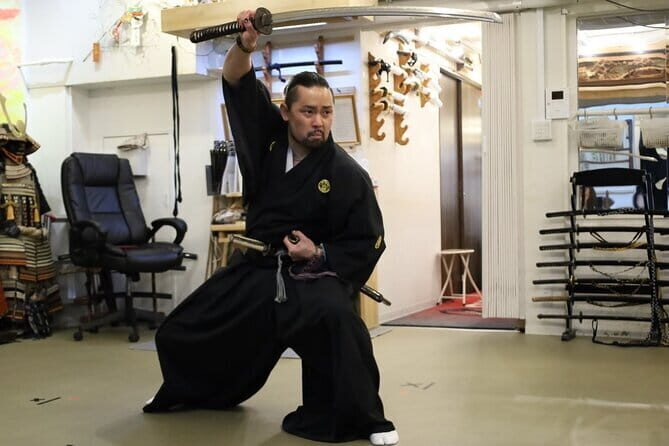
The day begins with Shimogamo Jinja, a World Heritage Site. The big value here is convenience plus atmosphere. The studio is about a minute from Shimogamo Shrine, and that proximity makes the start feel seamless instead of stressful.
Practically, this is a great mental warm-up: you arrive, take in the shrine area, then shift gears into a hands-on craft. If you’ve spent the morning hopping between far-away attractions, this kind of close-by start gives you a calmer rhythm.
A possible drawback: because it’s near a major sightseeing spot, it can be busy at peak times. If you’re the type who hates crowds, aim to keep your expectations flexible and focus on the moment before you get locked into designing your rug.
Ginkakuji Temple Stop: A Classic Kyoto Break Without the Whole Day Commitment

Next on the route is Ginkakuji Temple. Even without knowing every detail you’ll see during the visit, you can still expect the kind of iconic Kyoto experience that many people come for: temple grounds, walking time, and a change of pace from studio work.
The helpful part for your planning is this: you’re not taking a half-day or full-day temple tour on top of something else. The rug workshop already occupies the hands-on block of time, and Ginkakuji becomes a satisfying “change the scenery” stop.
What you’ll want to manage is energy. After tufting, your focus may shift from making to simply moving and looking. Wear comfortable shoes and give yourself permission to enjoy the temple stop at a slower pace—this isn’t a sprint.






Kamogawa Delta Stop: A Riverside Park Pause for Photos and Breath
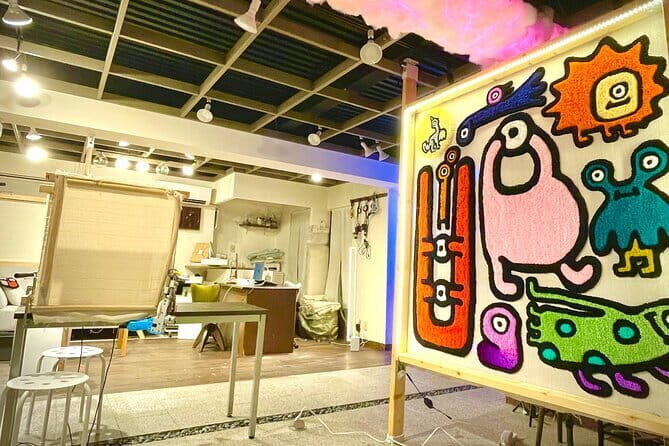
The last sightseeing stop is Kamogawa Delta (Kyoto Prefectural Kamogawa Park). This is a nice counterbalance to temples: you get open-air space and a river/park setting. Even if you’re not there for a specific viewpoint, it’s a good place to reset after craft time and before heading back to the meeting point.
A small consideration: because park areas and river-adjacent spaces can be affected by weather, you might want layers. The activity itself doesn’t mention an air-conditioned vehicle (and none is included), so being prepared helps you stay comfortable during the travel segments of the day.
This stop is also useful for people who like practical travel flow. You do a structured activity (the rug), then finish with an outdoor place that helps your brain stop analyzing and just wander.
Price and Logistics: Is $84.70 Worth It?
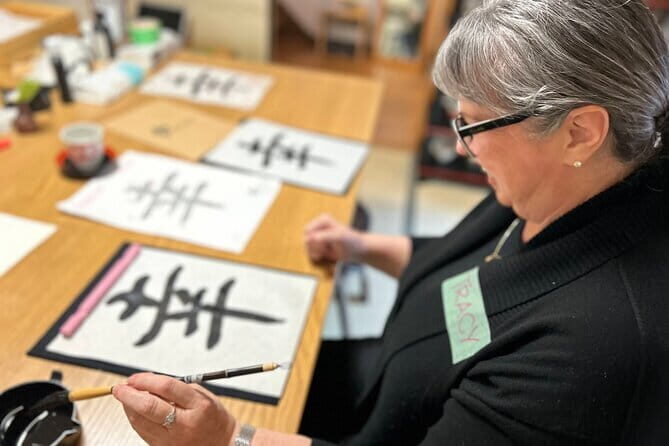
At $84.70 per person for about 2 hours, you’re paying for more than a class. The price includes:
- Rental of the specialized tufting machine
- An apron to keep your clothes cleaner
- Instruction and explanations
- The ability to take your finished rug home the same day
- A small-group format (maximum 6 travelers)
So the “value math” looks good if you care about making something tangible. A souvenir you buy is nice, but it doesn’t feel like yours in the same way. This one does. When you choose the thread yourself and build the rug on the machine, the result becomes a memory you can place on your floor or wall.
Booking is often best done early—this is typically booked about 19 days in advance on average. Not because it’s complicated, but because small-group craft slots tend to fill.
One logistics note: it’s a mobile ticket. That’s a modern convenience you’ll appreciate on a travel day when you don’t want to juggle printouts.
What You’ll Carry Home (Besides the Rug)
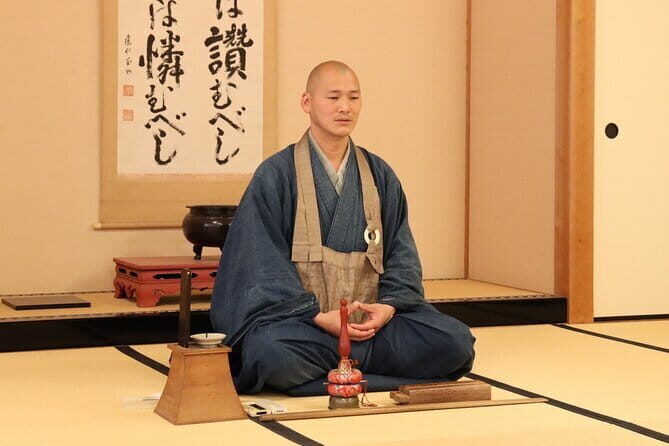
You’ll take the finished rug home the same day. That’s a huge deal for two reasons.
First, you don’t have to worry about shipment, storage, or how to transport a bulky purchase later. Second, it encourages you to think about your rug as a usable home item, not just a keepsake.
When choosing your design, keep the intended placement in mind. A 30 cm rug can work as a doorway accent, a living room floor patch, or wall decor. If you know you’ll want to hang it, think about composition that looks balanced from a distance, not only up close.
Also: because you’re making it with a machine, you’ll likely get a texture and character that’s different from a store-bought flat rug. That texture is part of the charm. It won’t look like mass-produced décor, which is exactly what makes this a satisfying Kyoto souvenir.
Who Should Book This Rug Workshop in Kyoto?
This is a good fit if you:
- Want a hands-on Kyoto experience that’s not just walking and taking photos
- Like the idea of building a small, personal piece of art
- Are traveling as a couple and want a shared creative memory
- Are visiting with kids (the experience is described as recommended for families with children)
- Are a beginner who wants clear instruction without pressure
It’s also a solid choice if you’re staying around the Shimogamo area or you prefer pairing nearby sightseeing with a structured activity. The studio’s location—around a minute from Shimogamo Shrine—makes that pairing easy.
Should You Book This Workshop?
I’d book it if you want a Kyoto souvenir you actually made, not just bought. The combination of a specialized tufting machine, staff instruction that works for first-timers, and a small take-home rug you finish in about two hours is a strong value.
I wouldn’t book it if you hate hands-on work or you’re the type who likes highly detailed customization. The session is short and the rug size is limited to about 30 cm square or rectangular, so your design needs to stay simple and confident.
If you can decide on a couple of main colors and a bold shape, you’ll leave with something that looks like Kyoto and feels like you.
FAQ
Where does this experience start?
It starts at Tufting studio CREA 1F, 7-1 Shimogamo Nishibayashichō, Sakyo Ward, Kyoto, 606-0817, Japan.
How long is the experience?
The experience lasts about 2 hours.
What is the maximum group size?
This activity has a maximum of 6 travelers.
What can I make in the studio?
You can make a rug up to 30 cm square or rectangular using your own design.
Do I choose my rug materials?
Yes. You can choose the thread from about 60 options available in the studio.
Can I take the rug home the same day?
Yes. The completed rug can be taken home on the same day.
What’s included in the price?
You get rental of the special tufting machine, plus an apron. Staff also provide detailed explanations.
Is air conditioning included during travel?
No. An air-conditioned vehicle is not included.
How do I get confirmation and tickets?
Confirmation is received at the time of booking, and the tour uses a mobile ticket.
What is the cancellation policy?
You can cancel for a full refund up to 24 hours in advance of the experience start time. Changes within 24 hours aren’t accepted.