REVIEW · HIROSHIMA
Half Day Private Guided Walking Tour in Hiroshima City
Book on Viator →Operated by Hiroshima custom tour by certified guide Pancho (in English) · Bookable on Viator
Four hours in Hiroshima with a family voice. This private walking tour led by Pancho (the son of an A-bomb survivor) takes you from Hiroshima Station to the Atomic Bomb Dome and the Peace Park area, with context that goes far beyond plaques. You’re not just sightseeing—you’re learning how survivors’ lives shaped the city’s choices.
I love the personal angle: Pancho shares family experience that connects the landmarks to real human decisions after the bomb, and you’ll even get hands-on time with origami cranes. I also like how lunch is handled with dietary requests in mind, so you can eat nearby without turning the day into a scavenger hunt.
One drawback to consider: this is emotionally heavy walking, and the price doesn’t include lunch or every possible extra fee, so plan on some out-of-pocket costs and bring comfortable shoes.
In This Review
- Key highlights I think you’ll care about
- Pancho’s story makes Hiroshima stop feeling personal
- The 4-hour route: how the day flows without feeling rushed
- Hiroshima Station meeting: pick the easiest start for your trip
- Shirakami Shrine: the detour that explains the target
- Hypocenter monument: a short pause with heavy meaning
- Saiko-ji Temple: seeing evidence of blast and heat
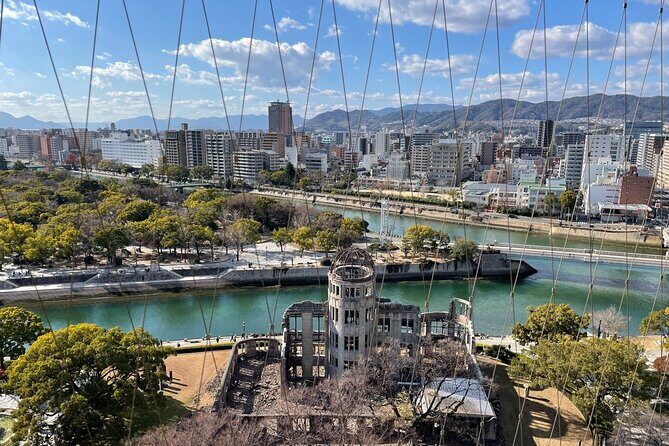
- Atomic Bomb Dome: the icon, explained the right way
- Peace Flame: why the flame keeps burning
- Lunch near Peace Memorial Park: local food with options
- Rest House of Hiroshima Peace Park: surviving building + origami time
- Children’s Peace Monument and the cenotaph: stories you can’t forget
- Price and value: what $200 actually buys you
- Logistics that keep the day smooth
- Who should book this private Hiroshima walking tour
- Should you book Pancho’s Hiroshima half-day tour?
- FAQ
- How long is the half-day private guided walking tour in Hiroshima?
- Where do we meet the guide in Hiroshima?
- What is included in the tour price, and what isn’t?
- Is lunch included, and can the guide handle dietary needs?
- Does the tour visit the Atomic Bomb Dome and other Peace Park monuments?
- Is free cancellation available?
- Can most people participate, and are service animals allowed?
Key highlights I think you’ll care about
- Pancho’s family connection: son of an A-bomb survivor, guiding in English with a personal thread through the sites
- A tight Peace Park circuit: you’ll cover the Atomic Bomb Dome, Peace Flame, Children’s Peace Monument, and the cenotaph area
- Surviving-building stops: you’ll see remnants like the Rest House of Hiroshima Peace Park, not only the big memorial icons
- Shirakami Shrine + surviving trees: a focused detour that adds background to why Hiroshima became the target
- Lunch near Peace Memorial Park: guide-recommended spots, with help for vegetarian/vegan/gluten-free needs
- Private, just your group: easier pacing and more room for questions than on most group tours
Pancho’s story makes Hiroshima stop feeling personal
Hiroshima’s memorials can feel like a test you pass by reading the signage. This tour changes the experience by giving you a human voice tied to the aftermath—Pancho is the son of an A-bomb survivor, and his family perspective shapes how he explains what you’re seeing.
What I like is the balance he tries to strike. Yes, the day deals with the worst day in modern history. But the emphasis also lands on rebuilding, memory, and the effort people made to keep meaning alive. You come away with a clearer idea of what was lost—and what the city did afterward.
The tour is private, so you’re not stuck following someone else’s pace. That matters here, because the conversations you want to have (and the moments you need to slow down) are part of the point.
You can also read our reviews of more walking tours in Hiroshima
The 4-hour route: how the day flows without feeling rushed
The tour runs about four hours, mixing walking time with short stops. The pacing is designed so you’re not staring at every landmark for an hour—your guide gives you the key context, then points you to what to notice in that exact moment.
A typical flow looks like this:
- you start with an easy meeting at Hiroshima Station (or hotel pickup if you choose it),
- move into the memorial core with a mix of longer and shorter stops,
- take a lunch break near Peace Memorial Park,
- and finish back in the Peace Park monument area.
Along the way, you’ll hit several stops that are free, plus the day’s one notable potential paid component relates to the Hiroshima Peace Memorial Museum (the ¥200 entrance fee is listed as not included).
Hiroshima Station meeting: pick the easiest start for your trip
Your guide offers multiple meetup options depending on how you arrive. If you’re coming in from a different city by Shinkansen, you can meet at the bullet train platform in Hiroshima Station. If you’d rather start closer to your room, there’s also reception at your hotel.
This sounds small, but it’s practical. Hiroshima can be a bit maze-like when you’re tired from travel. Getting a clear meeting plan reduces the stress before you even start walking.
The tour also uses a mobile ticket, which helps on the day itself. And since Pancho coordinates by text (including sharing photos to help you find each other), it’s easier to stay confident about the meeting point.
Shirakami Shrine: the detour that explains the target
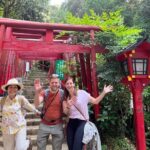
One of the longest stops is Shirakami Shrine, where you spend about one hour. The shrine may look familiar at first glance—like many Shinto-style places. But the story connected to it is specific: it’s explained as part of the background for why Hiroshima became an A-bomb target.
You’ll also see survived trees from the A-bomb, which is the kind of detail that hits differently than a photo. A surviving tree is proof of continuity in the middle of destruction. When your guide connects that to what people faced afterward, it becomes more than a curiosity—it becomes a symbol of persistence.
If you’re the type who needs a little emotional processing time before continuing, this shrine stop is where you might feel it most. It’s a good place to slow your pace and listen closely.
Hypocenter monument: a short pause with heavy meaning
Next comes the Hypocenter monument, at ground level. The stop is brief—around 10 minutes—and it’s built around a simple idea: pause at the point associated with the bomb’s ground zero and take a picture.
The usefulness of this stop isn’t the camera shot. It’s the framing your guide provides—so your brain connects the monument location with the scale of the event, not just the name on a map. If you’ve seen Atomic Bomb Dome before, this is the stop that grounds everything to a real point on the city.
You can also read our reviews of more guided tours in Hiroshima



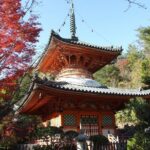
Saiko-ji Temple: seeing evidence of blast and heat
At Saiko-ji Temple, you spend about 10 minutes. This stop focuses on how heat and blast were huge when the bomb exploded, and it includes evidence of what happened.
You get a different feel here than at the open-air monuments. Temples often let you step into a quieter rhythm, which can make the explanation land more clearly. It’s also a nice change of tone: after you’ve absorbed the open memorial spaces, you get a more contained place for reflection.
Atomic Bomb Dome: the icon, explained the right way
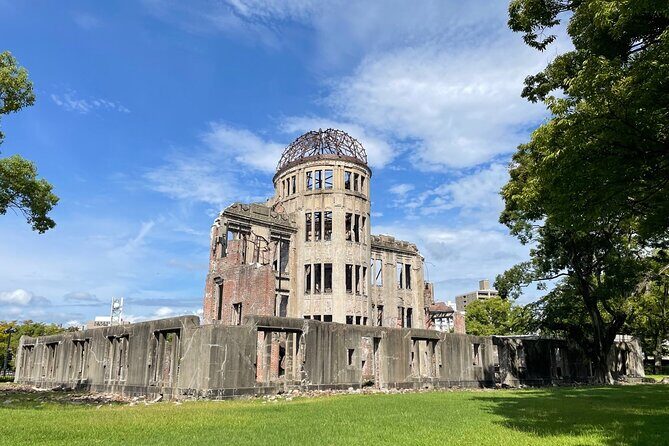
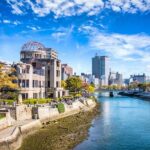
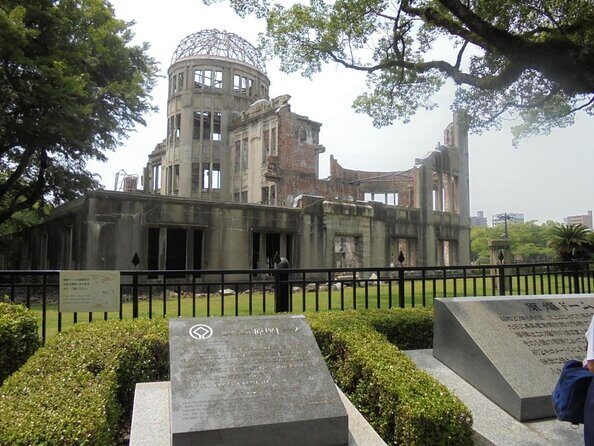
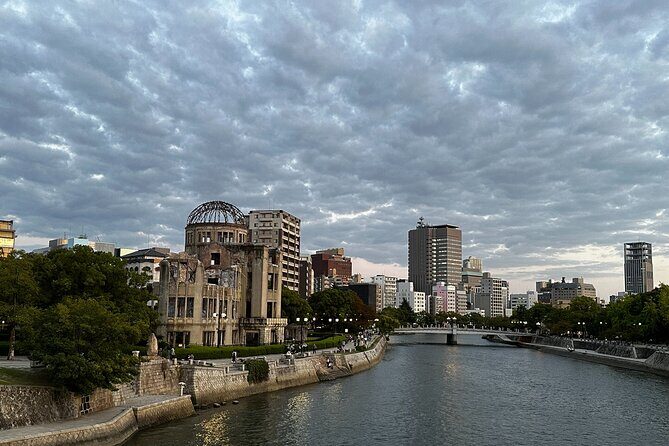
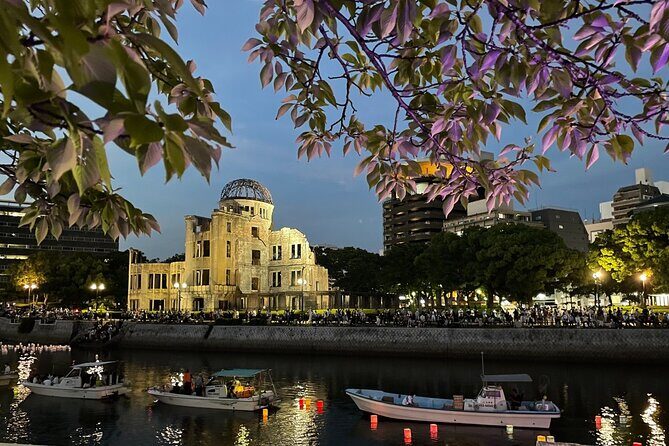
Then you reach the Atomic Bomb Dome, with about 20 minutes here. This is the landmark most people recognize, but the guide’s job is to keep it from turning into a checklist.
You’re guided to stop and look, and your guide connects it to the idea of the dome as a reminder of what happened, and why it was used for the first time in history as a meaningful symbol.
If you’ve only seen the dome in guidebook photos, expect it to feel different in person—larger, closer, and more immediate. The dome’s power comes from how it sits in a city that clearly kept moving. Your guide helps you notice that tension.
Peace Flame: why the flame keeps burning
The Peace Flame stop is short, about 5 minutes, but it has real meaning. Your guide explains why the flame keeps burning—what it symbolizes for the ongoing work of remembrance and peace.
This is one of those quick stops that can either feel like a photo moment or a meaningful checkpoint. With a guided explanation, you’re not just passing through. You’re being asked to understand what ongoing memorial acts mean, not only what happened once.
Lunch near Peace Memorial Park: local food with options
Lunch is built into the day for about 50 minutes, and it’s located near Peace Memorial Park. Lunch is not included in the tour price, but the guide will point you to local restaurant options.
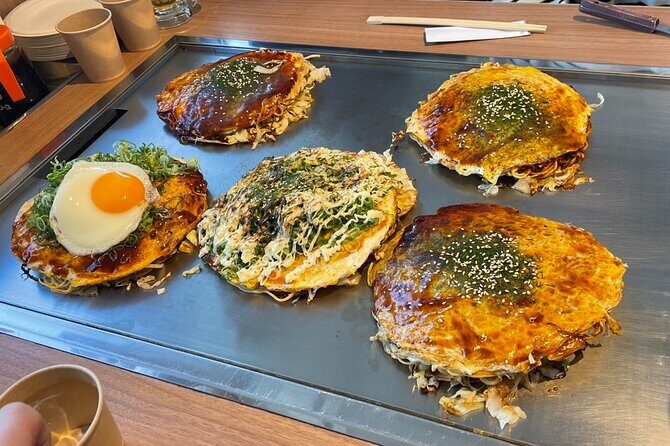
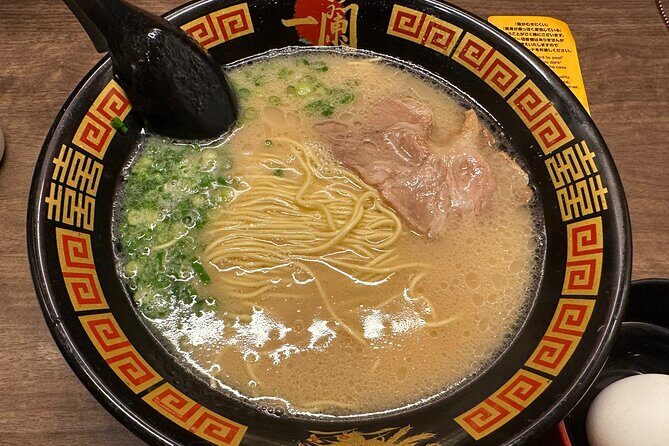
The tour can include Hiroshima staples like okonomiyaki (the Hiroshima style), ramen, and sushi based on what the group requests. Importantly, there’s a note that the guide can help with vegetarian/vegan/gluten-free needs when requested.
Practical tip: because the day is packed with emotional stops, you’ll be glad you don’t have to decide everything alone. Still, go in hungry, and plan to take a bit of time before your next monument stop so you don’t feel rushed at the table.
Rest House of Hiroshima Peace Park: surviving building + origami time
The Rest House of Hiroshima Peace Park is about 15 minutes. This building is described as one of the surviving buildings from the A-bomb era, now used for tourist information plus a small museum and an origami experience.
This is where the day gets gently interactive. In addition to viewing what’s there, you’ll have a chance connected to origami—often specifically the crane tradition. From what I’ve seen in the tour’s feedback, this hands-on moment tends to make the experience feel less like only watching and more like participating in remembrance.
If your brain is overloaded from heavy history, origami gives it a task. That doesn’t change the meaning of what you learn, but it helps you carry it.
Children’s Peace Monument and the cenotaph: stories you can’t forget
Near the end, you’ll visit:
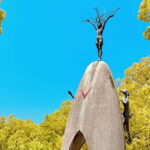
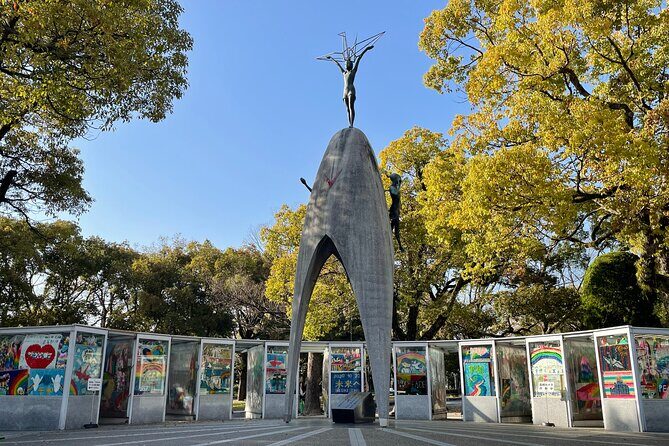
- Children’s Peace Monument, about 10 minutes, where you hear one girl’s story and a paper crane effort connected to Japanese belief and hope in recovery from leukemia.
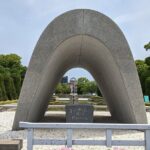
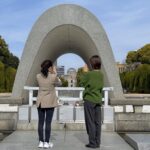
- Hiroshima Peace City Monument Cenotaph for the Atomic Bomb Victims, about 10 minutes, where your guide shares why the monument is shaped the way it is and what that design means.
These last stops work because they shift from the bomb as an event to the bomb as a continuing ripple. The children-focused monument adds a human scale that’s hard to shake. The cenotaph ties it together in a more formal act of remembrance, and your guide helps you read the design logic instead of just looking at a structure.
Price and value: what $200 actually buys you
At $200 per person, this is not a budget tour. But it’s also not paying for “time at famous spots.” You’re paying for a private guided walking experience built around one guide’s family ties and an English-speaking explanation that can’t be downloaded from a free audio app.
What’s included is the guide fee. What’s not included includes lunch and any museum entrance fees listed as extra (notably, the Hiroshima Peace Memorial Museum has a ¥200 entrance fee listed as not included). Public transportation costs are listed as about $4 per person, and private transportation is optional and would add extra cost.
So the value equation is simple:
- If you want to read a lot on your own and move on quickly, a cheaper self-guided option may work.
- If you want the meaning, the pacing, and Q&A-style learning led by Pancho, the price starts to make sense.
Also, the tour being booked far in advance on average (about 108 days) hints that this is one of those guides you can’t always line up at the last minute.
Logistics that keep the day smooth
This is a walking tour built around public transport, with pickup options. The tour is described as being near public transportation, and most people can participate.
A few practical points:
- Wear comfortable shoes. You’ll be on foot for the whole half-day window.
- Keep your meeting plan clear before you start, especially if you’re coming by Shinkansen or from a hotel.
- If you have dietary needs, tell the guide ahead of time so lunch suggestions match your requirements.
The tour uses mobile ticketing, and confirmation happens within 48 hours (depending on availability).
Who should book this private Hiroshima walking tour
I think this fits best if:
- you want English guidance that connects the memorial landmarks to a survivor-family perspective,
- you prefer a private setting where you can ask questions at your own pace,
- you’re interested in more than the headline sights and want time at places like Shirakami Shrine and the Rest House,
- you’re okay with the emotional weight and want to handle it with a guide who can explain, not just point.
It can also work well for families, including younger visitors, because stops like the Children’s Peace Monument bring history back to a personal story.
If you’re looking for a light, casual day of photo stops only, this might feel too intense. But if you want to understand what Hiroshima is doing with memory, it’s the kind of tour that sticks.
Should you book Pancho’s Hiroshima half-day tour?
If your goal is meaningful, you should book it. The strongest reason is that you get a human explanation tied to a survivor’s family, plus a route that mixes iconic memorials with quieter surviving places like the Rest House and Shirakami Shrine.
If your budget is tight, or you only want the top photo spots without added context, you may choose to self-guide. But for most people coming to Hiroshima, the cost buys something hard to DIY: a guided reading of what you’re seeing, and the ability to ask questions when the day gets heavy.
FAQ
How long is the half-day private guided walking tour in Hiroshima?
It runs for about 4 hours.
Where do we meet the guide in Hiroshima?
You can meet at the bullet train platform in Hiroshima Station if you arrive by Shinkansen, or you can choose reception at your hotel. There are also additional meetup options shown, depending on your situation.
What is included in the tour price, and what isn’t?
The guide fee is included. Lunch is excluded, and the Hiroshima Peace Memorial Museum entrance fee is listed as not included. Public transportation costs are also listed as extra.
Is lunch included, and can the guide handle dietary needs?
Lunch is not included. The guide will introduce local restaurant options near Peace Memorial Park, and there are options for vegetarian/vegan/gluten-free guests when requested.
Does the tour visit the Atomic Bomb Dome and other Peace Park monuments?
Yes. The itinerary includes the Atomic Bomb Dome, Peace Flame, Children’s Peace Monument, and the Hiroshima Peace City Monument Cenotaph for the Atomic Bomb Victims.
Is free cancellation available?
Yes. You can cancel for a full refund up to 24 hours in advance of the experience start time.
Can most people participate, and are service animals allowed?
The tour notes that most travelers can participate, and service animals are allowed.