REVIEW · TOKYO
Private Tokyo Food Tour – A Journey Through Time Through Food
Book on Viator →Operated by Hello! Tokyo Tours · Bookable on Viator
Edo roots, salaryman bites, and what comes next. This private Tokyo food tour strings together past, present, and future flavors, from dashi-based traditions to Akihabara dessert mashups. You’ll cover three major districts and eat your way through the ideas behind Japanese cooking, not just the final dishes.
I love that it’s built around 14 tastings across old neighborhoods and modern stations, so you get a real sense of variety without spending your whole trip hunting menus. I also like the private format for just your party, which makes it easier to ask questions and match the pace to your appetite.
One consideration: transport isn’t fully included, and the tour uses two short subway rides you pay for yourself. If you hate transit surprises, plan a little buffer in your schedule and budget.
In This Review
- Key Things to Know Before You Go
- Private Tokyo Food Tour: How the Edo-to-Future Format Feels
- Price and Value: What $327.75 Really Covers
- Pickup, Timing, and Route Reality (5 Hours 30 Minutes)
- Nihonbashi’s Food Foundations: Dashi, Katsuobushi, and 100-Year Shops
- Fukutoku Shrine: Shrines vs Temples and the Quick Spirit Cleanse
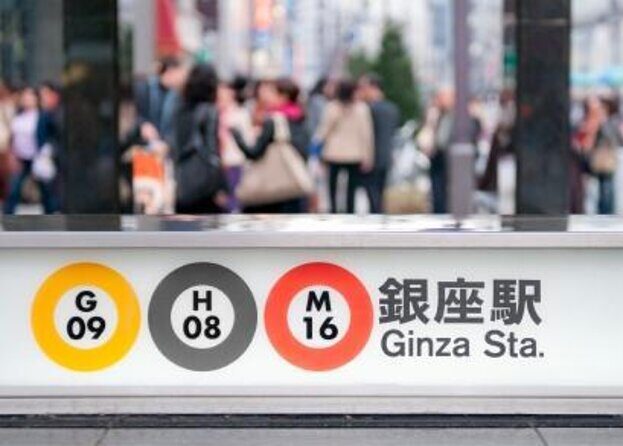
- Ginza and Yurakucho: Salaryman Izakaya Energy Under the Tracks
- Tokyo International Forum and KITTE: Station-Center Walking With Story Stops
- Tokyo Station Commuter Bites: Tamagoyaki and Fruits Sando
- Akihabara’s Future Desserts: Fusion Sweetness and Subculture Talk
- What Makes the Best Parts Better: Food Logic, Friendly Pace, and Real Places
- Who This Tour Fits Best
- Should You Book This Private Tokyo Food Tour?
- FAQ
- What’s the duration of the private Tokyo food tour?
- How many tastings are included?
- Is pickup from my accommodation included?
- Are transport costs included?
- Does the tour include alcohol?
- Is this tour private?
Key Things to Know Before You Go
- Three districts, one food time line: Nihonbashi, Ginza/Yurakucho, and Akihabara each represent a different chapter of Japanese eating.
- Core taste lesson first: You start with dashi building blocks like katsuobushi and kelp/kombu, then connect those flavors to later dishes.
- 14 tastings plus a real meal vibe: You’re not just sampling sugar. You’ll also have lunch-style bites like yakitori and noodle dishes.
- A shrine stop for context: A brief visit helps explain how shrines and temples work, including spirit cleansing and prayer.
- Commuter Tokyo food stops: Tokyo Station areas get you tamagoyaki and fruit sando, the kind of thing people actually grab for the ride home.
- Akihabara’s future desserts: Fusion sweets get framed through technology and subculture, not just novelty.
Private Tokyo Food Tour: How the Edo-to-Future Format Feels
Tokyo can feel like one endless present. This tour fixes that by organizing your eating into a storyline. You’ll start in Nihonbashi with Edo-era ingredient thinking, move through postwar “workday Tokyo” areas like Ginza and Yurakucho, then finish in Akihabara where dessert ideas lean tech-and-culture-forward.
The best part is that you learn why dishes taste the way they do. You don’t just get a plate. You get the flavor logic. That’s handy if you want to order confidently later, because you’ll know what to look for: umami foundations like dashi, sweetness and texture contrasts, and how noodles and fried items show up across regions.
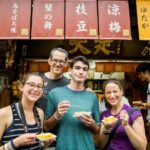
Guides are a big reason people give this tour a 5-star average (36 reviews) and a 100% recommendation rate. Names that come up often include Yasu, Keiko, Paiva, Miko, and Rohan—and the common thread is clear: they’re good at mixing food with Tokyo’s culture and time periods, with humor that keeps the pace light.
You can also read our reviews of more food & drink experiences in Tokyo
Price and Value: What $327.75 Really Covers
At $327.75 per person for a 5.5-hour private tour, this isn’t a budget activity. But the value case is strong because you’re paying for three things most DIY plans miss:
- Private guidance through multiple neighborhoods and snack counters that are hard to stitch together without local know-how.
- A lot of eating: the tour builds in about 14 tastings, including both savory and sweet items plus a lunch-style portion.
- Time-period explanations that help you understand Tokyo as a food culture, not just as a location.
Also note the inclusions: admission tickets are handled as free for the included sights, you get a mobile ticket, and pickup is offered so you’re not forced to start with a messy scramble at a crowded station.
The main cost trade-off is that you’re still responsible for subway rides (two short ones). For many people, that’s small compared with the overall tour price, but it’s worth factoring in so you don’t get surprised.
Pickup, Timing, and Route Reality (5 Hours 30 Minutes)
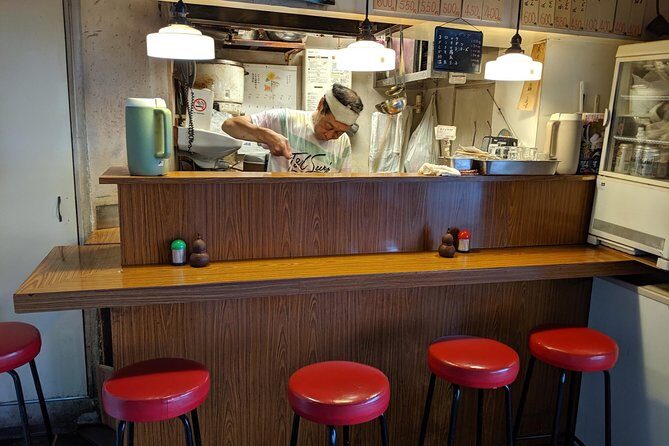
The tour runs about 5 hours 30 minutes and starts at Nihonbashi 1-chome Mitsui Building and ends at Akihabara Station. Pickup is offered from your accommodation, which is a big help in Tokyo where “easy” train transfers can still take mental energy.
You’ll spend the day walking between compact areas with frequent food stops. The route breaks down into clear chunks:
- Nihonbashi: about 1 hour 30 minutes
- Fukutoku Shrine: 10 minutes
- Ginza/Yurakucho food area: about 1 hour 10 minutes in each of the two segments
- Tokyo International Forum: 15 minutes
- Kitte Marunouchi: 10 minutes
- Tokyo Station food stops (including a hero pause at the station area): 20 minutes plus another 20 minutes around nearby department-store stops
- Akihabara: about 45 minutes
That structure matters. It keeps the tour from feeling like one long line of snacks. You get little resets—sight and story—right before the next set of tastings.
Nihonbashi’s Food Foundations: Dashi, Katsuobushi, and 100-Year Shops
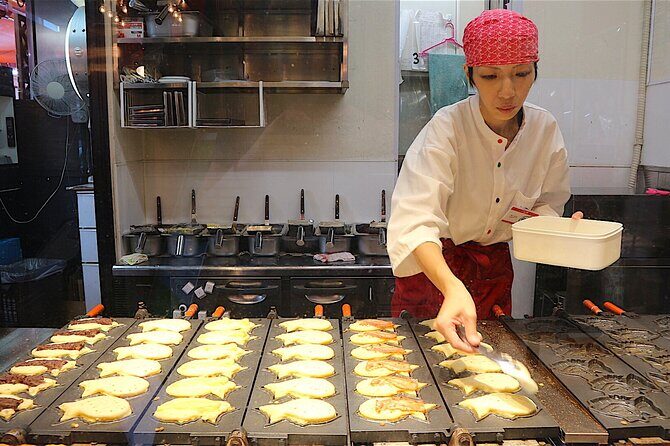
Your first real “why does Japanese food taste like this” moment happens in Nihonbashi. The tour starts with dashi, the stock that forms the base of many dishes. You’ll focus on key components: katsuobushi (bonito flakes) and kelp/kombu.
This is where the tour earns its keep. Once you understand that flavor base, the later tastings make more sense. You’ll connect umami depth to snacks, noodles, and cooked items you might recognize later in Tokyo.
Then come the traditional bites, the kind of food that has stayed popular long enough to become part of daily life:
- Satsuma-age (fried fish cake)
- Amazake (a fermented rice drink)
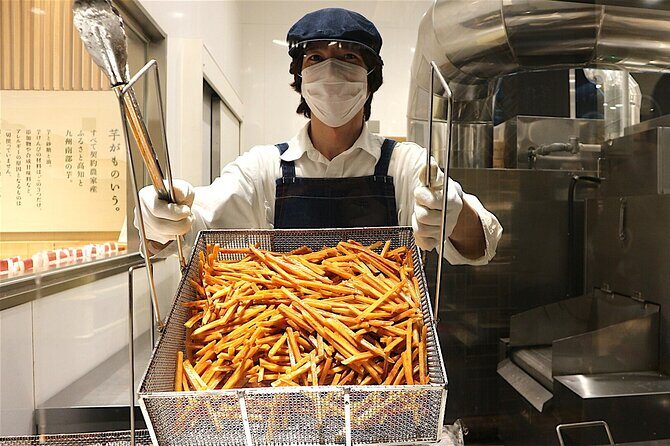
- Imo kenpi (sweet potato chips)
- Daifuku (glutinous rice mochi with sweet filling) or sometimes dorayaki
- Plus you’ll see other Edo-era ingredient thinking tied to what you eat next
The tour also notes that the shops you’ll use are over 100 years old, with some reaching back to the Edo period. That’s not just trivia. It affects how you experience the food: older shops often have repeat customers, steady recipes, and menus that make sense without English-friendly explanations.
A possible drawback here: if you’re not a fan of umami-rich flavors or you don’t like fermented tastes, your first tasting round might feel intense. If that’s you, tell the guide your preferences early so they can steer your pacing.
Fukutoku Shrine: Shrines vs Temples and the Quick Spirit Cleanse
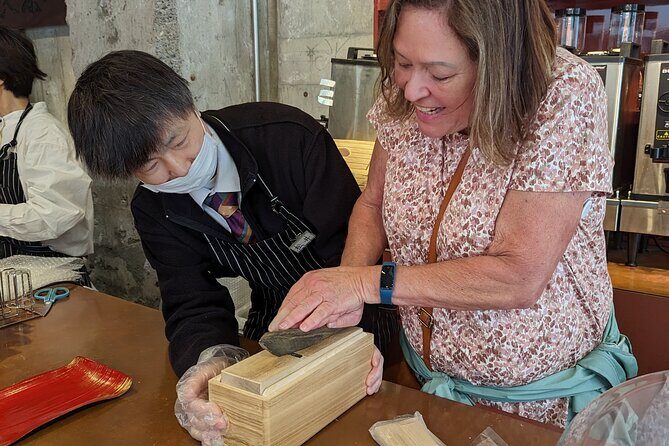
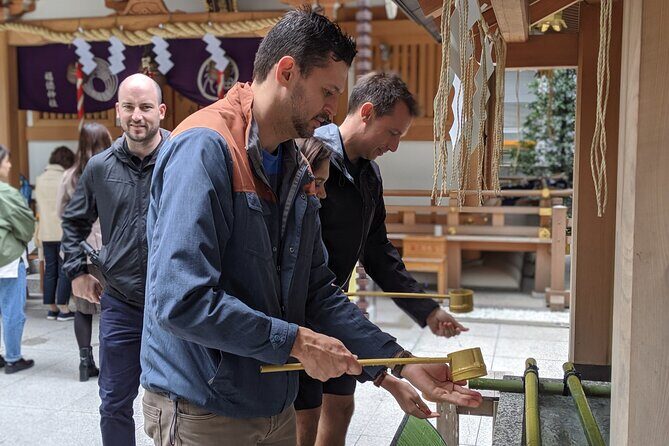
After Nihonbashi, you get a short stop at Fukutoku Shrine. This is only about 10 minutes, but it adds useful cultural context to the day.
You’ll learn the difference between shrines and temples, and what shrine behavior is about—specifically the idea of cleansing your spirit and then praying. Even if you’re not a religion-focused traveler, this helps you understand how food and daily life overlap with ritual and respect in Japan.
This isn’t the kind of stop that eats your schedule. It’s a reset between heavier food sections, and it helps break the day into “eat, learn, walk, eat.”
A few more Tokyo tours and experiences worth a look

Ginza and Yurakucho: Salaryman Izakaya Energy Under the Tracks
Next comes the workday Tokyo chapter. You’ll shift into Ginza / Yurakucho and learn how Japan industrialized after the war, including the rise of salarymen. The tour links that era to a specific kind of casual eating: gado shita spaces—small bars and restaurants built under railway tracks.
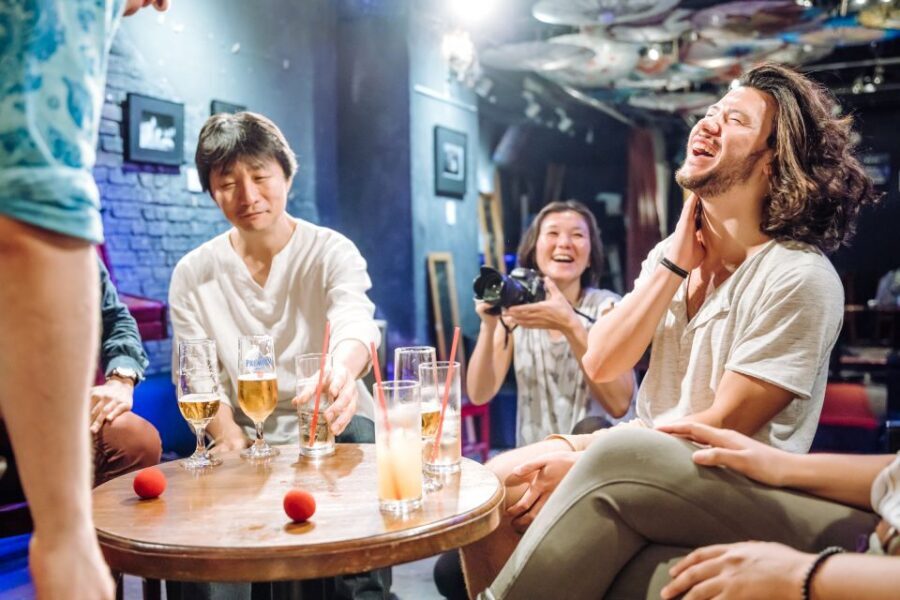
The vibe is practical and real: this is food designed for people who need something satisfying before heading home. In this section, you’ll eat and drink like that crowd:
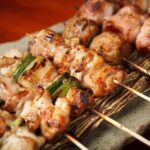
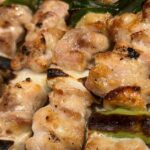
- Yakitori (grilled skewers)
- A Japanese sour (a lemon sour is included)
- Tempura soba or curry udon (your set menu choice here)
It’s a great pairing because it shows how comfort food can still feel varied. Yakitori gives you smoky char and salt. Noodles give you warmth and texture. The lemon sour adds brightness and alcohol that can cut through fried flavors.
One thing to consider: this part is more “late-night pub style” in feel, even if it happens earlier in the day. If you don’t drink alcohol, you may want to ask whether substitutions are possible. The tour data lists lemon sour as included, so it’s smart to confirm how they handle no-alcohol requests.
Tokyo International Forum and KITTE: Station-Center Walking With Story Stops
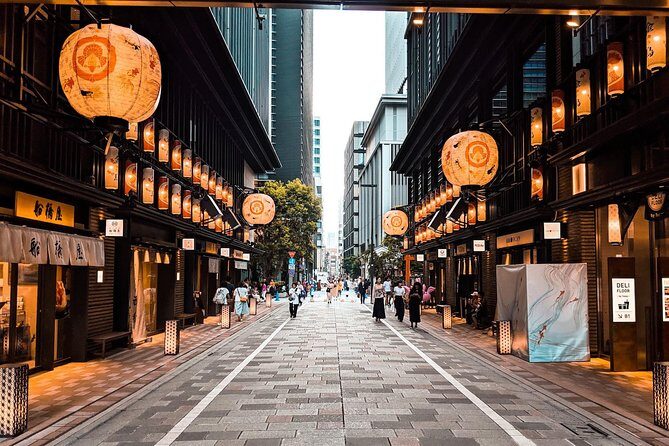
From the railway-tracks world, you’ll stroll toward bigger landmarks: Tokyo International Forum (about 15 minutes) and then KITTE Marunouchi (about 10 minutes).
These aren’t long sightseeing detours. They function like waypoints, letting the guide explain how Tokyo’s modern city design connects to the everyday flow of people and food. If you’ve ever wondered why so many Japanese meals revolve around commute timing, this is where the answer starts to make sense.
You’re also moving through areas where it’s easy to get lost on your own. Having a route planned means you spend your attention on eating and story, not on map anxiety.
Tokyo Station Commuter Bites: Tamagoyaki and Fruits Sando
Around Tokyo Station, the tour shifts from traditional into “commute culture.” You’ll try foods popularly eaten on the way home:
- Tamagoyaki (Japanese omelette)
- Fruits sando (milk bread sandwich with fresh fruit and whipped cream)
There are two station-adjacent time blocks noted:
- One stop around the station’s Marunouchi Ekimae Hiroba area for about 20 minutes
- Another stop around Daimaru Tokyo for about 20 minutes
The value here is how accessible these foods feel. Tamagoyaki and fruit sando aren’t just treats for tourists. They’re part of a routine, which tells you a lot about what Japan values: portion control, comfort flavors, and snacks that work in real life.
The drawback is simple: these items are sweet and rich. By the time you reach them, you’ll be glad you planned to stay hungry earlier.
Akihabara’s Future Desserts: Fusion Sweetness and Subculture Talk
Your last district is Akihabara, famous for electronics, maid cafes, and anime culture. Here, the tour considers the future of food in Japan, framing new ideas through technology, ideas, and subcultures.
You’ll spend about 45 minutes here and try desserts that combine traditional flavors with modern fusion twists. The included sweet list points to what that means in practice:
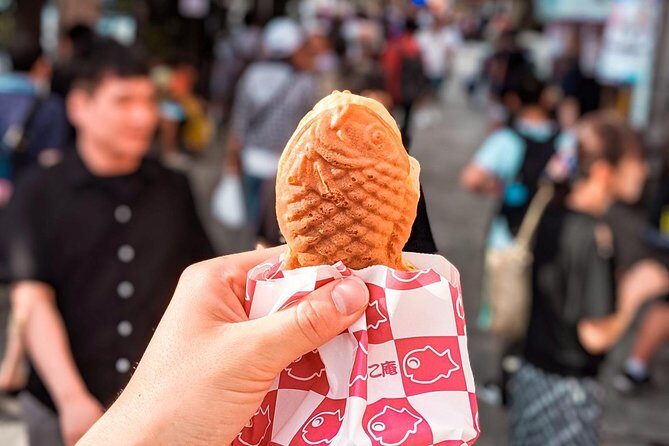
- Pokemon taiyaki (a fun, recognizable style of taiyaki)
- Matcha green tea as either bubble tea or ice cream
- Dorayaki appears as a tasting option earlier too, and Akihabara rounds out the sweet arc
This ending works well for two reasons:
- It shows food as a changing creative system, not a museum.
- It gives you something fun to remember beyond “we had noodles.”
If you’re someone who prefers savory meals over sweets, you might want to go easy at the earlier Ginza/Yurakucho meal so you don’t feel oversugared by the time you reach Akihabara.
What Makes the Best Parts Better: Food Logic, Friendly Pace, and Real Places
If I had to summarize why this tour performs so well, it’s the way it connects flavors to time periods.
You start with dashi fundamentals (katsuobushi and kelp/comb), which turns later dishes into an understandable pattern. Then you get practical workday food under the tracks, which explains how history changes eating habits. Finally, you end with Akihabara desserts, which shows food trends moving with pop culture and technology.
On top of that, the private setup matters. When you’re not sharing with strangers, the guide can slow down for questions—like how certain flavors are built or why particular foods show up in station areas.
And the guide quality seems to be a real strength. Names like Yasu pop up for humor and clear guidance, and Paiva gets called out for being organized, prompt, and professional, while Miko and Rohan earn praise for going above and beyond and helping people with Tokyo’s train system. Even if your guide is different, you can expect that kind of helpful, human focus.
Who This Tour Fits Best
This is a smart choice if:
- You want a private food tour that covers several Tokyo neighborhoods without planning every transfer.
- You love Japan’s flavor foundations and want to learn what ingredients like dashi actually do.
- You’re traveling with kids or teens who enjoy a structured plan plus fun items like Pokemon taiyaki.
- You care about food as culture—past, present, future—not just a snack crawl.
It may be less ideal if:
- You hate subway rides (transport costs apply, and there are two short rides).
- You have strong dietary restrictions. The tour data lists fishcake, fermented rice drink, and dairy-containing items like fruit sando, but it doesn’t spell out allergy handling. You’ll want to check with the provider ahead of time.
Should You Book This Private Tokyo Food Tour?
I’d book it if you want a guided Tokyo day that feels like a story, with 14 tastings and stops in places you’re unlikely to find quickly on your own—Nihonbashi’s ingredient history, Ginza/Yurakucho’s salaryman food rhythm, and Akihabara’s future desserts.
Skip it only if you’re trying to travel ultra-light on costs, or you know you won’t enjoy mixed sweet-and-savory tastings. If you’re the type who likes learning why food tastes the way it does, this tour gives you that for real, with plenty of food to match.
FAQ
What’s the duration of the private Tokyo food tour?
It runs for about 5 hours 30 minutes.
How many tastings are included?
The tour includes 14 tastings, covering a mix of traditional snacks, lunch-style items, and desserts.
Is pickup from my accommodation included?
Pickup is offered, and the tour starts at Nihonbashi 1-chome Mitsui Building and ends at Akihabara Station.
Are transport costs included?
No. You pay for transport yourself, and the tour uses two short subway rides.
Does the tour include alcohol?
Yes, a lemon sour is included as the alcoholic beverage.
Is this tour private?
Yes. It’s a private tour/activity, so only your group participates.