REVIEW · TOKYO
Sushi making experience in Shinjuku, Tokyo
Book on GetYourGuide →Operated by Bancre Inc. · Bookable on GetYourGuide
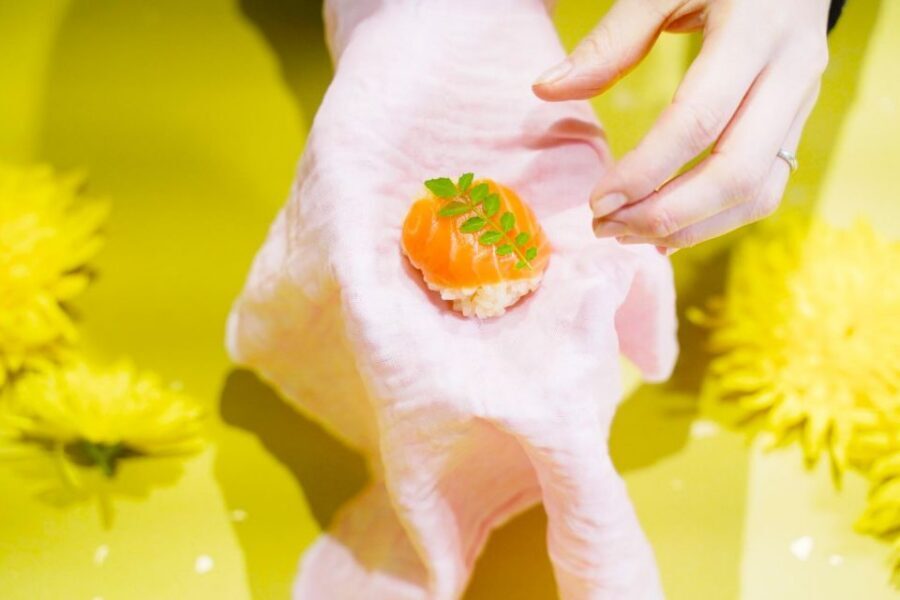
Sushi becomes cute toy-ball art. In Shinjuku, you make Temari sushi—round, bite-size pieces inspired by the Japanese toy temari—right at Flower Wall Monet, a flower-filled cafe and bar.
I like that the concept is simple and visual: you shape sushi into something you’d want to photograph, then you get to eat it while it’s still fresh.
The second reason this works is that it’s built for normal humans. You can make your own ball-shaped sushi using vinegared rice and fresh toppings, with edible flowers adding extra wow-factor.
The pace is beginner-friendly, so you’re not stuck watching someone else do the fun part.
One caution: if you’re expecting a deep, step-by-step sushi education with lots of explanation, you might feel shorted. The setup includes a staff demonstration, but guidance afterward can be more hands-off, and some staff members are not fluent in English.
In This Review
- Key things you’ll notice right away
- Flower Wall Monet in Shinjuku: the perfect start point
- The 90-minute rhythm: what you’ll do, in what order
- Temari sushi 101: turning vinegared rice into bite-size balls
- Fillings, toppings, and those photogenic edible flowers
- The instruction level: fun workshop vs. full sushi seminar
- Price and value: is $70 fair for a 90-minute Temari session?
- Who should book this in Tokyo (and who should skip it)
- Practical tips before you go
- Should you book the Temari sushi experience?
- FAQ
- How long is the Sushi Making Temari experience?
- What is the price per person?
- Where does the experience meet?
- What will I make during the experience?
- Do I get any help during the sushi making?
- What is included in the price?
- Is alcohol included?
- Do I need to bring ID?
- What languages are offered?
- Is this covered by insurance?
Key things you’ll notice right away
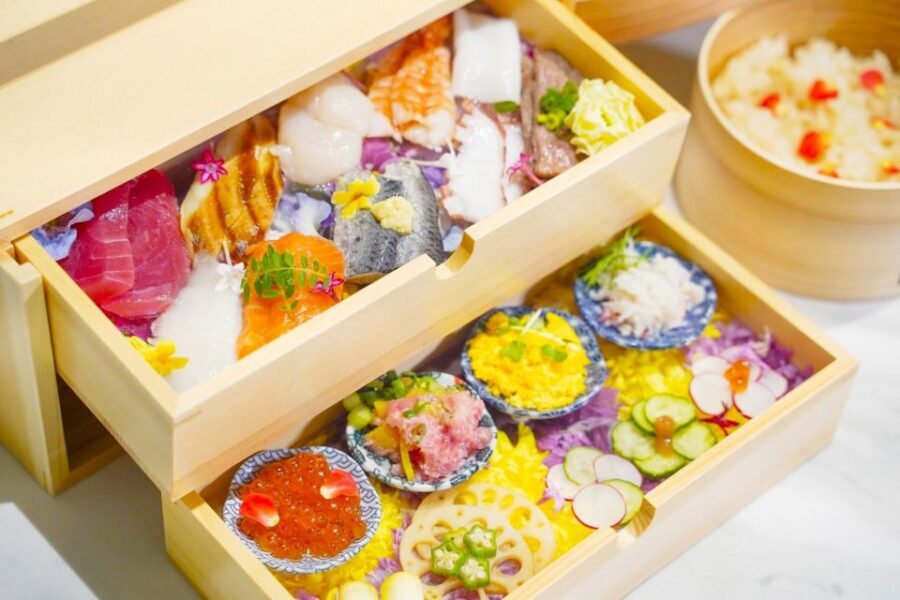
- Flower-wall setting at Flower Wall Monet, with a cafe-and-bar vibe that feels more creative than classroom
- Temari-zushi shaping into easy round bites using gauze or plastic wrap on your palm
- Fresh sushi ingredients and vinegared rice as the base for your own combos
- Photogenic edible flowers that let you mix art and food in one go
- Small group size (max 8), which usually means less waiting and more table time to practice
Flower Wall Monet in Shinjuku: the perfect start point
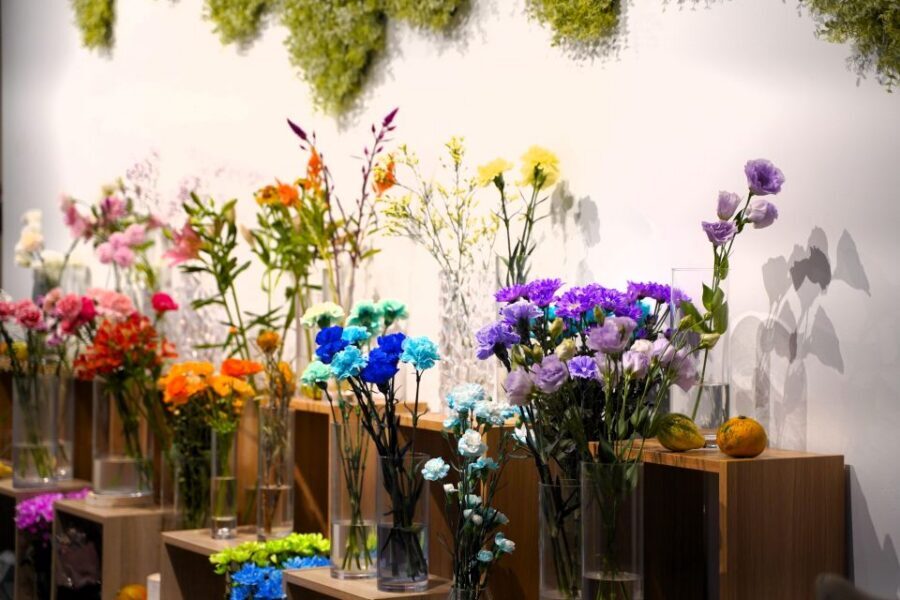
This experience meets at Flower Wall Monet, on the basement floor of the building next to H&M. It’s the kind of location that’s hard to miss once you’re near it—think flowers as the backdrop, not a plain room with tables.
When you arrive, you’ll want to tell the staff you have a reservation for the Temari Sushi Experience. That quick check-in matters because the team will then handle the flow: taking your drink order and setting out sushi items for the number of participants.
If you’re navigating by phone, there’s also a Google plus code listed for the spot (MPR4+F5). I like this because Shinjuku can be a lot—having an exact reference point reduces the time you spend wandering while hungry.
You can also read our reviews of more tours and experiences in Tokyo.



The 90-minute rhythm: what you’ll do, in what order
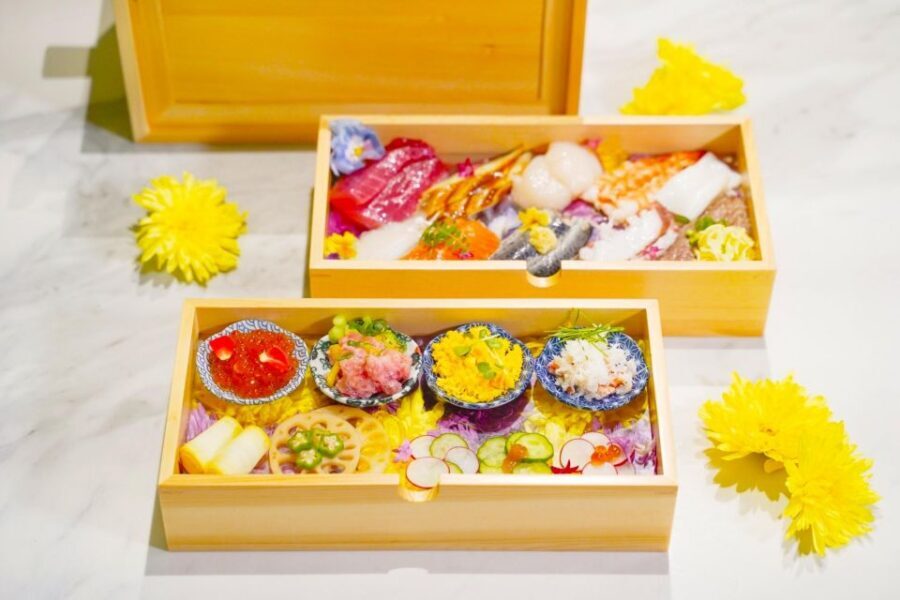
You’re looking at about 90 minutes total, and the structure is pretty clear. First comes the table setup: drinks and the sushi ingredients arrive, and then you begin shaping.
A staff member demonstrates how to make one Temari piece, and then you’re free to make your own. That hands-on switch is the heart of the activity. You’ll follow the basic method, but you control the size and the toppings you choose.
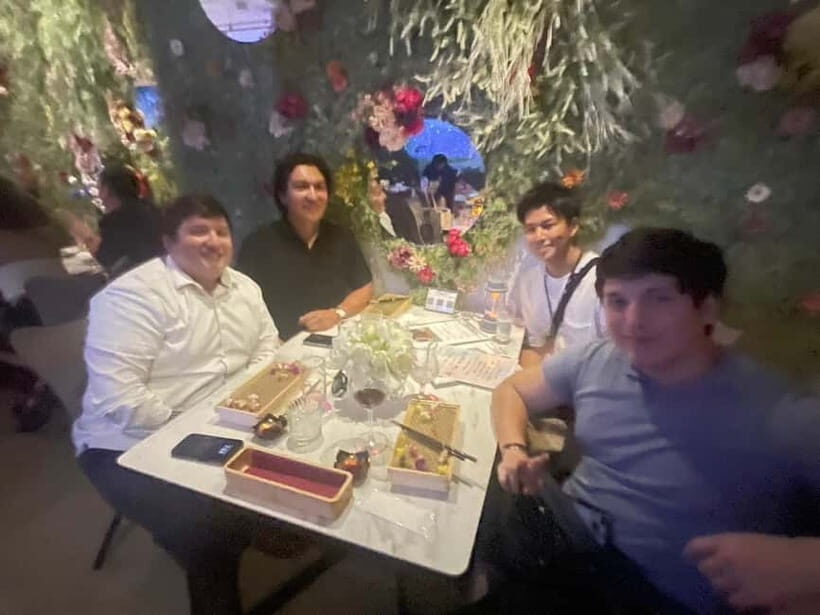
Small group matters here. With a maximum of 8 participants, you’re not fighting for attention while everyone pretends they understand Japanese kitchen technique. You can ask for help, and you can also take your time to get the shape right.
One more practical note: the experience includes food expenses, plus 1 drink and 1 sweets. If you like workshops where you’re actually eating as you go, this is aligned with that. You’re not done with the fun part, then forced to hunt for your own meal afterward.
Temari sushi 101: turning vinegared rice into bite-size balls
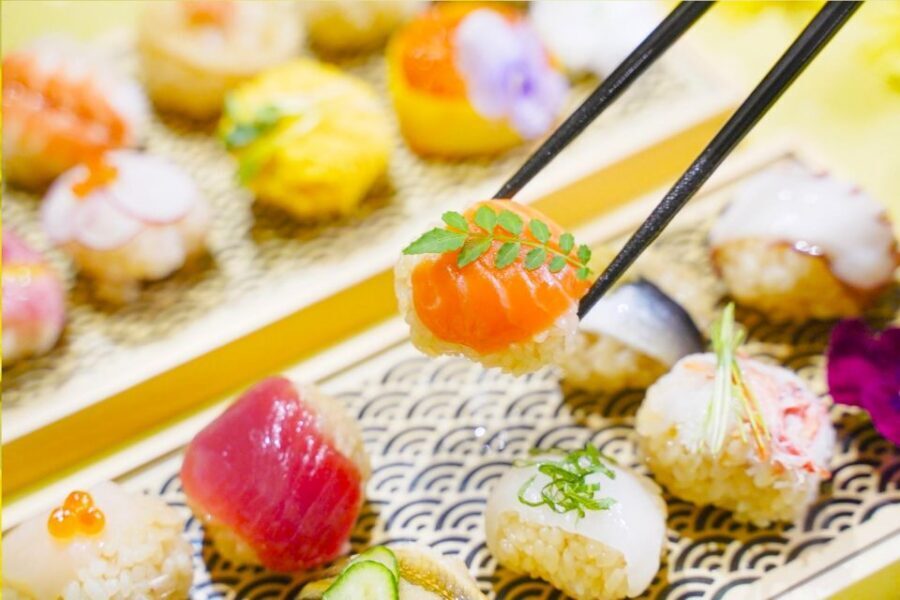
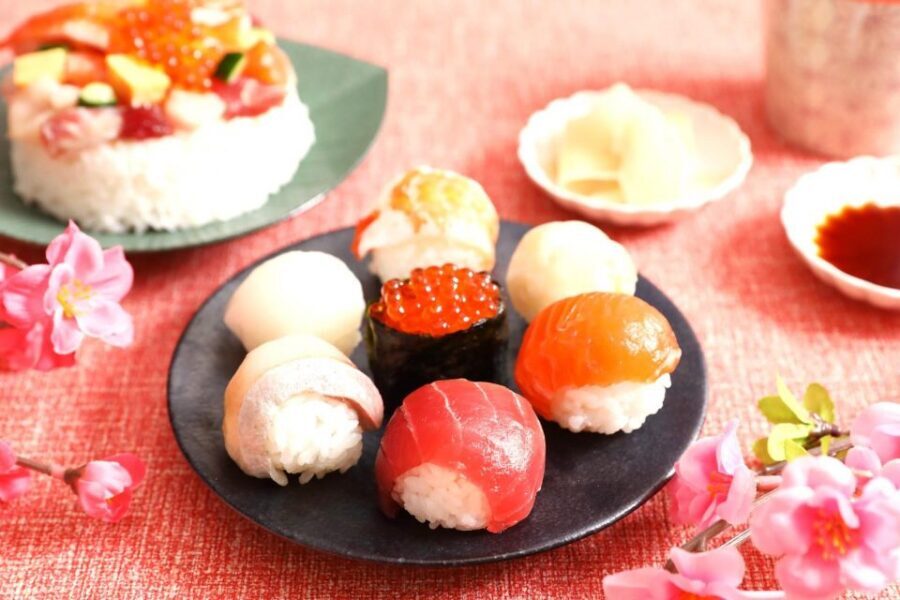
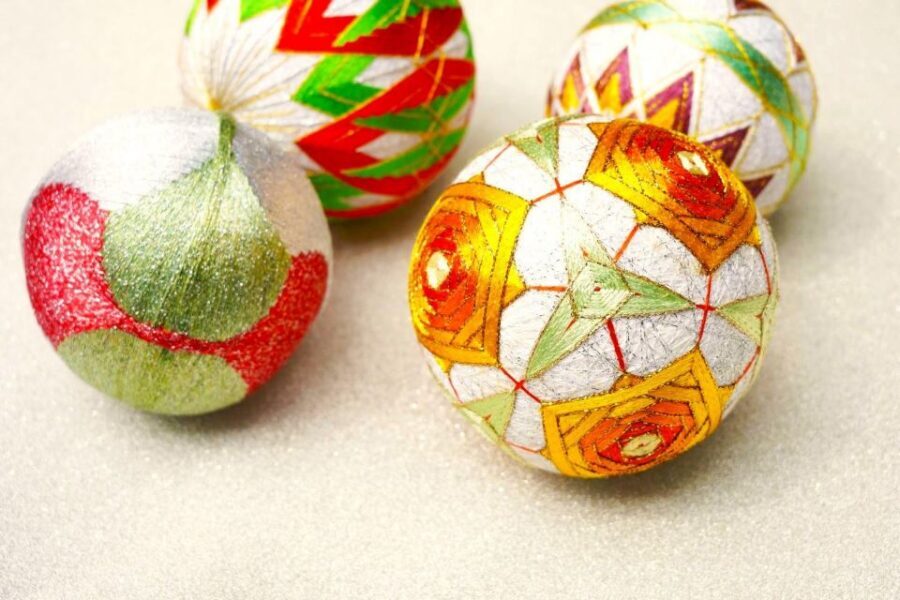
Temari sushi is based on the idea of temari—an old Japanese toy tradition that involved making decorative, wrapped ball shapes. In this class, that toy shape becomes edible.
Here’s the basic method you’ll follow:
- Place a piece of gauze or plastic wrap on your palm.
- Add the toppings, then place vinegared rice on top (the method uses sashimi first, then rice).
- Wrap and shape so it becomes a round bite.
- Eat it once it’s the size that’s easy for you.
I like this technique because it’s not about fancy knife work. It’s about assembly and shaping, which is much more approachable for first-timers. You’re using your hands, not trying to memorize a rice-rolling choreography.
And the sizing tip is important. The class specifically encourages you to make a portion that’s easy to eat. That’s practical advice you don’t always get in cooking demos. In other words, you’re not just making pretty balls—you’re making balls that won’t be annoying at the table.
Fillings, toppings, and those photogenic edible flowers
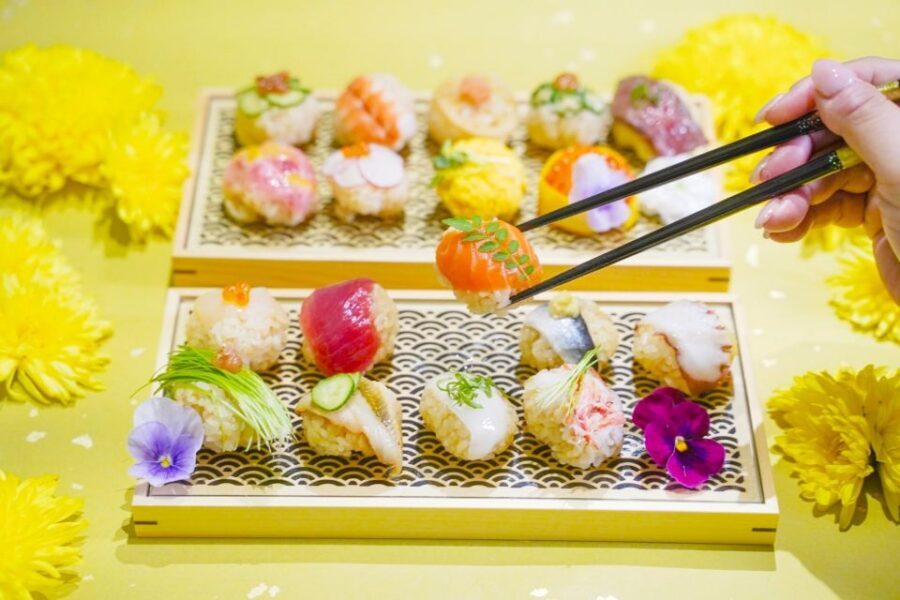
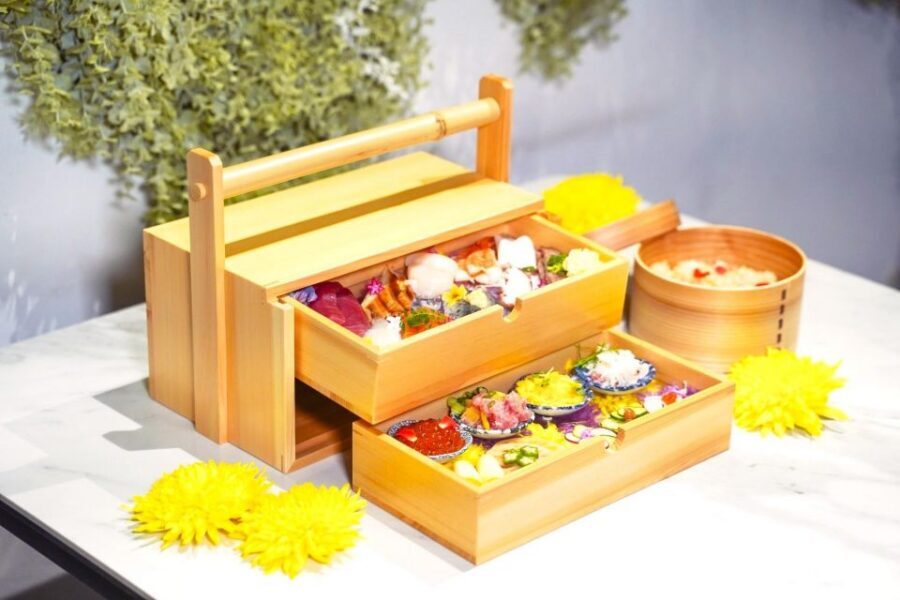
You’ll get fresh sushi ingredients and vinegared rice, and you’ll build your own Temari-zushi to your liking. The standout creative angle is that the experience is designed to mix flowers, art, and sushi.
The highlights mention photogenic edible flowers, which is the part that turns this from “I learned a food trick” into “I made something that looks like a craft project.” If you like Instagram-worthy food (and who doesn’t when it’s actually edible), this is where the experience delivers.
What you should expect, though, is variety more than cooking drama. You’re not roasting, searing, or creating sauces from scratch. You’re assembling fresh ingredients into a shape.
That’s also why this works well for different skill levels. Even if you’ve never touched sushi rice before, you can learn the basic wrap-and-shape process quickly.
The instruction level: fun workshop vs. full sushi seminar
Let’s talk about the most important decision point for value: how much teaching do you actually get?
This experience includes a staff demonstration once, and then you’re mostly on your own at the table. You can contact the team if you have questions or need help, but the design isn’t a constant instructor-led lecture.
That can be perfect if you want a relaxed, creative session where you learn the method, make several pieces, and enjoy the meal right away. But if you want a highly structured, teacher-talking-the-whys kind of sushi course, you might find the instruction lighter than you hoped.
Language also plays a role. The host/greeter availability includes English, Japanese, and Chinese, but some staff members may not speak fluent English. The experience notes that a translator machine may be used. So you’ll get enough support to build the food, but don’t assume you’ll get nuanced explanations of every ingredient and technique.
If you’re the type who learns best through lots of back-and-forth questions, I’d go in with a mindset like this: ask early, watch the demo carefully, and don’t wait until later to clarify anything.






Price and value: is $70 fair for a 90-minute Temari session?
At $70 per person for about 90 minutes, you’re paying for a curated setup: ingredients, staff demo, and the included extras that keep the table from feeling like just a chore.
Here’s what’s included:
- Food expenses
- 1 drink + 1 sweets
- Sushi materials for the number of participants
Alcohol is also available, but there’s a legal restriction: drinking is prohibited for those under 20, and you’re asked to bring ID since alcohol can be part of the offering.
So is it good value? It depends on what you want.
- If you want a hands-on, visual sushi activity that’s easy to start and fun to eat, $70 is in line with that kind of Tokyo experience. The “you build it and eat it” format is doing real work for the price.
- If you want a deeper sushi class experience—lots of instruction, lots of technique breakdown, lots of English back-and-forth—this might feel expensive for how short the demo can be.
Also keep in mind the rating shown for this activity sits at 2.7 based on a small number of reviews. That suggests mixed expectations around teaching depth versus the cute setting and activity.
Who should book this in Tokyo (and who should skip it)
This is a great fit if you:
- Are new to sushi and want an easy entry point without technical pressure
- Love art-food hybrids, where the food looks like a craft project
- Want something different than a standard meal in Shinjuku
- Prefer small group sessions where you can actually make multiple pieces
It might be less ideal if you:
- Want a full instructional sushi masterclass with lots of explanation and technique coaching
- Expect fluent English from every staff member
- Come for knowledge-heavy content rather than shaping and eating
The method is simple on paper, but it still takes a bit of practice to get consistent round shapes. If you enjoy tinkering and learning by doing, you’ll likely have a good time.
Practical tips before you go
A few things will make your visit smoother:
- Arrive a little early so you can find the basement floor next to H&M without rushing.
- If you plan to drink, bring your ID. The legal age rule is explicit.
- Watch the demonstration closely, then copy it at your own speed. The class is designed so you do much of the work yourself afterward.
- Expect some staff may use a translator machine, so keep your questions short and specific.
Also, since the activity involves wrapping gauze or plastic around your palm, come prepared to have a hands-on moment. It’s not messy like cooking ramen noodles, but you’ll be using your fingers.
Should you book the Temari sushi experience?
If your goal is a fun, approachable sushi workshop in a flower-filled setting, I think this is worth considering. The format is built around making Temari sushi yourself, and the included drink and sweets make it feel like a complete outing rather than a quick demo.
But if you’re hunting for a serious, instructor-led sushi education, set expectations carefully. The experience includes a demonstration, then you make your own pieces, and some language limitations can affect how much detail you get.
My practical take: book it if you want to shape edible art and eat what you make. Skip it if you need deep teaching and nonstop coaching.
FAQ
How long is the Sushi Making Temari experience?
It lasts about 90 minutes.
What is the price per person?
The price is $70 per person.
Where does the experience meet?
Flower Wall Monet, on the basement floor of the building next to H&M.
What will I make during the experience?
You will make and eat Temari Sushi, which are bite-sized round sushi shapes made with vinegared rice and fresh ingredients.
Do I get any help during the sushi making?
Yes, staff will demonstrate how to make it once. After that, you can make it yourself and contact them if you have questions or need help.
What is included in the price?
Food expenses are included, plus 1 drink and 1 sweets.
Is alcohol included?
A drink is included, and alcoholic beverages are available. Alcohol for those under 20 is prohibited by law.
Do I need to bring ID?
Yes, because the plan includes alcohol and you may be asked for ID.
What languages are offered?
The host or greeter languages include English, Japanese, and Chinese. Some staff may not speak fluent English, and a translator machine may be used.
Is this covered by insurance?
No, the activity is not covered by insurance.