REVIEW · FUJIKAWAGUCHIKO
Tokyo To Mount FUJI Day Trip With English guide
Book on GetYourGuide →Operated by Tomotachi Tour · Bookable on GetYourGuide
Fuji in one packed day is thrilling. I like the English-speaking guide and the private, door-to-door pickup that keeps everything moving without guesswork. The trade-off: it’s a 10-hour day, so you’ll want comfortable shoes and a little patience when timing gets tight.
This tour is more than a single photo stop. You bounce from Oshino Hakkai’s thatched-roof village vibe to lake views, a famous pagoda viewpoint, and the high-altitude feel of the 5th station around 2,300 meters. It also throws in food and craft time, plus ride-style sightseeing like boat cruising and cable-car/ropeway-style viewpoints.
One more thing to set expectations: the day includes multiple stops that can mean brief visits. If you’re the type who likes slow wandering, you’ll need to be selective about what matters most for your photos.
In This Review
- Key Highlights Worth Your Time
- How Private Transport and English Guidance Make Fuji Day Trips Work
- Oshino Hakkai: Eight Pools, Thatched Roofs, and Fuji in the Background
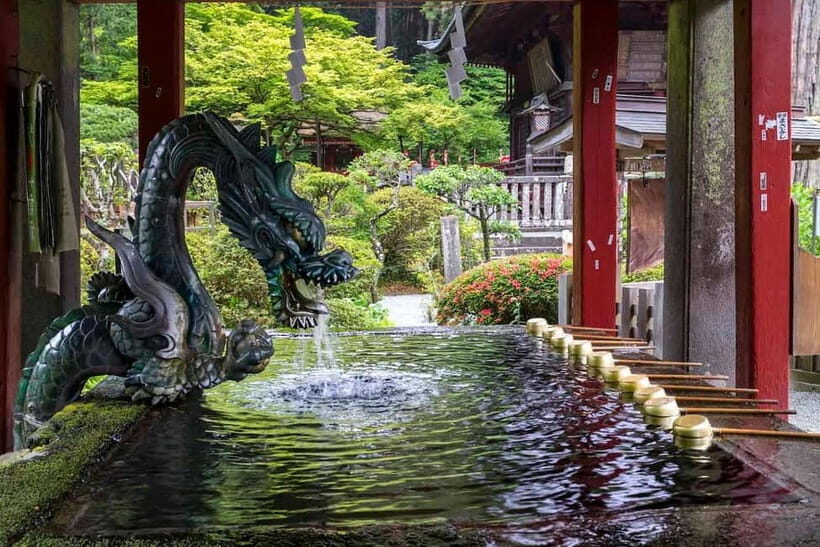
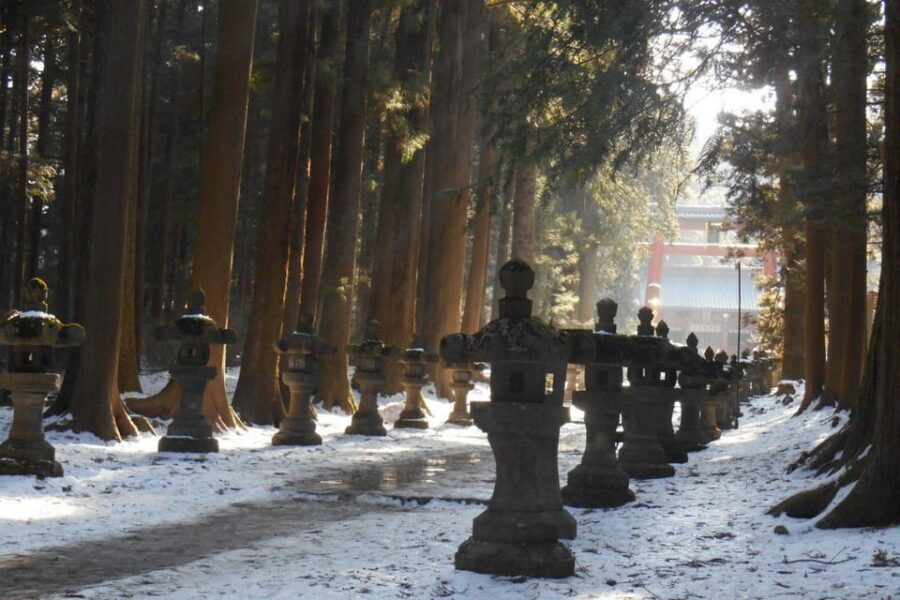
- Kitaguchi-hongu Fuji Sengen Shrine: The Sacred Side of Mount Fuji
- Lake Kawaguchi: Boat Cruise + Cable Car for Classic Fuji Reflections
- Oishi Park (Fuji Flower Park): Panoramas You Can Actually Enjoy
- Arakurayama Sengen Park: Pagoda Views and the Crowd Math
- Fuji Subaru Line 5th Station: High-Altitude Air Around 2,300 Meters
- Gotemba Premium Outlets and the Hakone Photo Stop: A Necessary Real-World Break
- What You’ll Really Get From This Private Fuji Day Trip
- Price and Value: Is $283 Per Group Up to 6 a Good Deal?
- Who Should Book This Tour (and Who Should Skip It)
- Little Things That Will Make Your Day Smoother
- Should You Book This Tokyo to Mount Fuji Day Trip?
- FAQ
- How long is the Tokyo to Mount Fuji day trip?
- What does it cost, and how many people can be in the group?
- Where can the guide pick you up?
- What languages are available for the guide?
- What’s included in the tour price?
- Is the tour wheelchair accessible?
- Is there an age limit?
- Is Mount Fuji 5th Station accessible year-round?
- Are alcohol or drugs allowed, and what’s the cancellation policy?
Key Highlights Worth Your Time
- Hotel pickup in Tokyo (all 23 wards) or optional Yokohama pickup for an extra fee
- Private group up to 6, so pacing can fit your plans
- Oshino Hakkai’s eight pools with thatched buildings and Fuji views
- Lake Kawaguchi with a boat cruise plus cable car time for classic angles
- Arakurayama Sengen Park pagoda viewpoint (popular, so expect some crowds)
- Fuji Subaru Line 5th Station at high altitude, accessible most of the year depending on snow
How Private Transport and English Guidance Make Fuji Day Trips Work
The best part of a private Fuji day trip is how little energy it takes to make it happen. You start with pickup from your accommodation (Tokyo: across all 23 wards; Yokohama: possible for an added 5,000¥). Then you settle into an air-conditioned vehicle for the long drive and let your English-speaking guide handle the routing and timing.
From the experiences shared by past guests, the service style is consistent: punctual pickup, smooth driving, and a calm focus on getting you to the right viewpoints safely. I also like that the guide isn’t just a translator. You’ll get real help navigating the day, including language support in English, Hindi, and Japanese depending on the guide.
A practical note: communication matters. One example that came up was that a guide’s English wasn’t perfect, but the group still managed to work through what they wanted—so you’ll do fine even if you’re not fluent. Still, if Fuji is your #1 priority, speak up early about timing and what you want most. A good guide can shape the day around that.
You can also read our reviews of more guided tours in Fujikawaguchiko

Oshino Hakkai: Eight Pools, Thatched Roofs, and Fuji in the Background
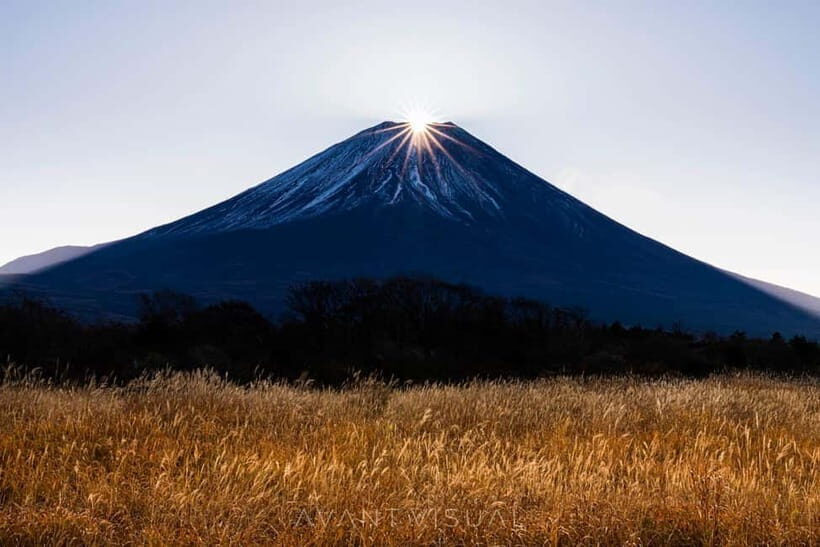
Oshino Hakkai is the kind of stop that reminds you Fuji isn’t only about summit views. It’s about the water and the village that grew around it. Here, you walk guided paths around the eight pools (the Hakkai name), and the scenery is framed with thatched-roof buildings and small bridges.
This is also one of the rare places where you get a clear sense of how local life connects to the mountain. The pools are calm and reflective, and the water-wheel details and wooden lanes make it feel slower and more traditional than the big sightseeing circuits.
How to enjoy it:
- Wear shoes you trust on outdoor paths.
- Bring a camera, but also take a minute to just look. These pools are peaceful.
One realistic consideration: this is a popular place, so if you hate crowds, you’ll want to follow your guide’s lead on pacing. Even then, the vibe is worth it because it’s a different side of Fuji than the lakes and viewpoints.
Kitaguchi-hongu Fuji Sengen Shrine: The Sacred Side of Mount Fuji
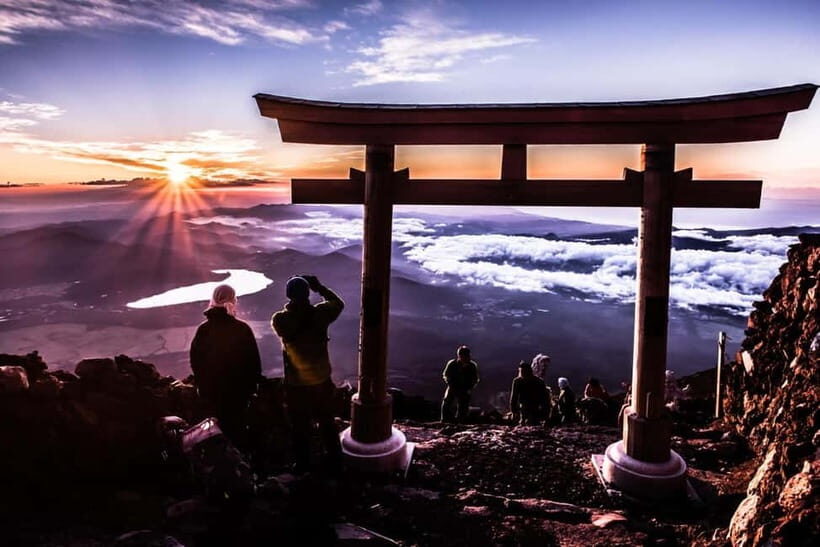
Next comes a shrine stop—Kitaguchi-hongu Fuji Sengen Shrine—and it changes the tone of the day. This is one of the ways the tour brings more than scenery. You’ll spend time with a guided visit at a place connected to the legendary hero Yamato Takeru, who prayed to the kami of Mount Fuji for help escaping danger while in Suruga.
In plain terms, this stop gives you context. If you’ve ever wondered why Mount Fuji shows up everywhere in Japanese culture—art, place names, pilgrimages—this is where you start to understand the spiritual logic behind the mountain’s importance.
What I’d watch for: think of the shrine like a reset button. You’ve been riding in the car, then you’ll walk and learn, then you’ll get back into movement toward the lake.
Time here is shorter than the big photo stops, so I’d treat it as a focused cultural stop rather than a long museum-style visit.
Lake Kawaguchi: Boat Cruise + Cable Car for Classic Fuji Reflections
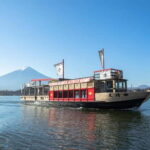
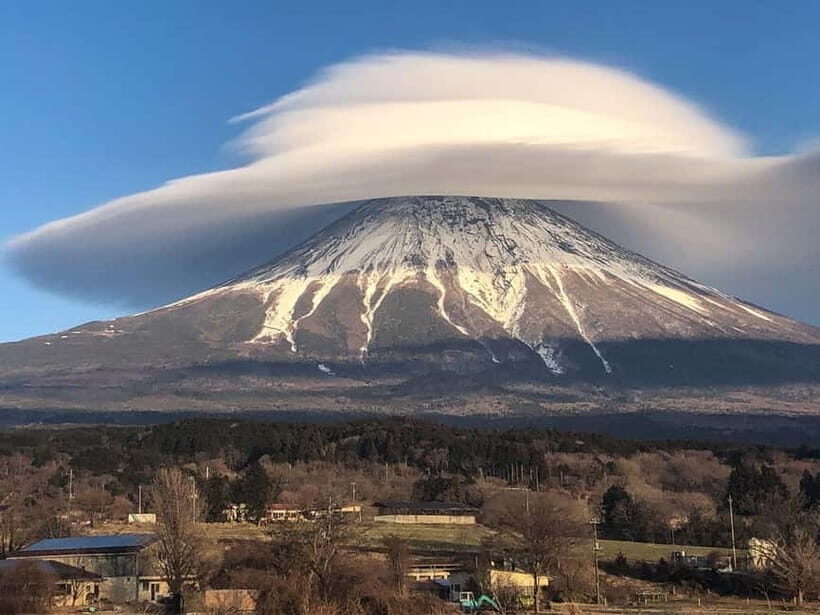
Lake Kawaguchi is where the day starts feeling like a postcard—if not always, then often enough to make it worth structuring your timing around. The route builds in time at the lake with lunch, a boat cruise, and a cable car ride.
Why this stop matters: the lake gives you the iconic shape of Mount Fuji in a way that works from multiple angles. The northern shores are especially known for strong views, and seasonal changes can make the whole scene feel different—cherry blossoms around mid-April and autumn colors in the first half of November.
Also, the rides aren’t just filler. A boat cruise changes the perspective quickly, and the cable car time helps you get viewpoints that walking alone can’t.
Practical tips for this part:
- Plan to dress in layers. It can feel cooler near water and at rides.
- Bring a lens that handles both wide shots (Fuji + lake) and medium shots (trees, promenades, tunnels).
One drawback to remember: the day is packed, so lunch and rides are timed. If you’re the type who wants to stay on a promenade for an extra hour, you’ll need to prioritize. This is a “see a lot” style day.
Oishi Park (Fuji Flower Park): Panoramas You Can Actually Enjoy
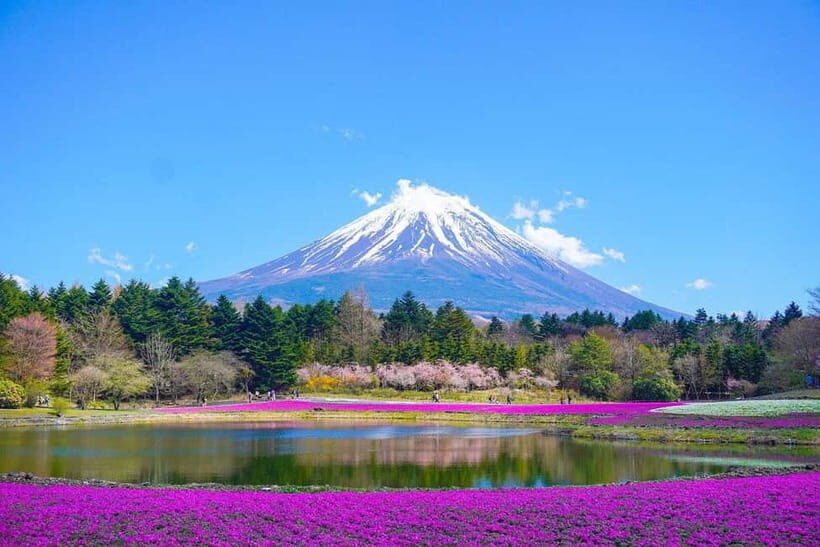
Oishi Park—also known as Fuji Flower Park—is a scenic break with strong panorama potential on the Lake Kawaguchi shoreline. You’ll get a photo stop plus a short guided visit.
This is a good stop when you want a mix of:
- wide views
- simple walking time
- a chance to photograph Fuji without dealing with every viewpoint changing every five minutes
If you’re into seasonal color, the park area is known for autumn maple scenes, including a road section locally known as the Momiji Tunnel when conditions are right. That said, even outside peak seasons, the main value is the combination of lake + Fuji framing.
The one thing to watch is your time budget. This stop is shorter, so if flowers or specific photo spots are your obsession, tell your guide your priorities before you arrive.
A few more Fujikawaguchiko tours and experiences worth a look
Arakurayama Sengen Park: Pagoda Views and the Crowd Math
Arakurayama Sengen Park is famous for views of Mount Fuji and for its iconic pagoda look. You’ll spend guided time here, which usually means you’ll get directed toward the best angle without wandering in circles.
Here’s the reality: this is a popular viewpoint. You’ll probably see crowds. But the good news is the viewpoint is the point. If your expectation is that you’re coming for a specific Fuji-with-pagoda photo angle, the time works.
I also like that this stop adds variety. After the lake and shrine tone, Arakurayama shifts into a nature-and-viewpoint mood—more movement, stairs or paths, and a strong sense of altitude effects.
If you hate waiting, go with what your guide recommends. I’ve seen examples of guides adjusting around crowd and timing pressure, aiming for the moments when Fuji is most visible.
Fuji Subaru Line 5th Station: High-Altitude Air Around 2,300 Meters
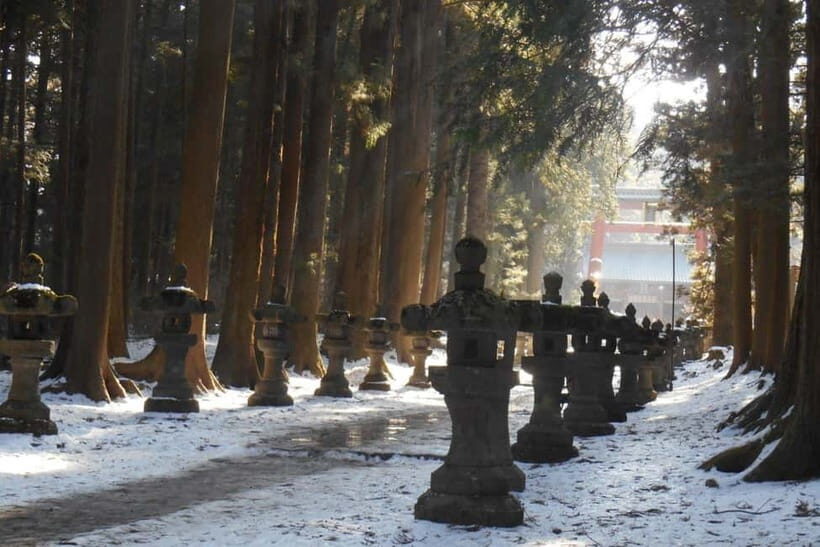
The high point of the day—literally—is Mount Fuji 5th Station on the Fuji Subaru Line. The tour includes a guided visit here, and it’s accessible almost year-round, as long as snow conditions allow.
This is your “feel the altitude” moment. The tour highlight sets the expectation for a high-altitude environment at around 2,300 meters, and you’ll notice it fast: cooler air, different breathing rhythm, and a bigger sense of mountain scale than you get from lower viewpoints.
Is this the same as hiking to the summit? No. This is sightseeing at a high access point, not a full climb. But it’s still one of the most impressive segments of a day trip because it’s where the mountain stops being a photo background and starts feeling like the main character.
What to do here:
- Move slowly.
- Keep water handy.
- If you’re sensitive to cold, dress up even on “mild” days.
Also, remember that access depends on seasonal conditions. Your guide can only work with what’s operating, and snow rules can affect what’s reachable.
Gotemba Premium Outlets and the Hakone Photo Stop: A Necessary Real-World Break
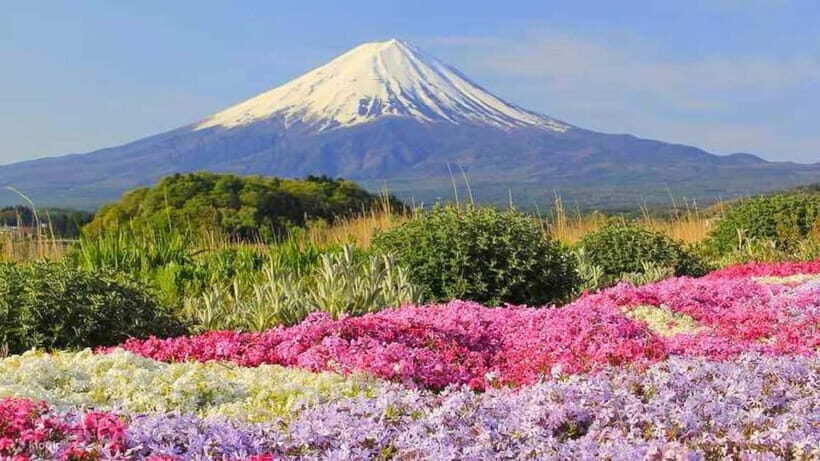
Later in the day, you’ll hit Gotemba Premium Outlets for shopping time. This is a practical add-on: after hours of moving and photographing, it gives you room to buy something simple, stretch, or just reset your brain.
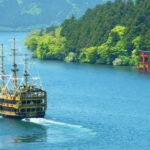
Then there’s a Hakone stop that’s described as a photo stop plus a boat cruise. This is one of those “quick taste” moves—enough to experience the style and get scenic impressions, without pretending it’s a full Hakone day.
Also, the broader concept of the tour includes ride-heavy fun, and the boat cruise here fits that pattern. Depending on conditions, the day keeps things active rather than strictly car-and-walk.
The main drawback: by this point, the day can feel long. If you want shopping, enjoy it. If not, keep an eye on your timing so the day doesn’t drain you before the best Fuji moments.
What You’ll Really Get From This Private Fuji Day Trip
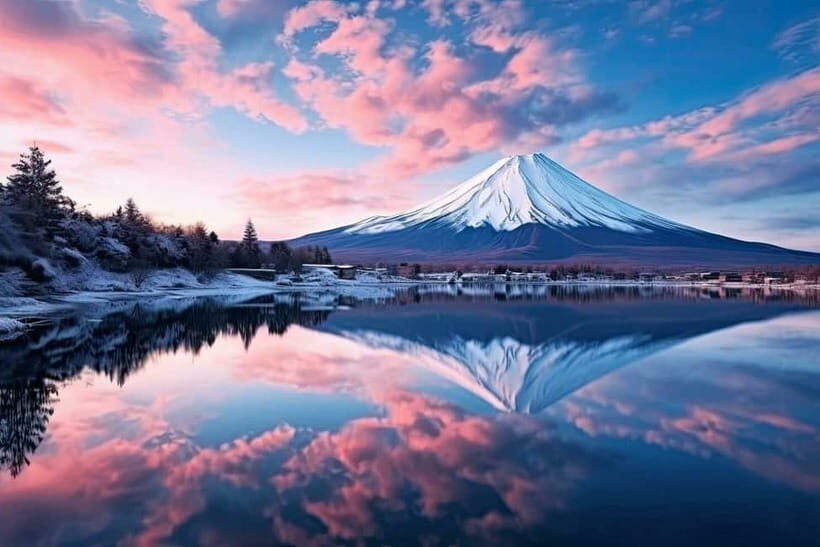
A lot of Fuji day trips promise views. This one is built to keep you moving through multiple “Fuji moods,” which is the smart way to handle a mountain that changes with weather and time of day.
You get:
- water calm and village texture at Oshino Hakkai
- spiritual context at the Fuji Sengen Shrine
- big visual angles at Lake Kawaguchi with boat + cable car
- pagoda framed Fuji at Arakurayama
- high-altitude realism at 5th Station
And because it’s a private group up to 6, you aren’t stuck in a rigid herd schedule. One recurring theme in past experiences is that the driver/guide tries to meet your preferences—like taking you where you want most, even if the day is crowded or traffic is heavy.
You’ll also have water in the car (bottled water included). That sounds basic, but it matters on a long outing where you don’t want to stop unnecessarily.
Price and Value: Is $283 Per Group Up to 6 a Good Deal?
At $283 per group (up to 6 people) for a full 10-hour private day, the value comes from what’s included rather than the sticker price.
You’re paying for:
- private transportation in an air-conditioned vehicle
- English-speaking guide
- highway tolls and gas
- pickup and drop-off
- bottled water
If you fill the group, the per-person cost drops a lot compared to booking transportation and guide separately. Even if you don’t fill all six seats, you still get the big advantage: you’re not negotiating trains, buses, transfers, or multiple tickets while also trying to line up Fuji stops in one day.
The price makes most sense if:
- you’re traveling as a small group (family, friends, or a couple plus a friend)
- you want maximum Fuji coverage without planning fatigue
- you’d rather pay for coordination than spend your day figuring out logistics
Who Should Book This Tour (and Who Should Skip It)
This is a strong match for:
- small groups who want door-to-door convenience
- people who want a balanced day: nature views + shrine culture + ride time
- anyone who values an English-guided day plan without feeling trapped by it
It’s not a great match if:
- you hate long travel days (this is 10 hours)
- you want deep, slow experiences at every stop
- you need alcohol on the tour—alcohol and drugs aren’t allowed
- you’re over the age limit (it’s noted as not suitable for people over 95 years)
Wheelchair users can also consider it since the tour is described as wheelchair accessible. Still, you’ll want to keep your expectations realistic: high-altitude sightseeing points and outdoor walking can be challenging depending on your mobility needs.
Little Things That Will Make Your Day Smoother
Here are the changes that matter most, based on how the tour runs and the kind of feedback it gets:
- Confirm your exact pickup location with the provider. Pickup relies on clear hotel location details.
- Share active contact details so the driver can reach you before the start time.
- Dress for temperature swings. You’ll go from city warmth to lake and high-altitude conditions.
- Set one priority early. If you want Fuji at its best, tell your guide before you’re stuck at the back of the line.
- Bring comfort. This isn’t a marathon hike, but it’s enough walking and standing that your feet will notice.
One more fun thought: if you see guides like Mina or Jack being described as punctual and friendly, it’s usually because the day works when the driver stays calm and keeps the schedule tight. Your best results come when you’re ready at pickup and flexible at stops.
Should You Book This Tokyo to Mount Fuji Day Trip?
If you want a Fuji day that feels organized, private, and packed with variety, this is an easy yes. The value is strongest for groups who can fill at least part of the up-to-6 capacity, and the structure hits multiple Fuji angles—village water calm, lake views, pagoda framing, and the high-altitude 5th station experience.
Skip it only if you’d rather spend a full day at one area with zero time pressure. Otherwise, this tour is a practical way to see a lot of Fuji without becoming a part-time logistics planner.
If Fuji is your “bucket day,” book it, plan your comfort, and set your top priority before you roll out the door.
FAQ
How long is the Tokyo to Mount Fuji day trip?
The tour duration is listed as 10 hours.
What does it cost, and how many people can be in the group?
The price is $283 per group, with group size up to 6 people.
Where can the guide pick you up?
Pickup is available from all 23 wards in Tokyo. Yokohama pickup is optional, with an additional 5,000¥ fee.
What languages are available for the guide?
The tour offers live tour guidance in English, Hindi, and Japanese.
What’s included in the tour price?
Included items are private transportation, an English-speaking guide, an air-conditioned vehicle, highway tolls and gas, pickup and drop-off, and bottled water.
Is the tour wheelchair accessible?
Yes, the tour is listed as wheelchair accessible.
Is there an age limit?
The tour is not suitable for people over 95 years.
Is Mount Fuji 5th Station accessible year-round?
It is described as accessible almost year-round, with access dependent on snow conditions.
Are alcohol or drugs allowed, and what’s the cancellation policy?
Alcohol and drugs are not allowed. The tour offers free cancellation up to 24 hours in advance for a full refund, and it’s also listed as reserve now & pay later.