REVIEW · SAPPORO
in Sapporo! Hand-made soba experience and shabu-shabu experience plan of Yezo deer meat (Gibier meat) from Hokkaido
Book on Viator →Operated by もんど · Bookable on Viator
Sapporo turns dinner into a hands-on craft. This handmade soba class has you kneading, cutting, and then eating your own noodles, plus a Hokkaido-style shabu-shabu set featuring Yezo sika deer meat. It’s a fun way to slow down and do something very local, right in Sapporo.
I especially like the close guidance: instructors step in firmly, so first-timers can actually finish something tasty. I also like the pairing of buckwheat noodles with a game-meat hot pot that feels like a true Hokkaido dinner plan, not a generic cooking demo. The one drawback to plan for is meeting-day confusion in winter: there’s a chance you might have to double-check the exact meet spot and communication if weather is rough or language is a bit tricky.
In This Review
- Key things to know before you go
- Turning buckwheat into a real Sapporo skill
- The soba-making flow, from dough to tasty bites
- Yezo deer shabu-shabu: a Hokkaido dinner you can’t fake
- Why this one-hour format works (and when it won’t)
- Price and value: $85.66 for two skills and a full meal
- Getting there in Sapporo: Miyanosawa access and easy navigation
- Small group energy: private, hands-on, and less chaotic
- Who should book this soba + deer shabu-shabu plan
- What to do before you go for a smoother class
- Should you book this soba and shabu-shabu experience?
- FAQ
- How long is the soba and shabu-shabu experience?
- What does the experience include?
- Where does the experience take place, and how do I get there?
- Is this a private activity?
- Can I get a full refund if I cancel?
- What if I travel with a service animal?
Key things to know before you go
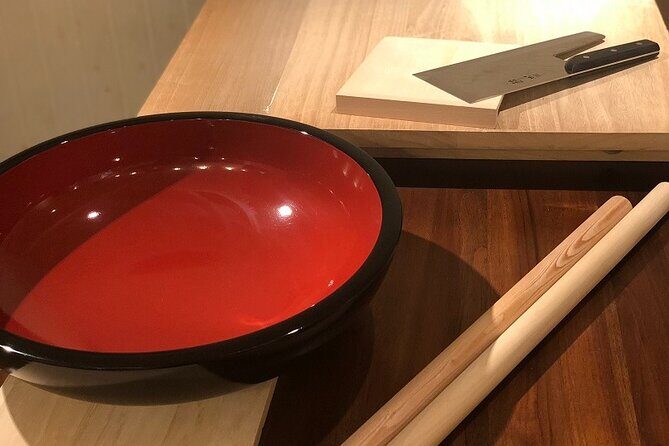
- Start-to-finish soba work: knead, learn the cutting, then taste the finished noodles
- A named instructor duo: Taku-san often leads the soba technique, with support from Mai-san for the meal
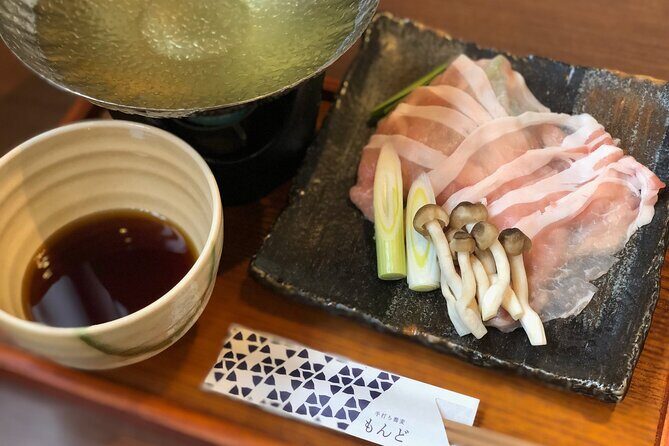
- Yezo deer shabu-shabu set: a distinctly Hokkaido flavor angle beyond standard beef hot pot
- Small, private format: you’ll share the experience only with your group
- Near Miyanosawa Station: short walk from Tozai Line Exit 6, plus nearby parking options
Turning buckwheat into a real Sapporo skill
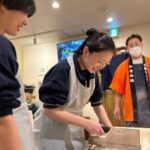
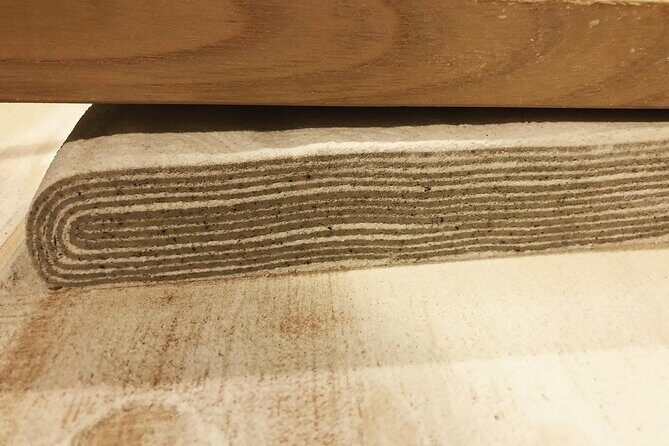
This experience is built around something Japan takes seriously: soba. Soba has been a staple food since the Edo period, and the cool part here is that you don’t just watch it happen—you make it. You’ll work with the dough, learn how the noodles come together, and then eat what you produced. Even if you think you won’t be “good at cooking,” the setup is designed so you can finish the process.
What makes it more interesting than a basic class is the full meal feeling. You’re not ending with a paper plate and a shrug. You’re finishing with tasting and sitting down to enjoy shabu-shabu made with Yezo sika deer meat. That combination makes the session feel like a Hokkaido memory: buckwheat noodles plus a hot pot that’s tied to regional game meat.
And yes, there’s a cultural side too. The class talks about soba traditions and how soba is eaten in Japan, so you get the “why” behind the motions, not just the motions themselves. If you like food that connects to place and practice, this is the kind of thing that sticks.
You can also read our reviews of more tours and experiences in Sapporo.
The soba-making flow, from dough to tasty bites
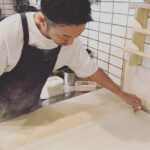
Your time centers on three steps: making the noodles, cutting them, and tasting them. Expect a real hands-on workshop rhythm where the instructor keeps you moving and corrects what needs fixing. That matters, because soba used to have a reputation for being a higher-threshold craft. The class is specifically set up to lower that barrier for beginners.
Here’s what you can picture as the pace:
- You start with the basics of the dough and learn how to handle it.
- You move into soba cutting, which is where skill shows. The cutting stage is also where you’ll see those little technique tips that suddenly make everything click.
- Finally, you taste. The tasting is part of the lesson, not an afterthought.
One standout detail from the experience stories I’ve seen is how friendly and precise the instruction can be. In many cases, Taku-san is the one explaining the soba process with clear detail. And there are even playful moments while learning—one example includes a special Spiderman-style cutting technique. That kind of light humor helps when your hands are doing something new and you’re thinking too hard.
You should also know the class isn’t framed as “learn one step, take a photo, leave.” The emphasis is that you’ll produce something you can eat. That’s where the value is: you’re not paying mainly for observation. You’re paying to do.
Yezo deer shabu-shabu: a Hokkaido dinner you can’t fake
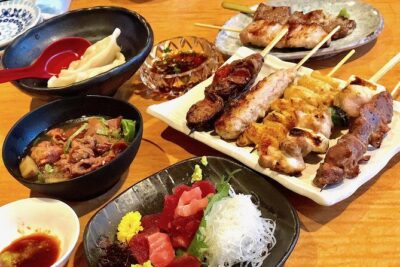
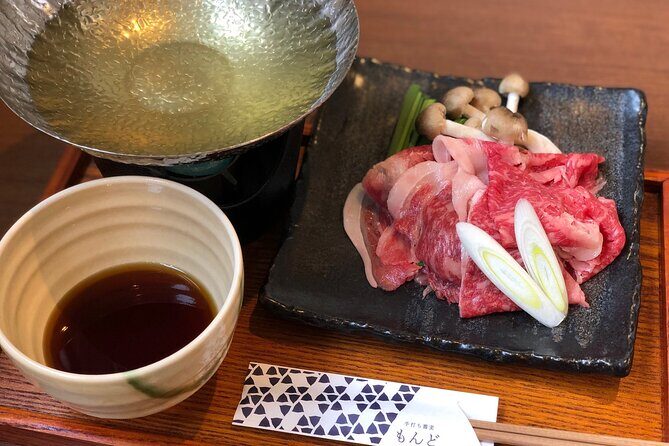
After the soba portion, the meal shifts into shabu-shabu mode with Yezo deer (gibier/game meat). This is the part that makes the experience feel like it belongs in Hokkaido and nowhere else. If you’ve eaten a lot of Japanese food on your trip, you’ll know how easy it is to get “samey” dishes. Game-meat hot pot is a different lane.
The class is set up as a complete dinner plan, so you’ll also get help preparing the hot pot. Mai-san is one of the names that comes up often for meal support, and that pairing of instructors—one focused on soba technique, another helping with the shabu-shabu—creates smoother pacing. You’re not stuck waiting while others get served. The flow is designed so you keep moving and then settle into the meal.
How does it taste? The honest answer: it will taste like Yezo deer meat cooked in a Japanese hot pot style, and that’s the whole point. It’s not trying to copy beef. It’s embracing a regional ingredient. If you like trying local proteins and you’re curious about game meat, you’re in the right place.
Why this one-hour format works (and when it won’t)
The experience runs about 1 hour. That’s a good length for a couple of reasons. First, it keeps the session focused. You won’t lose momentum. Second, it pairs nicely with the way many people plan Sapporo dinners—especially if you’re also doing shopping, parks, or an onsen afterward.
But a shorter class has one tradeoff: you won’t have hours to perfect your technique or take it slow. If you’re someone who wants a long, step-by-step cooking retreat, this may feel fast. If you’re someone who enjoys hands-on cooking with clear guidance and a scheduled meal at the end, it’s a great fit.
Timing can matter too. One booking example in the experience stories involved a 4:30 p.m. start time, which tells you these sessions can work as an early dinner or late lunch. Still, always plan around your other plans and the fact that you’ll be seated and eating as part of the experience.
Price and value: $85.66 for two skills and a full meal
At $85.66 per person, this isn’t a cheap snack activity. It’s priced like a proper food workshop. The value comes from three things happening together:
- You learn and make soba from scratch. That’s real labor and real technique, not a quick demo.
- You get to taste what you made. The soba isn’t just for show.
- You also get a shabu-shabu set with Yezo deer meat. That’s a distinctly Hokkaido ingredient, and it’s a full meal component.
For comparison, a lot of food experiences in Japan either teach cooking with minimal eating, or they serve food with no hands-on work. This plan does both: craft + meal. If you’d pay for a nice dinner in Sapporo anyway, you’re getting that dinner as part of an experience rather than just ordering it off a menu.
The booking pace also hints you should plan ahead. On average, people book around 46 days in advance, so try not to wait until the last week if you have firm dates.

Getting there in Sapporo: Miyanosawa access and easy navigation
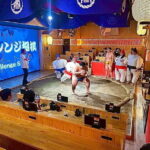
Location-wise, it’s pretty convenient. You’ll find the shop near Miyanosawa Station on the Tozai Line, about a 3-minute walk from Exit 6. It’s also within walking reach of Shiroi Koibito Park, so you can often combine it with other nearby stops.
Practical note: there are parking lots too, which helps if you rent a car. And it’s close to public transportation, so you’re not forced into taxis.
That said, winter can complicate meet-up points. One negative experience mentioned meeting in a snow-covered park area and having trouble getting through by phone, especially with language. The takeaway for you: confirm the meet details ahead of time, and if conditions are brutal, give yourself extra buffer so you aren’t stressed.
Small group energy: private, hands-on, and less chaotic
This is a private tour/activity, meaning your group is the only group participating. That matters more than it sounds. In cooking classes, the biggest enemy is time: waiting your turn, watching others do steps you don’t get to touch, or feeling rushed because the instructor is bouncing between tables.
A private format keeps the pace more reasonable. You’re more likely to get corrected while you’re still practicing the move. And you also get a more personal feel from the instructors, since the soba craftsman can focus on your group.
There’s also mention of group discounts and mobile ticket use, so check how that affects your final confirmation. Since the experience uses a mobile ticket, you’ll want to have your phone ready on arrival.
Who should book this soba + deer shabu-shabu plan
This experience is a strong match if:
- you like hands-on food more than watching
- you’re curious about Hokkaido ingredients beyond seafood and dairy
- you want a meal that feels tied to place, not just “Japanese cooking”
- you enjoy learning technique, even if you don’t cook at home
It may be less ideal if:
- you hate time-limited classes and want long, slow instruction
- you’re very anxious about following instructions in a potentially mixed language environment (the positive experiences suggest it can still work smoothly, but one story shows miscommunication risk)
If you’re traveling with kids, it can work well. One highlight story noted that a 13-year-old enjoyed the whole process. Still, with cooking, you’ll want to pay attention to what your group is comfortable handling.
What to do before you go for a smoother class
You can’t control the weather, but you can control your preparation. Here’s what I’d do:
- Arrive a little early so you can get your bearings near Miyanosawa Station Exit 6.
- If you’re traveling in winter, dress for walking and waiting. Even a short walk plus time outdoors can feel long.
- Come ready to eat. The experience ends with tasting and a hot pot meal, so plan your day so you’re hungry.
- If you have dietary concerns, ask during booking. The provided plan is described as Yezo deer meat shabu-shabu, so you should make sure it’s suitable for your situation.
And one more thing: bring curiosity. The best part of experiences like this is not whether your noodles look perfect. It’s the process and the fact that you leave with a new skill and a real Hokkaido dinner.
Should you book this soba and shabu-shabu experience?
Book it if you want an honest, hands-on Sapporo food skill plus a dinner that feels like Hokkaido, not a generic meal. The strongest reasons are the guided soba process (with Taku-san leading instruction) and the fact that you also get to eat Yezo deer shabu-shabu with support from Mai-san. For the price, you’re paying for craft + tasting + a distinctive hot pot set.
Skip it or think twice if you know you’ll struggle with meet-up clarity in winter conditions, or if you strongly prefer long cooking sessions with lots of free-form time.
If your goal is to bring home something more than photos—like a real technique you practiced and a meal you can describe from memory—this one-hour class is a smart bet.
FAQ
How long is the soba and shabu-shabu experience?
It’s about 1 hour.
What does the experience include?
You’ll make soba noodles from scratch, learn soba cutting, and then taste your soba. You’ll also have a shabu-shabu set using Yezo deer meat (game meat).
Where does the experience take place, and how do I get there?
The meeting point is in Sapporo, near Miyanosawa Station on the Tozai Line (Exit 6), with a short walk. There is parking available as well, and it’s near Shiroi Koibito Park.
Is this a private activity?
Yes. It’s private, so only your group participates.
Can I get a full refund if I cancel?
Yes. You can cancel for a full refund if you cancel at least 24 hours before the experience’s start time. Free cancellation is offered.
What if I travel with a service animal?
Service animals are allowed.
![[Okinawa Blue Cave] Snorkeling with Private Guide+ Free Photos - Cape Maeda stop: the warm-up where fish spotting starts](https://images.thejapantraveler.com/wp-content/uploads/okinawa-blue-cave-snorkeling-with-private-guide-free-photos.jpg)