REVIEW · FUJIKAWAGUCHIKO
From Kawaguchiko: Mt. Fuji Private Tour with a Local Guide
Book on GetYourGuide →Operated by Johnny's Mt Fuji Kawaguchiko Tours · Bookable on GetYourGuide
Fuji works on its own timetable. This private Mt. Fuji day tour from the Kawaguchiko area has you riding with English guide Johnny, who shifts the plan when visibility changes. You also get hotel-area pickup options that make the whole thing feel easy from the first minute.
I love two things most: the weather-smart pacing that’s built around when you can actually see Mt. Fuji, and the mix of stops that go beyond the usual scenic pull-offs. You’ll see lake viewpoints, walkable shrine grounds, a major art museum, a famous waterfall, and a spring-and-market area at Oshino Hakkai.
One consideration: this tour does not visit Mt. Fuji 5th Station, so it’s geared toward views and cultural stops, not high-altitude climbing.
In This Review
- Key points worth knowing before you go
- A Weather-Smart Private Day Around Kawaguchiko
- Meeting Johnny: Pickup, Comfort, and the Pace That Lets You Breathe
- Your Fuji Loop: Lakes, Shrines, Museums, and a Few Curveballs
- Yagizaki Park: A Quick Start with Room for Photos
- Lake Kawaguchi and Sunset-Ready Timing
- Oishi Park for Snacks, Shopping, and Easy Walk Moments
- Kubota Itchiku Art Museum: Indoor Time When Fuji Hides
- Haha-no-Shirataki Waterfall: A Walk That Adds Motion
- Kawaguchi Asama Shrine and Kitaguchi-hongu Fuji Sengen Shrine: Sacred Walks and Stillness
- Houtou Fudou Break Time: A Food Pause Built Into the Route
- Fujisan Museum: Another Indoor Option for Weather-Proofing
- Oshino Hakkai: Springs, Market Time, and Free Wandering
- Hard Off Pass-By: A Quick Cultural Glance Outside the Usual Script
- Saiko Iyashi-no-Sato Nenba: A Self-Guided Village-Style Walk
- Arakura Fuji Sengen Shrine, Dragon Cave, Lake Motosu: The Final View Stretch
- Not Going to Fuji 5th Station: Good News for Scenic Focus
- Who This Tour Suits Best (And Who Might Want Another Option)
- Should You Book This Mt. Fuji Private Tour from Kawaguchiko?
- FAQ
- How long is the tour?
- Is this a private tour?
- What languages is the guide?
- Where can you be picked up?
- Does the tour include food and drinks?
- Does the tour visit Mt. Fuji 5th Station?
- Is cancellation free, and how does payment work?
Key points worth knowing before you go
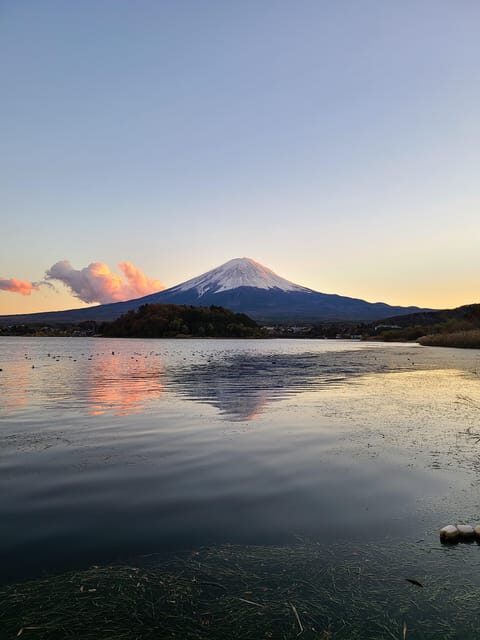
- English guide Johnny adjusts the route live based on weather and Mt. Fuji visibility
- Pickup and drop-off are built in from hotel and nearby station areas around Fujikawaguchiko/Narusawa/Fujiyoshida
- A tight 6-hour loop that mixes lakes, shrines, museums, and short walks
- Time for photos and strolling shows up at most stops (not just quick photo flashes)
- Food is on you, but the guide includes practical local eating advice and you’ll hit a market stop
A Weather-Smart Private Day Around Kawaguchiko
Mt. Fuji doesn’t care about your schedule. That’s why I like that this tour is designed around what the weather and visibility are doing that day, with the day’s flow adapting as you go.
Because it’s private (up to 7 in the group), you’re not stuck following a crowd’s walking speed or waiting for a bus to unload. You can spend your time where it actually matters—when the mountain shows itself, and when your best photos line up with the light.
And yes, you’re still getting the classic Kawaguchiko highlights—but with enough variation that the day feels like it has character, not just checklist boxes. Think lake viewpoints, shrine walks, an art museum stop, and a waterfall break that’s long enough to stretch your legs.
You can also read our reviews of more guided tours in Fujikawaguchiko

Meeting Johnny: Pickup, Comfort, and the Pace That Lets You Breathe
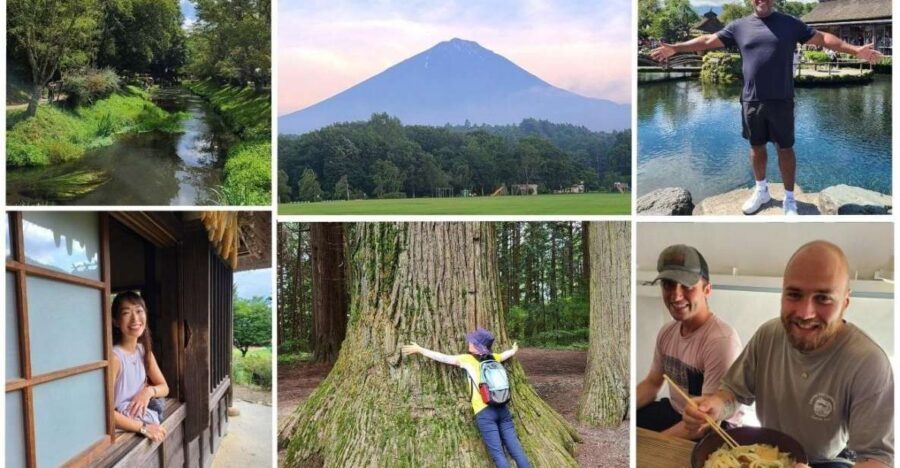
The tour is built around convenience. You can get picked up from your local hotel or from major nearby station areas in the region (including Kawaguchiko Station and Mt. Fuji / Fuji-Q Highland station areas). The important part for you: you start the day already settled in, not hunting for a meeting point or timing public transport.
The duration is 6 hours, which is long enough to feel like a real excursion, but short enough that the day won’t burn you out. Stops are timed with breathing room—some are quick photo/visit moments, others include actual walking and free time.
Transport quality also matters, and this tour has strong scoring for transport (with 96% of reviewers giving a perfect score). For a day where you’re moving between lakes, shrines, and museums, that comfort pays off.
Your Fuji Loop: Lakes, Shrines, Museums, and a Few Curveballs
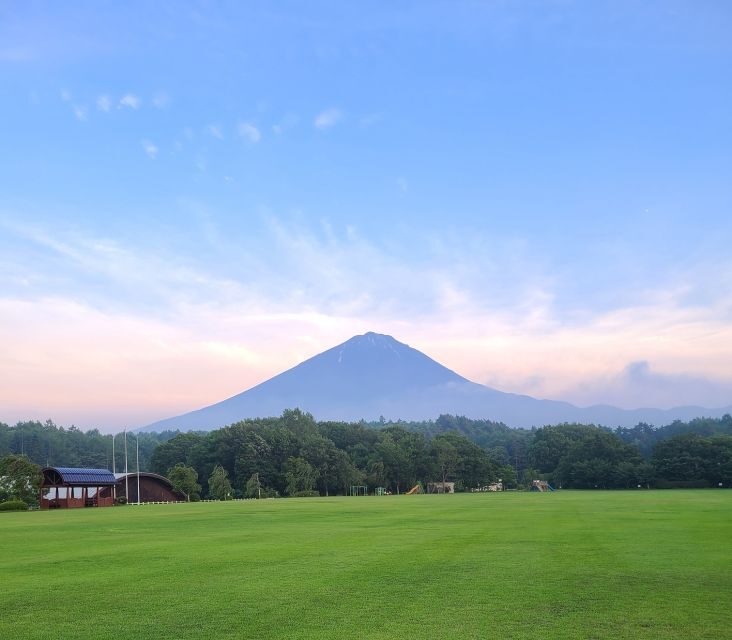
This tour avoids the “one-type-of-place” problem that many Mt. Fuji group days have. In one morning-to-afternoon sweep, you’ll move through different kinds of experiences: scenic drives, short hikes or walks, temple/shrine visits, and indoor time at museums.
A big practical benefit: the route mixes photo stops with places where you can actually wander. That keeps the day from feeling like you’re only stopping the car, shooting a picture, and repeating.
Here’s how the day comes together, stop by stop, and what each one is best for.
Yagizaki Park: A Quick Start with Room for Photos
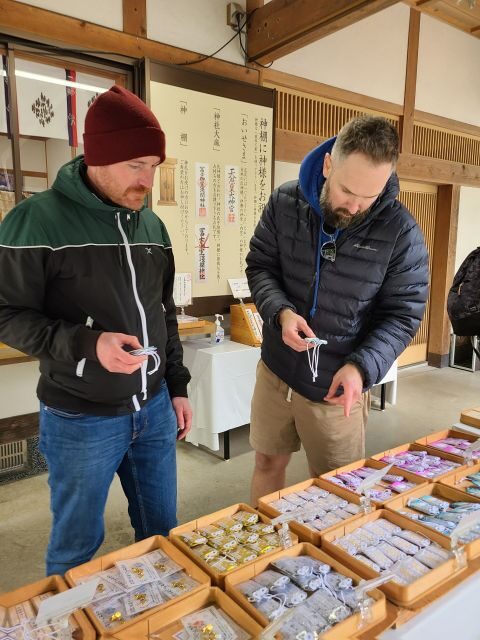
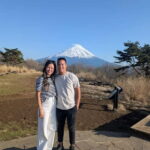
You start with Yagizaki Park for about 15 minutes. It’s a classic kind of beginning stop—enough time to step out, look around, and grab photos without turning the morning into a long wait.
Why it’s worth it: this is often where your first Mt. Fuji impression sets the tone for the rest of the day. If visibility is good early, you can ride that momentum. If it’s not, the guide can steer you toward better odds later.
If you’re traveling with kids or anyone who gets restless in vehicles, the short, controlled timing here helps everyone reset quickly.
Lake Kawaguchi and Sunset-Ready Timing

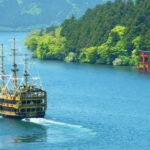
Next comes Lake Kawaguchi, with about 15 minutes for photo stops and visiting, plus time that’s meant to help you catch the right moment (including sunset-oriented planning). You’ll also get scenic driving and passing views on the way.
For you, this is the “big view” part of the day. Lakes give you wide angles and a better sense of the area’s shape than most single viewpoint spots.
A practical note: if clouds roll in, don’t panic. The guide’s whole job is to shift timing and locations to improve your odds, so you won’t feel locked into one view forever.
You can also read our reviews of more private tours in Fujikawaguchiko
Oishi Park for Snacks, Shopping, and Easy Walk Moments
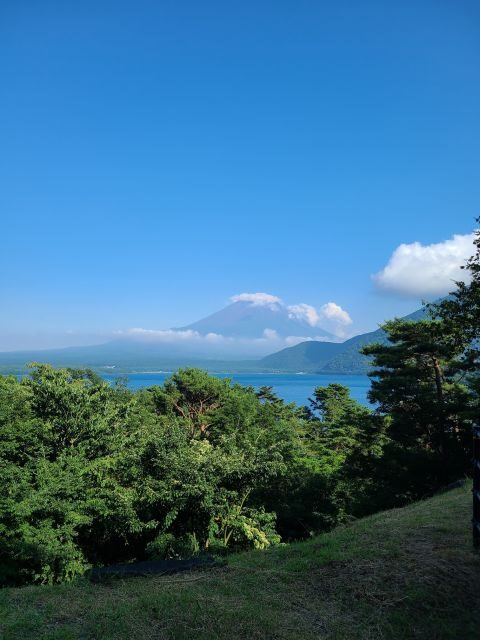
Oishi Park follows, with about 20 minutes that includes photo stopping, visiting, and shopping/free time.
This stop is handy when you want something light and flexible. You can keep it simple—wander, grab a snack, take a few photos—without needing to commit to a long hike.
Also, park-time works well for families. It’s a “reset button” after driving, with enough open space to move around.
Kubota Itchiku Art Museum: Indoor Time When Fuji Hides
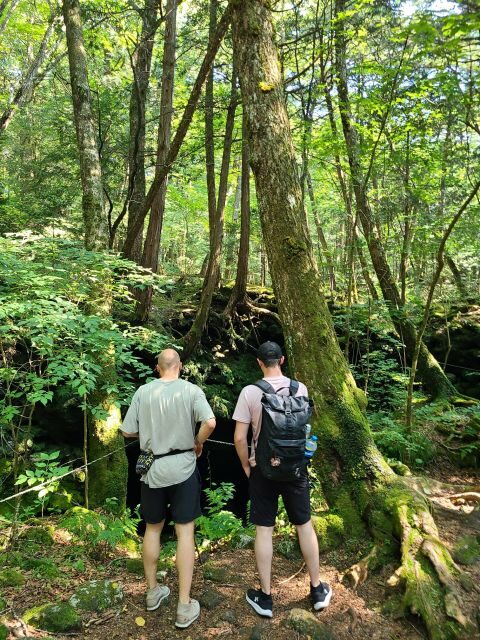
The Kubota Itchiku Art Museum gets about 20 minutes. It’s a smart inclusion because indoor stops are gold when the sky is gray or Mt. Fuji is not cooperating.
Even in a short visit, a museum breaks up the day and gives you a different angle on local culture. It also adds contrast to all the outdoor scenery points so the trip feels more complete, not just outdoors-and-photos.
If you’re traveling in colder months or rainy weather, this stop is especially valuable. You’re not just waiting in the elements.
Haha-no-Shirataki Waterfall: A Walk That Adds Motion
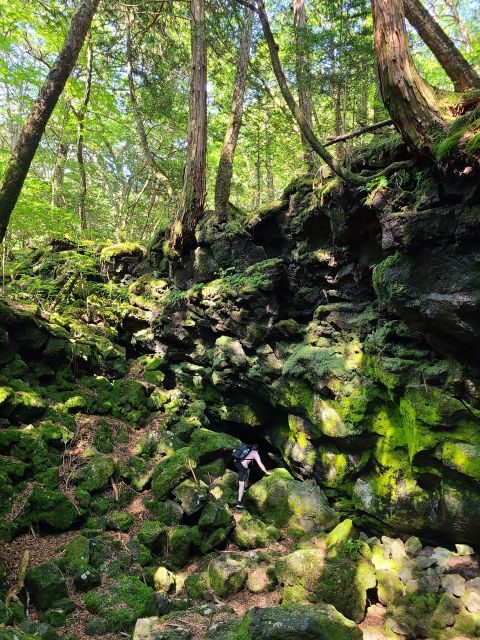
Then you’ll reach Haha-no-Shirataki Waterfall, with about 20 minutes including visiting, sightseeing, and a walk.
A waterfall stop does two useful things for your day: it gives your legs something to do, and it offers a change from the “viewpoint rhythm” of the earlier stops.
If you’re traveling with kids, this is often the kind of stop that keeps attention because there’s movement, sound, and a clear goal. Bring the right shoes for wet ground if the weather is unpredictable.
Kawaguchi Asama Shrine and Kitaguchi-hongu Fuji Sengen Shrine: Sacred Walks and Stillness
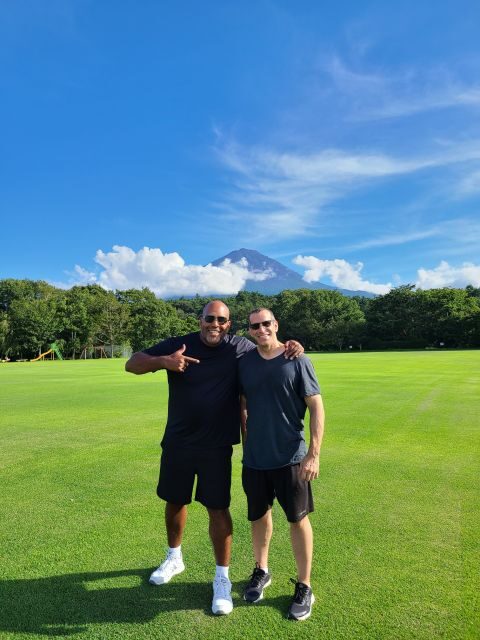
You’ll visit Kawaguchi Asama Shrine (about 15 minutes, including walking) and later Kitaguchi-hongu Fuji Sengen Shrine (about 25 minutes, with walks and sightseeing).
These are the slower, quieter moments of the day. Even if you don’t plan to go deep into religious details, shrine grounds give you a calmer pause after scenic driving.
Why I like including both: it spreads the spiritual theme out across the day rather than stacking it all in one rushed segment. That pacing makes the shrines feel like part of the experience instead of a forced stop.
Houtou Fudou Break Time: A Food Pause Built Into the Route
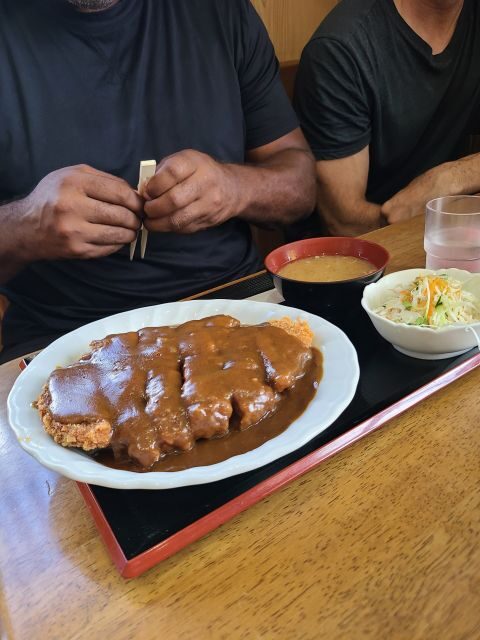
Between bigger sightseeing windows, there’s a break time at Houtou Fudou for about 35 minutes.
Food isn’t included on this tour, but you do get scheduled time that makes it realistic to eat without losing the rest of the day. And the guide’s known for steering people toward good local choices, which matters when you’re hungry and the menu is unfamiliar.
Budget tip: if you choose to eat during the tour, you should plan around 1,500 to 2,000 yen per person (roughly $10–$17). That range is useful for planning, not guessing.
Fujisan Museum: Another Indoor Option for Weather-Proofing
Next is Fujisan Museum for about 20 minutes, including sightseeing and walks on site.
This is another “weather leverage” stop. When clouds are out, your day still stays full. When the mountain is visible, you get a more well-rounded Fuji-themed day that doesn’t rely only on outward views.
If you like travel days that mix scenery with context, a museum stop is a good balance point.
Oshino Hakkai: Springs, Market Time, and Free Wandering
Oshino Hakkai is a highlight stop with about 35 minutes total, including photo stopping, visiting, free time, shopping, and a food market visit.
This is one of those places where the time limit works in your favor. You can wander, try something local, browse, and still have time left for later shrine and lake views.
Practical tip: market time is easier when you keep snacks and purchases simple. Choose one treat, one souvenir-style browse, and one photo moment, so you don’t burn your whole window.
Also, it helps that this stop breaks the day into “outer views” earlier and “character stops” later. It keeps the day varied.
Hard Off Pass-By: A Quick Cultural Glance Outside the Usual Script
You’ll make a short pass-by at Hard Off for about 15 minutes.
This isn’t there to be a full shopping trip. It’s more like a quick look at a local shopping culture pattern—useful if you like seeing what everyday retail looks like in Japan, not only the tourist lanes.
If you’re not interested, this is also a low-commitment moment compared with longer attraction stops.
Saiko Iyashi-no-Sato Nenba: A Self-Guided Village-Style Walk
Next is Saiko Iyashi-no-Sato Nenba, with about 20 minutes that includes photo stop, visiting, sightseeing, a walk, and self-guided touring.
Self-guided time is a nice shift from constant guide narration. You can take in the place at your own speed and step away from the pressure of keeping up.
This stop also helps the day feel less repetitive: you’ve already had shrines and lakes, and now you get a different kind of setting that feels more village-like and walkable.
Arakura Fuji Sengen Shrine, Dragon Cave, Lake Motosu: The Final View Stretch
The last stretch packs in three big-name stops with walking and scenic drive time.
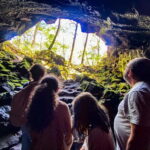
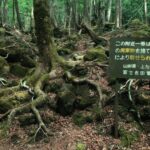
First, Arakura Fuji Sengen Shrine for about 35 minutes, including sightseeing and walking. Then The Dragon Cave for about 15 minutes, including visiting and sightseeing. Finally, Lake Motosu for about 30 minutes, with scenic drive and scenic views on the way.
Why this ending matters: many people’s final hours are when Mt. Fuji finally cooperates, because timing, light, and cloud movement all shift. By keeping multiple view-capable stops near the end, the day gives you more than one chance to catch a stronger look.
Also, these last stops let you finish with motion: a mix of walks and driving keeps you from ending the day with nothing but photos.
Not Going to Fuji 5th Station: Good News for Scenic Focus
This tour does not go to Mt. Fuji 5th Station.
That’s a deal-breaker only if your goal is specifically high-altitude access and the 5th station experience. If you want classic Fuji scenery, shrine and temple atmosphere, and a packed-but-not-rushed day around Kawaguchiko, this setup fits your goal better.
In other words: this is a great choice for seeing the mountain and the region’s culture, not for climbing up toward it.
Who This Tour Suits Best (And Who Might Want Another Option)
I think this is a strong match for:
- Families who want a flexible day with walking breaks and plenty of time at different kinds of stops
- Photographers (or photo-obsessed friends) who need multiple chances for Fuji views and better timing than a rigid bus day
- Anyone who wants English guidance plus practical local food and route advice without doing the planning themselves
You might want a different option if:
- You specifically want Fuji 5th Station
- You only care about one or two viewpoints and hate walking or museum time
Should You Book This Mt. Fuji Private Tour from Kawaguchiko?
If you want a Fuji day that’s built around weather reality and not just a printed schedule, I’d book it. The biggest strength here is the private format with English guide Johnny, who can keep the day moving and adjust your route when Mt. Fuji’s mood changes.
It also offers good value for groups because the price is $387 per group up to 7. If you’re traveling with even a small group, you’re often paying less per person than you’d expect for a fully guided, multi-stop day with pickup and drop-off. If you’re traveling solo or as a couple, it can still be worth it if you care about comfort, flexibility, and saving time on planning.
Just go in knowing the focus is the Kawaguchiko region’s views and culture—not the 5th Station climb.
FAQ
How long is the tour?
It runs for 6 hours.
Is this a private tour?
Yes. It’s a private group tour with your own group (up to 7 people).
What languages is the guide?
The guide provides English service.
Where can you be picked up?
Pickup is available from within Fujiyoshida, Kawaguchiko, and Narusawa, including hotel pickup and station areas such as Kawaguchiko Station and Mt. Fuji / Fuji-Q Highland station areas.
Does the tour include food and drinks?
No. Food and drinks are not included, though the guide can advise on good places to eat and you’ll have time for meals during the day.
Does the tour visit Mt. Fuji 5th Station?
No. This tour does not go to Mt. Fuji 5th Station.
Is cancellation free, and how does payment work?
You can cancel for a full refund up to 24 hours in advance. You can also reserve now & pay later to keep plans flexible.