REVIEW · TOKYO
Furoshiki Cloth Wrapping
Book on Viator →Operated by True Japan Tour · Bookable on Viator
Cloth wrapping turns gifts into art. In a 1.5-hour Tokyo workshop, you’ll learn furoshiki with real folds, knots, and practical wraps you can use right away.
I especially like that you master seven techniques in one session, starting with the basics and moving up to more advanced ways to wrap and carry. And I love that you leave with a souvenir furoshiki cloth so you can keep practicing after the class.
One thing to plan for: transportation and food or drinks aren’t included, so you’ll want to schedule your timing around getting to (and back from) the venue.
In This Review
- Seven Techniques, One Take-Home Craft
- Why This Furoshiki Workshop Feels Like a Real Tokyo Skill
- Exactly What You Learn: From Basic Knots to 7 Practical Wraps
- The Hands-On Session Flow at Kikai Shinkō Kaikan (Minato)
- What You’ll Make (And Why Those Items Matter)
- The Take-Home Furoshiki Cloth: Value That Lasts Past the Workshop
- Sustainable Wrapping Isn’t a Lecture: It’s Built into the Craft
- Who This Class Suits Best (And Who Might Skip It)
- Price and Value: What $77.26 Buys You
- Getting There and Showing Up Without Stress
- Booking Timing: When to Reserve
- Should You Book This Furoshiki Workshop?
- FAQ
- How long is the furoshiki cloth wrapping workshop?
- What is the price per person?
- What techniques will I learn?
- Do I get to take something home?
- Is the instructor accredited?
- Is food included in the price?
- Where do I meet for the workshop?
- How big is the group?
- How do I receive my ticket?
- When will I get confirmation after booking?
- Can I cancel for a full refund?
Seven Techniques, One Take-Home Craft
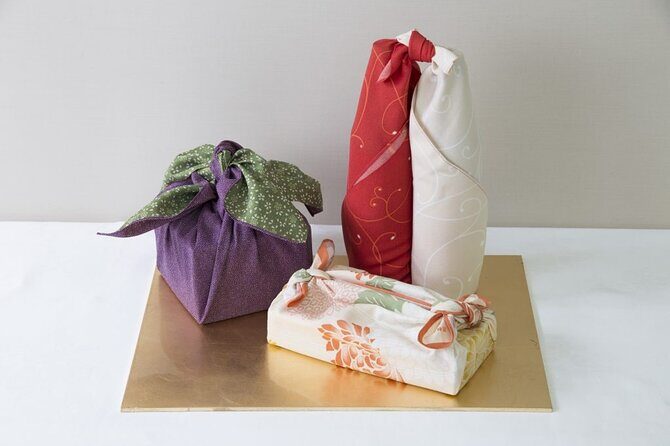
- Seven wrapping techniques in one workshop
- A souvenir furoshiki cloth included
- Start with basics, then build to advanced folds and knots
- Learn how cloth wrapping ties to modern eco thinking in Japan
- Make wraps you can actually use: bags, covers, hats, and more
Why This Furoshiki Workshop Feels Like a Real Tokyo Skill
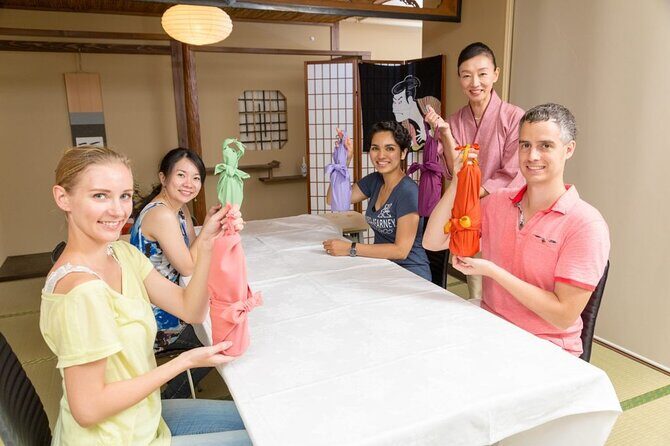
If you’ve ever loved the look of Japanese gift-giving but didn’t know where to start, this is a smart way in. Furoshiki is one of those crafts where the results look polished, but the process is teachable—and it comes from everyday life, not museum glass cases.
What makes this class appealing is that it’s not just about making something once. You learn repeatable methods (folds, knots, and cloth handling) that you can reuse for future gifts and practical items.
And it’s designed to be approachable. The session is capped at 28 travelers, so you’re in a group setting without feeling like you’re shouting across a room.
You can also read our reviews of more tours and experiences in Tokyo.



Exactly What You Learn: From Basic Knots to 7 Practical Wraps
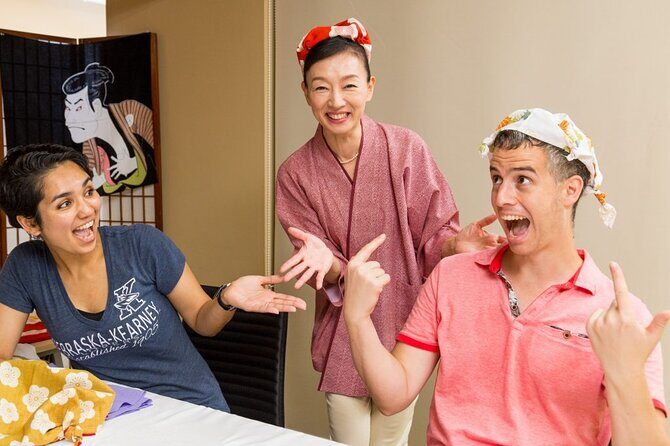
The workshop is built around a progression. You start with foundational moves—basic folds and knots—then use those building blocks to complete multiple wrapping techniques.
Here’s what “seven techniques” translates to in real life: you’ll practice different ways to secure and shape the cloth so it becomes a gift wrap, a carrier, or even a wearable accessory. The goal is usefulness. You’re not just copying a final look; you’re learning how to make the cloth behave.
You can also expect examples of how furoshiki can replace disposables. The instructor will connect the craft to why it still matters today—especially its eco-friendly angle in a country where reusing and repairing are taken seriously.
From the teaching style described in participant feedback, the instructions are friendly and clear, with attention to the knots. That’s important. If you get the knot logic, you’ll feel confident trying new shapes at home.
The Hands-On Session Flow at Kikai Shinkō Kaikan (Minato)
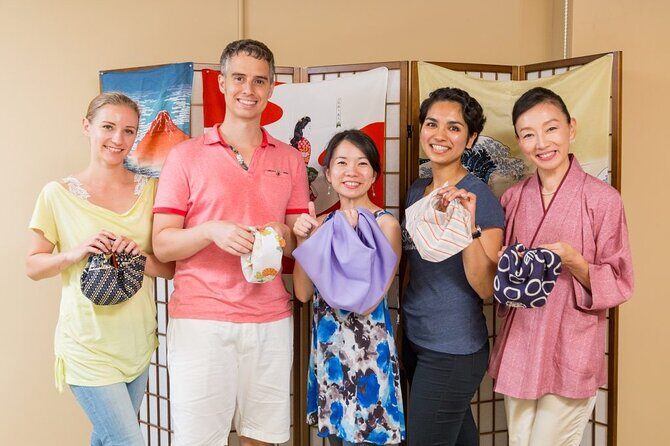
Your class starts and ends at the same place: Kikai Shinkō Kaikan, 3-chōme-5-8 Shibakōen, Minato City. That simplicity helps on travel days. You’re not jumping around town with a packed itinerary—just one focused block of making.
Typical flow (based on how the workshop is designed):
- You begin with an intro to furoshiki and the idea of using cloth instead of paper.
- You learn the basics: folding logic and knot techniques that keep everything in place.
- Then you work through the set of techniques, applying what you learned to different items and shapes.
- You finish with additional practical wraps, including things beyond simple gift wrapping.
Because the class is about both technique and cultural context, you’ll also hear stories about why furoshiki is more than a cute tradition. Participants liked the way the cultural history and modern eco significance were explained alongside the making steps.
Timing note: at about 1 hour 30 minutes, the pacing is brisk. If you’re a slow-but-careful crafter, you’ll still enjoy it—you just might want to accept that you’re learning the method more than achieving perfection on your very first attempt.
What You’ll Make (And Why Those Items Matter)
This workshop isn’t limited to “wrap a small box.” It’s broader by design. You’ll learn ways to turn cloth into different useful forms—things like covers and carries—so you walk out with a mental toolkit, not a single trick.
The experience is described as including the making of items such as:
- bags
- hats
- covers
- other practical cloth accessories you can make for friends and family
That range is useful because it shows you how the same basic moves can become different outcomes. In other words, you’re practicing transferable skill.
And since you get your own furoshiki cloth to take home, you can test what you learned on the next real-life situation. Is it a birthday? A holiday? A thank-you gift? The techniques are built for those moments.
The Take-Home Furoshiki Cloth: Value That Lasts Past the Workshop
A lot of classes give you a photo and a memory. This one gives you a physical tool. The included souvenir furoshiki cloth is the difference-maker for long-term value.
Why that matters: with cloth wrapping, muscle memory wins. If you keep a cloth in reach, you’ll actually practice. And practice is how you go from copying a diagram to understanding why the knot holds.
It also means you can keep using the method for more than gifts. Cloth can be carried, covered, and adapted. You’ll start seeing opportunities to use fabric instead of buying something disposable.
If you like practical souvenirs—things you can use repeatedly—this is a strong match.






Sustainable Wrapping Isn’t a Lecture: It’s Built into the Craft
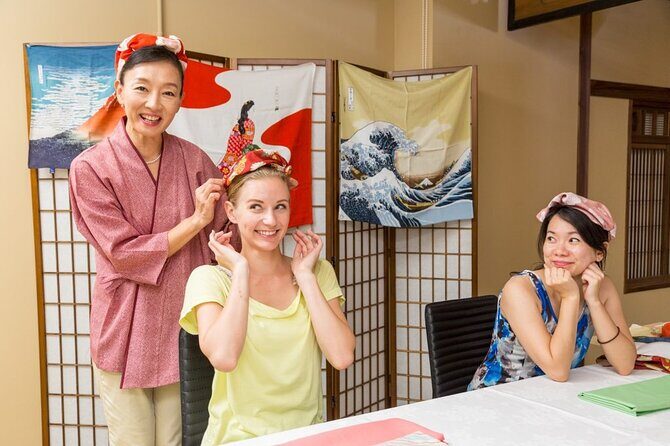
Furoshiki’s eco message isn’t presented as guilt. It’s woven into the craft itself: cloth wrapping is reusable by nature, and it encourages different habits around gifting and storage.
You’ll hear how the craft has eco significance in modern-day Japan, which helps you understand why people still use it instead of moving entirely to paper and plastic.
A good mental takeaway to carry home: furoshiki isn’t only about being eco. It’s also about being elegant and efficient. You’re learning a compact way to plan gifts and reuse materials without turning the process into a production.
If you enjoy arts that have a real-world function—like Japanese craft traditions that fit everyday routines—you’ll probably feel at ease here.
Who This Class Suits Best (And Who Might Skip It)
This workshop is a great fit if:
- you want a hands-on Tokyo activity that doesn’t require fancy drawing or prior skills
- you like crafts where the outcome is practical, not just decorative
- you want a different kind of cultural experience—learn a method you can keep using at home
- you’re traveling with someone who enjoys experimenting (it works well for shared making)
One practical consideration: because it covers multiple techniques, people who want extremely detailed, slow instruction might wish for a longer class. But for a first introduction, you’ll come away with enough to start practicing.
Also, remember you’ll be focused during the full session—so it’s less about sightseeing and more about creating.
Price and Value: What $77.26 Buys You
At $77.26 per person, this workshop competes well with other hands-on cultural activities in Tokyo. Here’s what you’re actually paying for:
- an instructor who’s described as nationally accredited
- guided learning of seven techniques (not just one wrap)
- a take-home cloth souvenir so the value extends beyond the class hour
- a structured workshop format with a capped group size (maximum 28 travelers)
- a mobile ticket setup that keeps your day simple
When you break it down, the take-home cloth and the multi-technique instruction are the core value drivers. If you only bought the experience for a single wrap, it might feel pricey. But you’re learning a system—folds, knots, and multiple practical outcomes.
So if you’ve ever wanted to get better at gift-giving while also reducing waste, this class offers a tidy, teachable path.
Getting There and Showing Up Without Stress
Your start point is Kikai Shinkō Kaikan in Minato, and the activity ends back at the same meeting location. The venue is described as near public transportation, which is what you want in Tokyo: fewer time sinks, less wandering with a tote bag full of plans.
You’ll also get confirmation within 48 hours (subject to availability), and the experience uses a mobile ticket. If you’re traveling with limited phone battery, save your ticket early.
Because transportation isn’t included and there’s no food or beverages, I suggest planning a quick snack or drink before you go and budgeting time to get there calmly. Don’t arrive in a rush and try to learn knots with sweaty hands—that’s how knots get character.
Booking Timing: When to Reserve
The experience is typically booked around 40 days in advance on average. That doesn’t mean you can’t get in later, but it does suggest you shouldn’t wait until the last minute if you’re traveling during a busy season or on a specific date.
If you’re flexible on dates, you’ll have an easier time. If you’re not flexible, booking earlier helps.
Should You Book This Furoshiki Workshop?
Book it if you want a useful craft lesson, a take-home item you’ll use, and a cultural connection that makes sense in everyday life. The workshop’s best feature is that it teaches a system: basic knots and folds, then builds to multiple practical techniques.
Skip it if you want a long, slow class where you can perfect one item, or if you’re looking for a primarily sightseeing experience. This is hands-on making, not an around-town tour.
If you like gifts with style—and you’d rather use cloth than buy paper every time—this is a solid Tokyo workshop choice.
FAQ
How long is the furoshiki cloth wrapping workshop?
It lasts about 1 hour 30 minutes.
What is the price per person?
The price is $77.26 per person.
What techniques will I learn?
You’ll learn seven furoshiki wrapping techniques, starting with basic folds and knots and building to more advanced methods.
Do I get to take something home?
Yes. You receive your own souvenir furoshiki cloth to practice after the workshop.
Is the instructor accredited?
Yes. A nationally accredited furoshiki instructor leads the workshop.
Is food included in the price?
No. Food and beverages are not included.
Where do I meet for the workshop?
You meet at Kikai Shinkō Kaikan, 3-chōme-5-8 Shibakōen, Minato City, Tokyo 105-0011, Japan.
How big is the group?
The workshop has a maximum of 28 travelers.
How do I receive my ticket?
The experience uses a mobile ticket.
When will I get confirmation after booking?
You’ll receive confirmation within 48 hours of booking, subject to availability.
Can I cancel for a full refund?
Yes. You can cancel for a full refund if you cancel at least 24 hours before the experience’s start time (local time).