REVIEW · CHUO CITY
Tokyo: Sushi Making with Pro Chef & Tsukiji Fish Market Tour
Book on GetYourGuide →Operated by Japan Wonder Travel · Bookable on GetYourGuide
Tokyo’s food culture hits fast here. This tour pairs a hands-on Tsukiji Fish Market orientation with a pro-led sushi class so you see ingredients, then handle them. I like that you get both the street-level market side and the real technique side, and I also like the small group pacing. The main catch is timing: if you’re late, the tour can’t be extended, and you’ll be rushing the class.
You’ll meet at the front gate of Tsukiji Honganji-Temple (not the back, even if Google Maps tries to steer you). From there, you’ll get a guided look at how sushi ingredients move through the system and how Japanese food culture explains what you’re eating and why. If you’re hoping for vegetarian or halal swaps, plan ahead because the workshop doesn’t accommodate those requests.
In This Review
- Key highlights worth waking up for
- Tsukiji begins at the front gate: Honanji Temple first
- Navigating Tsukiji: what you’ll learn while you walk
- From market fish to sushi logic: The Kitchen of Tokyo lesson
- Sushi workshop with a pro chef: what you’ll actually make
- What lunch includes, and what you should expect to taste
- Guides, small groups, and why this pricing works
- Timing and practical limits that can affect your day
- Who should book this sushi + Tsukiji combo
- Should you book? A decision guide
- FAQ
- Where do I meet for the tour?
- How long is the experience?
- Is the tour guide English-speaking?
- How big is the group?
- Is the fish market open every day?
- Can I request vegetarian, vegan, halal, or gluten-free options?
- What should I know about sushi toppings and allergies?
Key highlights worth waking up for
- Tsukiji orientation with a friendly guide so you know what you’re looking at, not just walking past it
- Seeing the pros at work and understanding where ingredients come from
- Sushi foundations at The Kitchen of Tokyo to connect food culture to technique
- A real sushi chef teaching step-by-step so your nigiri and maki come out better than you expect
- A small group (up to 8 people) that keeps questions from getting lost
Tsukiji begins at the front gate: Honanji Temple first
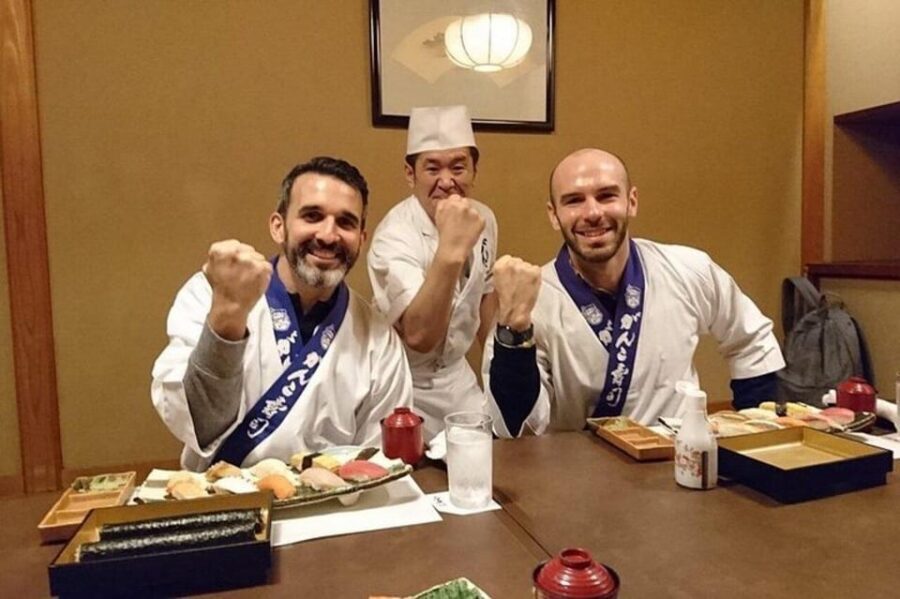
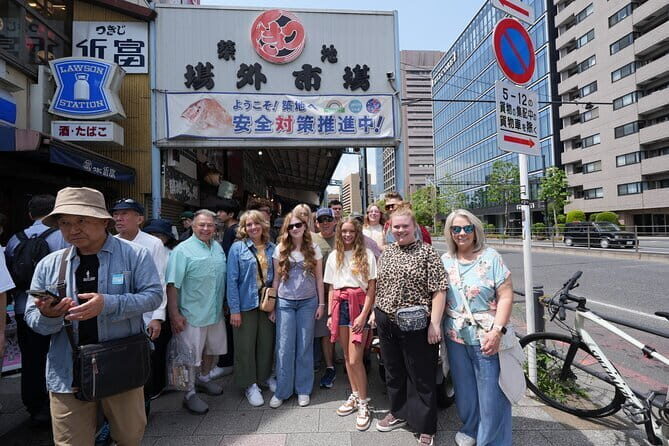
This is a “start local” kind of morning. Your meeting point is the main gate of Tsukiji Honganji-Temple, at the front of the temple. Google Maps may try to send you to the back—ignore it and go to the front. That matters because the walking route and the market timing are built around a specific flow.
Why I like this start: it gives you a quiet mental reset before the sights, sounds, and smells of the market. Even if you don’t consider yourself a temple person, it helps you understand the everyday structure of Tokyo: religion, work, food, and routines all sit close together.
Also, the tour guide sets expectations early. You’re not just told where to go. You’re told what to notice. That makes the market section feel less like random foot traffic and more like a lesson you can carry with you long after you leave.
You can also read our reviews of more shopping tours in Chuo City

Navigating Tsukiji: what you’ll learn while you walk
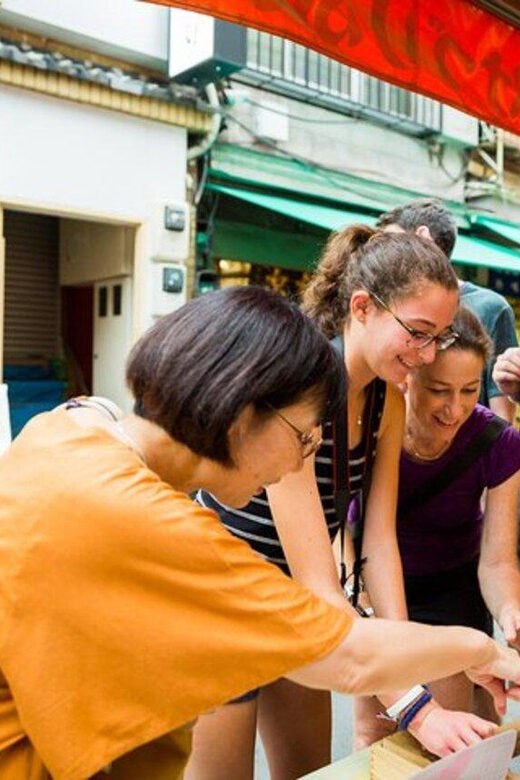
Once you’re moving through the Tsukiji Fish Market area, the guide focuses on the food chain, not just the drama of fish auctions. You’ll learn important elements of Japanese culinary culture, including the role of sushi and the way ingredients are treated as more than “just food.”
Here’s what tends to make this part worthwhile:
- You get a sense of what professionals do differently from home cooking.
- You learn what to ask, like where seafood is coming from and how markets shape quality.
- You get a sense of how local foodies historically found their way to great meals.
Another detail I appreciate: the pacing allows you to pause, look, and try some sampling. In past tours, participants have noted they could try unusual items like whale meat during the market segment. That kind of tasting won’t be for everyone, but it’s the sort of firsthand food context that makes Tsukiji more than a photo stop.
One practical note: the fish market is closed on Wednesdays, Sundays, and other closed market days. Check your travel dates before you lock in. Even if you still attend the tour, plan for the market conditions to be different on closure days.
From market fish to sushi logic: The Kitchen of Tokyo lesson
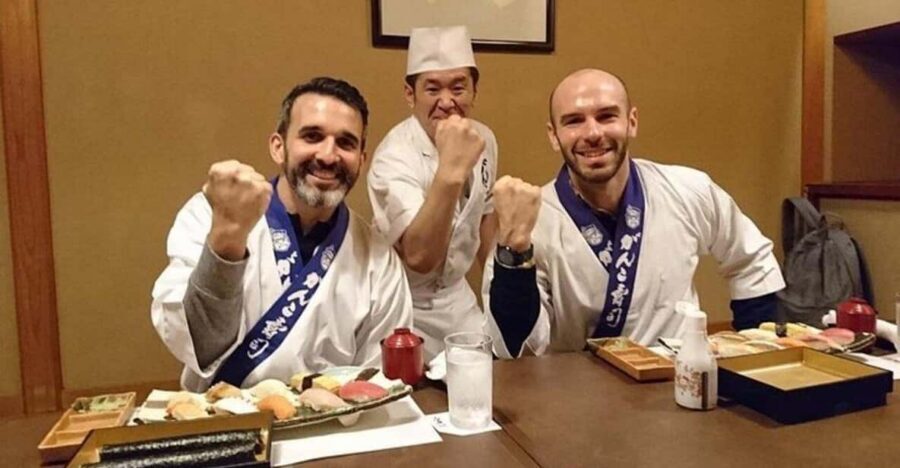
After the walking portion, the tour shifts from ingredients to meaning. This is where The Kitchen of Tokyo matters. You don’t just get a how-to. You get a foundation for why sushi is built the way it is.
Think of this segment as your translator. If you’ve ever eaten nigiri and wondered why the balance matters—rice texture, fish quality, seasoning, and how it all comes together—this helps connect those dots. The class framing is designed to show you sushi as a craft with rules, not a street food trick.
You’ll also get context that makes your own lunch feel less random. Instead of eating what you made and hoping for the best, you’ll understand what you were aiming for and why a chef cares about small choices.
Sushi workshop with a pro chef: what you’ll actually make
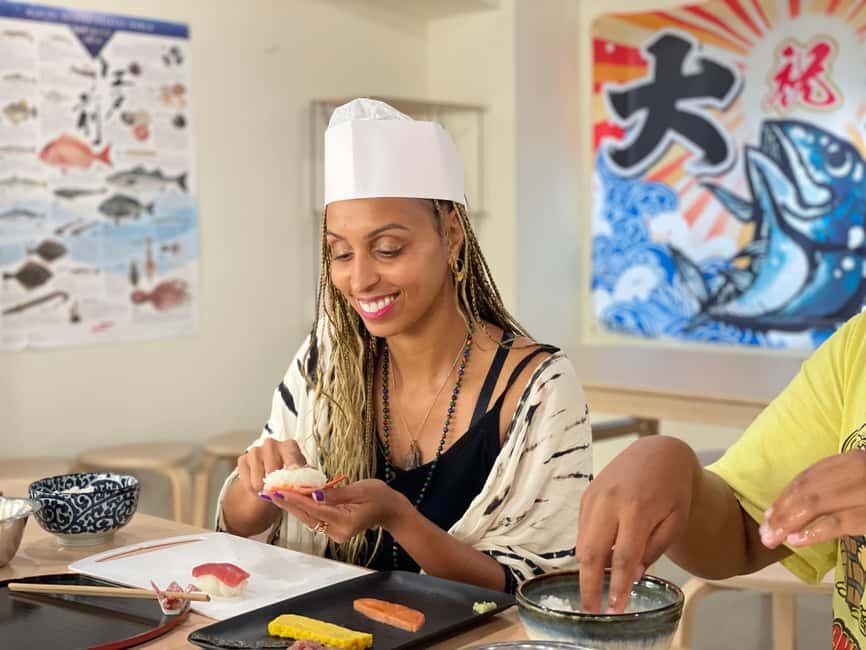
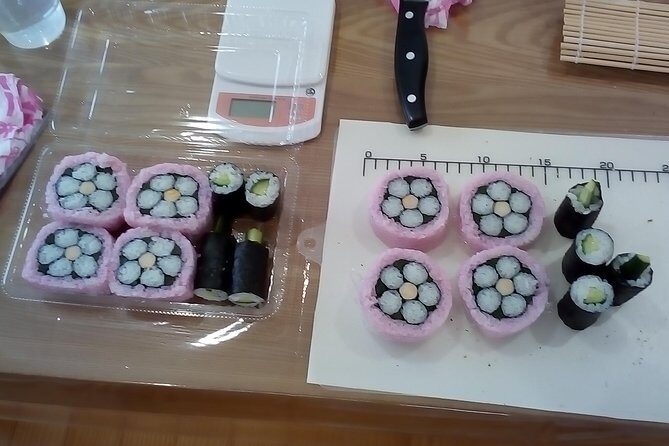
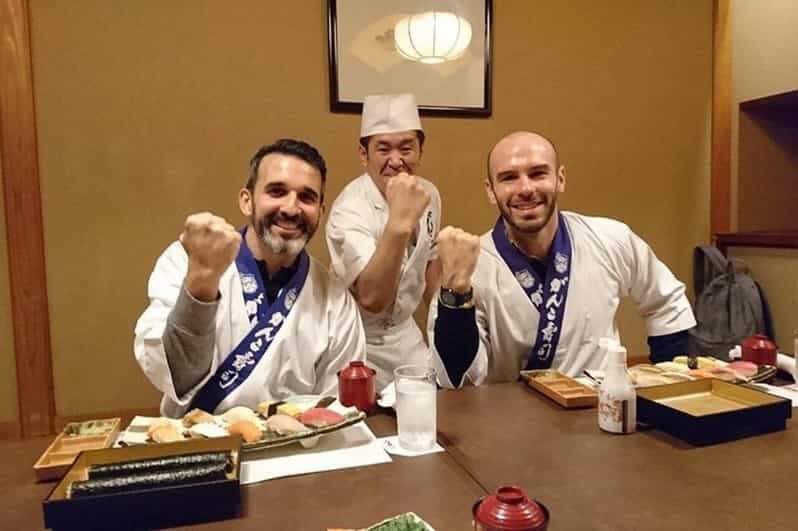
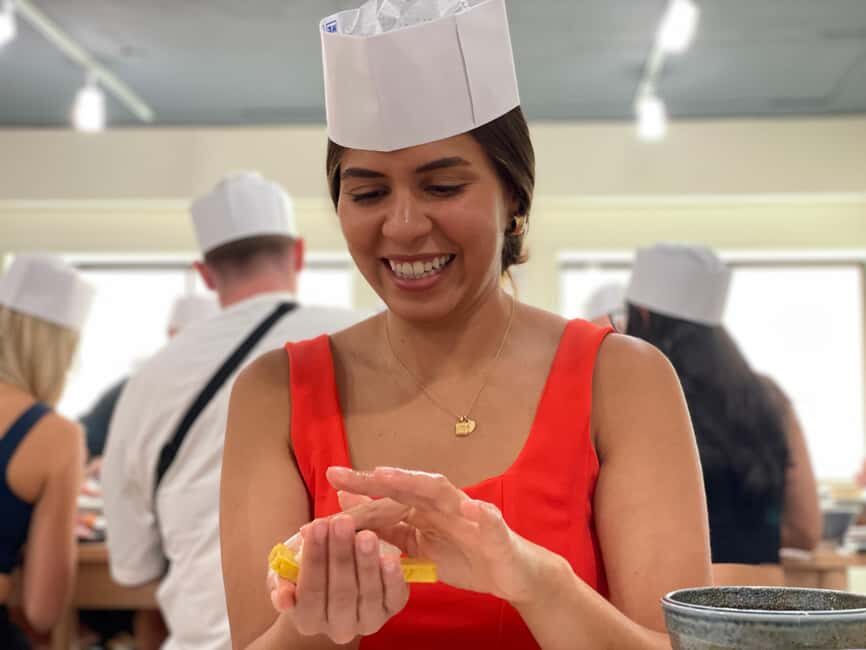
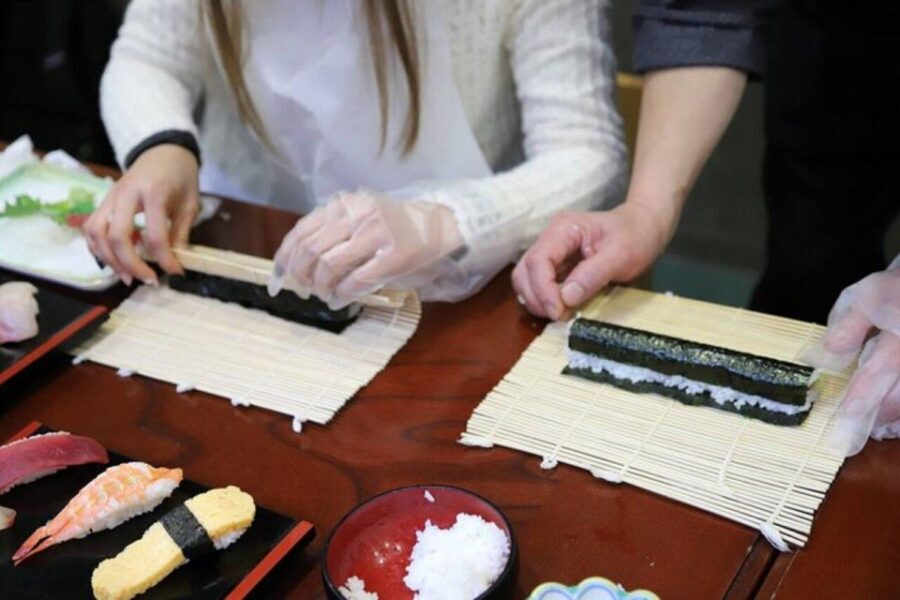
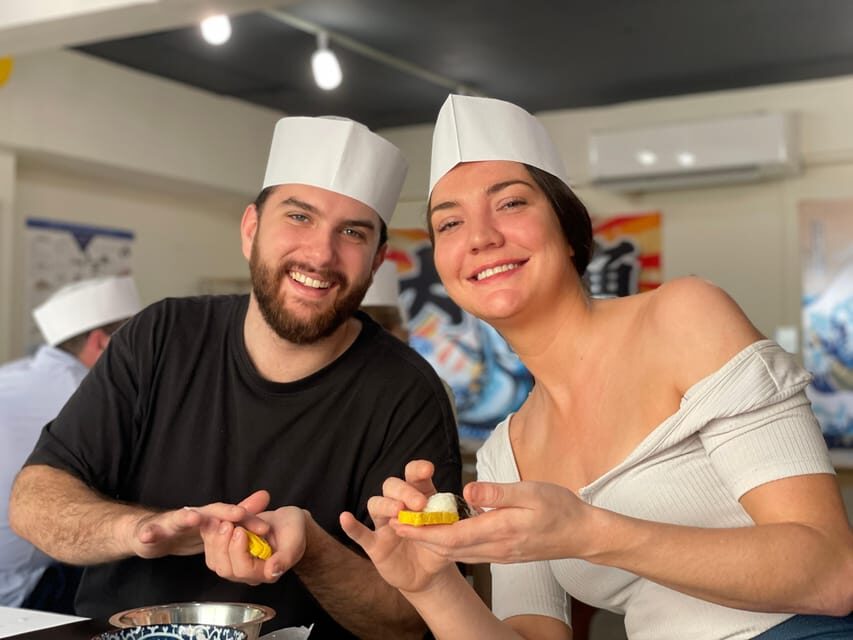
Now the fun part: the sushi workshop taught by a professional sushi chef. This isn’t a demo where you watch. You get step-by-step guidance and you make your own sushi.
From what you’re set up to do, you should expect a mix of classic forms, including nigiri and a maki roll. Several participants have described making around five pieces of nigiri plus a maki roll during the session. Even if your knife skills and rice-handling are rusty, the structure is there to help you succeed.
Here’s why the chef-led format is a real value add. A good sushi chef teaches technique that isn’t obvious from videos:
- how to handle fish with care
- how to build nigiri so it holds together
- how to approach rice so it behaves the way sushi expects
And yes, your sushi may look imperfect the first time. That’s normal. The point is getting the technique under your hands, not producing a flawless Instagram board on day one.
Also, the class is on the 3rd floor, so you’ll walk upstairs to the classroom. Comfortable shoes help here, and so does arriving early enough to avoid feeling rushed before you start.
What lunch includes, and what you should expect to taste
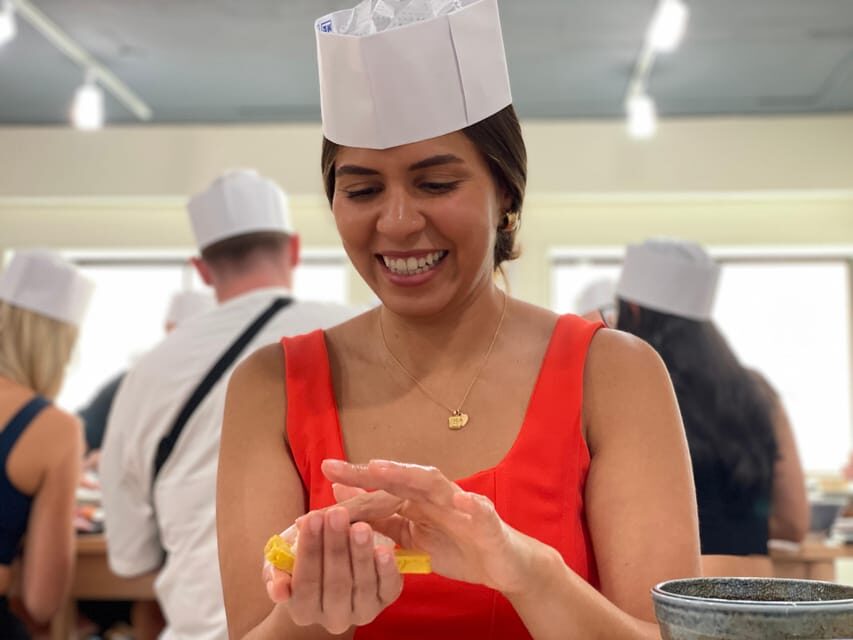
The tour includes lunch, and that lunch is the sushi you make in the workshop. So you’re not paying for an “experience” that ends before the food—your meal is part of the activity.
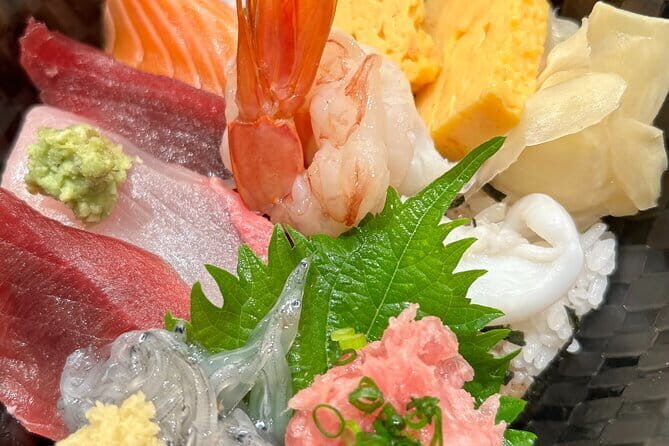
You’ll get fresh seafood made into classic sushi styles, and you’ll also have had earlier sampling during the market portion. That combination is what makes the whole thing click: you taste, you learn, then you cook with that context.
One more thing to know: sushi topping cannot be changed on the day of the event. If you have restrictions or allergies, you need to let the organizers know before 5:00 P.M. JST the day before your tour. If you show up with last-minute changes, you may be out of luck.
And if you’re hoping for vegetarian or vegan options, the honest answer is: this tour does not accommodate vegans or vegetarians, and it also doesn’t accommodate requests for halal or gluten-free.
Guides, small groups, and why this pricing works
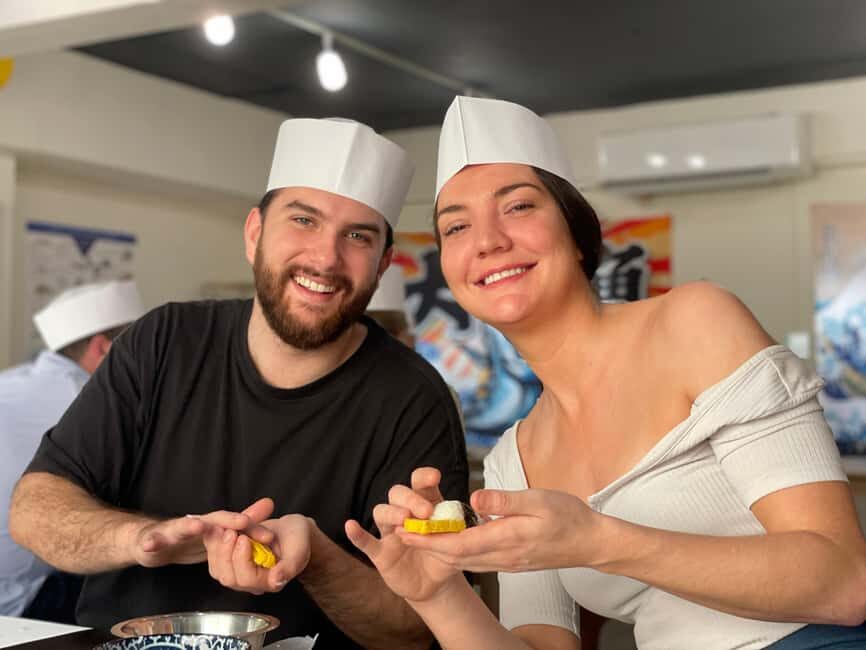
This experience costs $101 per person for a 4-hour outing. On paper, that sounds like “not cheap.” In practice, it’s closer to what you’d pay for two separate things: a specialist food tour plus a chef-led class with lunch included.
Here’s where the value comes from:
- The group is limited to 8 participants, which helps questions land and instructions stick.
- You’re not just learning sushi basics. You’re learning in the context of Tsukiji’s supply chain and professional work.
- Lunch is included, and it’s connected to what you made during the workshop.
The review score is 4.6 with 49 reviews, and the feedback patterns line up with what matters: people consistently highlight the guides’ professionalism, the market education, and the chef-led class.
You may meet different guide team members depending on the date. Names that have shown up in participant feedback include Kate, Yuko, Matsayo, Yusei, Take, and Tadashi. Across those accounts, a common theme is strong local knowledge and a friendly approach that keeps the experience moving at a comfortable pace.
Timing and practical limits that can affect your day
A great tour can be spoiled by one thing: being late. The tour notes say if you arrive late, it cannot be extended. That matters because you’ll be walking from the temple, then through the market, then up to the classroom.
Other practical constraints to respect:
- The fish market has closure days (Wednesdays, Sundays, and others).
- The classroom is on the 3rd floor.
- Your sushi topping choice isn’t flexible on the day.
- If you’re traveling with kids: infants and toddlers are free, but if they want to make sushi, they won’t get their own sushi kit.
- This isn’t suitable for wheelchair users or people with mobility impairments.
I’d also plan your expectations around dietary fit. This is a seafood-forward experience, and the workshop can’t pivot to major diet categories like vegetarian, vegan, or halal.
Who should book this sushi + Tsukiji combo
I think this tour is ideal if you want two things at once:
1) you like food details and want the “why” behind what you’re eating
2) you want to do an activity that produces a real result, not just a meal
It’s also a strong pick for first-timers to Japan who feel overwhelmed by Tokyo food. Seeing the market first helps you understand what sushi is built from. Then you make it, which cements the learning.
It’s less suitable if:
- you need vegetarian/vegan/halal/gluten-free accommodations (not offered)
- you want a low-walking morning or have mobility constraints
- you’re allergic and need last-minute changes (you must notify in advance)
Should you book? A decision guide
Book this tour if you want sushi that comes with context. I’d especially recommend it if you’ve tried sushi before but never learned how rice, fish, and technique fit together. The combo of Tsukiji market learning plus chef instruction tends to give you the full picture in one shot.
Skip it or choose carefully if your diet is heavily restricted or if your travel day is messy. The timing is real. Arriving late isn’t a small issue here. And on days when the market is closed, you should expect the market experience to be affected by the normal schedule.
If you’re comfortable walking, arriving on time, and eating seafood sushi, this is the kind of Tokyo activity that turns a famous place into a skill and a story you can actually use.
FAQ
Where do I meet for the tour?
Meet at the main gate of Tsukiji Honganji-Temple at the front of the temple. If you use Google Maps, it may send you to the back—ignore that and go to the front.
How long is the experience?
The tour runs for 4 hours. You can check availability to see the starting times.
Is the tour guide English-speaking?
Yes. The live guide speaks English.
How big is the group?
The group is small, limited to 8 participants.
Is the fish market open every day?
No. The fish market (Uogashi wholesaler market) is closed on Wednesdays, Sundays, and other closed market days.
Can I request vegetarian, vegan, halal, or gluten-free options?
No. The tour does not accommodate vegetarian, vegan, halal, or gluten-free requests. Allergy-related requests may be possible, but it may not always be achievable.
What should I know about sushi toppings and allergies?
Sushi topping cannot be changed on the day. If you have restrictions or allergies, you need to let them know before 5:00 P.M. JST on the day before your tour.