REVIEW · KYOTO
Kyoto: Kimono Tea Ceremony with Matcha and Sweet
Book on GetYourGuide →Operated by GLOBA Inc. · Bookable on GetYourGuide
Kimono, matcha, and calm in Kyoto. You choose your kimono, step into a traditional tea setting, and learn the etiquette and Zen values behind the ritual before making your own bowl of matcha.
I love the hands-on structure and the way the hosts slow things down for real understanding, with warm guidance from tea hosts like Maki and Megumi. I also like that the experience is truly all-in: kimono dressing, a tea master-led ceremony, and your own matcha and sweets, with full English support.
One consideration: the session starts immediately with kimono dressing, and the fitting can feel pretty efficient—so if you care about makeup timing, plan for a quick changeover.
In This Review
- Key things that make this Kyoto session worth your time
- Where the Kyoto Tea Ceremony Fits Into Your Day (and Your Energy)
- Kimono Dressing First: Choose the Look, Then Let the Staff Handle It
- Inside the Tea Room: Tatami, Tools, and the Zen Framework
- The Part You’ll Actually Do: Whisk Premium Matcha Your Way
- Wagashi Sweets: Seasonal Japanese Flavor, Not Just a Side Snack
- Price and Value: Why $66 Can Make Sense in Kyoto
- Who This Kyoto Tea Ceremony Is For (and Who Might Want a Different Option)
- Photo Time Without Losing the Meaning
- Should You Book This Kyoto Kimono Tea Ceremony?
- FAQ
- How long is the Kyoto kimono tea ceremony experience?
- What’s included in the price?
- Is transportation to and from the venue included?
- Is there English guidance?
- Do I have to sit on tatami mats?
- Can children participate?
- How many people are in the group?
- Do the wagashi sweets change?
- Can I cancel for a full refund?
- Is there a reserve and pay later option?
Key things that make this Kyoto session worth your time
- Kimono dressing is part of the ritual, not a photo add-on
- Full English guidance keeps the etiquette and meaning clear
- Tatami is standard, with chairs available by request (including bamboo chairs)
- You make matcha yourself using premium powder, not just watch
- Seasonal wagashi means the sweets are different each time
- Small group format runs about 12–14 participants, so you get attention
Where the Kyoto Tea Ceremony Fits Into Your Day (and Your Energy)
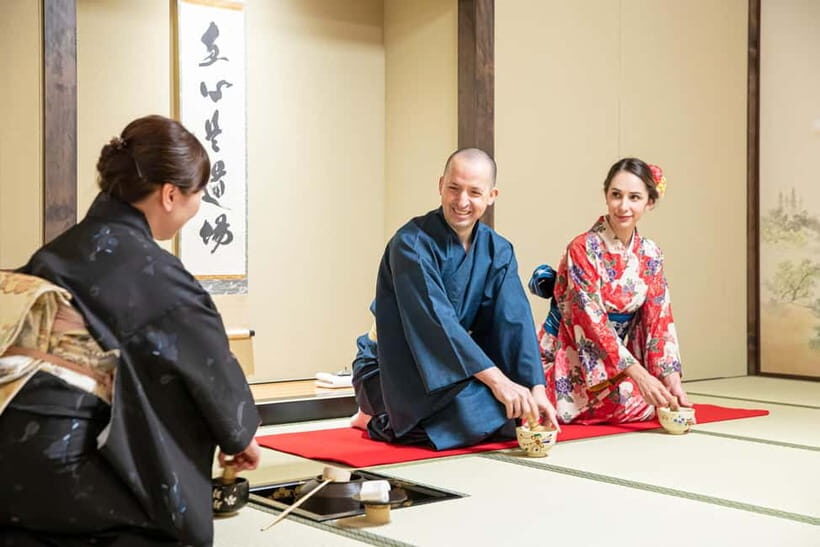
This experience is set in Kyoto on Honshu, and it runs about 90 minutes in the schedule. The actual ceremony may run closer to 90–120 minutes, mainly because the kimono part takes time and the tea steps are taught carefully.
I like the timing because it works as a morning or early afternoon reset. Kyoto is a lot—temples, neighborhoods, crowds, and walking. This gives you a structured block of quieter focus. You’ll start with dressing, then move into the tea room, then finish with matcha-making and sweets.
A smart planning move: treat this like a full ritual window, not something to squeeze between tight sightseeing plans. If you’re staying central, it’s easy to pair with temples afterward, but don’t stack back-to-back activities immediately before or after unless you’re comfortable with a bit of scheduling wiggle room.
You can also read our reviews of more tours and experiences in Kyoto.


Kimono Dressing First: Choose the Look, Then Let the Staff Handle It
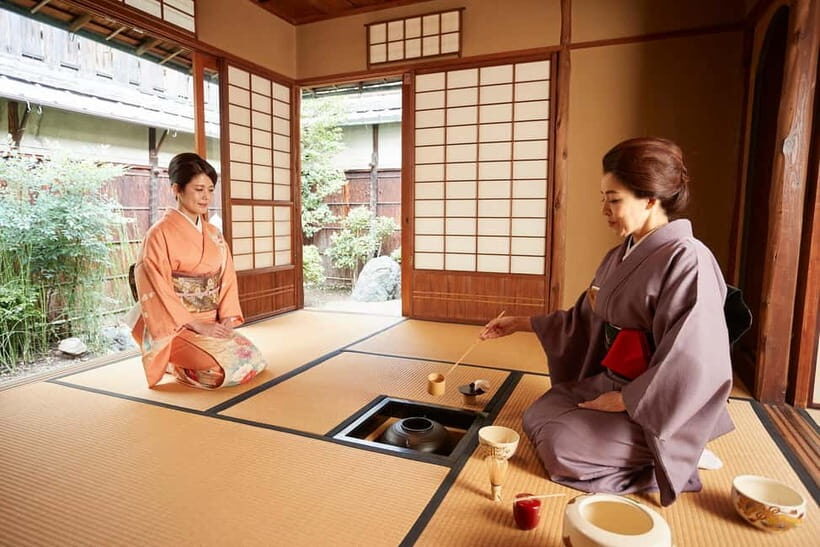
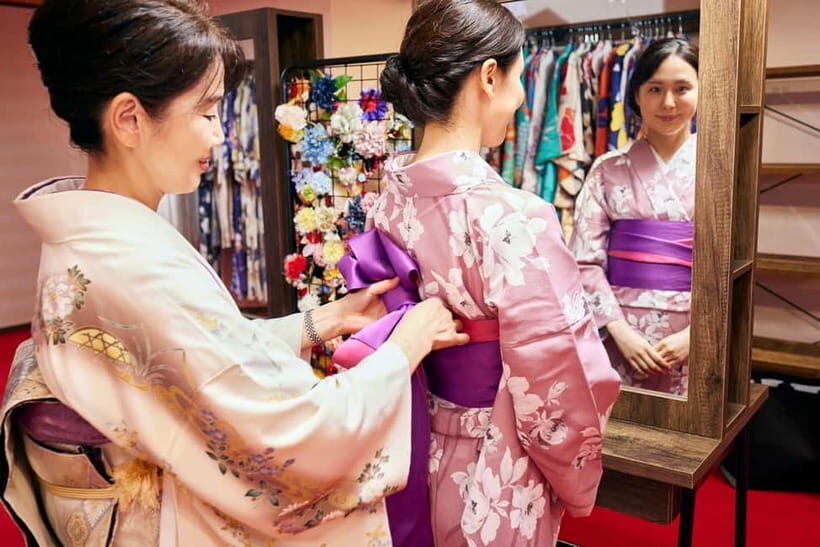
Kimono dressing happens at the start, and it’s not casual. You select a kimono, and staff help you get dressed properly so the fit looks right for photos and for the ceremony.
For women with long hair, hair styling is included—but only for long hair. If your hair is shorter, you’ll still get kimono assistance, but you may want to plan your own styling expectations. You also get kimono socks as part of the overall included experience (a small detail, but it helps you feel more complete once you’re changed).
Here’s why I think this matters: wearing a kimono changes how you move and sit. That’s the point. It turns the tea ceremony from something you observe into something you physically participate in. And yes, the dressing time is also when your photos happen. Several people highlight that having kimono photos before and after is a big part of why the experience feels memorable.
Practical tip: don’t arrive frantic. If you want to look your best, do your basics before you go, because once you’re in the kimono, you’ll want to focus on the moment, not on troubleshooting your look.
Inside the Tea Room: Tatami, Tools, and the Zen Framework
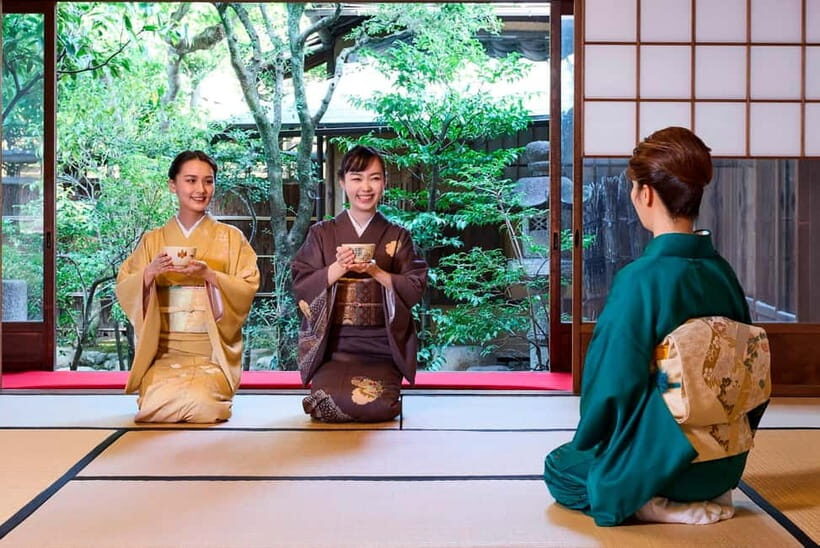
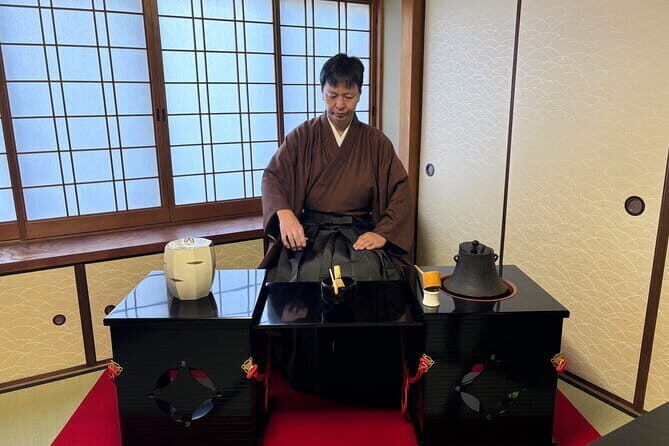
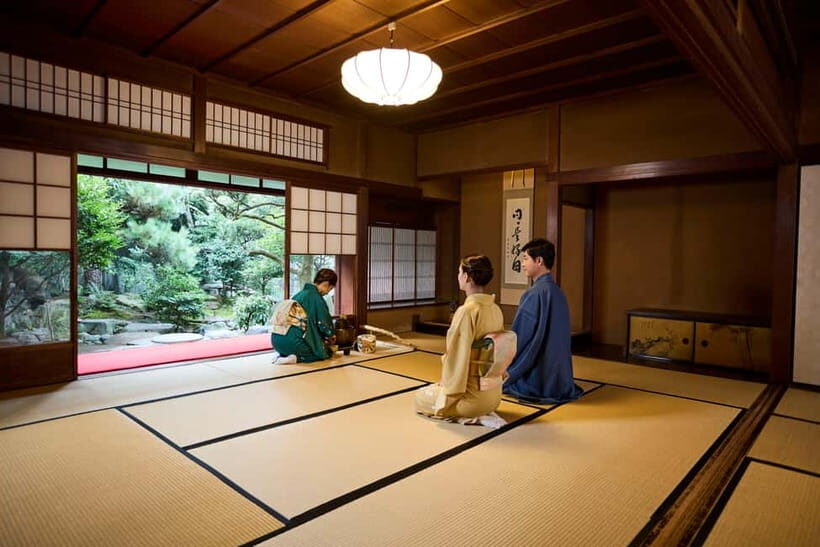
After dressing, you’ll move into a traditional tea room where utensils and tools are arranged for the ritual. Sitting on tatami mats is customary, but you don’t have to force your body into discomfort. Wooden chairs are available upon request, and bamboo chairs can also be requested in advance if you’d rather not sit on tatami.
This is a real quality-of-life detail. Tea etiquette includes how you sit, how you handle objects, and where your attention goes. If you’re squirming, it’s harder to settle into the ceremony. So if tatami is a problem for you, request your chair early.
The tea master guides you through the process step-by-step and explains:
- the history and meaning behind tea ceremony traditions
- the tools and how they’re used
- the etiquette and timing of each movement
Throughout, the staff connect the ritual to Zen principles: Wa (harmony), Kei (respect), Sei (purity), and Jaku (tranquility). You don’t just hear the words. The values show up in how the room is handled, how movements are taught, and how the atmosphere is kept calm.
One more thing I appreciate: the group size is usually about 12–14 people. That’s large enough that you’re not alone, but small enough that you’re not lost in the crowd. You’re more likely to ask questions and get responses at a human pace.
The Part You’ll Actually Do: Whisk Premium Matcha Your Way
The hands-on highlight is making your own matcha. After watching the proper steps, you’ll prepare a bowl using high-quality matcha powder.
This matters more than people expect. Watching a demonstration is nice. But learning the rhythm—how to whisk, how to form the right foam, and how to treat the bowl and utensils with care—turns the experience into something you can carry home. And it’s easier to understand the meaning of purity and respect when you’re physically handling the tools.
If you love food experiences, this is the moment where you’ll feel the training click. Several guests talk about how their matcha came out frothy and creamy, which tells me the process is taught in a way that helps beginners get good results.
You’ll also taste the tea as part of the ceremony flow, and you’ll see how matcha isn’t treated like a quick drink. It’s part of a sequence with sweets and attention.
Wagashi Sweets: Seasonal Japanese Flavor, Not Just a Side Snack
You’re served traditional Japanese sweets called wagashi during the ceremony. The big detail here is that the wagashi change with the seasons—flavor, color, and even design.
That seasonal shift is what makes the tea ceremony feel time-specific. You’re not just doing a generic cultural activity. You’re stepping into a moment that reflects what’s going on in Japan at that time of year. It’s also another way the staff teach meaning: the sweets don’t arrive randomly. They fit the pacing and the theme of the ritual.
If you like Japan’s food culture, wagashi is where you can really see craftsmanship. Even if you aren’t a sweets person, it’s worth trying because it’s served with the ceremony’s calm attention, not as an afterthought.



Price and Value: Why $66 Can Make Sense in Kyoto
At $66 per person, you’re paying for more than tea. The value is in the package:
- kimono dressing
- a tea ceremony led by a tea master
- hands-on matcha preparation
- Japanese sweets (wagashi)
- bilingual staff assistance
- hair styling for women with long hair
Also, this session is timed to be focused. Ninety minutes in the schedule is long enough for a real lesson, but not so long you feel stuck. That’s important in Kyoto, where transport and waiting time can quietly eat your day.
What’s not included is transportation to and from the venue. That’s normal for activities like this, but it’s worth planning around so you aren’t rushed. If you’re already moving around Kyoto that day, the cost feels more reasonable because you’re not paying for travel time in addition to the experience.
To me, this price works best if you want an authentic cultural moment with instruction—not just a selfie-and-souvenir activity. If you’re trying to only rent a kimono for photos, you might find cheaper options. But if you want the ritual and the meaning, the $66 is tied to real teaching and real participation.
Who This Kyoto Tea Ceremony Is For (and Who Might Want a Different Option)
This experience is a great fit if you:
- want a calm, structured cultural activity in Kyoto
- enjoy food experiences and want to learn the process, not just taste
- like mindfulness-style lessons (the Wa, Kei, Sei, Jaku values are central)
- want a small-group vibe with English guidance
It’s not suitable for children under 7. So for families, it’s either a no-go for younger kids or a wait-until-eligible situation.
Also consider your comfort with seating. Tatami is customary, and while chairs are available by request (including bamboo chairs via advance request), you should think ahead. If sitting on tatami isn’t comfortable for you, request a chair early so the session starts smoothly.
Photo Time Without Losing the Meaning
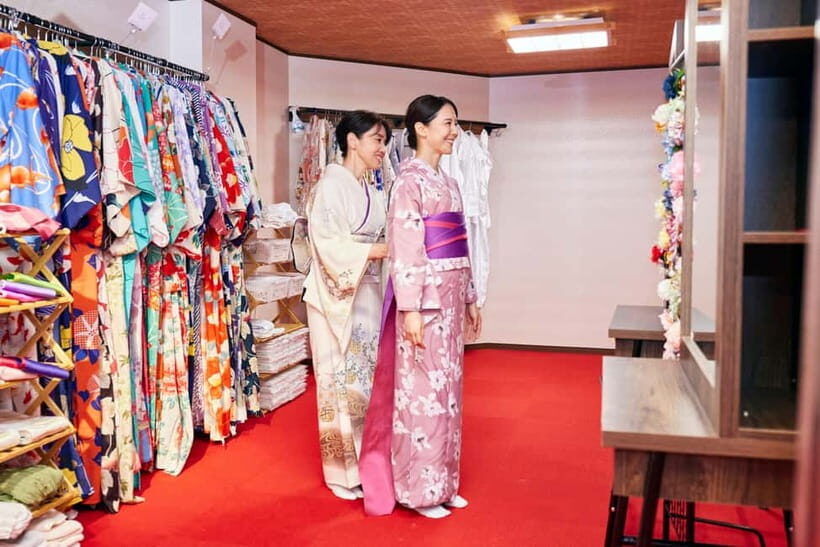
Kimono experiences can sometimes turn into a photo sprint. Here, the vibe is different. People specifically mention enjoying time for photos with the kimono before and after the ceremony, while still getting a real tea lesson.
I recommend you use photos as a break, not as your main event. The ceremony is where the value lives: the etiquette, the explanations, and the matcha you make yourself. If you treat the photos as a short moment, you’ll leave feeling like you did something genuine—not just dressed up.
If you’re someone who loves documenting trips, you’ll have plenty of chances to capture your look. Just keep your attention gentle during the ritual itself. The tea process moves at a human tempo, and rushing it ruins the point.
Should You Book This Kyoto Kimono Tea Ceremony?
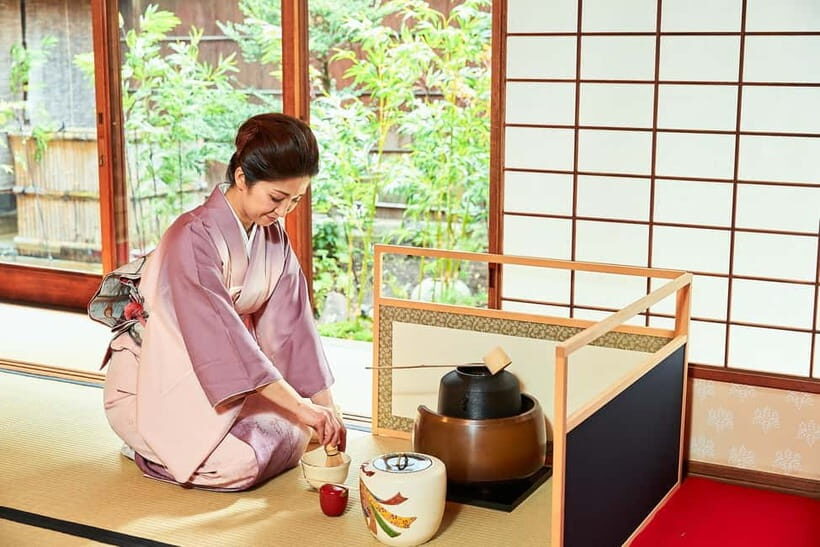
Book it if you want a hands-on, well-explained tea ritual that includes kimono dressing, premium matcha whisking, and seasonal wagashi—delivered in English and guided by a tea master in a calm room.
Skip it (or choose something else) if you mainly want to rent a kimono for long stretches of free wandering, or if you’re very sensitive about quick start times because dressing happens first and the fitting can feel efficient.
If you’re undecided, think about this: in Kyoto, you’ll see a lot of culture from the outside. This is culture from the inside—through your body, your attention, and your own matcha bowl.
FAQ
How long is the Kyoto kimono tea ceremony experience?
The experience is scheduled for 90 minutes, and the tea ceremony itself lasts approximately 90–120 minutes.
What’s included in the price?
Included are kimono dressing, a traditional tea ceremony led by a tea master, hands-on matcha tea preparation, Japanese sweets (wagashi), bilingual staff assistance, and hair styling for women with long hair only.
Is transportation to and from the venue included?
No. Transportation to and from the venue is not included.
Is there English guidance?
Yes. The instruction is in English.
Do I have to sit on tatami mats?
Tatami mats are customary, but wooden chairs are available upon request. Bamboo chairs are also available upon advance request.
Can children participate?
Children under 7 are not allowed.
How many people are in the group?
Your session typically has about 12–14 participants.
Do the wagashi sweets change?
Yes. The wagashi change with the seasons in flavor, color, and design.
Can I cancel for a full refund?
You can cancel up to 24 hours in advance for a full refund.
Is there a reserve and pay later option?
Yes. You can reserve now and pay later.