REVIEW · KYOTO
Private Tea Ceremony and Sake Tasting in Kyoto Samurai House
Book on Viator →Operated by KyotoSamuraiHouse · Bookable on Viator
Tea in a samurai house feels different. This private Kyoto experience happens inside a 300-year-old samurai residence, where you and your group get the calm of a traditional tea room without the crowd pressure. You’ll taste organic Kyoto Uji matcha, then add a follow-up activity like sake or Japanese whisky, plus photo time in authentic outfits.
Two things I really liked: the ceremony itself is taught in a way that makes you slow down and pay attention, and it’s private enough that you can ask questions instead of watching from the side. I also love that the experience gives you a clear choice after the tea—either hands-on matcha whisking or a tasting path (sake or whisky), not a one-size-fits-all script.
One thing to plan around: if you want to wear kimono during the ceremony, it takes extra time and costs extra (and availability is limited), so make sure that fits your schedule and budget.
In This Review
- Key Highlights You’ll Actually Feel
- Kyoto Samurai House: A Quiet Step Back in Time
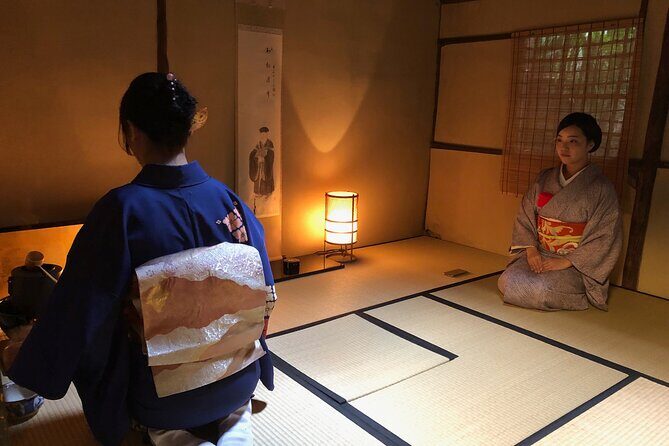
- The Tea Ceremony: Matcha, Manners, and Calm on Purpose
- Your After-Tea Choice: Whisk Matcha or Taste Sake and Whisky
- Kimono and Katana Photos Without the Goofiness
- The Sake and Whisky Part: Small Shots, Big Explanations
- Price, Timing, and Logistics Near Kyoto Station
- Who Should Book This (and Who Might Want to Skip)
- Bottom Line: Should You Book?
- FAQ
- How long is the Private Tea Ceremony and Sake Tasting?
- Is this experience private, and is there a minimum group size?
- If I’m over 20, can I do matcha whisking, sake, and whisky all together?
- What if I’m under 20 years old?
- Can I take photos, and do I get to wear kimono or use a katana?
- Is there a restroom at the Kyoto Samurai House?
- Is the tour suitable for guests over 120 kg?
Key Highlights You’ll Actually Feel
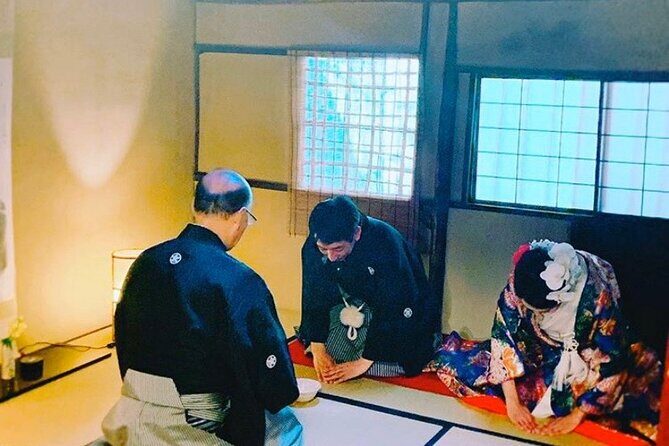
- A real 300-year samurai residence, booked as a private experience
- Ceremony in a traditional tea room with high-grade organic matcha from Kyoto Uji
- Pick one hands-on or tasting option for age 20+ (matcha whisking, sake shots, or whisky shots)
- Photo session with kimono and katana props that stays respectful and story-focused
- Short walk from Kyoto Station, about 8 minutes, so it’s easy to slot in
- Family-style hosting and English support, with lots of room for questions
Kyoto Samurai House: A Quiet Step Back in Time
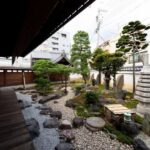
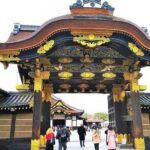
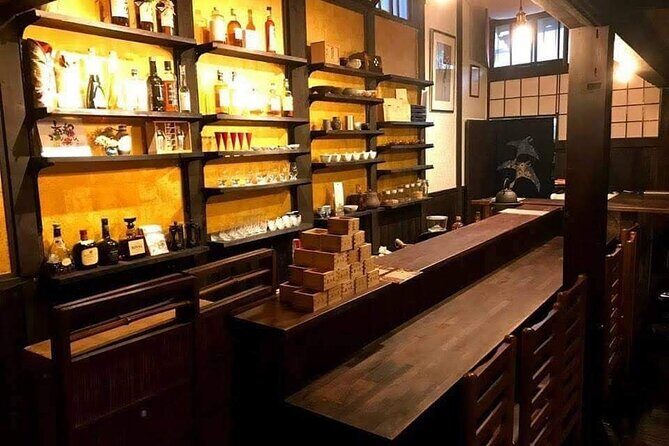
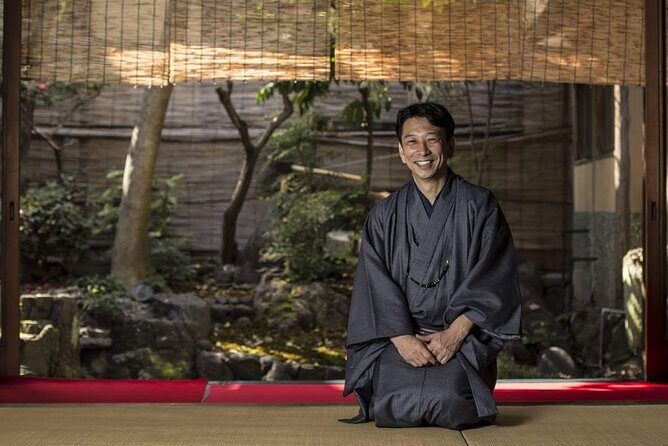
The first surprise is how “real” it feels. Kyoto can be loud and fast, but this experience is set in a samurai house that’s been in the family for 300-plus years, and your group gets the space to yourselves during the activity.
The setting matters because it changes the mood of the tea ceremony. Tea is already about attention and restraint, but doing it in an old residence makes those ideas physical. You’re not just learning a routine—you’re entering the slower rhythm that the tea ceremony is designed to cultivate.
Another practical win: the location is easy. It’s around an 8-minute walk from Kyoto Station, so you’re not spending your whole day fighting transit. You also meet at Kyoto Samurai House at 384 Mongakuchō, Shimogyo Ward, Kyoto (600-8222), and you finish back near where you started.
You can also read our reviews of more food & drink experiences in Kyoto
The Tea Ceremony: Matcha, Manners, and Calm on Purpose
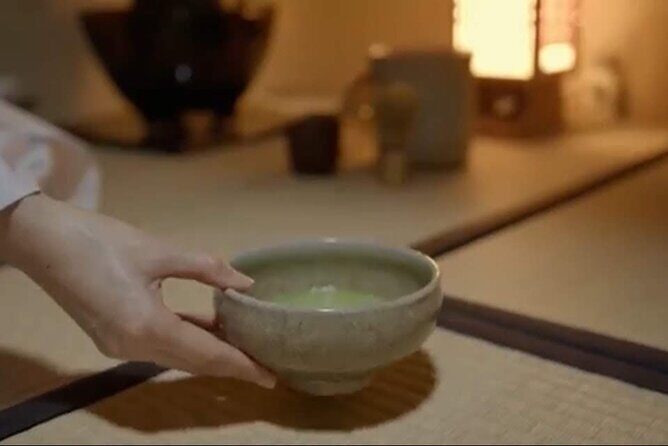
Your visit starts with guidance and orientation for how to approach the ceremony. Even if you’ve never done matcha before, the instruction is set up so you understand not only what to do, but why the ceremony uses each step.
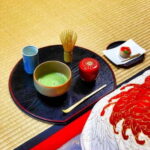
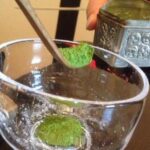
The matcha itself is a big part of the experience. You’ll be served high-grade organic matcha from Kyoto Uji, and that quality shows up right away in taste and color. Uji matcha has a reputation for good reason, and using it in a proper tea setting makes the flavors feel cleaner and more “complete” than matcha you might grab elsewhere.
In terms of teaching style, the hosts bring warmth and conversation. Many people mention that the tea master and hosts explain things clearly, and you’re encouraged to ask questions. That’s a key advantage of a private setup: you can pause, clarify, and actually connect what you’re doing with what you’re learning.
Your After-Tea Choice: Whisk Matcha or Taste Sake and Whisky
The experience doesn’t try to pack everything into one blanket plan. For guests over 20, you choose one option among:
- Make your own matcha with a bamboo whisk
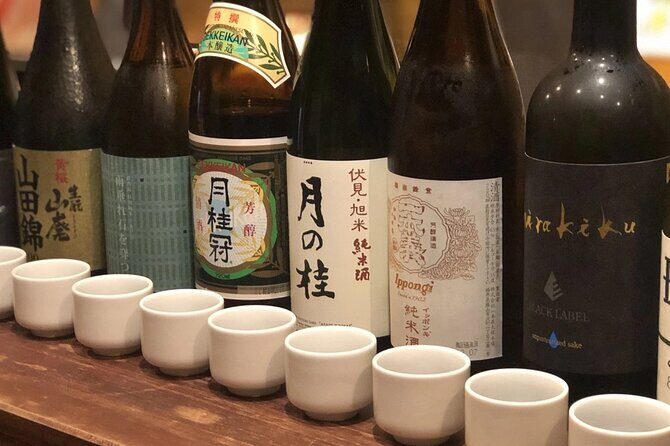
- Take part in a sake tasting (5 shots)
- Do a Japanese whisky tasting (2 shots)
That choice is where the value really shows. If your goal is craft and ritual, you lean into whisking. If you’re more curious about Japanese drinks and flavors, you go with sake or whisky. Either way, you get a guided experience rather than random sampling.
For guests under 20, alcohol isn’t part of the plan. Instead, you’ll get a matcha whisking lesson after the tea ceremony. So the ceremony remains the centerpiece, and the “hands-on” moment still happens—just in a kid-friendly, non-alcohol direction.
One practical tip: if you’re debating between matcha whisking and alcohol, think about how you want to spend your best part of the evening. Tea and whisking tends to feel slower and more meditative. Sake and whisky tastes like education meets enjoyment, and it can be a fun contrast to the quiet tea room.
Kimono and Katana Photos Without the Goofiness
Yes, there are photos. And yes, there are authentic outfit moments. But the way it’s handled is less about turning it into a costume and more about celebrating the cultural look for a short, focused photo session.
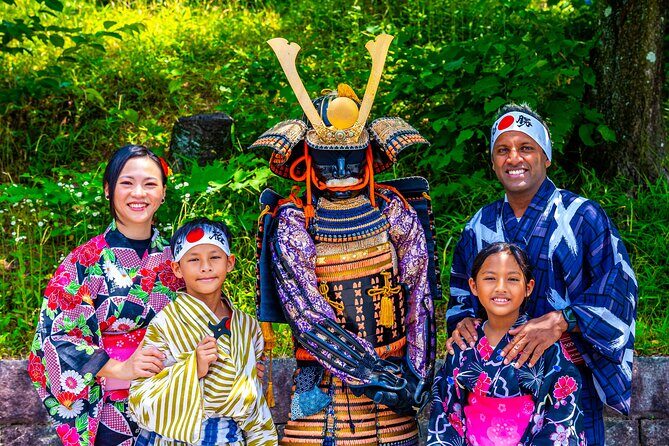
You can take photos while wearing traditional silk wedding kimono (for women) and using samurai katana props. Multiple people specifically call out how they got great pictures in the house setting, and they treated it as a respectful memory rather than something to wear around town.
Here’s the timing detail you should know: if you want to wear kimono during the tea ceremony itself, that adds 30 minutes and an extra cost, and it’s limited. If you want outfit time, decide early which format you prefer:
- Ceremony plus outfits within the main time (costs more, takes longer)
- Outfit and photo time after the ceremony (fits more easily into your schedule)
Also, don’t show up with zero restroom planning. Since the residence is old, there’s only one old toilet on site. If you can, use the restroom before you arrive. It keeps the ceremony from becoming a rushed scramble.
Finally, if you’re traveling as a family, this is one of those rare experiences that feels welcoming. People describe kids being accommodated and even given playful touches during the experience, which helps the whole group enjoy themselves rather than feel like the ceremony is off-limits.
The Sake and Whisky Part: Small Shots, Big Explanations
The tasting feels like a natural extension of the tea ceremony. You’ve spent time learning about Japanese craft and ritual through matcha, and then you get a guided look at alcohol flavors through sake or whisky.
If you choose sake, it’s 5 shots with explanations of differences in taste. People highlight that the host makes this part approachable and conversational, so you’re not left staring at tiny cups wondering what you’re supposed to notice.
If you choose whisky, it’s 2 shots. Some folks even mention trying a more special bottle during their session, but the key point for you is that the tasting is presented with context, not just poured and forgotten.
Either way, this is a good option for evenings when you want culture plus a little reward. The tasting brings energy right after the calm of tea, so the whole 50-minute block feels balanced instead of overly solemn.
You can also read our reviews of more private tours in Kyoto



Price, Timing, and Logistics Near Kyoto Station
Let’s talk money in a realistic way. At $99 for about 50 minutes, this is not a cheap add-on. But you’re paying for a few things that many group tea experiences don’t provide:
- a private booking (your group only)
- a 300-year-old samurai house setting
- a guided tea ceremony plus a hands-on or tasting follow-up
- optional outfit-and-photo moments with kimono and katana props
If you’re traveling as a couple, $99 can feel especially fair because the experience scale stays personal. You’re not “sharing attention” with strangers, and the teaching time stretches across your group.
Timing is also workable. Since it’s about an 8-minute walk from Kyoto Station, you can pair it with other plans without committing to a long detour. The meeting point is Kyoto Samurai House, and the activity ends back at the meeting point, which helps you plan the rest of your day.
A final booking reality check: the experience is non-refundable and can’t be changed for any reason. So lock in your time slot only when you’re fairly certain your Kyoto plan won’t shift.
Who Should Book This (and Who Might Want to Skip)
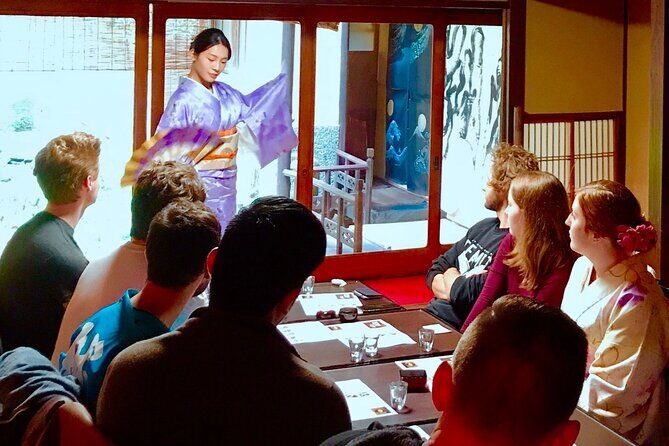
This is a great pick if you want one of the more “Japan-specific” experiences in Kyoto—something tied to craft, ritual, and a real place. I’d especially recommend it for:
- couples who want a calm, memorable activity that doesn’t feel like a factory tour
- adults who like hands-on lessons and guided tastings
- families looking for a cultural experience that still feels fun, especially for kids
It’s also a good choice if you hate crowds. Because it’s private, the whole pace stays comfortable.
Two caution notes. First, kimono during the ceremony adds time and cost, and it’s limited—so decide what matters most to you. Second, if you’re over 120 kg, the experience is not recommended. That’s based on the property and the way it’s set up, so it’s worth respecting this before you go.
Bottom Line: Should You Book?
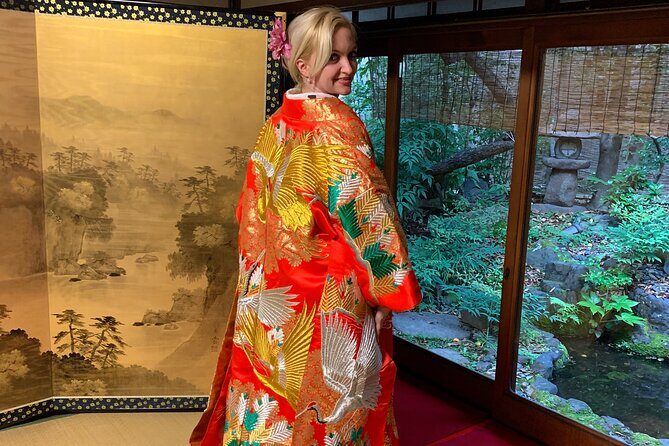
If you’re aiming for authentic culture with a sense of calm, I think this booking makes sense. You get the tea ceremony in a real historic samurai home, organic Uji matcha, and a thoughtful follow-up choice that includes either hands-on whisking or a guided sake/whisky tasting. Add in the kimono and katana photo time, and you end up with memories that feel specific to Kyoto instead of generic.
Where it might not fit is if you’re trying to do everything on a tight schedule or you’re hoping to squeeze in the kimono ceremony option without extra cost. Still, if you plan your time and choose the activity path that excites you, this is the kind of Kyoto experience you’ll remember when the rest of your itinerary fades.
FAQ
How long is the Private Tea Ceremony and Sake Tasting?
It runs about 50 minutes.
Is this experience private, and is there a minimum group size?
Yes. It’s a private tour/activity where only your group participates, and there is a minimum of 2 people.
If I’m over 20, can I do matcha whisking, sake, and whisky all together?
No. For guests over 20, you choose one from these options: matcha whisking, sake tasting (5 shots), or Japanese whisky tasting (2 shots).
What if I’m under 20 years old?
For guests under 20, you won’t do alcohol tasting. Instead, you’ll have a matcha whisking lesson after the tea ceremony.
Can I take photos, and do I get to wear kimono or use a katana?
You can take photos during your visit. You can also wear a kimono (wedding kimono for ladies) and take photos with samurai katana props. If you want kimono worn during the ceremony, it adds extra time and cost and is limited.
Is there a restroom at the Kyoto Samurai House?
There is a restroom on site, but because this is a 300-year-old residence, there is only one old toilet. You’re advised to use it before coming.
Is the tour suitable for guests over 120 kg?
The experience is not recommended for people who weigh 120 kg or more.