REVIEW · TOKYO
Shuttle Van 6hr Tokyo Tour to-and-from Tokyo, Yokohama and Narita
Book on Viator →Operated by GLOBAL GUIDE & TRANSPORT SERVICE, TRANSPORT DEPARTMENT · Bookable on Viator
A van day can beat Tokyo stress fast. I like the flexibility to adjust to your pace, and the low-hassle private pickup/dropoff approach. One drawback: there’s no full-time interpreter, so English can be more conversational than lecture-level.
This is a good fit when you want downtown highlights without hiring a pricey car plus interpreter team. It also works well for disembarkation-day chaos, where time matters and luggage logistics matter too, like one group who kept bags with them until hotel check-in.
If you’re expecting every ticket and lunch to be handled, read the fine print first. Entrance fees are usually not needed for the standard free stops, but lunch and any special additions are on you.
In This Review
- Key things I’d pay attention to
- Price and logistics: what you really pay for
- The van tour format: one licensed driver-guide, conversational English
- Picking your route: Tokyo, Yokohama, or Narita start/end choices
- The “real” schedule: built around free highlights and smart pacing
- Tsukiji Outer Fish Market: free browsing and a timing win
- Imperial East Garden: worth it, but check the closure days
- Asakusa Old Town and Sensoji: the old Tokyo feeling
- Lunch is excluded: you request the menu, then they arrange a spot
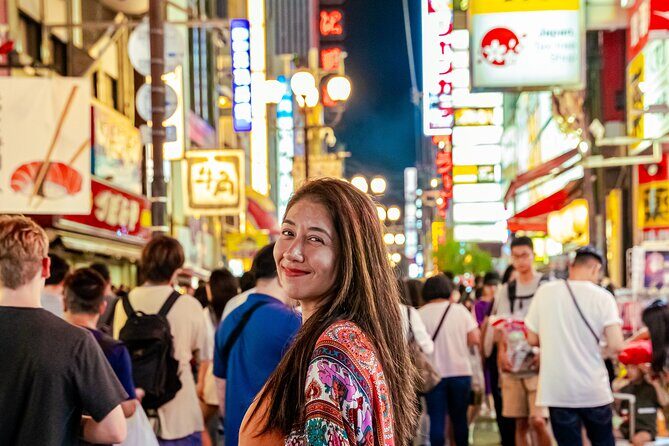
- Shibuya Scramble: fast energy, classic photo moment
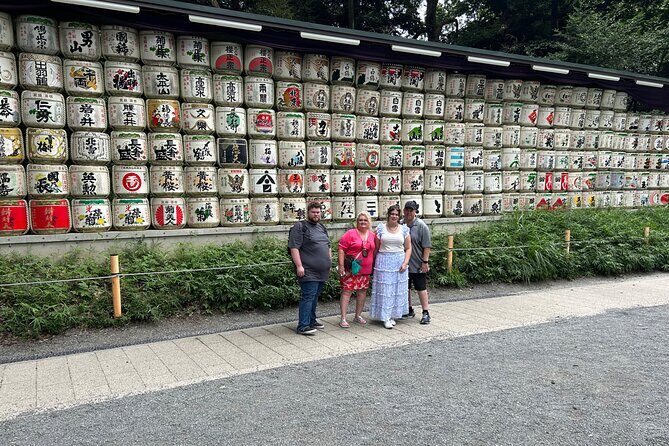
- Meiji Shrine: quiet forest time in the middle of the city
- Customization and entrance fees: what’s free, what can cost
- Luggage, mobility, and how guides help in the real world
- Cruise days, late flights, and why a shuttle van can be smarter than ship transfers
- Who this tour suits best (and who should look elsewhere)
- Should you book this Tokyo shuttle van tour?
- FAQ
- How long is the Tokyo shuttle tour?
- Is this a private tour or shared group?
- How many people are in a group?
- Does the tour include an interpreter?
- Are entrance fees included?
- Is lunch included?
- What if I use a wheelchair?
- What’s the cancellation and weather situation?
Key things I’d pay attention to
- Driver-guide, not a separate interpreter: you get licensed driving help plus guidance in English at a talk-to-you level.
- Flexible route and walking pace: itinerary can be adjusted for mobility needs, even mid-day.
- Free sightseeing focus: the included stops are mainly places with no entrance fee, unless alternatives are needed.
- Lunch is on you: you can request a menu style when booking, then a restaurant is arranged.
- Tsukiji Outer Market appears twice: handy if you want an early browse and time to return later for snacks/photos.
- Built for in-between travel days: especially useful when your flight timing or cruise schedule is tight.
Price and logistics: what you really pay for
At $397.43 per group (up to 5), you’re buying a private van for your group plus transportation between key areas (Tokyo, Yokohama, and Narita options). For many people, the value is that you avoid the two extremes: the very expensive private-vehicle + interpreter model, and the “just take trains and hope” approach.
Two details change how the price feels in real life:
First, the standard sightseeing stops are mostly free. That means your money goes toward time, transport, and a driver who can keep things moving. You’re not constantly stopping to pay admission or squeeze in ticket lines.
Second, the tour duration is about 7 to 9 hours, and the sightseeing portion is described as around 6 hours plus transfer time. That “plus transfer time” matters. Tokyo time can evaporate quickly, so having door-to-door transport reduces the friction cost you’d pay if you were stitching together transit on your own.
One more note: the itinerary price can vary depending on your pickup and drop-off choices. So if you’re comparing options, look at the route you’re actually getting, not just the base number.
You can also read our reviews of more tours and experiences in Tokyo.



The van tour format: one licensed driver-guide, conversational English
This is a “one man operation” style tour. A driver-guide with a guide license accompanies you, but there’s no separate travel interpreter.
That can be either perfect or imperfect depending on how you like to travel.
Here’s what I like about this format:
- You still get structured guidance, not random sightseeing.
- You get someone with deep knowledge of how Tokyo areas connect by road.
- The communication is built for the important stuff: directions, stop explanations, and quick adjustments.
Here’s what you should expect:
- English can be good, but it may not be as fluent or detailed as a dedicated interpreter would be.
- If your goal is very deep cultural commentary, you may need to ask more direct questions and rely on the driver’s explanations at a conversational pace.
The reviews give you real proof of this working. Names like Kim and Takehira come up repeatedly for being kind, helpful, and capable of adapting the day. One group even got a bucket-list train ride woven into the schedule because the guide was flexible enough to make it fit.
Picking your route: Tokyo, Yokohama, or Narita start/end choices
The tour is designed for inbound travelers who want a one-day downtown Tokyo highlight circuit, with to-and-from Tokyo, Yokohama, and Narita options.
This matters because your start and end points affect:
- the overall time window you’ll have for sightseeing
- how long you spend in transit versus actual stops
- the feel of the day if you’re coming from a cruise or trying to catch a flight
If you’re traveling with a later-flight situation, this kind of transfer-focused tour can be a smart alternative to waiting around for ship schedules. One review specifically pointed out that for a Yokohama cruise day with later flights, this kind of private shuttle option worked better than a ship transfer.
Also, plan your expectations around meeting time:
- The driver waits 10 minutes before your meeting time.
- You should show the driver your booking details.
- The operator provides the driver name and vehicle plate number 3 days before pickup.
The “real” schedule: built around free highlights and smart pacing
The itinerary is laid out as a normal, standard order, but the day is described as flexible. You can adjust it to your liking, especially when walking pace or interests differ.
A typical flow looks like this:
- Start at your pickup location
- Tsukiji Outer Fish Market
- Imperial East Garden
- Asakusa Old Town
- Lunch (not included)
- Shibuya Scramble
- Meiji Shrine
- Return toward your drop-off, with Tsukiji Outer Market appearing again in the plan
Think of it as a highlights route that balances big landmarks with neighborhoods that feel like the city, not just photo stops.
Also, the tour notes say this is for inbound travelers who want a downtown day. So if you’re hoping to cover far-flung neighborhoods, you might need to customize and that can affect timing.
Tsukiji Outer Fish Market: free browsing and a timing win
Tsukiji Outer Fish Market is the first major stop, and it’s set up as consumer-facing market browsing now (not the old wholesale-only era). The key practical point: there’s no entrance fee.
Why I like this stop early:
- It gives you a Tokyo “first impression” that feels local fast.
- The market vibe is easy to enjoy without needing reservations or tickets.
- It also helps if you’re the group type that wants to shop a bit and snack a bit.
And it’s not just once. The plan includes Tsukiji again on the way back. That’s useful if:
- you rushed at the start
- you want a second round for items you missed
- you want last photos before heading to the airport or hotel
In at least one case, the guide was also accommodating about shopping requests, taking people directly to what they wanted.






Imperial East Garden: worth it, but check the closure days
Next comes Imperial East Garden, tied to the Imperial Palace grounds. It’s also described as no entrance fee.
But there’s one detail that can change your day:
- Imperial East Garden is closed on Monday and Friday.
- If it’s closed, the plan offers alternatives: Hamarikyu Park or Shinjuku Gyoen Park, with an entrance fee of ¥500 per person.
This is exactly the kind of “small” detail that matters. If you’re deciding whether to build your trip around certain days, you’ll want to align your expectations with those closure rules.
Either way, this stop is a nice counterweight to the market and temple areas. It’s calmer, greener, and typically works well even if your group includes older adults. One review mentioned the tour was perfect for parents in their 80s.
Asakusa Old Town and Sensoji: the old Tokyo feeling

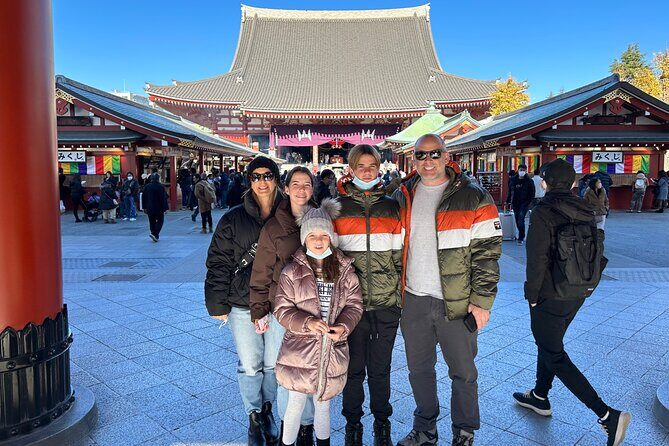
Then you’ll head to Asakusa Old Town, known for the old atmosphere, shopping arcades, and Sensoji Buddhist Temple. This part of the plan is also listed as no entrance fee.
Asakusa is where you often feel Tokyo’s layers: street energy, souvenir searching, temple contrast, and that “we’ve seen this in photos but it’s different in person” feeling. The nice thing here is you’re not relying on one big ticketed attraction. You can slow down or move faster based on what your group wants.
This is also a good spot for groups with mobility needs because the guide can adjust the pace. Multiple reviews emphasize that the guides handled walking limitations thoughtfully.
Lunch is excluded: you request the menu, then they arrange a spot

Lunch isn’t included. Instead, the approach is:
- You request your favorite menu when you book
- The operator finds a good restaurant in advance
This is a smart compromise. It removes the “where do we eat now” scramble, but you still get some control over food preferences.
One practical tip: since lunch isn’t included, confirm the restaurant plan before you get hungry. And if you have dietary restrictions, you’ll want to be clear during booking so they match your menu request.
Shibuya Scramble: fast energy, classic photo moment
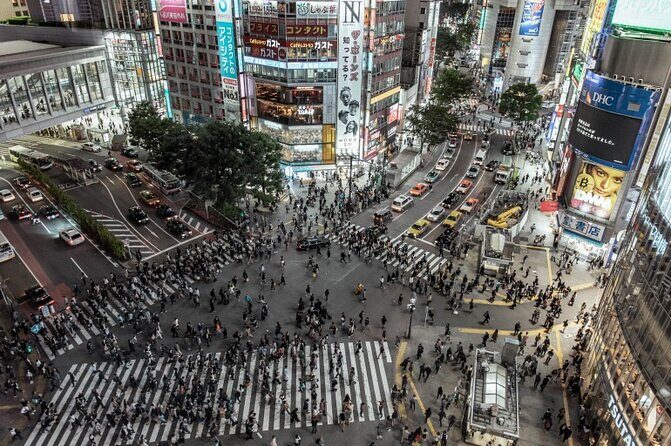
After lunch, the itinerary swings to Shibuya Scramble Crossing, famous for the crossing itself and the nearby loyal dog statue of Hachiko.
It’s listed as no entrance fee, which is great because Shibuya can be time-consuming if you have to tack on paid sights. This stop is mostly about atmosphere and easy wins: people-watching, quick photos, and a clear sense of modern Tokyo.
If your group is tired, this is also one of those stops where you can choose your involvement. You can stand in the center moment for a minute, then step back and keep moving with the van.
Meiji Shrine: quiet forest time in the middle of the city
Finally, the day includes Meiji Shrine, described as an oasis of Tokyo with thick forest. Even without detailed ticket info in the provided plan, the point is simple: it’s a reset after the big-city energy.
This is the kind of stop that works for almost everyone because it’s less about shopping and more about atmosphere. If you’re traveling with different ages or different energy levels, a shrine visit can be a peaceful equalizer.
Customization and entrance fees: what’s free, what can cost
Most sightseeing spots in the standard plan are described as free (no entrance fee for Tsukiji Outer Fish Market, Imperial East Garden in general, Asakusa/Sensoji, and Shibuya Crossing). The tour also states that if you customize the schedule, you may encounter entrance fees.
So treat it like this:
- The planned list is mostly designed to keep admissions out of the equation.
- If you change the stops, you might trigger paid entrances or charged alternatives.
One review also notes that some entry fees weren’t included in the itinerary presented ahead of time, but the overall experience was still strong. That’s a good reminder to ask ahead if you’re adding or swapping stops.
Luggage, mobility, and how guides help in the real world
Two things came up strongly in the feedback: adapting for mobility needs and handling the practical mess that happens on travel days.
Mobility support:
- You’re welcome if you use a manual wheelchair.
- The tour says it can’t handle electronic wheelchairs or guests who can’t move on their own.
If you or someone in your party uses a mobility device, you should plan to communicate needs clearly during booking. The driver-guide can then adjust the pace and route around what’s realistic.
Wheelchair access plus flexibility showed up in multiple reviews, including one where the guide adjusted the itinerary for a walking disability and kept the day enjoyable rather than stressful.
Luggage logistics:
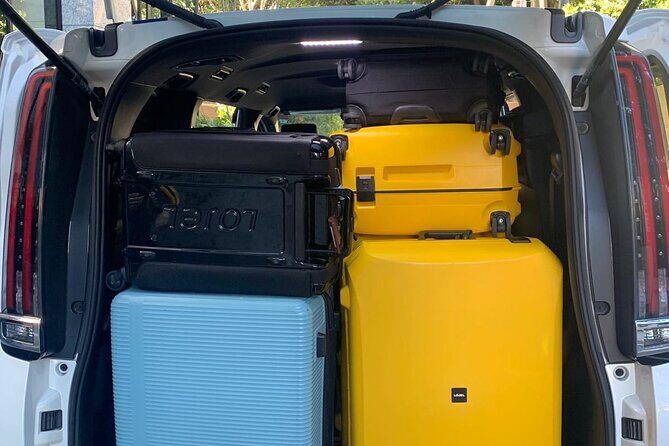
- One highlight from the reviews is that luggage stayed with the group until hotel check-in.
- That kind of detail matters when you’re landing from a cruise, arriving early, or have a flight before your room is ready.
This is one reason to consider this over public transport. Your time doesn’t get eaten up by holding bags on crowded trains.
Cruise days, late flights, and why a shuttle van can be smarter than ship transfers
This tour style shines when you have an awkward travel day: cruise disembarkation, limited time, and a need to see a few essential places before an airport.
If your flight is later, you often have two competing priorities:
- go see Tokyo highlights
- still get to the airport without drama
A private van helps because you set the sequence and keep the group together. One review specifically praised it for being a better custom option than the ship transfer for a Yokohama cruise passenger group size of 3 or more.
So if you’re doing a cruise + Tokyo plan, you’ll likely appreciate the controlled timing and the fact that the van is doing the heavy lifting.
Who this tour suits best (and who should look elsewhere)
This is a great match for:
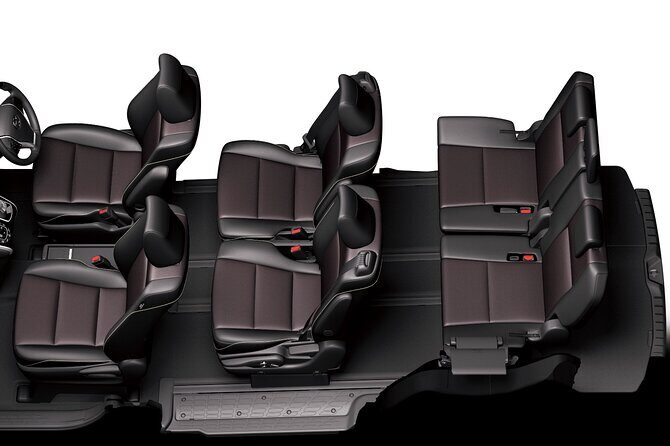
- small groups up to 5 who want private transport
- first-timers who want Tokyo highlights in one day without ticket hassle
- travelers who care more about time efficiency than deep academic explanations
- people who need itinerary adjustments due to mobility limits
It’s less ideal if:
- you require a full interpreter for detailed language depth
- you want a very ticket-heavy plan with paid attractions stacked back-to-back
- you’re traveling with needs beyond what’s stated for wheelchairs (especially electronic wheelchairs)
Should you book this Tokyo shuttle van tour?
I’d book it if you want a high-efficiency, mostly free-sightseeing day with a guide-driver who can adjust your plan and keep you moving. At $397.43 per group up to 5, the value is strongest when you’re using the van to replace both long transit days and the cost of a bigger private setup.
Book it especially if:
- your travel day is tight (cruise, early arrival, late flight)
- your group includes seniors or anyone who needs a walking pace adjustment
- you want to visit the classic highlights: Tsukiji, Asakusa/Sensoji, Shibuya, and Meiji Shrine
Skip it or ask a lot of questions first if you expect a dedicated interpreter, or if you’re planning a custom list with several paid attractions and lunch that needs to be included.
If your goal is a calm, flexible highlights day with logistics handled, this is a strong option.
FAQ
How long is the Tokyo shuttle tour?
The duration is listed as about 7 to 9 hours. The sightseeing portion is described as around 6 hours plus transfer time, and the schedule is flexible.
Is this a private tour or shared group?
It’s a private tour/activity, and only your group participates.
How many people are in a group?
The price is per group up to 5 people.
Does the tour include an interpreter?
No. There is a driver-guide, but no tour interpreter is included. The driver’s English is described as conversational for communication, with deep knowledge of Tokyo.
Are entrance fees included?
Entrance fees are not generally included for customized schedules. For the standard offered sightseeing spots, they are described as free of charge, including Tsukiji Outer Fish Market, Imperial East Garden, Asakusa (Sensoji), and Shibuya Scramble. Imperial East Garden closure can swap to alternatives with a fee of ¥500 per person.
Is lunch included?
No. Lunch is not included, but you can request your favorite menu when you book and the operator will find a restaurant in advance.
What if I use a wheelchair?
Manual wheelchair users are welcomed. The tour notes it can’t handle some guests using an electronic wheelchair or those who can’t move on their own.
What’s the cancellation and weather situation?
You can cancel for a full refund up to 24 hours in advance. The experience requires good weather; if it’s canceled due to poor weather, you’ll be offered another date or a full refund.