REVIEW · TOKYO
Tokyo Sushi Making Experience & Japanese Cooking Class
Book on Viator →Operated by Tokyo Sushi Making Experience & Japanese Cooking Class · Bookable on Viator
Sushi lessons in Tokyo are short, fun, and actually useful. In about 1 hour 30 minutes, you’ll learn sushi history and culture and then make your own maki, temari, and nigiri in a small class at Shinbashi.
What I like most is the hands-on instruction plus a real focus on sushi etiquette, not just assembly.
One possible drawback: drinks (including bottled water and alcohol) are extra, and the experience depends on good weather.
In This Review
- Key highlights I’d plan my trip around
- 90 minutes in Shinbashi: what the class feels like
- What you’ll make: maki, temari, and nigiri (and why it’s worth doing all three)
- Maki sushi: the roll you’ll actually repeat at home
- Temari sushi: playful shape, real technique
- Nigiri: the art of balance and portion
- Sushi history and etiquette, taught in English (and Chinese)
- Ingredients and drinks: what’s included vs. what costs extra
- Alcohol: optional, but not automatically included
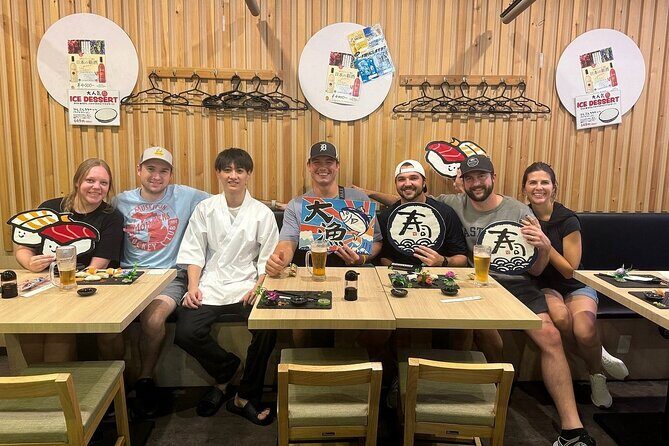
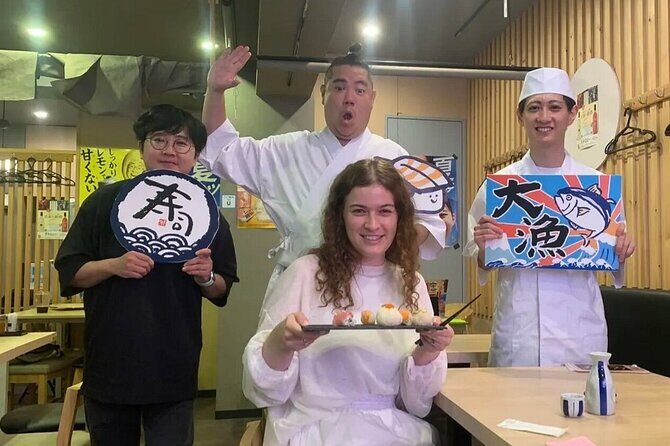
- The small-group vibe and the photo souvenir
- Price and value: is $59.46 for sushi-making a good deal?
- How to plan your day around the class
- Who this sushi-making class suits best
- Should you book this Tokyo sushi making experience?
- FAQ
- How long is the Tokyo sushi making experience?
- What does it cost?
- What types of sushi will I learn to make?
- What ingredients are used during the class?
- Do I need to bring anything to the class?
- What’s included in the ticket, and what’s not included?
- Can I add sake or shochu, and what’s the drinking age requirement?
- How many people are in the group?
- Where is the meeting point, and what happens if weather is bad?
Key highlights I’d plan my trip around
- English-speaking instructors explain sushi history and etiquette clearly
- Hands-on sushi making: maki, temari, and nigiri, all in a short class
- Fresh ingredients like tuna, salmon, squid, and flying fish roe
- Optional sake or shochu, for a more authentic meal vibe
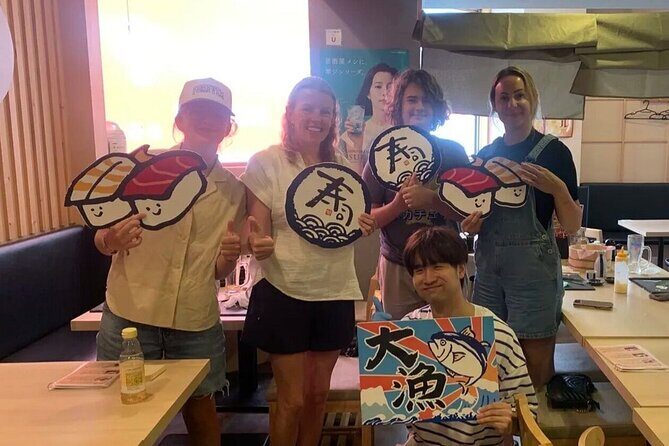
- Small group cap (15 people) for more direct attention
- Commemorative photos so you can remember what you made
90 minutes in Shinbashi: what the class feels like
This is the kind of Tokyo experience that fits neatly into a tight schedule. The session runs about 1 hour 30 minutes, and you don’t need to bring tools or supplies. You show up, follow the instructor’s guidance, and leave with sushi skills you can repeat at home.
The location is also a win for people planning an efficient day. The meeting point is in Minato City, Shinbashi—at S-PLAZA 弥生Ⅱ (2-chōme1510). Since it’s near public transportation, you can tack this onto a morning or afternoon without stress about finding a taxi or navigating hidden alley entrances.
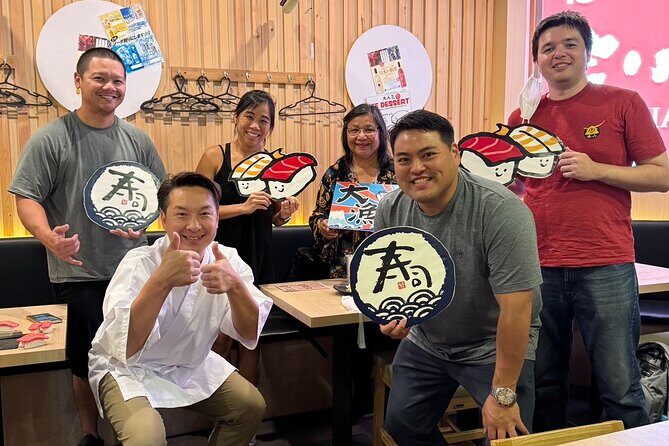
And the group size matters. With a maximum of 15 people, you’re not lost in a crowd. You get personalized instruction as you make sushi, which is exactly what you want when you’re learning new hand skills fast.
You can also read our reviews of more cooking classes in Tokyo

What you’ll make: maki, temari, and nigiri (and why it’s worth doing all three)
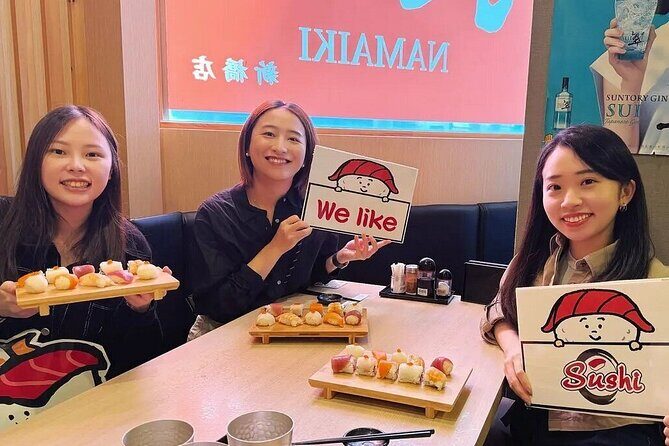
Most sushi tastings teach you what sushi is. This class teaches you how to build it. You’ll work on three styles:
Maki sushi: the roll you’ll actually repeat at home
You’ll learn how to make maki, which is the rolled sushi many people recognize first. The point isn’t just eating it—it’s understanding how the ingredients layer and how the roll comes together. When a class includes technique, you’re more likely to leave with the confidence to make it again instead of treating it like a one-time craft.
Temari sushi: playful shape, real technique
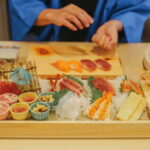
Temari sushi is smaller and shaped by hand. That changes the whole feel compared with rolling. It’s a good way to learn sushi structure without needing to master a perfect roll every time. Since the snacks include temari sushi (with options like tuna, salmon, squid, etc.), it’s also directly tied to what you’ll taste.
Nigiri: the art of balance and portion
Nigiri is all about the top and the rice base working together. The instructor’s talk on etiquette and the step-by-step instruction are important here, because nigiri is less forgiving than maki. Even with simple ingredients, learning how to form and present nigiri is a meaningful takeaway.
If you want one practical reason this class is better than many “tour-only” food stops: making three different formats forces you to learn sushi as a set of techniques, not a single dish.
A few more Tokyo tours and experiences worth a look



Sushi history and etiquette, taught in English (and Chinese)
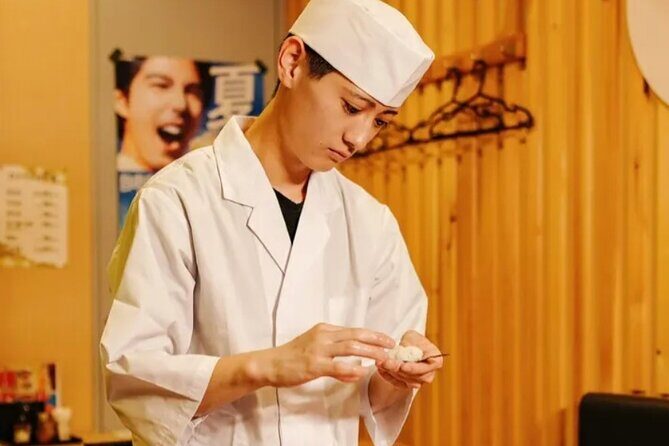
Before you’re fully hands-on, you’ll hear sushi history and culture from an instructor fluent in English. The class also supports traditional Chinese and simplified Chinese, so if you’re more comfortable in Chinese, it’s built to accommodate you.
The etiquette part is more than a trivia lecture. Sushi has rules—how you handle it, how you eat it, and how the meal is meant to flow. In a class like this, that matters because it shapes how you treat your own creation: you’re not just making food, you’re learning how to approach sushi respectfully.
I also like that the class ties culture to what you’re doing. You hear about the art behind each bite, then you go make that bite. That’s how the lesson sticks.
Ingredients and drinks: what’s included vs. what costs extra
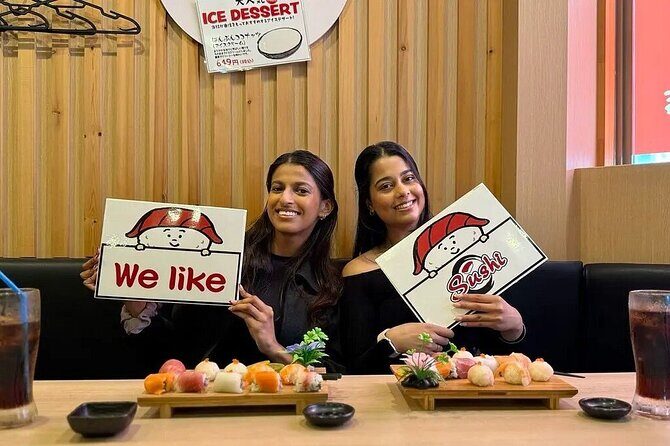
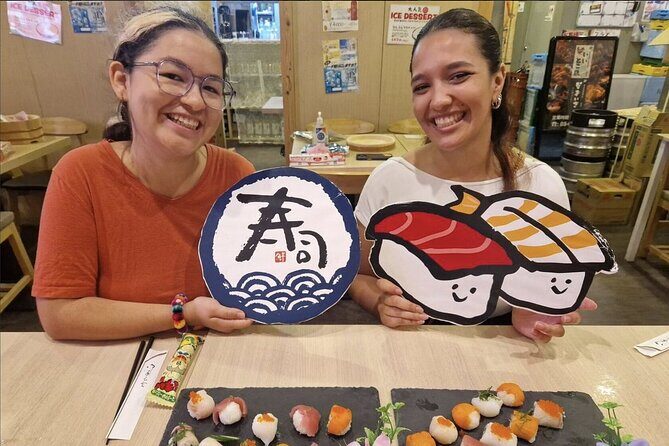
Your ticket includes snacks and sushi items you make during the class—specifically maki and temari sushi. You’ll work with fresh ingredients such as tuna, salmon, and squid, and you’ll also use flying fish roe (as part of the ingredient mix described for the experience).
That “fresh ingredients” detail isn’t fluff. It means you’re learning with the real building blocks you’d expect in Tokyo sushi, not with flavorless substitutes.
Alcohol: optional, but not automatically included
You can add sake or shochu for an authentic experience. However, alcoholic beverages need to be ordered separately. Bottled water and juice aren’t included either, so plan for those small add-ons.
Japan’s legal drinking age is 20. The class notes that you should bring valid ID if you plan to drink, so don’t assume your hotel key or photo ID will be enough.
If you’re not drinking, no problem—you can still do the class and enjoy what you make. Just remember you may want to budget for water.
The small-group vibe and the photo souvenir
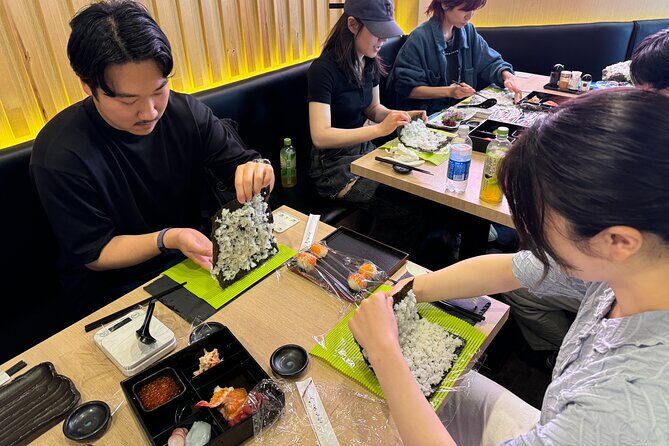
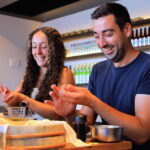
The class caps at 15 people, which changes everything. In a big workshop, you often wait your turn. Here, instruction stays close enough that you can ask questions and get corrections while you’re still shaping your sushi.
The experience also works especially well for families. One of the most praised qualities is how patient the hosts are, even when kids join. If you’re traveling with children, this is the kind of activity where adults can actually guide their own kids during the process instead of managing a long show-and-tell.
And you get commemorative photos. That’s not just a token picture. It’s useful if you want proof you made it—because once you’re back home and trying to replicate temari or nigiri, you’ll want a visual reference.
Price and value: is $59.46 for sushi-making a good deal?
Let’s talk value plainly.
At $59.46 per person for about 1.5 hours, you’re paying for three things at once:
- Instruction from an English-speaking guide (and Chinese language support)
- The core experience materials, including the sushi items you make and snack-sized portions
- A structured, small-group format (max 15 people) that helps you actually learn
You are not paying for a full meal spread, and drinks aren’t included. Bottled water and alcohol (sake/shochu) cost extra. But the class still avoids the usual “pay a premium, eat a little, learn nothing” problem that some food tours have.
In my view, this price makes sense if you want a hands-on skill—maki/temari/nigiri—not just a quick bite. If your goal is purely sampling, you could spend less elsewhere. If your goal is learning and leaving with a repeatable technique, this sits in a reasonable zone for Tokyo.
Also, it’s scheduled like something you can plan ahead. On average, it’s booked about 54 days in advance. If you’re aiming for specific dates, don’t wait until the last week.
How to plan your day around the class
Because the session is only 90 minutes, you can treat it like a fixed block. I’d schedule it so you’re not rushed the moment you arrive. Sushi making goes better when you’re not sprinting from the train with a 5-minute buffer.
A few practical planning notes based on the experience details:
- Confirmation is received at booking time unless you’re booking within 2 days of travel, in which case confirmation arrives within 48 hours subject to availability.
- The experience requires good weather. If it’s canceled due to poor weather, you’ll be offered another date or a full refund.
- The class runs with a minimum number of travelers. If it doesn’t meet that minimum, they’ll offer a different date/experience or a full refund.
Who this sushi-making class suits best
This is a strong match for:
- People who want a hands-on Japanese cooking class instead of a passive tasting
- Anyone who wants sushi etiquette explained alongside techniques
- Families with kids who benefit from patient, small-group instruction
- Travelers who specifically want instruction in English (or Chinese)
It’s less ideal if:
- You only want alcohol-inclusive value (since drinks are extra)
- You’re looking for a long, multi-stop Tokyo food tour with lots of different venues
- You’re trying to do it on a day when weather is very unreliable
Should you book this Tokyo sushi making experience?
I’d book it if you want a Tokyo activity that gives you something practical. The big reason is the mix of sushi types—maki, temari, and nigiri—paired with instruction and etiquette. For the price, you’re paying for time, guidance, and ingredients, not just watching or eating.
If you care about language support, this also helps. English-speaking instructors run the class, and it offers traditional and simplified Chinese guide support. Add the option for sake or shochu (with the right ID), and you get a more complete Japanese meal feel.
Go for it—especially if you’re traveling with kids or you want a small-group class where you can actually learn the steps.
FAQ
How long is the Tokyo sushi making experience?
It lasts about 1 hour 30 minutes.
What does it cost?
The price is $59.46 per person.
What types of sushi will I learn to make?
You’ll learn how to make maki, temari, and nigiri.
What ingredients are used during the class?
You’ll work with fresh ingredients such as tuna, salmon, and squid, and flying fish roe is mentioned as part of the ingredient set.
Do I need to bring anything to the class?
No. The experience is set up so you can learn without bringing anything, and the class provides instruction in a classroom setting.
What’s included in the ticket, and what’s not included?
Included: snacks (maki sushi and temari sushi) and an English/Chinese guide. Not included: bottled water, and juice and alcoholic beverages must be ordered separately.
Can I add sake or shochu, and what’s the drinking age requirement?
Sake or shochu can be added as an option, but alcohol is ordered separately. Japan’s legal drinking age is 20, and you should bring valid ID if you plan to drink.
How many people are in the group?
The class has a maximum of 15 travelers.
Where is the meeting point, and what happens if weather is bad?
The meeting point is S-PLAZA 弥生Ⅱ in Shinbashi, Minato City, Tokyo. The experience requires good weather; if it’s canceled due to poor weather, you’ll be offered a different date or a full refund. Free cancellation is available up to 24 hours in advance for a full refund.