REVIEW · SENDAI
Sendai / Matsushima Full-Day Private Tour with Government-Licensed Guide
Book on Viator →Operated by Japan Guide Agency · Bookable on Viator
Sendai and Matsushima are a strange, perfect mix. This private tour turns the region into a smooth, understandable story, guided by a government-licensed interpreter who can connect sites to the culture around them. What I like most is that you’re not just ticking boxes; you’re getting context for why these places matter.
I also like the flexibility: you pick 3–4 stops from a menu, so you can shape the day around temples, views, whisky, shrines, museums, or even the fish market. The main drawback to consider is that entrance fees, lunch, and transportation costs are not included, so your final cost depends on which sites you choose and how you move between areas.
In This Review
- Key highlights you’ll actually care about
- Sendai plus Matsushima: why this day trip feels smarter
- How a government-licensed private guide changes the experience
- Picking your 3–4 stops: choose your mood, not just your photos
- Entering Zuihoden: Date Masamune’s mausoleum and the art of power
- Sendai Castle Ruins and the moon poem atmosphere
- SS30 Observation Lounge: a quick city view for context
- Chiteinomori Museum of the Forest of Depths of the Earth: Stone Age stories
- Miyagikyo Distillery (Nikka Whisky Sendai Factory): a short tour with big payoff
- Matsushima Bay: Zuiganji, sliding doors, and the feeling of stillness
- Oshima (island walk): the postcard view from a quieter angle
- Entsu-in Temple: a mausoleum with a focused family story
- Kanrantei tea house: Kyoto craftsmanship moved to the bay
- Godaido: the symbol hall on its islet
- Fukuurajima: one more island, one more bridge
- Sendai City Museum and the castle remnants setting
- Shiogama Shrine and the fish market: religion plus seafood reality
- Osaki Hachiman Shrine and Mitakisan Fudoin: architecture and healing prayers
- Tohoku History Museum: broad context without the guesswork
- Timing, walking pace, and what to bring
- Price and value: what $154.37 per person really covers
- Who this tour is best for
- Should you book this Sendai and Matsushima private tour?
- FAQ
- How long is the Sendai and Matsushima private tour?
- Is pickup included?
- What’s included in the price?
- Are entrance fees and lunch included?
- Do I have to choose specific stops in advance?
- Is transportation included?
- Can I combine multiple tour groups?
- Can I get a full refund if I cancel?
Key highlights you’ll actually care about
- Government-licensed guide experience with the cultural context you won’t get from a phone app
- Choose 3–4 stops so the day stays focused instead of rushed
- Matsushima Bay sights like Zuiganji and the small-islet temples that define the postcard view
- A realistic walking plan that works best with comfortable shoes and a light bag
- Option to add Miyagikyo distillery for a short, easy factory tour
- Guides like Riko and Yumi are known for pacing the day well and tailoring details to interests
Sendai plus Matsushima: why this day trip feels smarter
If you like Japan when it’s both modern and old, Sendai is a strong starting point. It sits on the edge of Tohoku’s wilder geography, but it’s still a proper city with food, culture, and easy logistics.
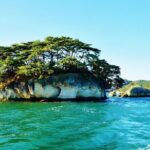
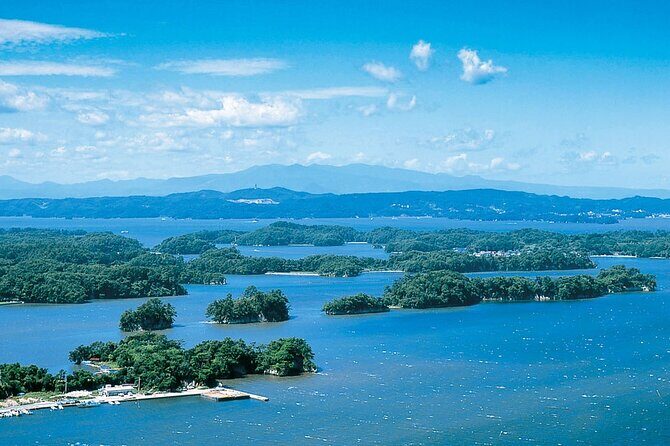
Then Matsushima Bay comes in like a reset button. You go from streets and city landmarks to a view made of pines, islands, and temple silhouettes—Matsushima has been famous for scenic views for centuries, and it’s still the real deal.
The best part of doing both in one day is variety without chaos. A private guide can adjust how long you spend, where you pause for photos, and how you move between Sendai and the bay area.
You can also read our reviews of more guided tours in Sendai
How a government-licensed private guide changes the experience
This is not a bus tour. It’s a private, government-licensed English tour with a guide who can interpret Japanese culture and history in a way that’s practical for visitors.
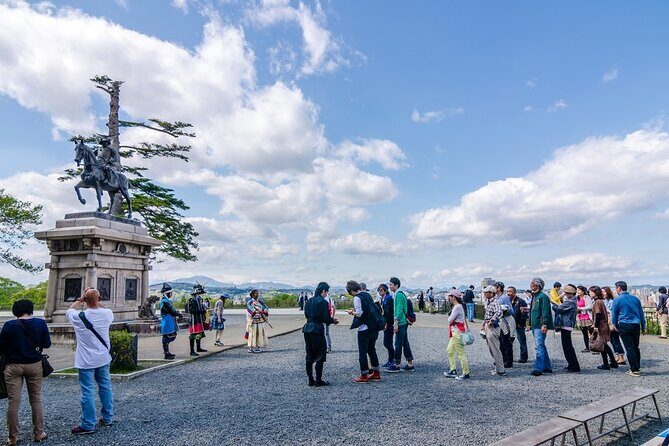
That matters at places like Zuihoden and the castle ruins, where the story is tied to specific families and power shifts. With an interpreter, you understand what you’re looking at instead of standing in front of impressive architecture and hoping the captions fill in the gaps.
Guides you may meet include Riko and Yumi, and the common thread is energy plus clear explanations. I’d also pay attention to pacing: multiple guide write-ups mention that the day feels well-structured, not dragged or crammed.
One more practical benefit: you get recommendations in context. For example, Yumi was noted for suggesting a next-day stop for cherry blossoms around Finaoka, which shows the guide thinks beyond the fixed route.
Picking your 3–4 stops: choose your mood, not just your photos
You’ll customize your day by selecting 3–4 sites from a provided set of options. That’s a huge deal because Matsushima alone has enough temples, views, bridges, and island walks to fill a whole day.
So I recommend you decide what you want your memory to be made of:
- If you want the classic Matsushima view, build around Zuiganji, Godaido, and the islands you can reach from the bay.
- If you want Sendai culture and skyline, pair Zuihoden and the Sendai Castle Ruins with an observation stop like SS30.
- If you want something different, add Miyagikyo for a whisky factory tour or aim for Shiogama for the fish market atmosphere.
This is also how you avoid disappointment. If you try to squeeze everything in, you’ll spend more time traveling than seeing. With a private guide and a smaller set of stops, you get to actually look.
Entering Zuihoden: Date Masamune’s mausoleum and the art of power
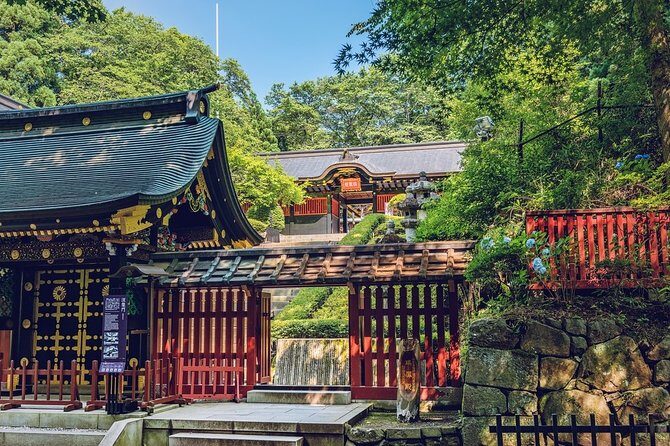
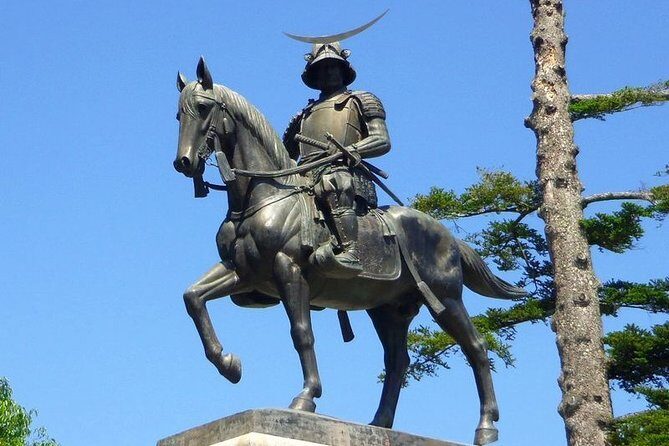
Zuihoden is tied to Date Masamune, the first lord of the Sendai domain. This is a mausoleum, but it’s also a statement—Date Masamune is known for more than military history; he’s remembered as an architect too, and the building reflects that kind of ambition.
Even if you’re not a specialist in feudal Japan, this stop gives you a baseline. Once you understand who Date Masamune was and how his legacy shaped the region, the rest of the day clicks into place.
What to consider: admission fees are not included, so if you plan to do Zuihoden, expect an extra cost on the ground.
Sendai Castle Ruins and the moon poem atmosphere
The Sendai Castle Ruins are one of those places where you don’t need constant explanation to feel significance. The ruins are part of local poetry, including the famous idea often referred to as The moon over the desolate castle, which gives the site a literary aura.
The key value here is orientation. A guide can help you connect what’s left on the ground to what the castle would have meant as a power center.
Again, admission ticket costs are not included for this stop, so budget a bit if you want to go inside any supported areas.
You can also read our reviews of more private tours in Sendai

SS30 Observation Lounge: a quick city view for context
SS30 is a straightforward “get your bearings fast” option. It’s an office building, and the main draw is the observation lounge with two decks and city-wide views.
I like this kind of stop because it helps you visualize where everything sits. When you later look at Matsushima and the bay, you better understand how the geography frames the culture.
Potential drawback: it’s short and functional. If you’re the type who wants deep museum-like detail, this will feel like a view break rather than the highlight of your day.
Chiteinomori Museum of the Forest of Depths of the Earth: Stone Age stories
If your group likes history that’s not just samurai-and-temples, this is a strong add. The Museum of the Forest of Depths of the Earth focuses on Japan’s stone age, including what a past era might have looked like.
This stop is valuable because it broadens the frame beyond the Edo period and feudal lineages. You get a sense of how long humans have shaped the Tohoku landscape.
What to consider: like other cultural stops, entrance costs are not included, so choose this only if it genuinely fits your interests.
Miyagikyo Distillery (Nikka Whisky Sendai Factory): a short tour with big payoff
If you want a break from temples and shrine gates, Miyagikyo is a great choice. The free tour is typically about 45 minutes and walks you through stages of production and the buildings involved.
The practical win: it’s easy to fit into a 6-hour day without burning the whole schedule. Plus, it gives you something modern and local that still feels Japanese—process, detail, and tasting culture.
What to consider: it’s listed as a distillery stop with a short tour, so don’t expect a long, hands-on experience unless you plan a separate visit.
Matsushima Bay: Zuiganji, sliding doors, and the feeling of stillness
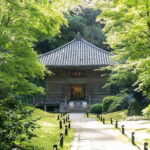
Matsushima is the star, and Zuiganji is one of the anchor points. Zuiganji is known in the Tohoku region for its Zen temple setting, plus beautifully decorated gilded and painted fusuma (sliding doors).
This stop works even if you’re not an art deep-dive. A guide can translate what you’re seeing into plain language—what makes the doors special, and how the temple fits into the broader landscape of Japanese religious architecture.
Admission fees are not included here, so it’s another “choose based on budget” stop.
Oshima (island walk): the postcard view from a quieter angle
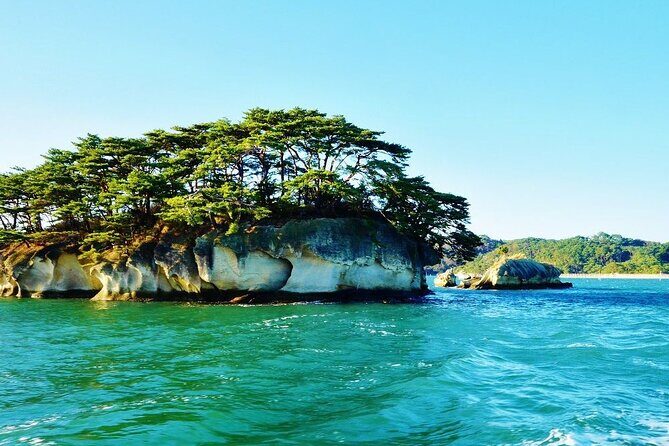
Oshima is a small pine-covered island close to the pier. You can reach it over a short bridge and walk around for a peaceful reset.
What I like about including Oshima is that it changes the pacing. After walking through temple spaces, you get open-air scenery and a slower tempo.
The drawback is weather dependence. If it’s rainy or windy, island walking can feel less fun. Still, even then, the island’s proximity to the pier makes it manageable.
Entsu-in Temple: a mausoleum with a focused family story
Entsu-in is located next to Zuiganji and houses the mausoleum of Date Mitsumune, the son of Date Terumune. This makes it feel less like a random stop and more like a continuation of the regional family narrative.
If you’re already going to see Date-related sites in Sendai, this connects the dots. It also adds variety because it’s not just about scenery—it’s about who is remembered and why.
Admission fees are not included, so check your chosen sites against your budget.
Kanrantei tea house: Kyoto craftsmanship moved to the bay
Kanrantei is a Momoyama-style tea house originally built in Kyoto by Toyotomi Hideyoshi and later given to Date Masamune. The idea that a Kyoto creation ended up overlooking Matsushima is exactly the kind of cultural thread a good guide can make meaningful.
This is a great “pause” stop. Instead of just moving from one temple gate to another, Kanrantei gives you a slower, reflective moment with a strong sense of place.
Admission fees are not included, so think of it as a paid enhancement to your Matsushima story.
Godaido: the symbol hall on its islet
Godaido is a small temple hall on an islet near the pier, and it’s become Matsushima’s symbol. It’s the kind of place where the setting matters as much as the building itself.
If you want one photo that looks like classic Matsushima, this is often the anchor. A guide can help you pick the best timing for views and explain what makes the location special.
Admission fees are not included.
Fukuurajima: one more island, one more bridge
Fukuura Island is one of the few pine-covered Matsushima islands accessible to the public. You reach it via a 252-meter red-painted bridge that costs 200 yen.
This stop is valuable when you want variety within Matsushima Bay. You get more walking and more scenery, and it feels like a bonus after the main temple circuit.
Admission fees are not included here (and there’s a separate bridge cost), so budget for small add-ons.
Sendai City Museum and the castle remnants setting
The Sendai City Museum is built within the Sannomaru enclosure area and preserves materials connected to the site of the Sendai castle remains. It’s an ideal option if you want to keep the theme of Date Masamune going without spending too much time on outdoor ruins.
This stop helps if you want something indoor and explanatory, especially on a hot day or if you’re tired of walking.
Admission fees are not included, so it may work better for history-focused itineraries than for casual sightseeing.
Shiogama Shrine and the fish market: religion plus seafood reality
If you’re building a day around Matsushima, it’s tempting to ignore Shiogama. Don’t. Shiogama gives you a real slice of local life.
Shiogama Jinja is a Shinto shrine with buildings designated as Important Cultural Properties, and it’s known from the ninth century. Paired with a guide, you’ll get a clearer sense of what those designations mean and how the shrine fits into the area’s long timeline.
Then you can step into Shiogama City Fish Market, a wholesale market established in its current location in 1965. The box-shaped building has a long, working history, and it’s the kind of place where you see the region’s food economy at full volume.
Entrance is free for both areas, which makes them good value add-ons if your schedule allows.
Osaki Hachiman Shrine and Mitakisan Fudoin: architecture and healing prayers
Osaki Hachiman Shrine is noted as a National Treasure, with Momoyama-style architecture and intricate wood carvings and vivid lacquer. If you like high craft in Japan’s shrine and temple world, this is a strong cultural contrast to Matsushima’s seaside temples.
Mitakisan Fudoin is a Buddhist temple founded by nun Kato Tane to pray for healing eye diseases. It enshrines Fudo Myo-o, a deity believed to protect eyesight and offer spiritual support.
These two stops can work well when you want variety: one is art-and-architecture heavy, the other centers on a specific healing belief.
Entrance fees are not included for these stops, so add them only if you’re comfortable with the additional costs.
Tohoku History Museum: broad context without the guesswork
The Tohoku History Museum in Tagajō City offers an overview of the region from the Paleolithic era to modern times. If you feel that all your Tohoku stops blur together, this is the place that gives you a clean timeline.
It’s also a good choice for days when the weather isn’t cooperative. Museums are easier when you want controlled indoor pacing.
Admission fees are not included, so again, choose based on your interest level.
Timing, walking pace, and what to bring
This is a walking tour. The meeting point is on foot within a designated area in Sendai, and you’re not rolling in with a private vehicle. That means your comfort matters: wear shoes you trust, and keep your bag small.
The day runs about 6 hours. Because you only pick 3–4 sites, you’ll have time to look and ask questions rather than sprinting between major landmarks. Still, Matsushima stops can involve island walking and bridges, so plan for some steady walking.
A practical tip: bring layers. Coastal areas can feel cooler than inland Sendai, and your schedule may include both city and seaside environments.
Price and value: what $154.37 per person really covers
At $154.37 per person, you’re paying for a private, English-speaking guide with government-licensed interpreter credentials, plus the structure to make your chosen sites coherent.
Here’s where the value shows up:
- You control the mix of Sendai and Matsushima stops instead of being locked into a long fixed route.
- The guide’s time is included, and they help you understand what you’re seeing, not just where to go.
- Some essentials like a mobile ticket and offered pickup help with smooth starts.
Here’s the trade-off:
- Entrance fees, lunch, and transportation fees are not included.
- Guide entry fees are only covered for sights listed under what you choose, so if you add extra stops on the fly, you may pay more.
In plain terms: this tour tends to be worth it when you want a guided explanation and a curated day. If you’re the type who enjoys roaming on your own and reading basic signage, you could spend less by DIY-ing. But if you want someone to connect the dots quickly, the licensed private format is the point.
Who this tour is best for
This tour fits best if you want:
- A private guide to keep the pace comfortable
- A mix of Sendai culture and Matsushima scenery
- Clear context for temple, shrine, and historic sites
- Flexibility to choose your own balance of city views, islands, whisky, museums, and seafood
It’s also ideal for groups who don’t want the stress of coordinating transport themselves between different areas.
If your group only wants one big-photo day at Matsushima and nothing else, you might be better off focusing your time strictly there and skipping Sendai extras. But even then, a city-to-bay contrast can be a memorable way to start and finish the day.
Should you book this Sendai and Matsushima private tour?
I’d book it if you want a well-paced guided day where you choose the key stops and still get cultural context. It’s especially compelling if Matsushima Bay is your priority and you’d like someone to help you understand why Zuiganji, Godaido, and the islands around the pier look the way they do.
I would hesitate if you’re trying to keep every yen under control, because entrance fees and transport add up depending on your site choices. Also, because it’s a walking tour, make sure your group is comfortable with a steady day of moving around, including bridges and island access.
If you want Sendai and Matsushima without the guesswork, this private, licensed guide format is a strong choice.
FAQ
How long is the Sendai and Matsushima private tour?
The tour duration is about 6 hours.
Is pickup included?
Pickup is offered. The tour also notes that pickup is on foot, and you meet the guide within a designated area in Sendai.
What’s included in the price?
The price includes a licensed local English-speaking guide and your customized tour of 3–4 sites from the available options.
Are entrance fees and lunch included?
No. Entrance fees, lunch, and other personal expenses are not included.
Do I have to choose specific stops in advance?
Yes. You customize your itinerary by selecting your must-see spots from the site list.
Is transportation included?
No. Transportation fees and private transportation are not included.
Can I combine multiple tour groups?
You cannot combine multiple tour groups.
Can I get a full refund if I cancel?
You can cancel up to 24 hours in advance for a full refund. If you cancel less than 24 hours before the experience starts, the amount paid is not refunded.