REVIEW · SAPPORO
1-Day Tour Sapporo: The port city of Otaru & Local Brewery
Book on GetYourGuide →Operated by Machinovate Japan Ltd. · Bookable on GetYourGuide
Steam, glass, and old-town canals in one smooth day. This Otaru port tour from Sapporo is built around three big sensory hits: the Otaru Canal walk, the music-box museum organ, and the steam clock show. Add in a hands-on stop at Kitaichi Glass Factory, and you get a day that feels both scenic and practical.
I especially like how the pace stays leisurely, with enough time to actually notice the brick-and-stone warehouses and chat with your guide (Scott, in the experience I reviewed). The other standout is making a personalized souvenir at Kitaichi—not just buying one—so you bring home something with your own fingerprints on it.
One thing to plan for: lunch isn’t included, and the glassware/music-box making parts are optional with extra fees. If you’re on a tight schedule or want everything fully included, you’ll need to budget a little extra and think about when you’ll eat.
In This Review
- Key points worth your attention
- Starting at Sapporo Station: the simple meetup that keeps you on track
- Otaru Canal time: why the warehouses and stone walk feel special
- Lunch on Sakaimachi Street: keep it local and don’t fight the schedule
- Kitaichi Glass Factory: history plus hands-on glass you can take home
- Otaru Music Box Museum: an Aeolian pipe organ that sounds heavenly
- The Otaru Steam Clock: a Vancouver gift with hourly steam and music every 15 minutes
- Germain Beer Brewery Warehouse #1: canal-side German comfort, not just a quick toast
- Price and value: what $170 buys you in a day packed with tickets
- Who should book this Otaru day tour—and who should skip it
- Should you book this tour?
- FAQ
- Where is the meeting point in Sapporo?
- What time does the tour start?
- What’s included in the tour price?
- Is lunch included?
- Are glassware making and music box making included?
- How long is the tour?
- Is the tour suitable for wheelchair users or limited mobility?
Key points worth your attention
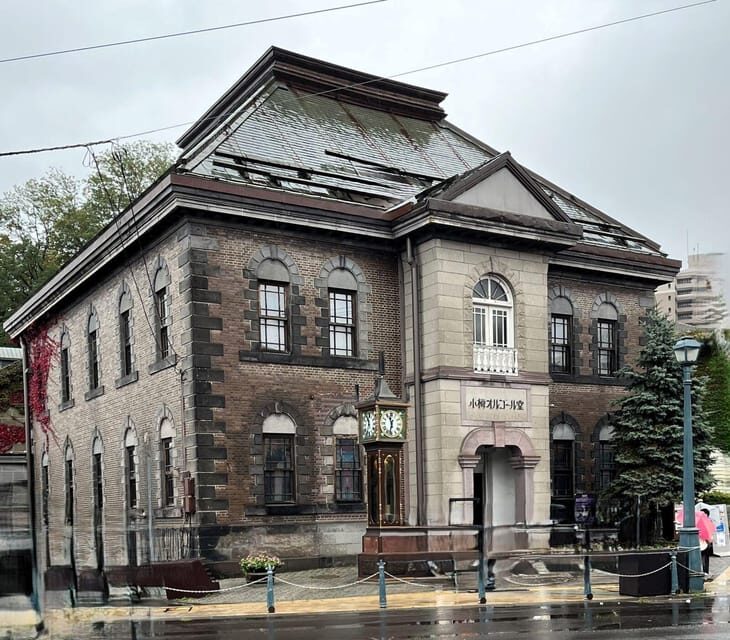
- Otaru Canal warehouses: a classic port look with built-in photo moments along the water
- Kitaichi Glass Factory: history plus a chance to make your own glass souvenir
- Aeolian pipe organ: a rare, dreamy sound experience at the music-box museum
- Otaru Steam Clock: Vancouver’s 1994 gift that whistles hourly and plays music every 15 minutes
- Germain Beer Brewery Warehouse #1: canal-side beer in a wooden hall-style setting, plus German comfort food
Starting at Sapporo Station: the simple meetup that keeps you on track
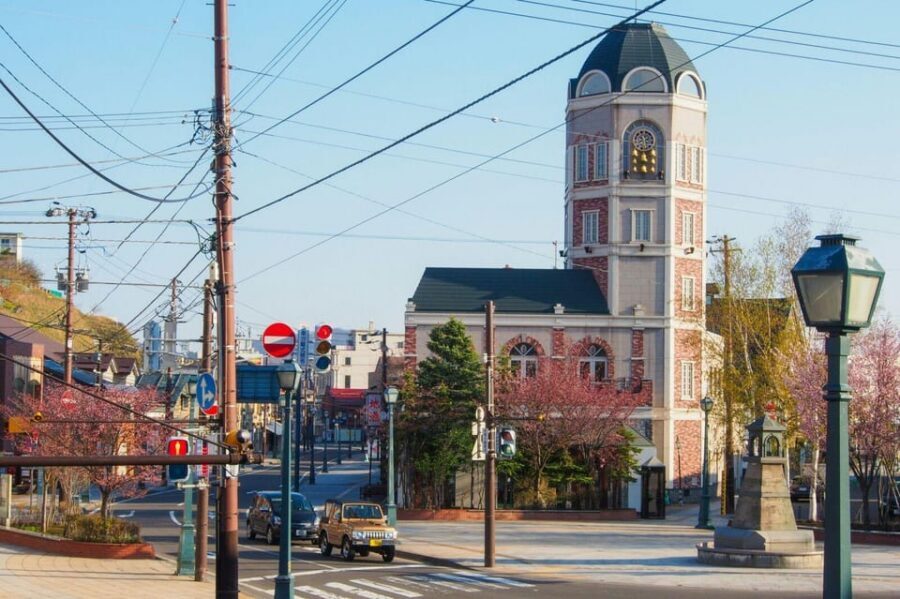
Your day kicks off at 9:00 a.m. at Sapporo Station, in front of the circular white stone structure called MYOMU. You’ll meet after exiting the main JR gates, turning left, and heading toward the South Exits (南出口). Look for your guide standing in front of MYOMU wearing a SNOW MONKEY RESORTS tour tag.
This matters more than it sounds. When you’re leaving on a day tour, even a 10–15 minute scramble can turn a relaxed itinerary into a rushed one. Starting together at the station also means you waste less time figuring out transit and more time enjoying the canal and the craft stops.
You’ll also want comfortable, warm shoes because Otaru’s waterfront scenery comes with walking. Bring a water bottle and a camera, but don’t treat this as nonstop sightseeing either; the tour is paced so you can take breathers between stops.
You can also read our reviews of more city tours in Sapporo
Otaru Canal time: why the warehouses and stone walk feel special
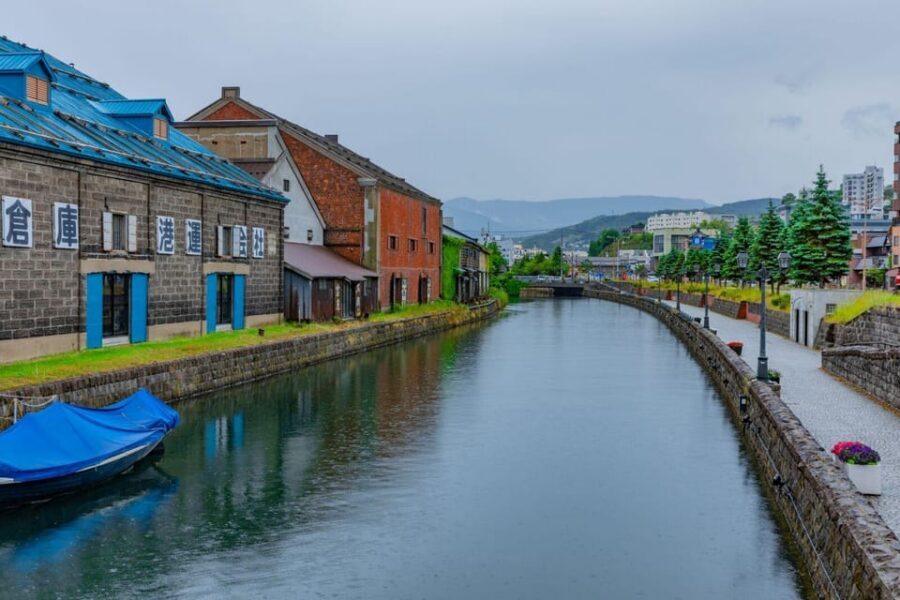
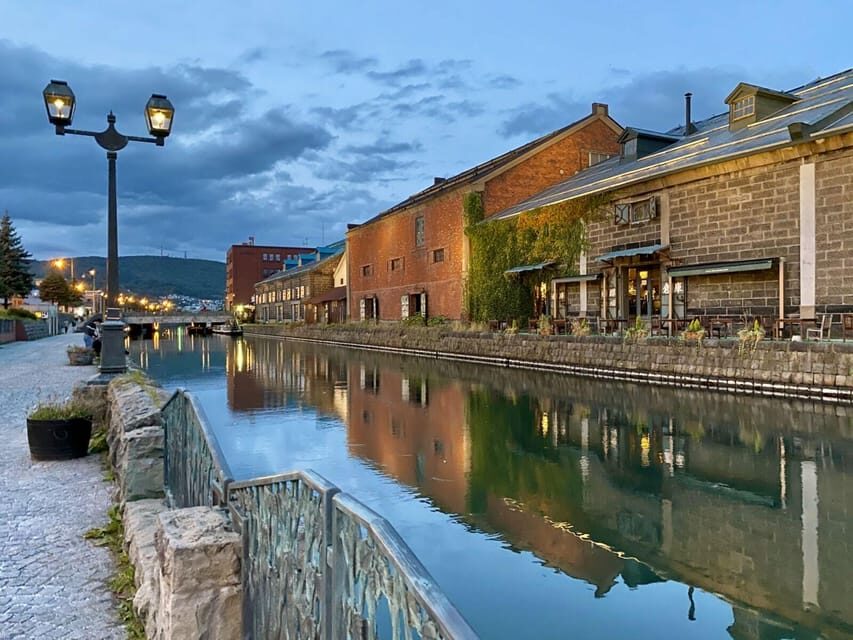
The tour begins with a walk along the Otaru Canal, which is the city’s signature landmark. Expect brick and stone warehouse buildings lining the water—an easy scene to photograph and a quick way to understand how Otaru grew as a trading hub during Japan’s Meiji and Taisho periods.
Here’s what I like about this stop: it’s not just pretty. The warehouses give you a sense of industrial-era trade without needing a lecture hall. You can see the physical bones of the port—water access, storage along the canal, and the kind of architecture that still shapes the street feel today.
Because this is a guided day, you get context as you go, including why these canal-side structures mattered to Hokkaido’s development. If you love places where the past is visible in everyday streets, you’ll feel at home here.
Lunch on Sakaimachi Street: keep it local and don’t fight the schedule
After the canal, the plan turns to lunch along Sakaimachi Street, where you’ll find plenty of places to eat. Lunch is not included, so you’ll want to decide your spot quickly once the group arrives. This is one of those moments where your choices affect how smoothly the afternoon flows, especially because you have a factory and a museum next.
I suggest you aim for something filling but not too heavy if you’re planning to do glassmaking afterward. You’ll be standing, watching demonstrations, and then working with materials, and you’ll enjoy it more if you’re comfortable.
If you’re the type who likes to browse menus rather than rush into the first restaurant, do that with the group pace in mind. You don’t want to lose time you could spend enjoying the canal atmosphere a second time later.
Kitaichi Glass Factory: history plus hands-on glass you can take home
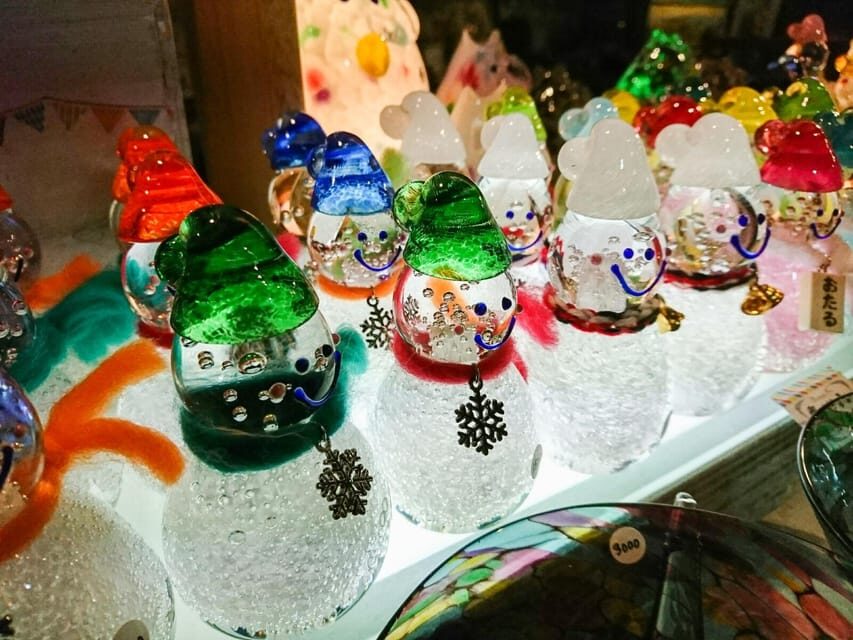
Next comes Kitaichi Glass Factory, where you’ll learn about the factory’s background and then make your own glassware product to take back with you. This stop is valuable because it blends storytelling with a real activity, so you’re not just watching or walking through.
What to expect in practical terms: there’s a guided explanation, then you shift into the hands-on part. If you’ve ever wished souvenirs were more than a store-bought object, this is where the tour earns its price. You end up with something that feels personal, and it’s also a fun “I can’t believe I made this” memory.
The glassmaking portion is optional and can involve additional fees, so don’t assume it’s included just because you’re visiting the factory. If you want the workshop experience, plan for extra time (and a bit more spending) beyond the base tour.
Otaru Music Box Museum: an Aeolian pipe organ that sounds heavenly
The tour then heads to the Otaru Music Box Museum, one of those experiences that feels more unusual than most tourist checklists. The big draw is the Aeolian pipe organ, which plays music in a way that feels airy and almost floating. You’ll also see rare glimpses of antique music boxes, which makes the museum more than a single-room gimmick.
Here’s the real value: you’re not just looking at objects; you’re hearing how they work. Music boxes are mechanical by nature, and the organ connection helps you understand the charm behind the sound.
You may also have the option to make your own unique music box at the Handicraft Studio, but that’s also an optional activity with possible extra fees. If you’re choosing between glassmaking and music-box crafting (or you want both), think about what you’ll enjoy more to display back home. A glass item can be delicate and decorative, while a music box adds sound and movement to a memory.
You can also read our reviews of more drinking tours in Sapporo




The Otaru Steam Clock: a Vancouver gift with hourly steam and music every 15 minutes
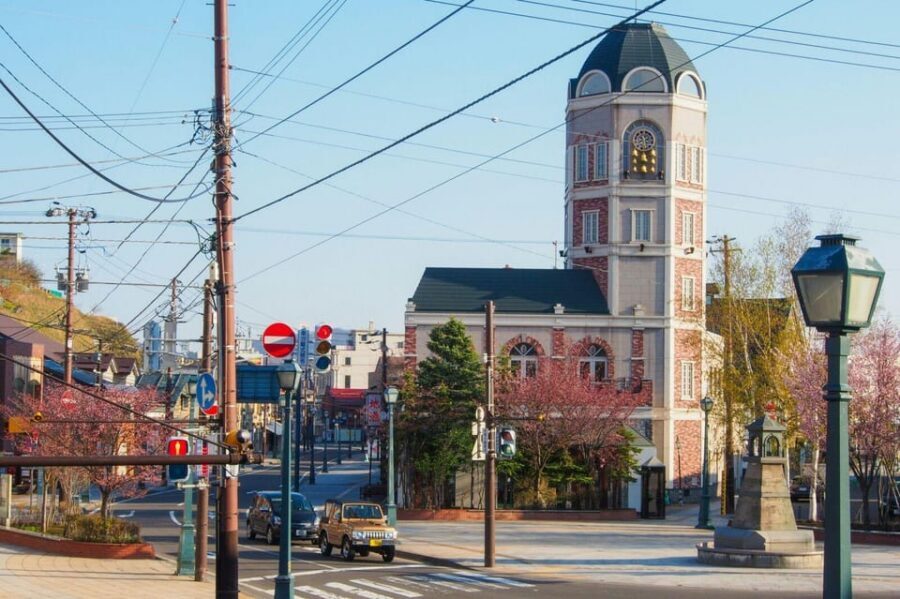
One of the most memorable stops is the Otaru Steam Clock. It’s a gift from Vancouver, Canada to Otaru, arriving in June 1994. The show is simple but delightful: a boiler sends steam into the clock, and an hourly steam whistle signals the time.
Even better, every 15 minutes the clock plays the same melody as the chimes of Westminster Abbey in London. That combination—steam mechanics plus a recognizable musical pattern—turns the clock into a real-time attraction. You’re not just seeing a landmark; you’re watching it operate.
This is also a good stop for a camera break. You’ll have time to frame the clock with the surrounding area, and you’ll catch the timing moments that make it fun to watch. If you’re worried about getting there exactly when it plays, don’t stress too much; the whole point is that it keeps going on a regular schedule.
Germain Beer Brewery Warehouse #1: canal-side German comfort, not just a quick toast
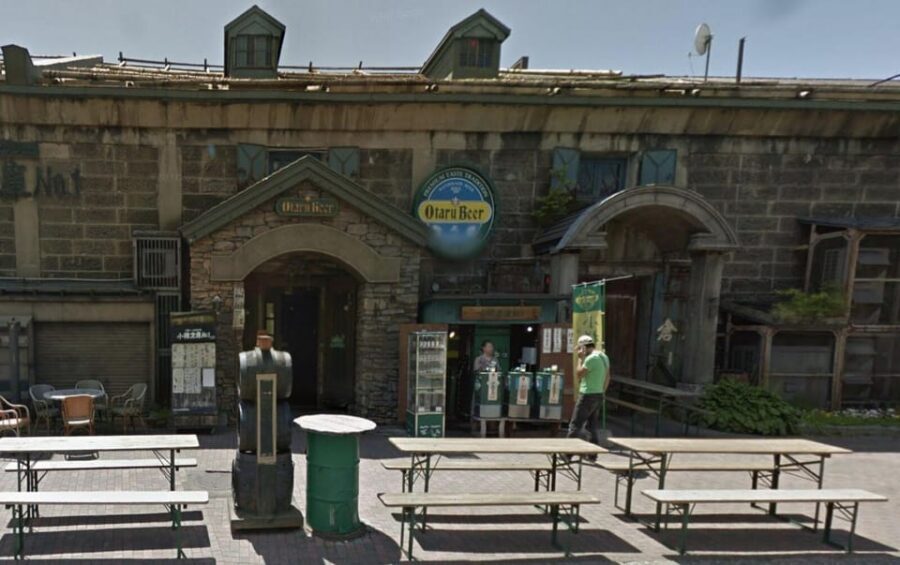
To wrap up, you’ll head to the Germain Beer Brewery/Warehouse #1, located right along the canal. This is the kind of place that feels like it was built for slow evenings—warehouse character, a wooden beer hall vibe, and shiny copper tanks as a visual centerpiece.
You’ll get a glass of (non-)alcoholic beverage included with your tour. If you want the beer, you’ll also find German-style pretzels and schnitzel available there, which is a strong pairing after a day of walking and museum stops.
This final stop is smart for two reasons. First, it gives you a natural decompression point after the craft and music portions. Second, it keeps the theme consistent: canal history, local brewing culture, and a setting where the atmosphere does the work.
If you’re not much of a beer person, the non-alcoholic option still works. The point is relaxing in a real Otaru warehouse space and letting the day settle in.
Price and value: what $170 buys you in a day packed with tickets
At $170 per person, this isn’t a budget “hop on and off” tour. It’s priced like a guided day that includes transportation and admissions, plus at least one included drink.
Here’s what you’re getting for the money based on what the tour includes:
- An English-speaking guide
- Transportation from Sapporo Station to the listed stops
- Admission tickets for the sights on the itinerary
- A glass of (non-)alcoholic beverage at the beer brewery
- Access to optional craft experiences (glassware and music-box making may cost extra)
That last point is key for value. You can treat the optional workshops as add-ons, but if you do them, you’re effectively paying for time, instruction, and a souvenir-quality result. If you skip both craft options, you may feel like you paid mostly for guided access and entry tickets, plus the canal and clock strolls.
What I like about this pricing structure is flexibility. You’re not forced into expensive shopping; the core tour includes the major sights, and your extra spending is tied to hands-on experiences you choose.
Who should book this Otaru day tour—and who should skip it
This tour is a good fit if you want a guided day that balances scenery with hands-on moments. I’d especially recommend it if you enjoy mechanical or sound-based attractions (Aeolian pipe organ, music boxes, steam clock) and you like souvenirs you can use or display at home.
It’s also a strong choice for first-timers in Otaru who want context without doing planning math all morning. The guide’s talk and the orderly stop sequence make the day feel easier, which matters when you’re working with limited time.
On the other hand, it’s not suitable for people with mobility impairments or wheelchair users. The tour includes multiple walking sections and stops that likely involve stairs or uneven areas. If mobility support is required, you’ll want to choose an option designed for accessibility.
Should you book this tour?
Yes, if your idea of a great day is a classic port walk, a memorable sound-focused museum, and at least one hands-on craft. The most praised parts here are the leisurely pace and the way the guide (Scott, in one of the experiences I reviewed) keeps the day feeling thoughtful, not rushed. Add the Steam Clock’s regular steam-and-music rhythm, and you’ll end the day with photos that actually make sense.
Book it if you’re also comfortable paying extra for optional workshops and picking lunch on your own. The itinerary is set up so you control that part of the day, and that can be a good thing.
Skip it if you want lunch included, want everything guaranteed at one flat price, or need wheelchair-friendly routing.
FAQ
Where is the meeting point in Sapporo?
Meet in front of MYOMU at Sapporo Station. After exiting the main JR gates, turn left and walk toward the South Exits. The guide will be standing in front of the MYOMU structure wearing a SNOW MONKEY RESORTS tour tag, and you should arrive by 9 a.m.
What time does the tour start?
The tour starts at 9 a.m.
What’s included in the tour price?
The tour includes an English-speaking guide, transportation from Sapporo Station to the listed destinations and activities, admission tickets for the sights on the itinerary, and a glass of (non-)alcoholic beverage at the local beer brewery.
Is lunch included?
No. Lunch is not included.
Are glassware making and music box making included?
They’re optional. Glassware and music box making are available, but they have additional fees.
How long is the tour?
The duration is 510 minutes.
Is the tour suitable for wheelchair users or limited mobility?
No. The tour is not suitable for people with mobility impairments or wheelchair users.