REVIEW · TOKYO
Tokyo: Customizable Day Trip Within Tokyo & English-Driver
Book on GetYourGuide →Operated by Mount Fuji Discoveries · Bookable on GetYourGuide
Tokyo in one day, without the subway maze. What makes this outing different is the customizable route in a private car, so you can swap neighborhoods without losing half your day to train transfers. I like the mix of classic Tokyo (Senso-ji and Meiji Shrine) plus modern wow-factor (Skytree, Odaiba, and Rainbow Bridge views). I also like the practical comfort: air-conditioning, WiFi, and hotel pickup and drop-off so you start fresh and end easy. One possible drawback to plan around: in a small number of cases, the on-board English narration may not feel fully fluent, and the drive can be quieter than you expect.
This is built as a true day-trip loop—about 8 to 10 hours on the road—where you get guided help at the key moments, and you still have time to wander on your own when Tokyo does Tokyo. The stops are designed to group areas that are far apart, which is where a driver earns their fee.
In This Review
- Key points at a glance
- Private pickup to Skytree: why 10 hours feels like more
- English-driver setup: what you actually get from the guide
- Asakusa and Nakamise Street: snack stops meet temple drama
- Ueno Park and Akihabara: quick culture hits in the middle
- Skytree and the Sumida River cruise with Rainbow Bridge views
- Ginza Six rooftop garden and Harajuku Takeshita Street
- Meiji Shrine peace, Shibuya crossing, and Nonbei Yokocho alley
- Odaiba futuristic afternoon: Gundam, TeamLab-style art, and Palette Town
- Tokyo Tower or Shibuya Sky at twilight: choosing your skyline moment
- What $322 per group buys you (and when it’s a steal)
- Timing, weather, and walking rules that affect comfort
- Should you book this Tokyo private driver day trip?
- FAQ
- How long is the tour?
- What’s the price and group size?
- Is hotel pickup and drop-off included?
- Does the tour include Tokyo Skytree admission?
- Is lunch included?
- What languages are offered by the guide?
- Is the vehicle air-conditioned and equipped with WiFi?
- Is the tour wheelchair-friendly?
- What should I bring and what restrictions apply?
Key points at a glance
- Hotel pickup/drop-off: fewer logistics headaches, especially on a first visit
- Route flexibility: you can trade in neighborhoods like Akihabara or Harajuku-style shopping
- Skytree and river cruise combo: one is skyline, the other is moving postcard views
- Asakusa and Nakamise timing: early hours make the temple approach feel calmer
- Odaiba futuristic afternoon: Gundam, TeamLab-style art, and waterfront time in one stretch
- Guides like Lux and Syed: praised for clear pacing, friendly energy, and good stop-by-stop guidance
Private pickup to Skytree: why 10 hours feels like more
Tokyo can eat your time. Trains, station changes, and walking outside stations add up fast. This tour fixes that with a private vehicle and curbside pickup from your hotel (within Tokyo’s 23 wards). You’re not just being driven—you’re being positioned. You arrive at major sites with less friction, which matters most at crowded points like Asakusa and Shibuya.
The day is also structured to reduce backtracking. You start in the older temple district, then fan outward to parks and electronics, and then sweep into skyline and waterfront areas. Even if you don’t love every stop equally, the order keeps the day from turning into a grind.
A few more Tokyo tours and experiences worth a look



English-driver setup: what you actually get from the guide
The pitch is an English-speaking driver-guide who offers commentary during the drive, not just silent transport. That’s the big advantage of doing this as a private tour. When it works, you get context while you’re moving—why a shrine gate matters, what to look for at a shopping street, and where to stand for photos so you’re not guessing.
In one account, the guide’s English was good but not fully fluent, and the drive felt mostly quiet. So here’s the practical move: if you’re expecting lots of spoken commentary, send a message ahead of time about your preference for more talk versus more quiet time. With private tours, that small expectation-setting can change how the day feels.
It’s also worth noting the guide style can be very hands-on. Reports highlight guides like Lux and Jimmy for treating people warmly, staying on schedule, and giving enough explanation so you’re not just collecting landmarks.
Asakusa and Nakamise Street: snack stops meet temple drama
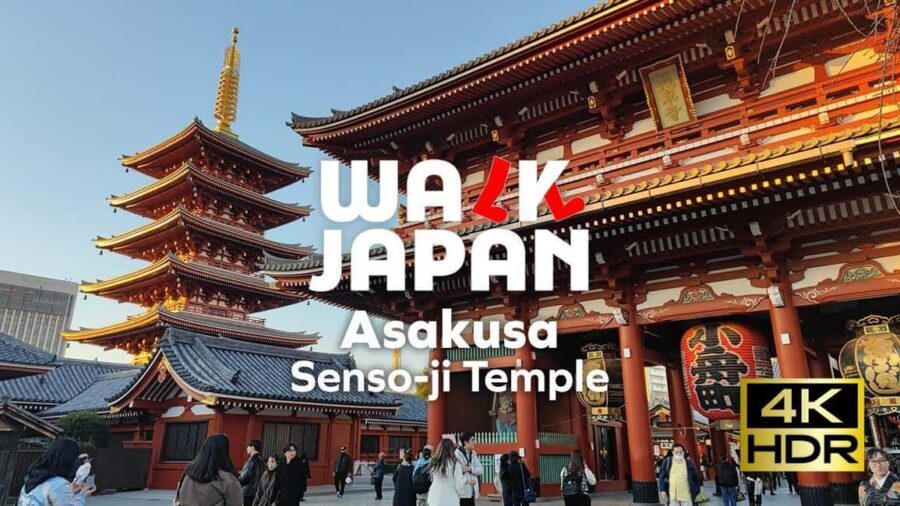
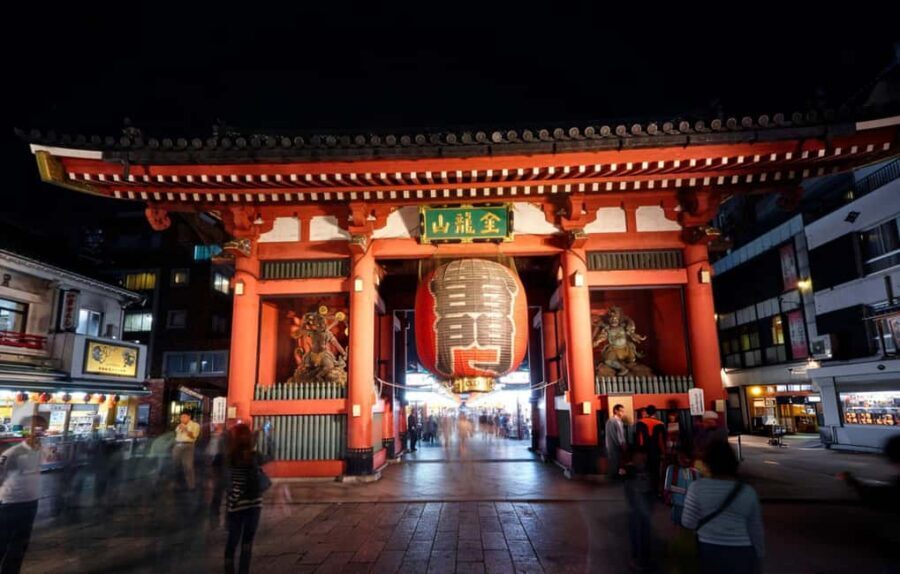
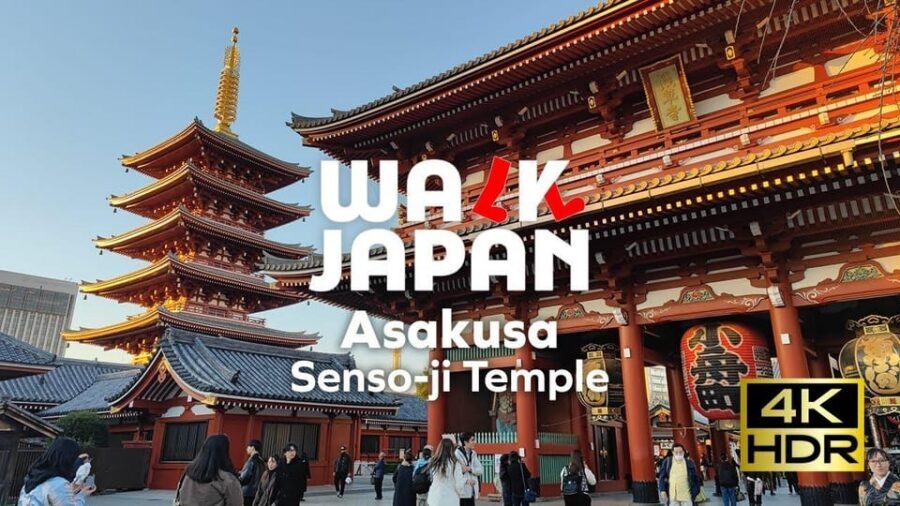
This is where the day earns its soul. You’ll spend time around Senso-ji Temple and the approach street known for its classic shopping scene, Nakamise. The temple area is packed with small visual cues—big gate details, lanterns, and side streets that smell like food carts. Nakamise Shopping Street runs deep with old-school snacks, and the timing matters: going earlier tends to feel easier.
Here’s how you can enjoy it without turning it into a rush:
- Plan to do the street first, then switch gears for the temple interior walk.
- Expect a mix of photo stops and self-guided wandering.
- If you like tasting, treat it like a casual food tour and don’t over-plan what you’ll buy.
In one guide-led day described with Lux, the pacing included time at Nakamise, then a guided temple visit, and the whole thing felt well-timed for photos and exploration. That’s a big deal here because Senso-ji is famous for good reasons, but it can also feel overwhelming if you’re trying to manage crowds on your own.
Ueno Park and Akihabara: quick culture hits in the middle
After Asakusa, the itinerary typically uses shorter stops to keep the day moving—think photo stops and brief exploration.
Ueno Park is a good reset. Even if you only get around for a short look, it’s a chance to swap temple intensity for open-space strolling. If you’re the type who likes photography with breathing room, this stop helps.
Then it’s Akihabara Electric Town, where the feel is totally different—electronics, anime-adjacent culture, and nonstop visual stimulation. Because your time here is limited, don’t aim for everything. Pick one lane:
- If you love gaming and gadgets, focus on a couple of main streets and storefronts.
- If you’re more about character culture, focus on the shops that match what you actually like.
Short stops are not “cheap” stops. They’re a strategy: Tokyo is big. The goal is to get a sense of the neighborhoods without spending your whole day in one area and missing the skyline and waterfront.
Skytree and the Sumida River cruise with Rainbow Bridge views
This is one of the best combos for first-timers because it balances height with movement.
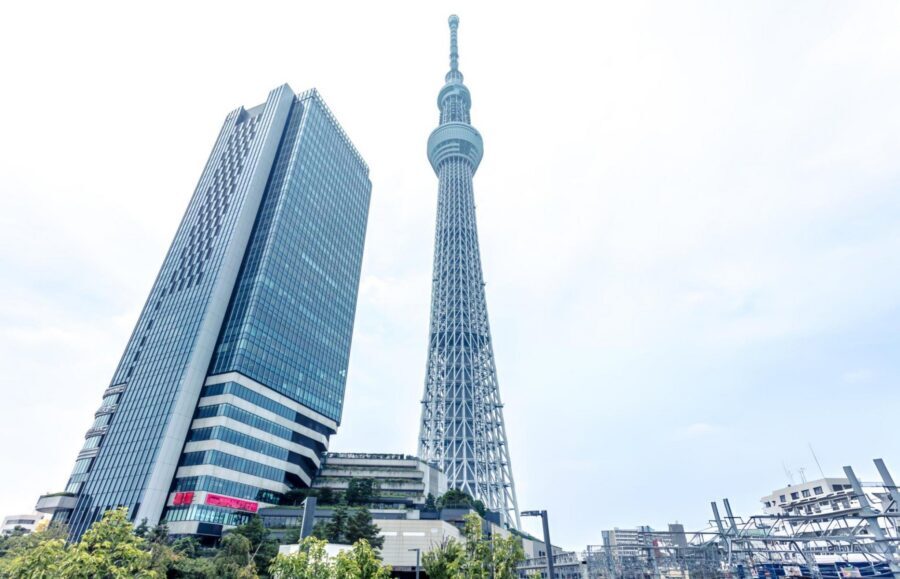
Tokyo Skytree is the big skyline payoff. You’ll get a photo stop and time that can include a visit if you choose to add admission. The tour notes that optional Skytree tickets are not included, and they also recommend going earlier because it tends to be less crowded. That advice is practical—observation decks feel way more pleasant when you’re not constantly stuck in queues.
Then comes the water time: a Sumida River cruise with views passing under or near key sights, including the Rainbow Bridge. From a comfort standpoint, a cruise is smart in a long day. You sit, you look, and you reset your legs. If you’re visiting during cherry blossom season, the cruise can include seasonal cherry blossom viewing.
If you care about photos, do this part with a mindset change: you’re not just taking photos at destinations, you’re capturing how Tokyo looks in transit—lights, skyline angles, and that framed-by-water perspective that you never get from street level.
A few more Tokyo tours and experiences worth a look

Ginza Six rooftop garden and Harajuku Takeshita Street
This is your “shopping and people-watching” arc, and it’s a wide range in one day.
Ginza Six Rooftop Garden gives you a calm-ish break and a different angle on the city. It’s also a good place to stop walking, snack if you want, and take in skyline views without committing to a full museum.
Then the tour shifts to Takeshita Street in Harajuku. Expect loud fashion energy, quick browsing, and plenty of photo moments. Because your time is limited (about an hour), the best approach is to set a personal goal before you arrive:
- If you want specific fashion items, pick one or two types and shop with intent.
- If you just want the atmosphere, keep your spending light and enjoy the sights without pressure.
One thing I love about this kind of day is that you get contrast: polished Ginza views, then Harajuku street energy, all without trying to connect those neighborhoods by train with a tight schedule.
Meiji Shrine peace, Shibuya crossing, and Nonbei Yokocho alley
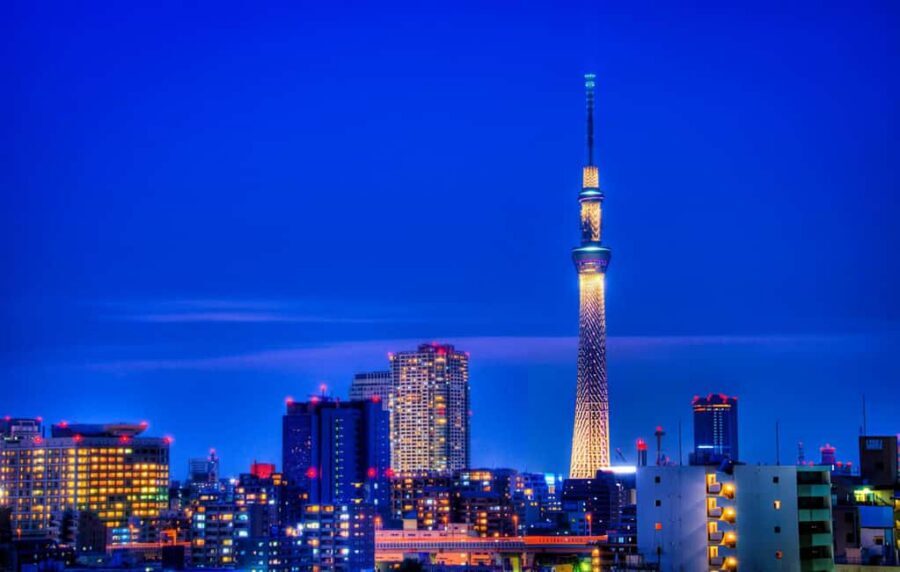
Two of Tokyo’s emotional extremes sit close to each other in this plan: quiet forest shrine time and city crossing chaos.
At Meiji Shrine, you’ll step into a large forested setting with a sense of calm. The tour context notes it’s a 175-acre garden-like area and that you can sometimes glimpse traditional wedding ceremonies. Even if you don’t see one, the layout itself slows you down. You’re walking through greenery and shrine paths instead of concrete corridors.
Then you hit Shibuya Crossing and the Hachiko statue area. This is where the driver-guide help can be useful. Shibuya Crossing is famous, but it’s also a traffic-and-people choreography problem. A guide can help you time your crossings and find better photo angles so you’re not just standing randomly while the lights change.
Nearby, the tour includes Nonbei Yokocho, a tiny alley known for hidden-style izakayas. This is a nice add-on because it lets you see a more local side of Shibuya beyond the main street spectacle.
If you want your day to feel balanced, do Meiji Shrine with some silence in your brain, then let Shibuya feel loud and fun.
Odaiba futuristic afternoon: Gundam, TeamLab-style art, and Palette Town
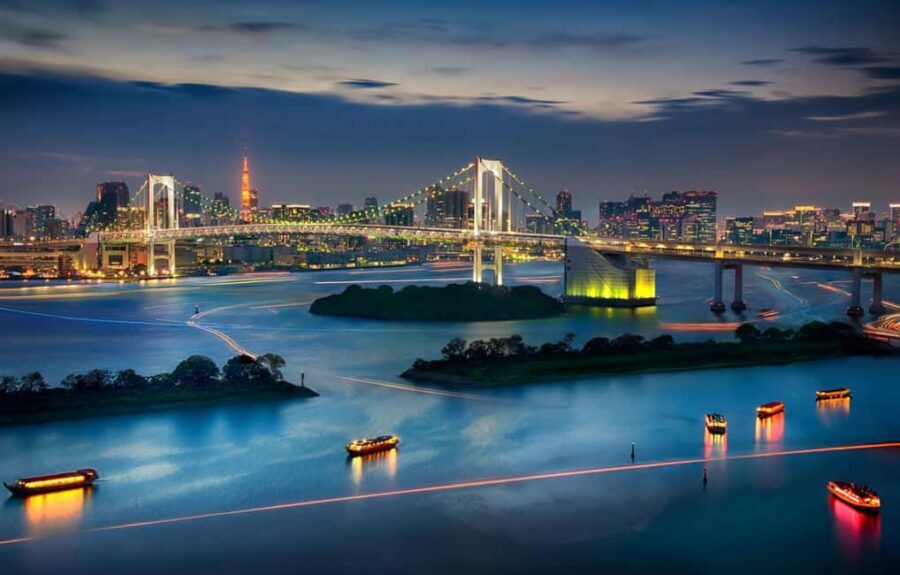
Odaiba is Tokyo’s “future theme park” district, but it works well as part of a full-day loop because it’s visually distinct from everything you’ve already seen.
You’ll explore Odaiba with stops that can include:
- Gundam statues viewing
- A visit area connected to TeamLab bordeless-style digital art
- Palette Town area time with a ferris wheel experience
You’ll also get narrated information as you move around the island. That narration matters here because Odaiba can feel like a set of separate pockets unless someone explains the logic of the island and what you’re seeing.
One of the practical perks: Odaiba is a nice place to re-energize before the final skyline stops. Even if you’re not an art superfan, the waterfront and large-scale installations provide strong photo payoff.
Tokyo Tower or Shibuya Sky at twilight: choosing your skyline moment
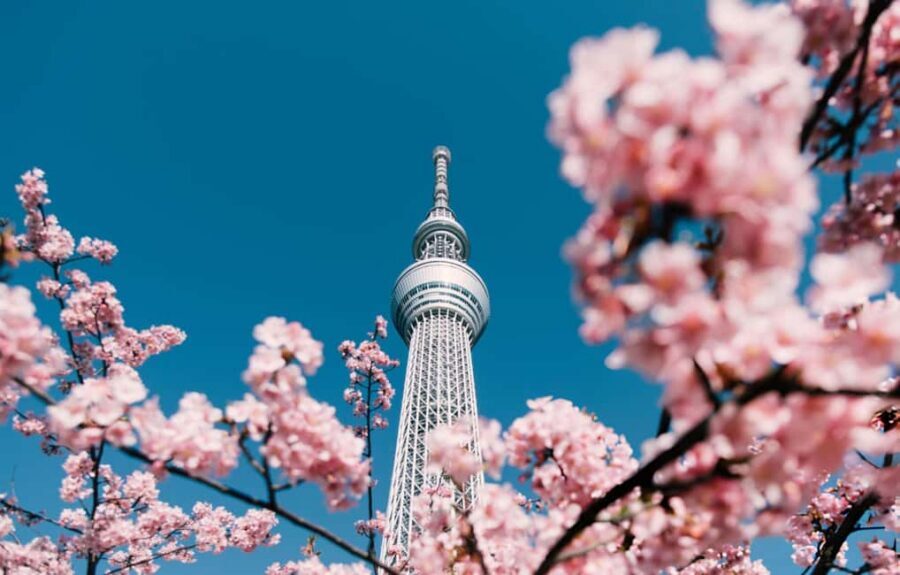
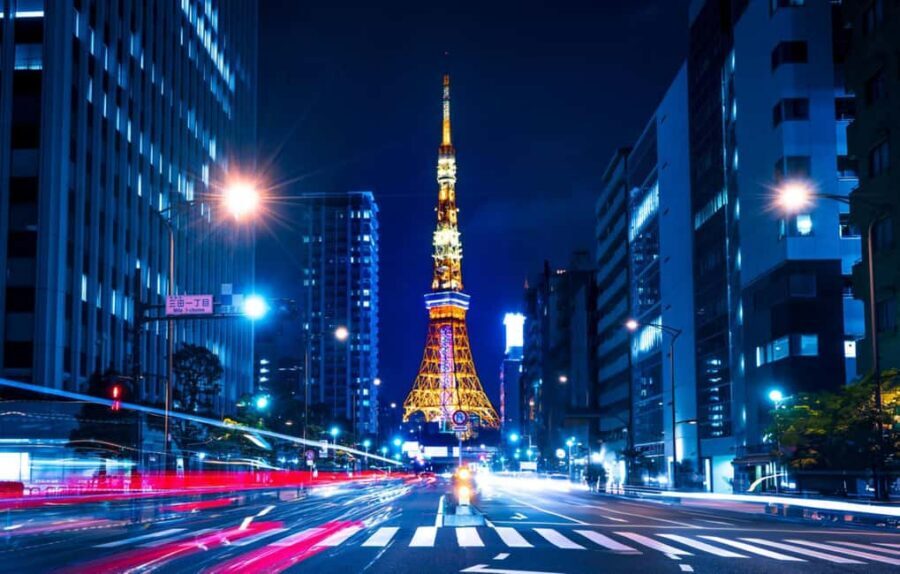
The tour highlights include Tokyo Tower and Shibuya Sky Twilight, which is the kind of golden-hour plan that can turn a normal day into a memory.
Because the route is customizable, treat this as a choose-your-own skyline moment:
- If you want classic red tower energy, aim for Tokyo Tower.
- If you want city layers changing in front of you during golden hour, consider Shibuya Sky.
Important practical point: observation deck admissions are not listed as included, and the Skytree admission explicitly is not included. So if skyline views are your main goal, budget for any observation ticket you add.
When you get the timing right, twilight can be the most photogenic part of Tokyo. When you miss it, you still get plenty of sights, but the lighting is less dramatic.
What $322 per group buys you (and when it’s a steal)
Price here is listed as $322 per group up to 6, for a day around 10 hours. That sounds high if you’re thinking per person at solo traveler rates. But the math flips quickly with a small group.
A few ways to think about it:
- If you share with 2 people, you’re paying roughly $160 each for private transport, guide time, and pickup/drop-off.
- With 4 people, it’s closer to about $80 each.
- With 6 people, it’s about $54 each.
What you’re getting that makes the value make sense:
- Private air-conditioned vehicle (listed as a Toyota Alphard with WiFi and charging ports)
- Parking fees included
- Hotel pickup and drop-off within Tokyo 23 wards
- A guide in multiple languages, including English
- Help with entering included attractions
What you still pay separately:
- Tokyo Skytree admission if you add it
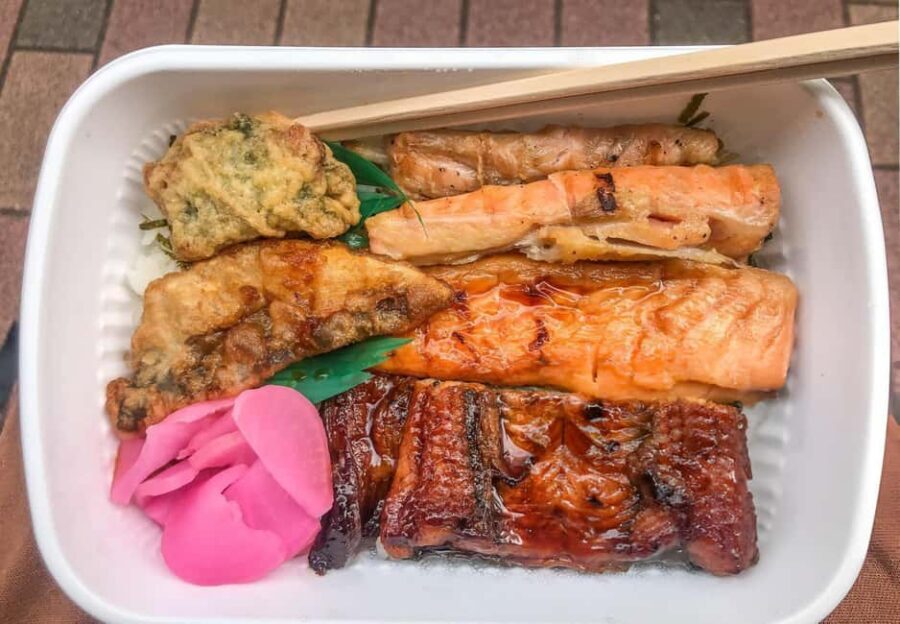
- Lunch (the tour notes lunch options near Senso-ji/Solomachi or Takeshita Street)
- Pickup/drop-off outside Tokyo’s 23 wards has an extra fee (10,000 yen)
To me, this is best value when you want to cover multiple big areas in one day and you don’t want to do the “where do we meet, which train, which exit” dance. If you enjoy planning and navigating solo, you can DIY parts. But you’ll still spend time on logistics and walking.
Timing, weather, and walking rules that affect comfort
This tour includes a moderate amount of walking and multiple neighborhoods, so good shoes are not optional. Bring comfortable footwear and something for the weather—hat and sunscreen are specifically called out.
A few on-the-ground rules to know:
- Smoking is not allowed inside attractions.
- Eating and drinking aren’t allowed inside attractions.
- Photography restrictions apply in certain areas; follow the guide’s instructions.
- Backpacks and large bags may need to be checked at entrances of some sites.
The best “comfort hack” is to wear layers. Tokyo weather shifts fast, and you’re moving from open streets to temple grounds to indoor observation points.
Also, since it’s a private car day, you don’t have to worry about subway crowding—but you do want to manage your own energy. Think of this as a full-day experience, not a quick highlights tour.
Should you book this Tokyo private driver day trip?
If you want a first-visit Tokyo sampler with less transit stress, I think this is a smart pick. The structure lines up well: old-city temple time, a couple of iconic neighborhood hits, a skyline payoff at Skytree, a sit-down cruise with Rainbow Bridge views, and an afternoon that turns toward Odaiba’s futuristic look.
Book it if:
- You’re in a small group and want shared cost value
- You prefer private pickup/drop-off
- You want someone to handle timing so you can enjoy the sights
- Skyline and waterfront photos matter to you
Skip or adjust expectations if:
- You need guaranteed fluent English narration for every moment; in one experience, the English was only good rather than fully fluent
- You’re highly sensitive to quiet drive time; one account found the drive mostly silent
- You’re not comfortable with a moderate walking schedule
- You use a wheelchair or are over 95 years (it’s noted as not suitable)
If you do book, my one practical suggestion is to personalize your skyline plan and your shop priorities early. Want more anime shopping, more fashion, or more classic Tokyo? Use the route flexibility so the day fits you, not just a fixed checklist.
FAQ
How long is the tour?
It runs for about 10 hours.
What’s the price and group size?
The price is $322 per group for up to 6 people.
Is hotel pickup and drop-off included?
Yes, pickup and drop-off are included within Tokyo’s 23 wards. Pickup outside the 23 wards has an extra 10,000 yen fee.
Does the tour include Tokyo Skytree admission?
No. Tokyo Skytree tickets are not included, though there is an option to visit.
Is lunch included?
Lunch is not included. The tour notes lunch options around Senso-ji/Solomachi or Takeshita Street.
What languages are offered by the guide?
The guide is listed as available in English, Hindi, Arabic, and Russian.
Is the vehicle air-conditioned and equipped with WiFi?
Yes. The tour includes an air-conditioned vehicle and WiFi on board.
Is the tour wheelchair-friendly?
No. It is listed as not suitable for wheelchair users.
What should I bring and what restrictions apply?
Bring comfortable shoes, a hat, a camera, and sunscreen. Alcohol and drugs are not allowed. The tour also notes rules about smoking and eating/drinking inside attractions.