REVIEW · SAPPORO
A pairing experience in Sapporo where you can enjoy tempura and 3 kinds of Hokkaido-only sake, along with a soba-noodle making experience!
Book on Viator →Operated by もんど · Bookable on Viator
Soba tastes different when it is fresh and simple, and this experience keeps it close to the real process. You get a complete soba-making sequence in an actual hand-made shop that’s open for daily service, then you sit down to eat your noodles at the most flavorful moment.
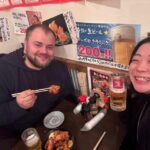
I especially like the pairing: seasonal Hokkaido tempura plus three Hokkaido-only sake served both cold and warm so you can notice how aroma shifts with temperature. One thing to consider is that the tempura portion is cooked by a chef and can be hot enough to burn, and the experience is limited to guests aged 20+.
This is also a small, private-style setting, which usually means better attention while you’re cutting dough and asking questions. If your Japanese is limited, you’ll still be okay, but expect a bit of back-and-forth as instructions come straight from the soba team.
In This Review
- Key things you’ll notice fast
- A Real Sapporo Soba Restaurant, Not a Tourist Stage
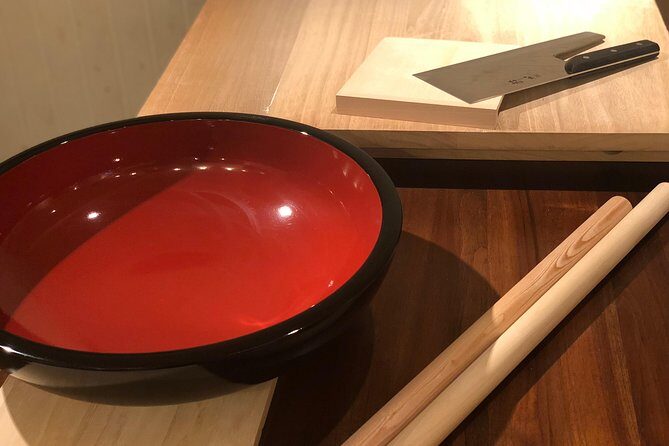
- The Full Soba-Making Sequence: Buckwheat to Cutting
- Step-by-step what you’ll do
- Why this sequence teaches you something real
- Boil, Eat, Repeat: Freshly Made Soba at Peak Flavor
- How you’ll eat it
- Hokkaido Tempura and Three Sake Styles: Temperature Changes Everything
- Seasonal tempura that fits soba
- Three Hokkaido-only sake comparisons
- Pairing logic: sake as a meal drink
- Small-Group Private Instruction in a Calm Space
- Price and Timing in Sapporo: What You’re Paying For
- Where it starts
- Important participation rule
- Who This Experience Suits Best (and Who Should Skip It)
- Should You Book This Sapporo Soba and Sake Workshop?
- FAQ
- How long is the soba, tempura, and sake experience?
- Is this held in a real restaurant or a dedicated facility?
- What parts of soba making do you do?
- What food is included with the soba?
- How many kinds of sake are offered, and are they served cold or warm?
- Is this a small group experience?
- Are there any age restrictions?
- Do I need to be comfortable with sake to enjoy it?
- How do I get to the meeting point?
Key things you’ll notice fast
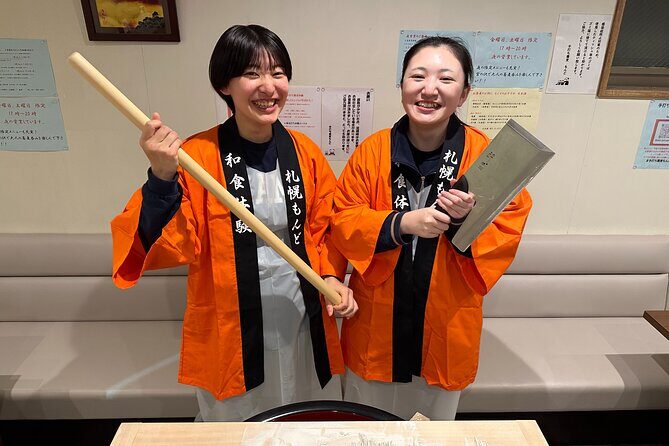
- A working soba restaurant setting (not a staged experience room)
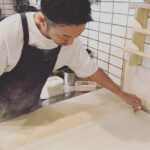
- You make soba from start to finish: mix, form dough, stretch, cut
- Fresh, freshly boiled tasting while the noodles are at their best
- Hokkaido-focused pairing with tempura and three sake options
- Small-group pace so you can actually learn the technique
A Real Sapporo Soba Restaurant, Not a Tourist Stage
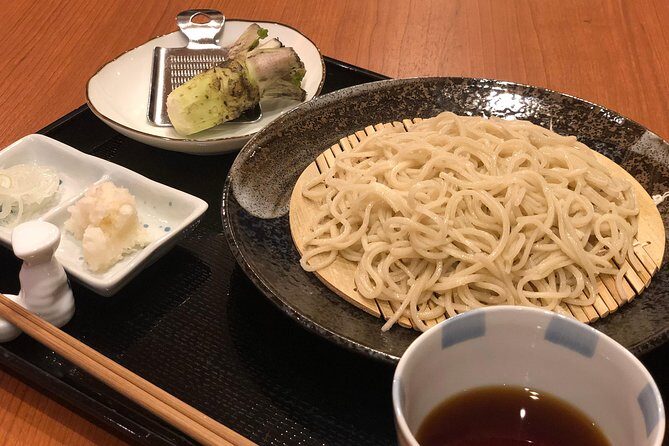
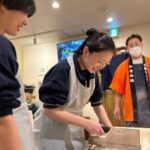
This experience is held in a real soba restaurant that’s open and operating, not in a dedicated training facility. That matters more than it sounds. In a working shop, the workflow is steady: dough work happens, boiling happens, plates move. You learn the craft in the same rhythm Japanese eaters see every day.
You’ll be guided by soba chefs who make and serve noodles regularly. Instead of a simplified script, the instructions are meant for how the locals think about soba: flour, water, feel, stretch, cut, then boil on time. I like that focus, because it helps you understand why soba texture can swing from great to bland with tiny changes.
The atmosphere is also calmer than the usual “grab a seat, take a photo, move along” model. The experience is designed as a small, private group format, so you get closer contact with the craftsmen rather than being one person in a big shuffle.
You can also read our reviews of more food & drink experiences in Sapporo

The Full Soba-Making Sequence: Buckwheat to Cutting
Many cooking classes only let you do one step and call it authentic. Here, you get the whole chain of work, from mixing through cutting, not just the fun parts.
Step-by-step what you’ll do
You’ll go through:
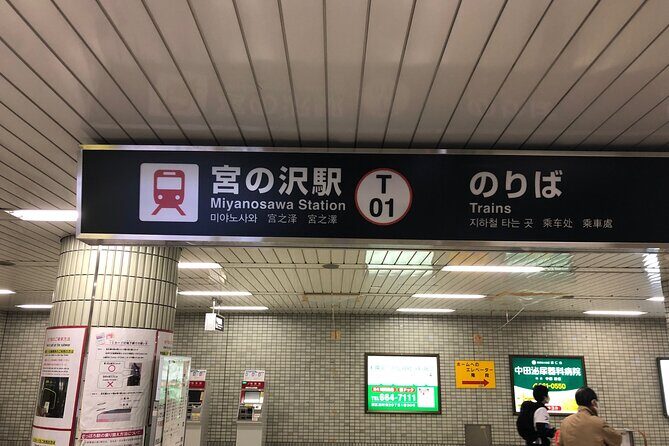
- Mixing buckwheat flour
- Putting the dough together
- Stretching the dough
- Cutting into soba noodles
Even if you don’t land the exact noodle shape on your first try, the value is in the process. Soba isn’t about one magic trick. It’s about control: how the dough behaves when you stretch it, how cutting affects thickness, and how timing matters before boiling.
Why this sequence teaches you something real
In a restaurant, you rarely think about the labor between buckwheat and your bowl. This plan forces your hands to learn what your mouth later reads. When you cut noodles yourself, you start tasting craftsmanship: the way aroma releases, how the bite feels, and how sauce clings.
That’s also why the experience feels like a culture lesson without turning into a lecture. Your senses get involved, because you are handling the materials and later eating what you made.
Boil, Eat, Repeat: Freshly Made Soba at Peak Flavor
One of the standout parts is the timing. You don’t just make soba and then wait for a later meal. Your noodles are served freshly made and boiled, at the moment when aroma and texture are at their best.
If you’ve only had soba that’s been held warm or prepped earlier in the day, you’ll notice the difference right away. Fresh soba has a lighter, more direct buckwheat smell, and the texture feels cleaner. It’s the kind of food where “warm noodle” isn’t the same thing as “fresh noodle.”
You can also read our reviews of more drinking tours in Sapporo


How you’ll eat it
Your soba comes with typical Japanese soba accompaniments. You may see:
- Warm soba sauce / broth-style options
- Tenkasu (crisp tempura bits used to add crunch and aroma)
This is practical learning. You experience how Japanese eaters adjust the experience with warm broth and toppings, rather than treating soba as a one-note noodle. It helps you understand why soba can feel both comforting and precise.
Hokkaido Tempura and Three Sake Styles: Temperature Changes Everything
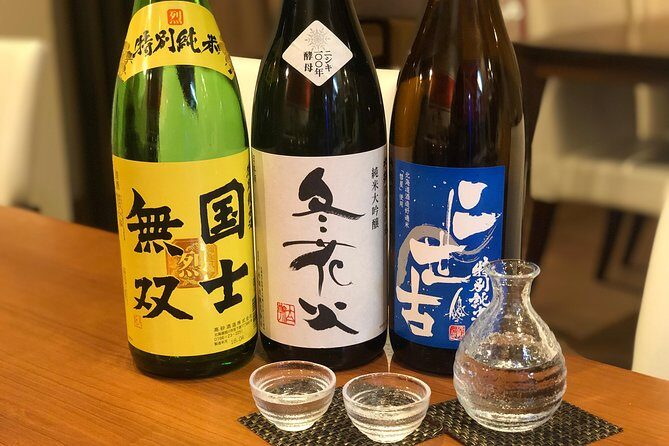
After you’ve done the noodle work, you move into the pairing. This is where the experience becomes more than just a cooking class.
Seasonal tempura that fits soba
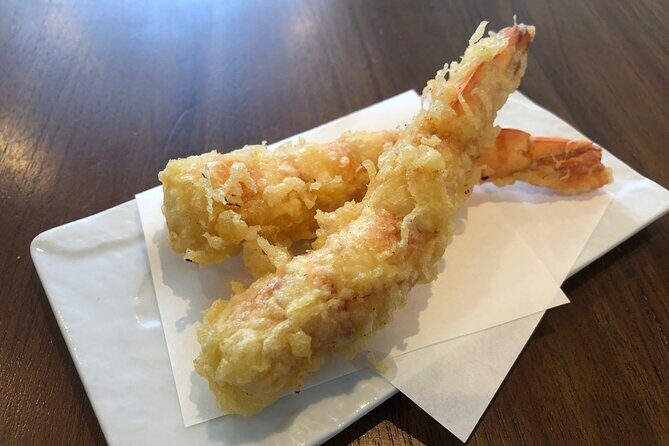
You’ll have tempura served alongside your soba, and it’s mainly made from seasonal Hokkaido ingredients. Tempura here isn’t about heavy sauces or flashy flavors. The idea is compatibility: crisp batter, light touch, and ingredients that don’t fight the buckwheat.
Practical note: tempura is made by a Japanese chef and can be dangerous if you get too close too soon. It’s worth taking the heat seriously and letting your serving cool for a moment before you start eating.
Three Hokkaido-only sake comparisons
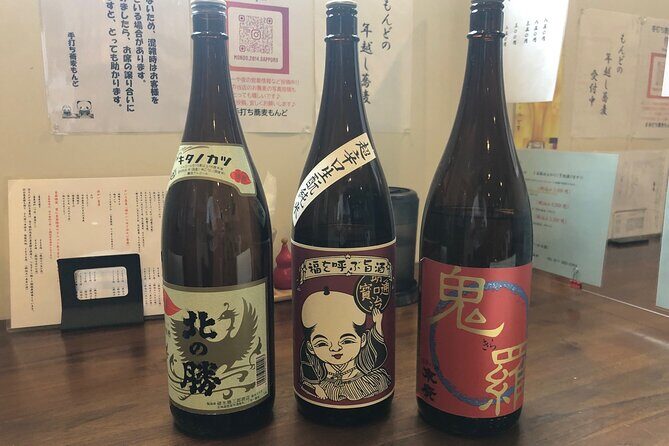
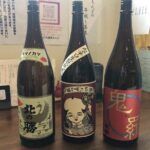
Sake is the other major “you will remember this” piece. You’ll taste three types of Hokkaido sake selected carefully by a sake master. The plan includes:
- Two cold sake
- One warmed sake
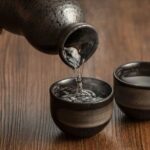
That setup is smart. It teaches you something you can use back home: temperature changes how you perceive aroma and flavor. Warm sake can feel rounder and more aromatic, while cold sake often feels crisper and more refreshing. You don’t just drink sake here; you compare it.
And if you’re new to sake, this plan aims to make it approachable. The sake choices are described as easy to drink and food-friendly, so your pairing doesn’t depend on you already being a sake expert.
Pairing logic: sake as a meal drink
This is a “sake to enjoy with meals” style of tasting. Instead of drinking sake as an isolated activity, you taste it next to noodles and tempura. That’s where most visitors learn the truth: sake works best when it supports the food rather than competing with it.
Small-Group Private Instruction in a Calm Space
This isn’t a huge group pass-through. It’s set up as a private tour/activity with a small number of people. That means you’re not stuck waiting while others finish cutting noodles.
You’ll likely spend more time asking questions and watching the chefs work close by. And because you’re in a real shop environment (open and operating), you feel the seriousness of the craft without the formality.
The overall vibe is politely focused rather than “big entertainment.” In the reviews-style world of this experience, people often point out the friendly, patient teaching when language isn’t perfect. One person gets direct instruction, you ask, you try again. That’s how you actually learn.
Price and Timing in Sapporo: What You’re Paying For
The price is $123.79 per person, and it’s typically booked about 40 days in advance. The duration is about 1 hour 15 minutes, so you’re not spending half a day in transit and waiting around.
Is it a lot? For Sapporo, it’s not cheap. But you are paying for multiple things at once:
- A real soba shop setting with working chefs
- Hands-on instruction through the core noodle steps
- Freshly boiled soba you eat immediately
- Tempura made by a chef
- A structured sake tasting with three options (two cold, one warm)
- A small-group private format rather than a large crowd experience
So the value is in the combination and the timing, especially the fresh boil and the sake comparisons. If you only want a light snack, this probably feels too “meal plus.” If you want an experience that connects craft and eating, it’s priced like that.
Where it starts
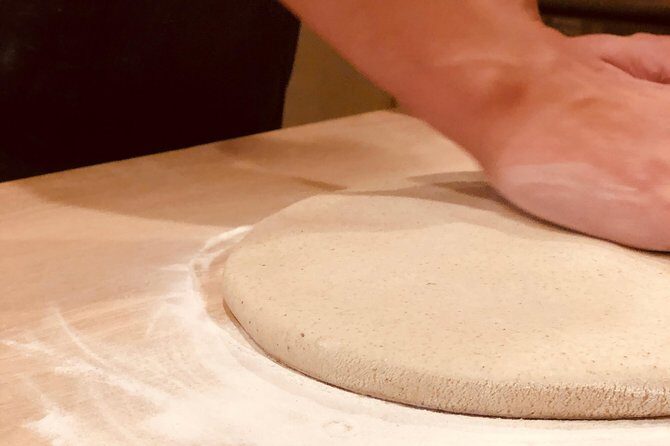
You’ll meet at 9-chōme-17-28 Hassamu 6 Jō, Nishi Ward, Sapporo, Hokkaido 063-0826, Japan and return there at the end. The meeting point is described as near public transportation, and you’ll use a mobile ticket. Confirmation is handled at booking time.
Important participation rule
This experience is limited to those aged 20 and over. If you’re traveling with a younger group, plan something else.
Who This Experience Suits Best (and Who Should Skip It)
This is a great match if you:
- Want real Japanese food craft, not a staged demo
- Like making something and then eating it right away
- Are curious about sake, especially how temperature changes the drink
- Enjoy Hokkaido ingredients and simple, food-first pairings
It might be less ideal if you:
- Prefer very hands-off experiences
- Have concerns about heat and hot tempura (the chef handles it, but it’s still hot food)
- Need an English-only explanation. You’ll get guidance, but instruction is delivered by the chefs in a real restaurant setting.
Should You Book This Sapporo Soba and Sake Workshop?
If you like your food travel with a clear point of view, I think it’s worth booking. The combination of full soba-making plus fresh boil tasting plus a three-sake comparison is the kind of “one ticket, many memorable parts” plan that actually pays off on a short trip.
Book it if you’re in Sapporo and you want something that feels like Japan’s daily life, not a performance. The tempura and sake pairing also turns it into a meal experience, not just a cooking lesson.
Skip it if you want something casual and quick, or if the age restriction doesn’t work for your group. Otherwise, this is the kind of evening-in-the-senses plan you’ll think about when you taste buckwheat later in your trip.
FAQ
How long is the soba, tempura, and sake experience?
It lasts about 1 hour 15 minutes.
Is this held in a real restaurant or a dedicated facility?
It’s held in a real hand-made soba restaurant that is actually open, not in a dedicated experience facility.
What parts of soba making do you do?
You’ll experience the process from mixing buckwheat flour, to putting the dough together, stretching, cutting, and then you can eat the soba that is freshly made and boiled.
What food is included with the soba?
You’ll be served soba along with tempura made from seasonal Hokkaido ingredients, plus Japanese-style items such as warm soba sauce and tenkasu.
How many kinds of sake are offered, and are they served cold or warm?
You’ll taste three types of Hokkaido sake: two cold and one warmed.
Is this a small group experience?
Yes. It’s described as a private experience with only your group participating.
Are there any age restrictions?
Yes. Participation is limited to people aged 20 and over.
Do I need to be comfortable with sake to enjoy it?
The plan selects sake that’s easy to drink and food-friendly, and it includes recommendations for people who are not familiar with sake.
How do I get to the meeting point?
You’ll meet at 9-chōme-17-28 Hassamu 6 Jō, Nishi Ward, Sapporo. It’s stated to be near public transportation, and the experience ends back at the meeting point.