REVIEW · KYOTO
Sacred Pathways: Discover the Philosopher’s Path of Kyoto
Book on GetYourGuide →Operated by Kyoto Fun · Bookable on GetYourGuide
Kyoto’s Philosopher’s Path looks like a living painting. Walking this route with stops at Ginkakuji and Nanzenji gives you more than pretty scenery—you get the Zen ideas behind the places and the calm pace to actually notice details. I like that the walk feels slow and human, not rushed, and I also like that you don’t have to juggle cash because entrance fees are included. The main drawback to plan around is simple: it’s about 5 km of walking, so comfortable shoes and a moderate fitness level matter.
I also appreciate how this tour keeps crowds down by running in very small groups (never more than eight) without big-group theatrics like flags, mics, or buses. If you’re lucky, you may get a guide like Kevin or Craig, who connect what you see to how Kyoto thinks about art, gardens, and place. Just remember it’s not a food tour, so you’ll want to plan your own drinks and meals around the 4-hour window.
In This Review
- Key highlights worth prioritizing
- Why the Philosopher’s Path walk feels special (and not touristy)
- Ginkakuji’s garden at the Silver Pavilion: what to watch for
- Nanzenji and the aqueduct: Kyoto’s dramatic side
- A guide who makes the context click (Kevin, Craig, and others)
- Price and value: how $64 adds up when entrance fees are included
- Who this tour suits (and who should think twice)
- What to do before you go: the comfort checklist
- Should you book Sacred Pathways: Discover the Philosopher’s Path of Kyoto?
- FAQ
- How long is the Sacred Pathways tour?
- How much does it cost?
- What’s included in the price?
- Are food and drinks included?
- How much walking is involved?
- Do I need to bring cash for temple entrances?
- What languages are the tour guides?
- Are drones allowed during the tour?
Key highlights worth prioritizing
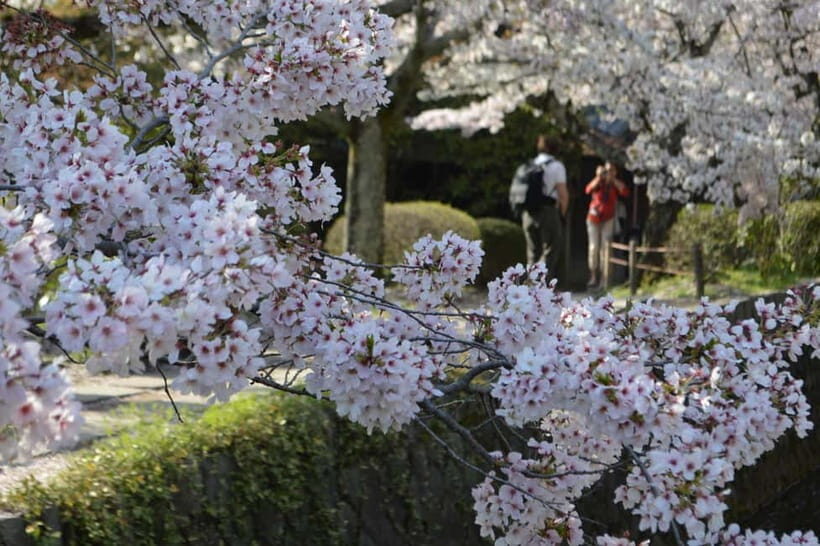
- A slow, thoughtful stroll along the Philosopher’s Path, paced for real photo stops and easy conversation
- Ginkakuji’s garden at Zen level detail, where raked gravel, carefully placed stones, and moss feel intentional
- Nanzenji’s big architecture plus the aqueduct, adding drama beyond the calmer garden areas
- Small group, no crowd choreography, with a maximum of eight people and no flags or mics
- Entrance fees handled for you, so you can focus on the day instead of your wallet
- Bilingual guiding with context, typically English/French plus a digital city guide for the walk
Why the Philosopher’s Path walk feels special (and not touristy)
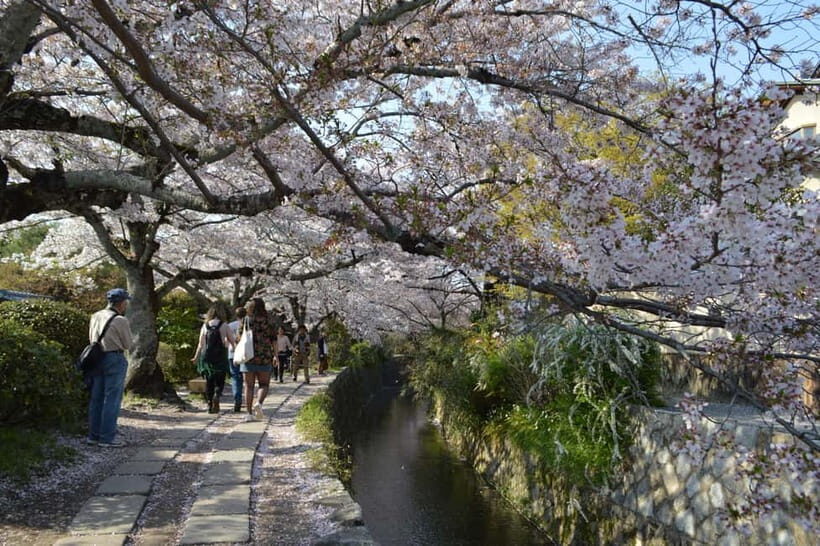
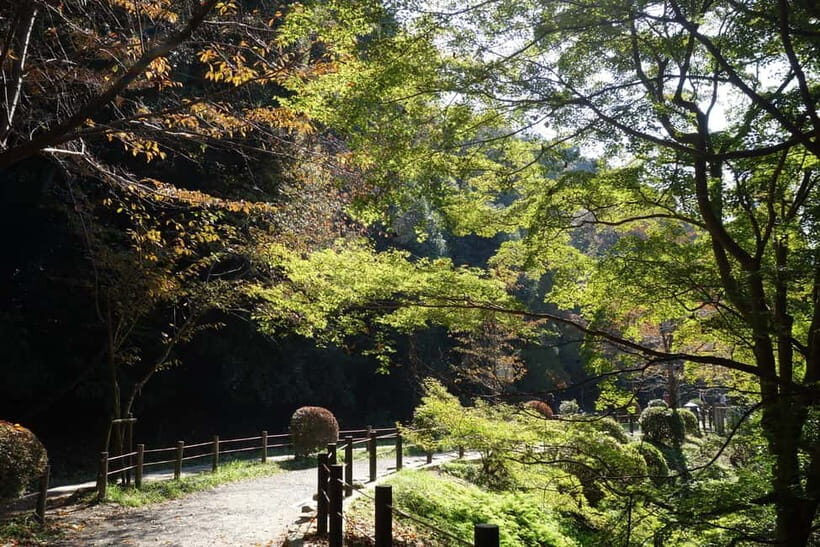
The Philosopher’s Path is famous for a reason, but the magic is in how you experience it. When you’re walking a tree-lined canal with nature all around, the everyday noise drops away. You’re not only looking at sights; you’re soaking up the small sounds—water and leaves working together—and the steady rhythm of a gentle walk.
I love that this tour is built for lingering. The route hugs the foot of Kyoto’s eastern mountains, and that detail matters: you’re not moving through the city’s busy grid. You’re moving alongside a kind of green corridor where the atmosphere changes as you go, especially when morning light makes moss look extra soft and dew-like.
The other thing I’d emphasize is how much easier it becomes to appreciate Zen gardens when someone gives you the right lens. A garden can look like “pretty rocks and sand” if you don’t know what you’re meant to notice. With guidance, you start reading the space: gravel patterns, stone placement, the way moss changes the texture of the ground, and how the garden invites quiet observation.
One practical consideration: you still have to enjoy walking. The tour covers about 5 km (3 miles), which is very doable for most people with decent stamina, but it’s not a sit-every-10-minutes type of outing.
You can also read our reviews of more tours and experiences in Kyoto.



Ginkakuji’s garden at the Silver Pavilion: what to watch for
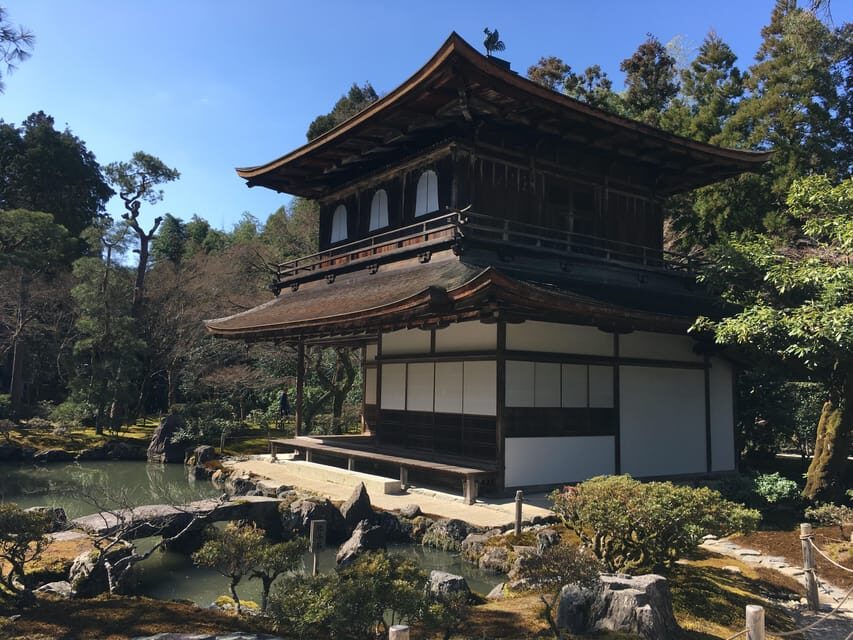
Ginkakuji—often called the Silver Pavilion—has a garden that people remember. The reason is that it doesn’t just impress with scale. It impresses with control: the way the garden looks ordered without feeling rigid, and the way every element seems meant to guide your attention.
On this tour, you go to one of the most beautiful garden experiences in Kyoto. Expect to slow down and look closely at Zen design cues. Think of it like this: in a raked gravel garden, the lines aren’t random. In a stone-and-moss setting, texture is part of the storytelling. Moss can look like a living carpet, and on softer light mornings it can glow in a way that’s hard to catch later in the day.
You also get context on how Zen shaped arts and culture, and that context turns the garden into more than visuals. Suddenly you can understand why people come here looking for calm, not just a photo. You’re being taught what to notice, and that changes your whole experience.
Small drawback to plan around: because it’s a garden-focused stop, you’ll benefit from having comfortable shoes and the ability to stand and pause. If your legs get tired quickly, take a moment to plan slower pacing for this segment.
Nanzenji and the aqueduct: Kyoto’s dramatic side
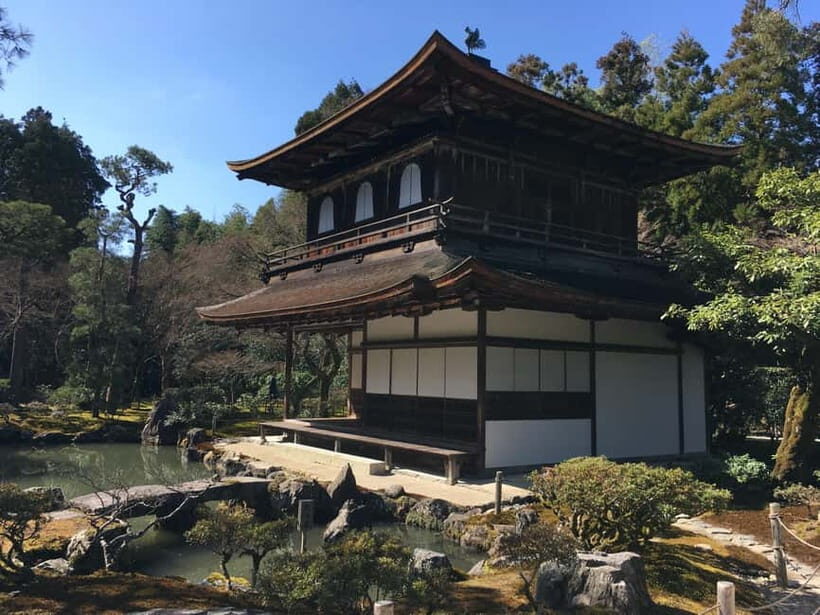
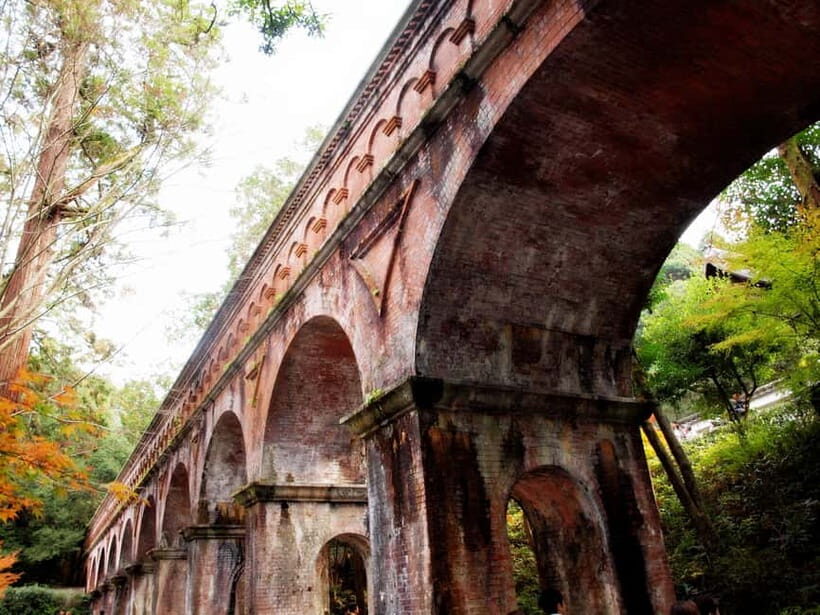
After the calmer garden atmosphere, the tour shifts to Nanzenji, one of Kyoto’s prominent Zen temples. This is where Kyoto can feel big and powerful. The architecture is impressive, and the aqueduct adds a strong, memorable visual element that makes the temple grounds feel even more monumental.
If you only associate temple visits with quiet courtyards, Nanzenji expands that picture. The aqueduct creates a strong sense of structure and presence, and it contrasts nicely with the gentle, canal-and-garden mood of the Philosopher’s Path. It helps balance your day: soft nature walk, precise garden design, then a more commanding temple scene.
This stop also makes the earlier Zen context feel more real. You start to see that Zen influence isn’t only about gardens with stones and gravel. It shows up in buildings, in layout, and in how people experience sacred spaces in daily life and culture.
Tip for your comfort: wear layers. Temple grounds can change temperature as you move between open areas and shaded sections.
A guide who makes the context click (Kevin, Craig, and others)
Here’s the biggest difference between this kind of tour and a self-guided wander: you’ll get the stories that make the places feel connected.
The guides are long-term Kyoto residents, and the tone is fun but informative. Based on what people shared, guides like Kevin and Craig can answer questions in a way that helps you keep moving forward instead of getting stuck at your own confusion. That matters, because without context, you can walk right past details and only notice what looks pretty.
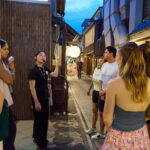
I especially like how the pacing supports conversation. You’re not sprinting between stops. The group is small—up to eight people—so you get enough time to hear explanations and still feel like you’re on a personal walk rather than in a pack.
Also, this tour is designed to avoid the usual large-group distractions. No flags and no mics means you can actually hear the atmosphere around you. That may sound minor, but it changes the day.
Price and value: how $64 adds up when entrance fees are included

At $64 per person for a 4-hour experience, this tour is priced like a “serious highlight walk,” not a quick sightseeing add-on. The value comes down to one smart idea: entrance fees are included, so you don’t end up doing the mental math mid-walk.
When a tour includes fees, you also remove a common stress point—no cash juggling at ticket gates, no last-minute detours, and no awkward wallet moments. That’s exactly the kind of simplicity you want in Kyoto, where walking time is precious and lines and ticket windows can change your schedule.
What’s not included is also clear: food and drinks are on you. That’s normal for a 4-hour cultural walk, but it’s still worth planning. Build in time for tea or a casual café stop along the Philosopher’s Path since shops and cafés line the route. If you’re aiming for a specific lunch plan, you’ll want to do it before or after the tour rather than expecting meals to be part of it.
Finally, this tour focuses on a modest amount of walking—about 5 km—which keeps the day from turning into “a whole day trapped in transit.” It’s a good balance: enough movement to feel like you explored, not so much that you’ll be wrecked.



Who this tour suits (and who should think twice)
This is a strong choice if you want a calmer, more intentional Kyoto day. I’d point you toward it if you’re the type who likes gardens, temple architecture, and explanations that connect what you see to broader Zen influence in arts and culture.
It’s also a great fit if you prefer small groups. When a tour stays under eight people and avoids mic-and-bus chaos, you get a better chance at photos, questions, and quiet moments.
You should think twice if any of these apply:
- You’re expecting a low-walking outing. 5 km is real, even if the pace is relaxed.
- You’re traveling with children under 10 years old. The tour isn’t suitable for them, and kids may need a private option instead.
- You’re very limited on mobility. The walking requirement asks for at least moderate fitness.
- You’re older than 95 years. The tour isn’t listed as suitable.
One more practical note: drones aren’t allowed, so don’t plan on filming from the air.
What to do before you go: the comfort checklist
Since this is a walking-centered tour, your prep is simple but important.
- Bring comfortable shoes you trust for uneven garden paths and temple grounds.
- Consider a light rain layer. A rainy atmosphere can change the feel of gardens in a good way, and it often helps reduce crowd pressure.
- Have water with you if you tend to get thirsty while walking, since drinks aren’t included.
- If you like planning ahead, you’ll also get a digital city guide, which can help you connect stops before you arrive.
And because entrance fees are covered, you can travel lighter and focus on the day.
Should you book Sacred Pathways: Discover the Philosopher’s Path of Kyoto?
Book it if you want the Philosopher’s Path experience done thoughtfully: a small group, a relaxed pace, and enough context to understand why the gardens and temple spaces feel the way they do. At $64, it also tends to feel fair because entrance fees are handled and the route is built around major Kyoto sights without swallowing your whole day.
Skip it (or switch to a more tailored option) if you can’t handle about 5 km of walking, or if you’re looking for a tour that includes meals. Also skip if you want a fully unstructured wander; this is guided, and the value comes from the explanations.
If you’re aiming for a calm Kyoto morning or early afternoon with real stops—Philosopher’s Path, Ginkakuji’s garden, and Nanzenji with the aqueduct—this is the kind of tour that makes the scenery stick in your head after you leave.
FAQ
How long is the Sacred Pathways tour?
The tour lasts 4 hours.
How much does it cost?
The price is $64 per person.
What’s included in the price?
Entrance fees are included, along with a bilingual guide and a digital city guide.
Are food and drinks included?
No. Food and drinks are not included.
How much walking is involved?
The tour is about 5 km (3 miles) of walking and requires at least a moderate level of fitness.
Do I need to bring cash for temple entrances?
No. All entrance fees are included, so you don’t need to bring cash for those.
What languages are the tour guides?
The live guide is available in English and French.
Are drones allowed during the tour?
No. Drones are not allowed.