REVIEW · OSAKA
Osaka: Food Tour at Night with Tastings
Book on GetYourGuide →Operated by Arigato Travel KK · Bookable on GetYourGuide
Neon, street food, and stories that connect the dots. This Osaka night food tour takes you through Dotonbori’s famous lanes with an English-speaking guide, mixing serious flavor with the kind of local character that rarely shows up on your phone map. I like that you get four food stops rather than a quick snack sprint, and I also like that the guide turns Osaka into a living place with people-focused stories, not just restaurant names.
The tour’s biggest practical upside is also the main thing to watch: it runs on a tight meeting-time system. You’ll meet at Starbucks Tsutaya Ebisu-Bashi and your guide can wait only about five minutes past the start, with phone contact after the tour begins kept off-limits. If you tend to arrive late or need frequent in-the-moment regrouping, plan carefully.
In This Review
- Key Highlights Worth Prioritizing
- Why Dotonbori Works Best After Dark
- Meeting Point, Start Time, and the 5-Minute Rule
- The Four Tastings: What You’ll Actually Eat and Drink
- Takoyaki, Kushikatsu, and the Osaka-Style Lessons
- The Secret Shrine Moment and Why Quiet Stops Matter
- The Guides: Matt O., Miki, Spencer, and the Local Storytelling Factor
- Price and Value: Is $181 Fair for 3 Hours of Food?
- Who Should Book This (and Who Might Skip It)
- Should You Book It? My Decision Guide
- FAQ
- Where is the meeting point for the Osaka night food tour?
- What time does the tour start, and is there a grace period?
- How many people are in the group?
- What’s included in the price?
- Can the tour accommodate dietary requirements?
- Do I need to provide passport information?
- Is hotel pickup included?
- Is there an age limit for the included drink?
- What is the cancellation policy?
Key Highlights Worth Prioritizing
- Dotonbori at night with a local guide guiding you through the crowds and the menus
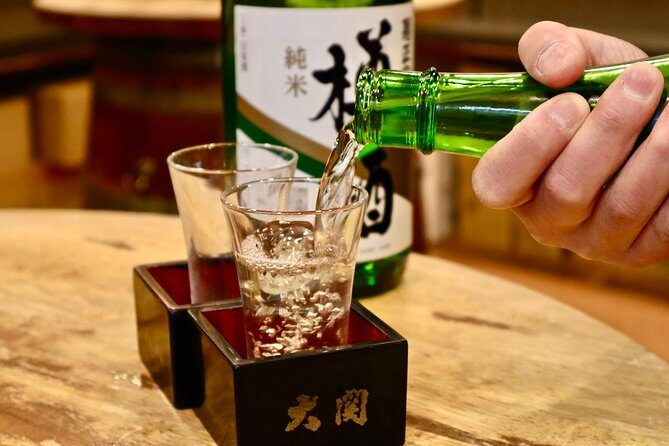
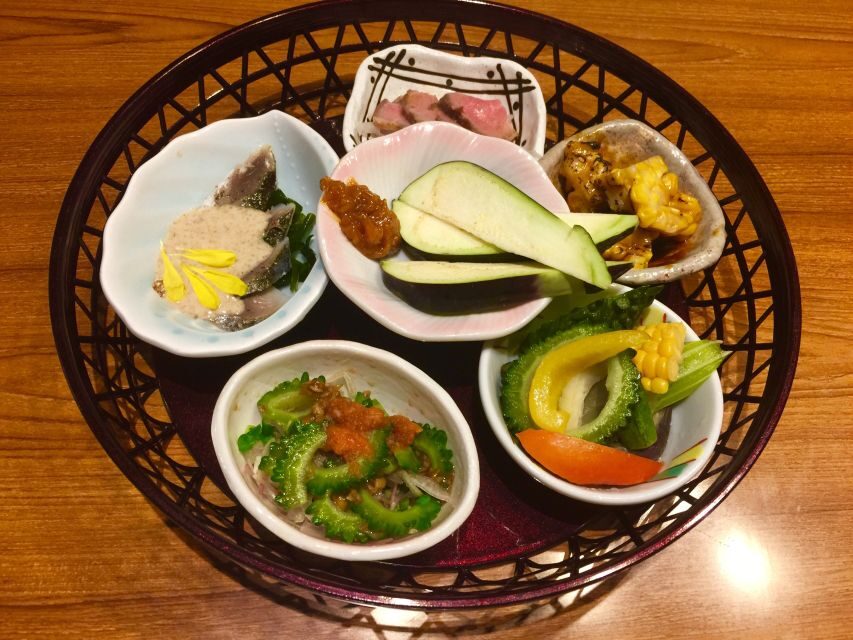
- 4 tasting stops plus one drink and a traditional Japanese dessert
- A secret shrine moment that feels like a reset from the neon
- Guide storytelling tied to Osaka’s characters and traditions, not just food facts
- Small group (max 10), so questions are easy and ordering can be handled for you
- Proven guide quality, with examples like Matt O., Miki, and Spencer standing out in reviews
Why Dotonbori Works Best After Dark
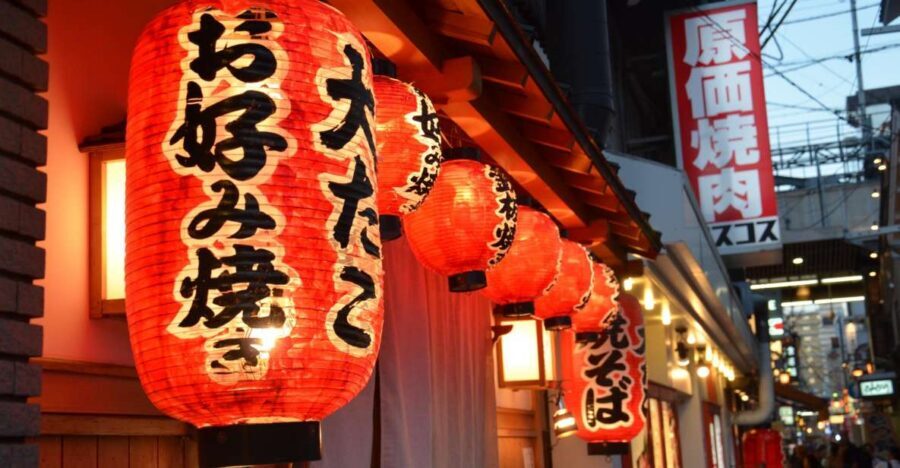
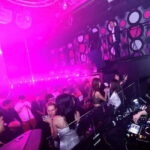
Dotonbori at night is when Osaka goes into full performance mode. The sidewalks thicken, the grills hiss, and food smells hit you before you even read the signs. That’s why this tour’s timing matters: you’re not trying to see Osaka and eat it at noon. You’re tasting while the district is doing what it does best.
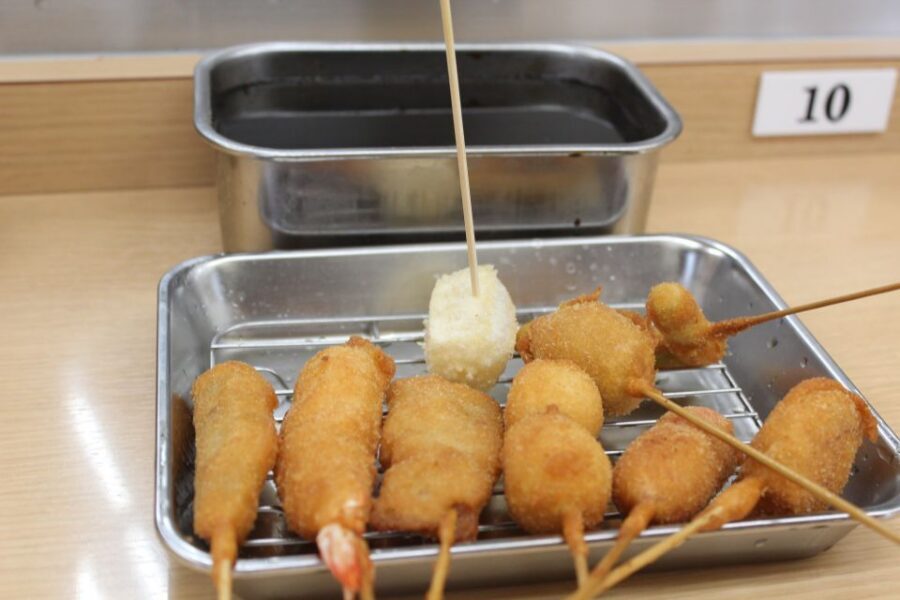
You’ll walk through the neon-and-signboard maze and focus on the things Osaka is known for: street-food comfort and regional favorites that feel built for eating while you stroll. Two popular examples you’ll come across are takoyaki (octopus balls) and kushikatsu (skewered bites). Even if you think you already know Osaka, the night format usually changes how the flavors land—hot things stay hot, crunchy things stay crunchy, and you’re in the same mood as the city.
And there’s another payoff beyond the food: the guide doesn’t just point. They explain. You’ll hear why certain places became famous, and you’ll learn about the characters and traditions that shaped Dotonbori’s identity. That context makes the street-food stops feel like chapters, not random bites.
You can also read our reviews of more food & drink experiences in Osaka

Meeting Point, Start Time, and the 5-Minute Rule
This tour is simple to find, as long as you follow the timing rules. You’ll meet in front of Starbucks Tsutaya Ebisu-Bashi in Dotonbori. Your guide will be holding a sign, which is helpful when the area is packed and signage blends together.
Here’s the part I’d plan around: you can’t treat this like a casual meet-and-greet. The tour meets at 4:45 PM, starts at 5:00 PM, and you should assume it departs right at the start time. The operator states they can wait only an additional five minutes after the starting time, and once the tour begins they can’t give directions or contact the guides on the phone. That’s done to protect the flow and to respect relationships with restaurants, so you’ll want to be there early.
If you’re using public transit, give yourself buffer time. Don’t schedule a museum or a long last-minute photo stop right beforehand. Osaka’s Dotonbori area is easy to wander, but easy to get turned around too.
Also note the group size limit: it’s a small group capped at 10, which is a big reason the timing needs to stay tight. With fewer people, the guide can move efficiently—and keep the food stops on track.
The Four Tastings: What You’ll Actually Eat and Drink
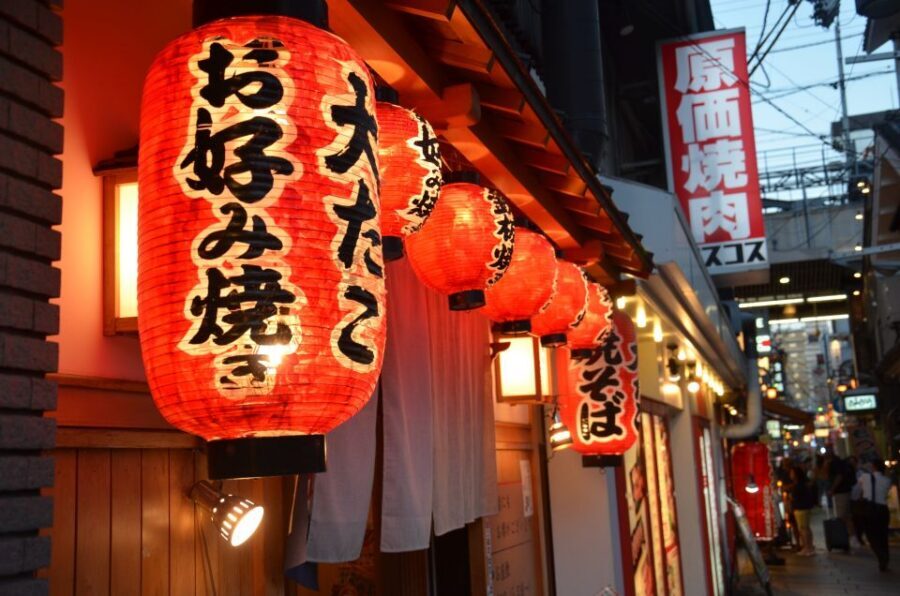
The core value here is that you’re paying for structure around food. You’re not just walking Dotonbori and hoping you pick well. You’re taking part in a route built around four food stops, plus one drink and traditional Japanese dessert.
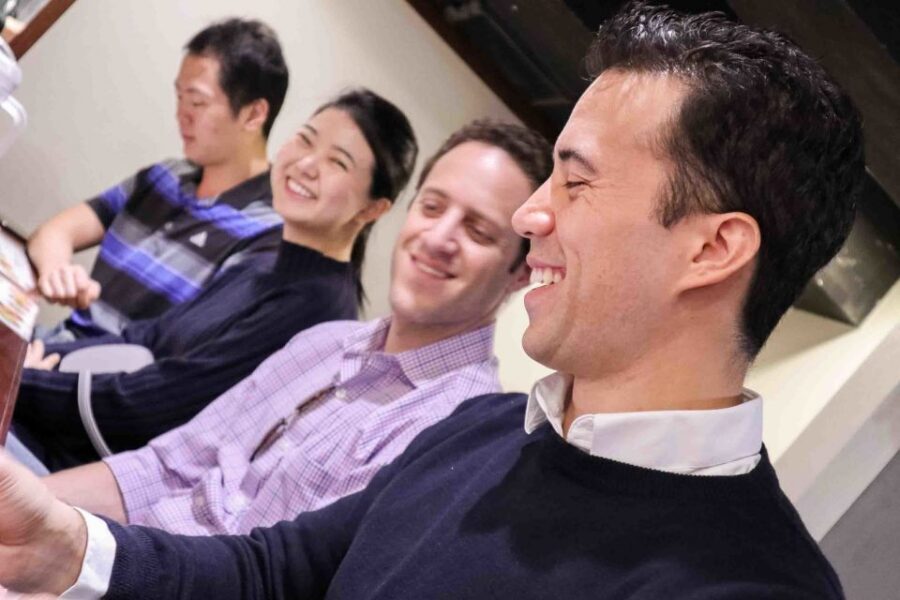
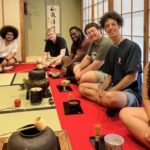
That usually means a mix of eating styles. The expectations describe the classic Osaka street-food vibe—think sizzling grills and casual places where you can grab bite-sized favorites. But the reviews also hint at something important: you may get moments that feel more like a proper Japanese pub experience where you can sit, relax, and actually listen to the guide. One review specifically mentioned it felt great to sit down at a Japanese pub, while the guide shared stories about Osaka.
One other practical detail that matters: the guide helps with ordering. In a review, Spencer was described as taking care of ordering so guests could sit back and be catered to. You don’t want your vacation to turn into a language puzzle every ten minutes, especially when you’re trying new foods.
So what do you taste? The info you’re given points clearly to takoyaki and kushikatsu, and it frames the tour as a mix of savory street food plus traditional regional specialties. Since the exact menu at each stop isn’t listed here, treat the tour as a guided sampler. Your goal is to be open to whatever Osaka puts in front of you—while knowing you’re getting variety across four stops.
And yes, it ends with dessert. If you’re the kind of person who loves a last sweet payoff, this is a smart finish instead of an awkward scramble for something sugary on your own.
Takoyaki, Kushikatsu, and the Osaka-Style Lessons
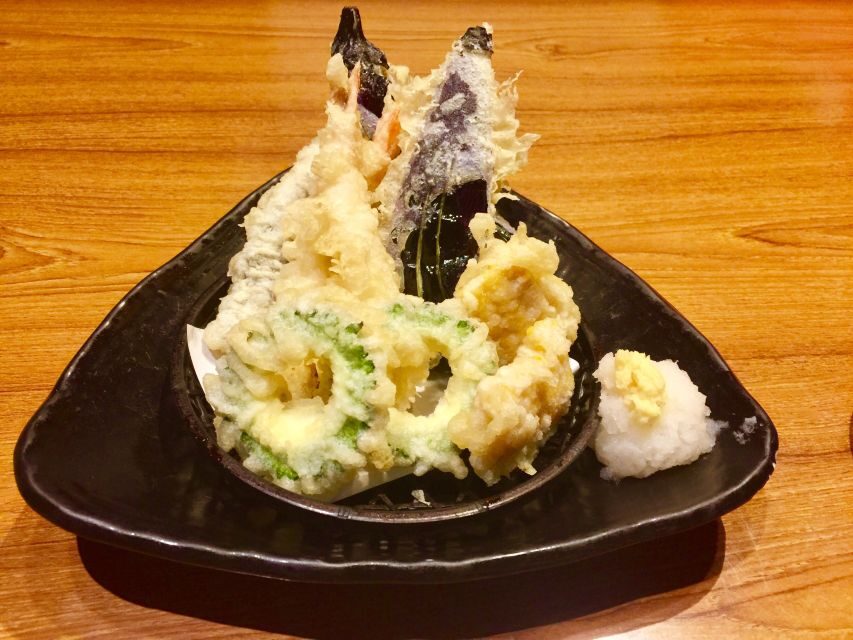
If you’ve eaten Japanese street food before, you might think you already understand the basics. But Osaka has its own personality, and the guide’s job is to help you notice it.
For takoyaki, the big variable is how it’s cooked and served—crispy outside, soft inside, and usually loaded with toppings that make it taste a bit different depending on where you try it. On this tour, you’re in the right setting to taste it the way locals do: in the atmosphere where it’s freshly made and you’re eating it in the flow of the district.
For kushikatsu, the fun is in the format. Skewers are built for sharing and for quick satisfaction while you keep walking. The tour’s description emphasizes the aromas and the grill sounds you associate with Osaka’s street scene, which is exactly what makes this kind of tasting feel more real than a sit-down meal alone.
The other lesson is cultural, not technical. The tour is described as sharing stories and insights into the characters that shaped Dotonbori. That kind of storytelling can sound abstract until you connect it to what you’re eating. Then suddenly you’re not just tasting food—you’re seeing how a place became a place.
Finally, you’re not doing this alone. Because it’s a small group, you’re more likely to get quick guidance like where to look on the menu and how to order without stress. And if you’re traveling as a couple or friends, it’s a good way to share tastes without turning every bite into a debate.
The Secret Shrine Moment and Why Quiet Stops Matter
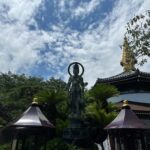
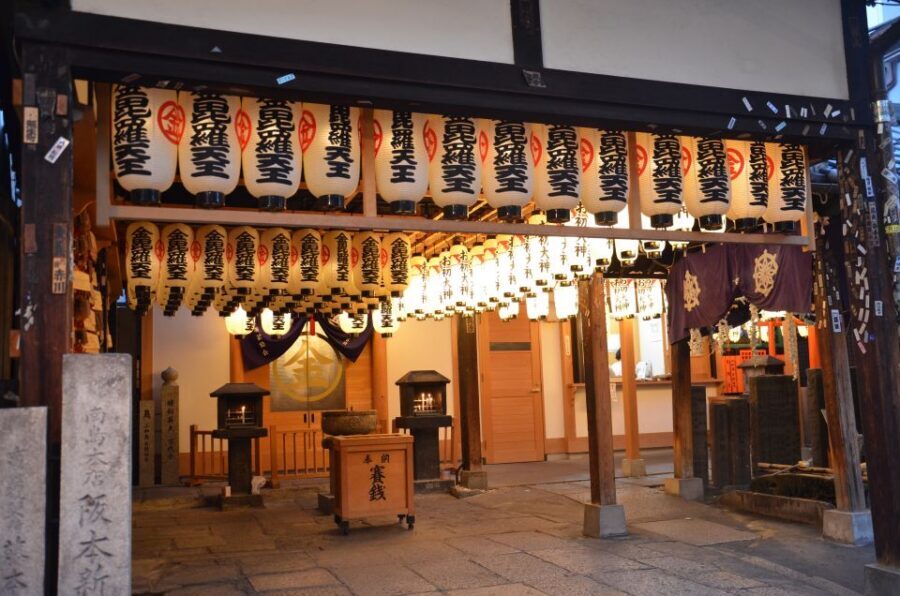
One of the most memorable aspects is the tour includes a secret shrine tucked away from the busy streets. That matters because it breaks the pattern. After you’ve spent time with neon signs, crowds, and constant food energy, you get a small reset.
Even if you’re not a hardcore temple visitor, this kind of pause changes your night. It gives you a breath, a different visual rhythm, and a chance to absorb the stories your guide has been telling. It also frames Osaka as more than just entertainment. You see that beneath the lights are traditions that still shape how locals move through the city.
In practical terms, it also helps your body. Three hours of night walking plus multiple tastings can be more tiring than you expect. A short, calmer stop keeps the experience comfortable rather than frantic.
And since the tour is designed for all ages, this quiet stop helps it feel balanced. You’re not only chasing the loudest food stalls; you’re seeing another side of the district that most people miss.
A few more Osaka tours and experiences worth a look

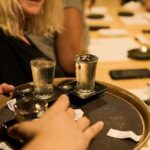
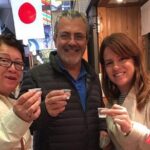
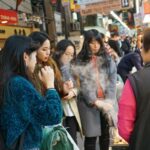
The Guides: Matt O., Miki, Spencer, and the Local Storytelling Factor
This tour’s quality isn’t just in the food. It’s in the guide’s tone and pacing. Multiple reviews highlight guides by name, and the repeated pattern is that they combine practical help with genuine pride in Osaka.
Matt O. was described as lovely, smart, informative, attuned, and kind, and the experience was said to overdeliver by taking people to places they would never have found on their own. That’s not a small claim—Dotonbori is famous, but it’s still full of side lanes and storefronts you’d miss if you were only following the biggest signs.
Miki was called wonderful and knowledgeable, with many stories about the local area and thoughtful choices of places to visit. Spencer got one of the clearest descriptions of how the experience can feel effortless: he took care of ordering and allowed guests to relax, plus he guided the group to hidden-feeling spots. One review even mentioned a former hotel with the second floor converted into dozens of bars, which signals the tour’s ability to add character beyond the obvious street-food icons.
What I like about this kind of guiding (and what you should look for) is how it reduces decision fatigue. You’re not spending your night comparing five restaurants and guessing which one is best. The guide handles the calls, and then you get the story behind those calls.
Because the group is small, the guide can also tailor the vibe: ask questions, get explanations, and move at a pace that feels human rather than rushed.
Price and Value: Is $181 Fair for 3 Hours of Food?
Let’s talk money plainly. At $181 per person for about 3 hours, you’re paying for several things at once:
- A local English-speaking guide
- Four food stops
- One drink
- Traditional Japanese dessert
- A small group size (max 10)
What makes the price feel more reasonable is that the cost isn’t only labor. You’re buying a guided sequence of meals and snacks, plus someone managing ordering and restaurant flow. In a famous food district, that kind of help can save time, prevent wrong turns, and keep you from under-eating or overpaying at places that look good but aren’t the best match for what you want to try.
Also consider what’s not included: hotel pickup, transportation costs, gratuity, and any additional drinks or food beyond what’s listed. If you plan to drink a lot more than the included one, your final total will rise. If you want local food plus a guide-led plan, the base price already covers the big chunk of the tasting.
So is it worth it? For me, it’s a good sign that the tour has a 4.9 rating and that the guide quality gets called out repeatedly. The best food tours aren’t just about eating—they’re about eating in the right places and understanding what you’re tasting.
If you’re the type who loves guided experiences and wants a stress-free night built around Osaka’s food culture, this price likely matches the value.
Who Should Book This (and Who Might Skip It)
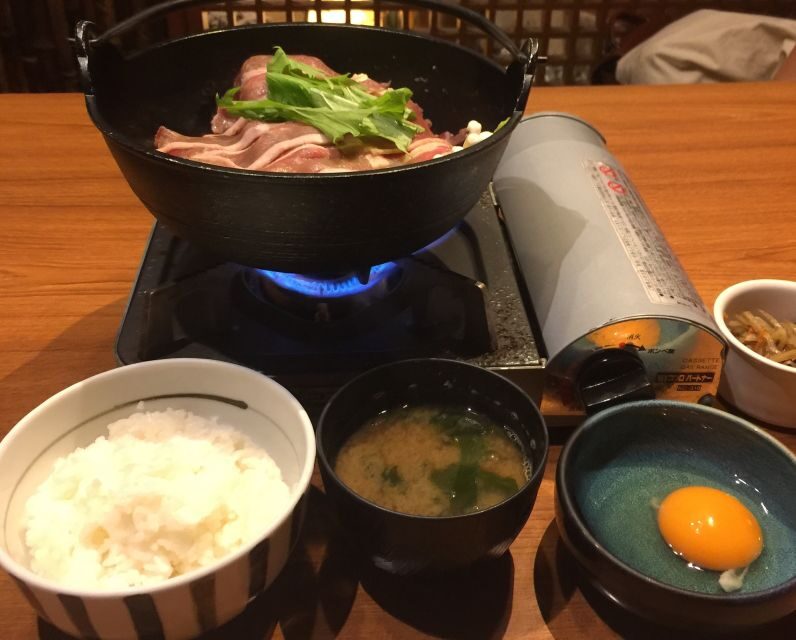
This tour is a strong match if you want Osaka’s Dotonbori night experience without spending hours planning food stops. It’s also a good fit for people who care about stories and local context, not just photo ops.
It’s especially well suited for:
- Couples and small groups who want shared tastings
- First-timers who want an efficient introduction to Dotonbori
- People who prefer a guide to handle ordering
- Travelers who like a mix of street food and a calmer cultural pause at a shrine
Consider skipping it if:
- You’re extremely sensitive to timing and may struggle with the 5-minute grace window
- You only want free-roaming time and don’t want scheduled food stops
- You’re looking for a fully customizable menu where you choose every item yourself (this is a guided tasting route)
One more note: the tour includes a drink, and the minimum drinking age is 21. If you’re under that age, you should plan for how the included drink will work for your situation.
Should You Book It? My Decision Guide
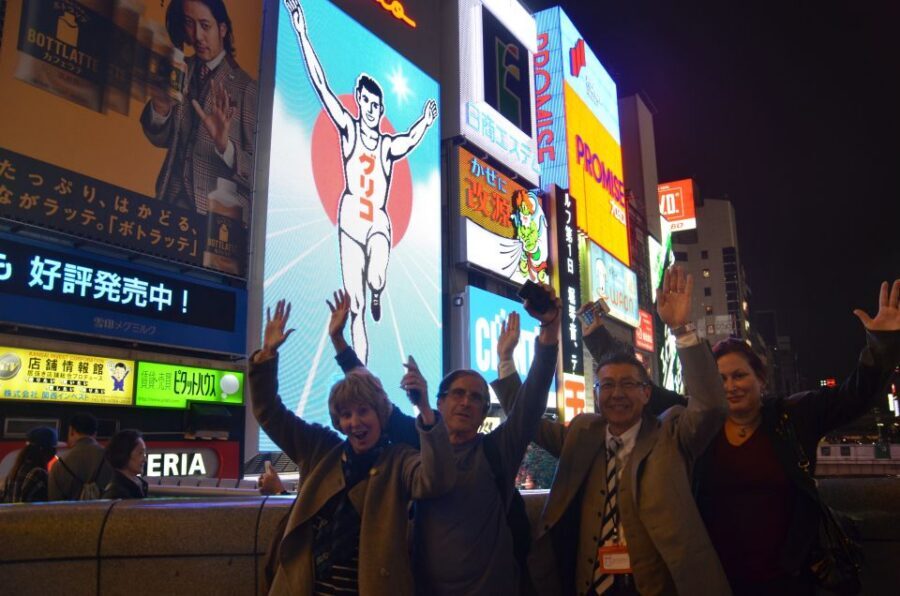
Book this tour if you want the best version of Dotonbori in one night: four tastings, dessert, one drink, and stories with a real local guide, plus a rare quiet stop at a shrine. The small group setup and the guide’s help with ordering are exactly the kind of details that turn a crowded food district from stressful into fun.
Skip or think twice if your schedule is loose, you hate structured timing, or you’re trying to maximize time for independent wandering. In those cases, you might feel constrained by the start time and fixed tasting order.
If you can show up on time and you’re excited about takoyaki, kushikatsu, and the Osaka-at-night mood, this one is an easy yes.
FAQ
Where is the meeting point for the Osaka night food tour?
You’ll meet in front of Starbucks Tsutaya Ebisu-Bashi in Dotonbori, and your guide will be there holding a sign.
What time does the tour start, and is there a grace period?
The meeting time is 4:45 PM, the tour starts at 5:00 PM, and the end time is 8:30 PM. The operator notes they can wait only an additional five minutes after the starting time.
How many people are in the group?
This is a small group tour limited to 10 participants.
What’s included in the price?
You get tastings at 4 food stops, one drink, a traditional Japanese dessert, and an English-speaking local guide.
Can the tour accommodate dietary requirements?
Yes. Dietary requirements can be accommodated.
Do I need to provide passport information?
Yes. A copy of the passport information is required for every participant aged 10 and over.
Is hotel pickup included?
No. Hotel pickup is not included, but it can be arranged for an additional charge.
Is there an age limit for the included drink?
Yes. The minimum drinking age is 21.
What is the cancellation policy?
You can cancel up to 24 hours in advance for a full refund.