REVIEW · TOKYO
Shibuya Tokyo: Onigiri & Tamagoyaki Cooking Class
Book on GetYourGuide →Operated by Sorisso · Bookable on GetYourGuide
Shaping rice is surprisingly calming, and seriously tasty. This onigiri and tamagoyaki class is a hands-on way to understand Japanese comfort food at a practical level. I like the focus on getting the rice right (texture and taste matter more than you’d think), and I like learning traditional nori wrapping and shaping instead of just copying a finished model. One drawback to consider: if you have severe or life-threatening food allergies, this setup may not be suitable, so you’ll want to check first.
The format is built for real learning. You get an English-speaking host, an apron rental, and the tools and ingredients to make 3 rice balls and half a portion of rolled omelet per person, plus recipes and a small souvenir to take home. The kitchen is described as cozy and easy to find, and the vibe stays friendly and encouraging.
For me, the best part is how quickly the class turns into food you can eat while your hands are still warm from forming it. You’ll work through the steps that make onigiri more than a snack: choosing rice, shaping, and matching fillings with texture. Just plan on arranging your own transportation since getting there and back isn’t included.
In This Review
- Key things I’d watch for in this Shibuya onigiri and tamagoyaki class
- Why onigiri and tamagoyaki are a smart cooking class combo
- Entering the class kitchen: what the first 10 minutes teach you
- The rice lesson: the step most people get wrong
- Shaping onigiri: triangles, firm hands, and clean edges
- Nori wrapping: getting seaweed to cooperate
- Fillings: traditional favorites plus modern options
- Tamagoyaki rolled omelet: the practical technique segment
- Eating what you made: why the final meal feels different
- Price and value: what $49 gets you beyond the recipe
- Logistics that matter: timing, group size, and getting there
- Dietary fit: gluten-free possibilities and allergy limits
- Who this onigiri and tamagoyaki class suits best
- Should you book Shibuya’s onigiri and tamagoyaki cooking class?
- FAQ
- How long is the onigiri and tamagoyaki class?
- What’s included in the price?
- Is transportation to the venue included?
- Are there dietary accommodations?
- How big is the group?
- Is it suitable for young children?
Key things I’d watch for in this Shibuya onigiri and tamagoyaki class
- Rice choice and texture tricks that actually change the outcome
- Nori seaweed wrapping skills you can repeat at home
- Triangle vs. creative shaping so it feels like Japanese technique, not craft time
- Traditional and modern filling ideas (including vegetarian options)
- Small-group attention with limited seats, so questions land fast
- Take-home recipe booklet and a small souvenir to extend the experience
Why onigiri and tamagoyaki are a smart cooking class combo
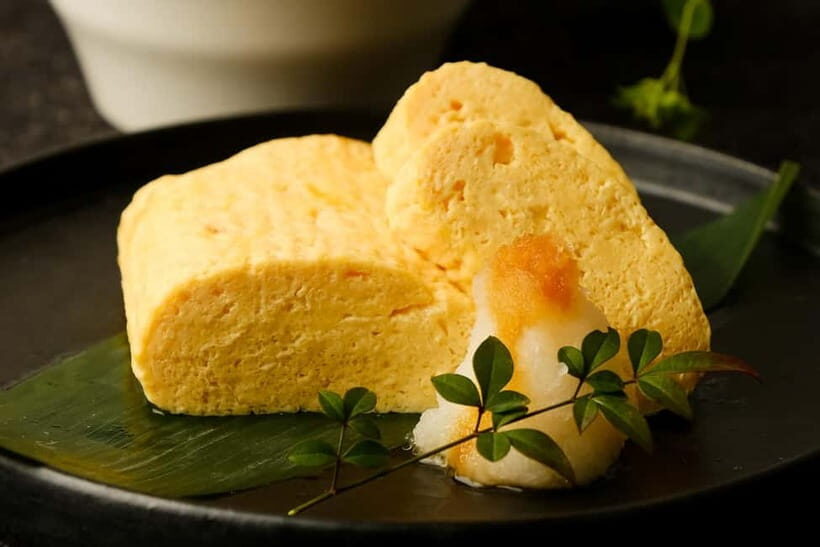
Onigiri and tamagoyaki feel different, but they teach the same big idea: Japanese food is about balance. Onigiri is simple on the surface, yet it demands control—rice texture, seasoning, and tight shaping. Tamagoyaki, the rolled omelet, is also about technique: heat, timing, and the way you roll and stack.
That’s why this class works well even if you’re not a “serious cook.” You’re not just assembling a meal. You’re learning what Japanese home cooks rely on: the rice you choose, the way you handle it, and how you build flavor into something portable and satisfying.
And yes, it’s fun. The class ends with the best teacher of all—eating what you made with your own hands. In one review, the “share the meal” moment stood out as a special part of the experience, especially when you’re in a very small group.
You can also read our reviews of more cooking classes in Tokyo


Entering the class kitchen: what the first 10 minutes teach you
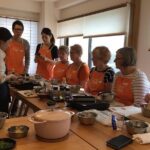
Most cooking classes start with recipes. This one starts with technique. You’ll be in a small shop kitchen setup, and because the group is limited to 8 participants, it doesn’t feel like a crowded factory line. You can spread out and actually work.
Early on, you’ll get guided attention from the English-speaking host. Even if you’ve never shaped onigiri before, the teaching pace is meant for beginners. One review called out that instructions were clear and steps were explained well, and that matches what this format needs: onigiri shaping is hard to learn from a wall poster. You need a person showing you what “right” looks like.
You’ll also be outfitted with an apron rental, which sounds minor, but it helps your brain relax. When you’re not worrying about splatter or mess, you can focus on the important parts: how the rice feels when it’s ready and how nori behaves once it touches the rice.
The rice lesson: the step most people get wrong
If you only remember one thing from this class, make it this: the rice is the whole deal. Onigiri sounds basic, but the difference between good and great is the rice texture and seasoning balance.
You’ll learn about the nuances of choosing the right rice and the role it plays in the final bite. That means you’ll pay attention to how rice behaves when it’s warm—how it sticks, how it holds a shape, and how it tastes once seasoned.
Why this matters for you:
- Cold rice won’t behave the same way for shaping.
- Rice that’s too sticky can make nori wrapping messy.
- Rice that’s too dry can make triangles fall apart in your hands.
In practical terms, this class helps you avoid the classic souvenir-bag trap, where you buy ingredients and then wonder why your homemade onigiri doesn’t look or taste like the real thing. The host’s explanations set you up to make better decisions the next time you’re cooking rice at home.
Shaping onigiri: triangles, firm hands, and clean edges
Once the rice is ready, shaping becomes the main event. You’ll learn traditional onigiri shaping techniques, including classic triangle forms and other designs. This is where the small group size pays off: with only a few people at the station, you’re more likely to get individual corrections and quick fixes.
Shaping onigiri is partly muscle memory and partly sensory timing. You have to handle warm rice without squishing the texture. You also need the rice to compress enough to hold together, but not so much that it becomes dense or gummy.
You’ll practice until it feels natural. In one review, the class felt wonderfully personal because there were only three people, and that personal attention is exactly what makes shaping easier. If you’re worried you’ll be slow, don’t. The goal is confidence, not speed.
And there’s another payoff: once you understand the shaping logic, you can apply it to future lunches. Onigiri becomes a skill, not a one-time activity.
Nori wrapping: getting seaweed to cooperate
Nori seaweed is both flavor and packaging. Wrap it well and it adds a salty ocean note while holding everything together. Wrap it poorly and it can get awkward—wrinkly, loose, or hard to manage.
This class teaches traditional wrapping techniques using nori seaweed. You’ll learn how to position the sheet, how to avoid trapping unwanted air gaps, and how to keep the wrap snug without tearing the delicate edges. It’s a small step, but it changes the whole eating experience: a clean nori wrap makes onigiri feel like a real Japanese convenience-store snack upgraded by handcraft.
This is also where the host’s guidance helps. Nori can feel fiddly at first, especially if you’re new to it. Having someone explain the process in clear English saves time and reduces frustration.
A few more Tokyo tours and experiences worth a look





Fillings: traditional favorites plus modern options
The best onigiri has a filling that makes sense with the rice. This class explores a variety of fillings—traditional and also modern interpretations—plus vegetarian choices.
That variety matters because you’ll learn a pattern, not just a lineup of ingredients. Fillings aren’t just there to add flavor. They influence:
- how salty the bite feels next to plain-seasoned rice
- how wet or dry the center is (which affects how neatly the onigiri holds together)
- how much you need to pack into the center before sealing
You’ll also be able to compare flavors as you work. In a small-group class, you’re not stuck waiting for someone else’s turn. You’re actively tasting what you’re building, which makes the final meal more satisfying.
If you tell the host about your preferences in advance, you may be able to steer toward vegetarian options. If you have gluten-free needs, the class notes that gluten-free options may be available upon request—but you’ll want to communicate your needs ahead of time because severe allergies aren’t fully covered.
Tamagoyaki rolled omelet: the practical technique segment
Half a portion of rolled omelet per person is included, and tamagoyaki is a great skill to learn in a short class. It looks fancy, but the technique is learnable when you’re shown the steps and given the right tools.
The class experience is designed for a 90-minute window, so you’re not trying to create a multi-course Japanese kitchen masterpiece. You’re learning the basics of rolling and finishing the omelet so it sets properly and holds its shape.
Why tamagoyaki is worth your time here:
- It pairs naturally with onigiri, so your meal feels complete.
- It teaches heat control and timing, two things that carry over to lots of other cooking.
- You get a tangible result fast, which keeps motivation high.
Plus, since the ingredients and utensils are included, you’re not hunting for specialized gear before you even start.
Eating what you made: why the final meal feels different
This is not a class where you watch someone else cook while you stand around with a notebook. You make the food, then you eat it together. In the reviews, the meal-sharing moment stood out—especially in smaller groups, where conversations and first bites come naturally.
Sitting down after you form shapes and wrap nori changes how you taste the food. You notice things you might miss otherwise:
- how rice seasoning holds up against the filling
- how nori adds contrast to warm rice
- how tamagoyaki sweetness/savory notes balance the saltiness
It’s also a great way to build confidence. If your onigiri didn’t come out perfect in shape, you’ll still understand why it tastes right—and you’ll know exactly what to improve next time.
Price and value: what $49 gets you beyond the recipe
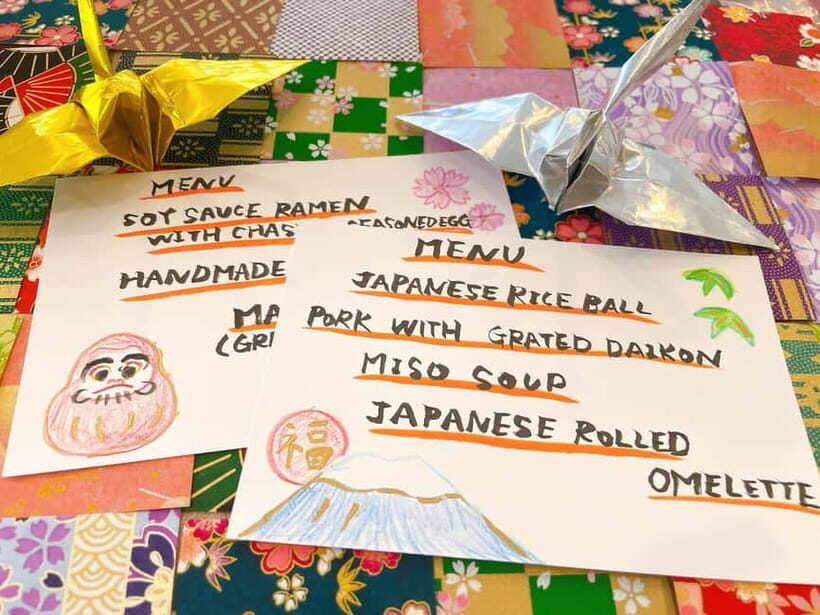
At $49 per person for a 90-minute class, the price feels fair once you look at what’s included. You’re paying for guided technique and hands-on practice, not just ingredients.
Here’s what you’re getting as part of the value:
- Ingredients and utensils to make 3 rice balls and half a portion of rolled omelet per person
- Apron rental, plus a small souvenir
- Recipes you can use again at home
- An English-speaking host and small-group setup (limited to 8 participants)
If you tried to recreate this alone, you’d quickly spend time figuring out rice handling, nori wrapping, and omelet rolling. Most of the cost of learning cooking skills is time and trial-and-error, and this class compresses that learning into a guided session.
The other quiet value: you’re building a skill you can repeat. Onigiri is portable and convenient, and learning it in Tokyo helps you understand why it’s such a popular comfort food.
Logistics that matter: timing, group size, and getting there
The class runs for 90 minutes. That’s a sweet spot: long enough to learn rice handling, shaping, nori wrapping, and tamagoyaki basics, but not so long that you lose momentum.
Group size is limited to 8 participants, which is a big deal for a hands-on activity. In practice, it means more chance for the host to correct your technique and answer questions before you lock in bad habits.
Transportation isn’t included, so you’ll want to plan your route ahead of time. One review noted the location was easy to find, which helps, but you should still budget time to get there comfortably so you’re not rushing at the start.
Dietary fit: gluten-free possibilities and allergy limits
This class is designed to be friendly and accommodating where possible, but the rules are clear. If you have dietary restrictions or allergies, you should let the host know in advance. Gluten-free options may be available upon request.
At the same time, the class is not suitable for guests with severe or life-threatening food allergies. That’s not a small footnote—it’s the main consideration if allergies are part of your planning.
If you’re not dealing with severe allergies, vegetarian fillings are part of the lineup, so there’s likely something that works for you. If you are, ask direct questions when booking and again on arrival, so you’re not guessing.
Who this onigiri and tamagoyaki class suits best
This is a great match if you want:
- a hands-on Tokyo food experience with real instruction
- a skill you can reproduce at home
- an English-speaking host and a small group for better attention
It also works well for families, as long as your children meet the age guidance. The class is not suitable for children under 5 years, so plan accordingly.
If you love Japanese cuisine, you’ll enjoy learning why small choices—like rice texture and nori wrapping—change everything. And if you’re new to cooking classes, the beginner-friendly pace makes it approachable.
Should you book Shibuya’s onigiri and tamagoyaki cooking class?
Book it if you want a practical Japanese cooking skill in a small, friendly setting. The strong points here are the instruction quality, the cozy setup where you can work comfortably, and the way the class turns into a shared meal you actually understand.
Skip it or re-check your fit if you have severe or life-threatening allergies, since the class isn’t set up for that. Also consider whether you’re ready to handle a hands-on session where rice and nori require a bit of patience at first.
If your goal is authentic technique—rice, shaping, nori wrapping, and a rolled omelet—this one is a solid use of time in Tokyo.
FAQ
How long is the onigiri and tamagoyaki class?
The class lasts 90 minutes.
What’s included in the price?
You get the cooking class, ingredients and utensils to make 3 rice balls and half a portion of rolled omelet per person, apron rental, recipes, a small souvenir, and guidance from an English-speaking host.
Is transportation to the venue included?
No, transportation to and from the venue is not included.
Are there dietary accommodations?
If you have dietary restrictions or allergies, you should let the host know in advance so they can do their best to accommodate where possible. Gluten-free options may be available upon request, but the class is not suitable for guests with severe or life-threatening food allergies.
How big is the group?
This is a small group limited to 8 participants.
Is it suitable for young children?
No, the class is not suitable for children under 5 years.