REVIEW · TOKYO
Tameike: Exploring the Heart of Japanese Politics Tour
Book on GetYourGuide →Operated by Wise Guides / Wise-Infinity inc. · Bookable on GetYourGuide
Politics, shrines, and matcha in three hours.
This tour is a smart way to see Japan’s government without getting lost in jargon. You start at the National Diet Building and get a guided English walk through the key spaces where decisions get made, with time for questions and real-world context. I especially like how the visit connects the big, official world of Japanese politics with everyday culture right next door.
Two parts made this feel genuinely memorable. First, the guide’s talk about how Japan’s political system works and how voting procedures fit into daily life (plus clear answers to follow-up questions). Second, the stop at Hie Shrine for career success and matchmaking, including the monkey-themed details and the power-spot vibe. One thing to plan around: the National Diet Building has stairs, and some shops along the way may not take cards, so you’ll want comfortable shoes and a little cash.
In This Review
- Key highlights I think you’ll feel right away
- National Diet Building: where Japan’s decisions get made
- How the Diet Building tour stays useful (not just sightseeing)
- Hie Shrine: career success, matchmaking, and the monkey details
- Dobashi-en: matcha and sweets that actually finish the day
- Value and pricing: what $129 buys you here
- Timing and logistics that affect your comfort
- Who should book this (and who might want something else)
- Tips to get the most from your guide and questions
- FAQ
- FAQ
- Where is the meeting point?
- How long is the tour?
- Is the tour guide available in English?
- How big is the group?
- What’s included in the price?
- Should I bring cash?
- Can I get a full refund if plans change?
- Should you book the Tameike Politics + Shrine + Matcha Tour?
Key highlights I think you’ll feel right away
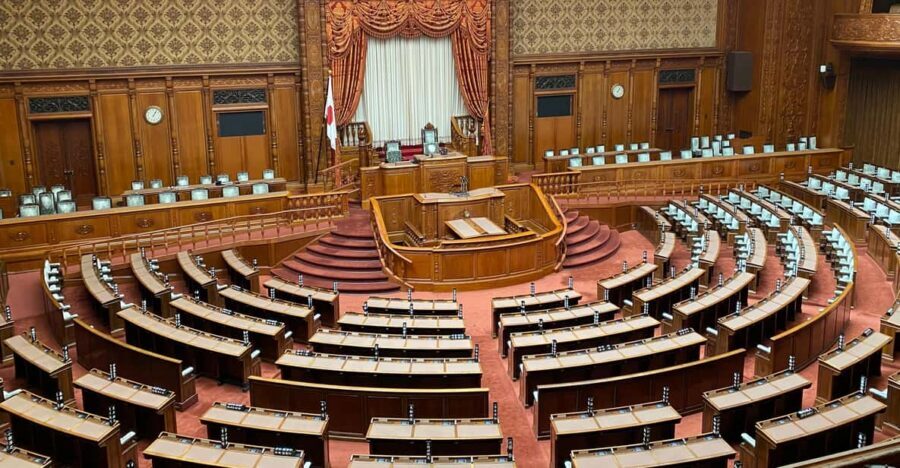
- National Diet Building in English with time for Q&A on how the system works
- Hie Shrine’s power-spot theme for career success and matchmaking
- Monkey motifs everywhere (guardians, motifs, votive tablets, charms)
- Tea and sweets at Dobashi-en, finished off with traditional matcha flavors
- Small group up to 5 means more chances to ask questions
National Diet Building: where Japan’s decisions get made
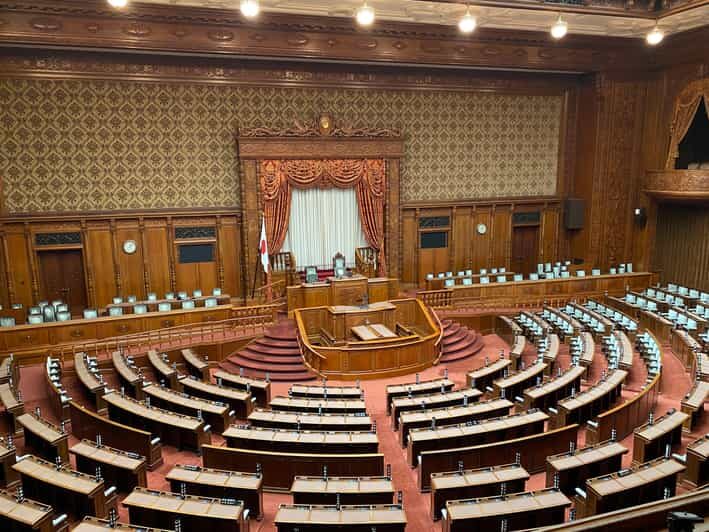
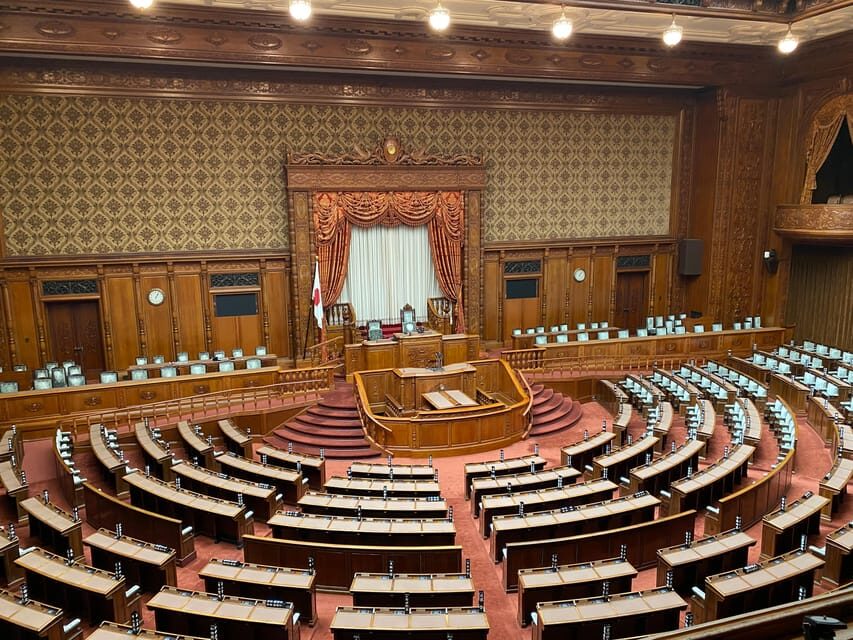
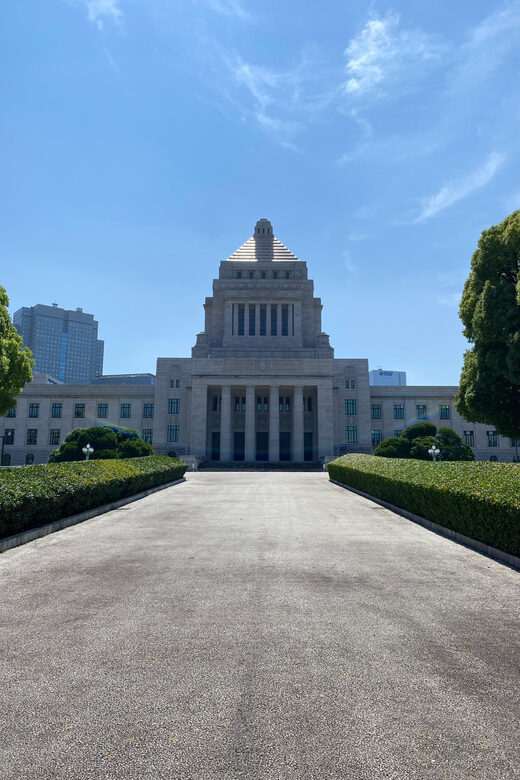
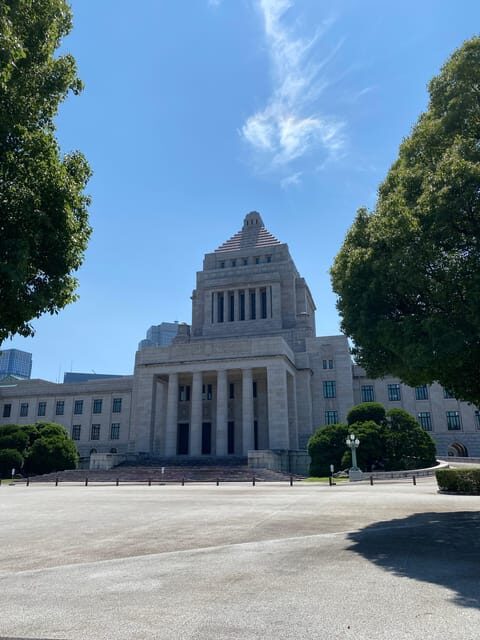
If you only do one “politics” stop in Tokyo, the National Diet Building is the one that makes sense. It’s not just a pretty landmark. You’ll be walking through the spaces people associate with the government, and the tour gives you the story behind what you’re seeing.
The guide focuses on the essentials: how the Japanese political process is structured, what happens in the rooms you visit, and what those decisions mean in plain terms. You don’t need a background in civics to get traction. In fact, the tone is very conversational—built for curiosity. That matters, because politics is full of terms that sound abstract until someone connects them to real life.
Also, the building itself is worth your attention. You get that “big official building” feeling—wide halls, formal areas, and architecture that makes the whole place look like it belongs to the state. And since the tour is English, you’ll spend your time understanding instead of translating in your head.
Practical note: there are stairs here, so treat the building like a walking tour, not a slow indoor museum stroll. If you’re traveling in the summer or coming straight from other sites, wear shoes you trust.
You can also read our reviews of more tours and experiences in Tokyo.



How the Diet Building tour stays useful (not just sightseeing)
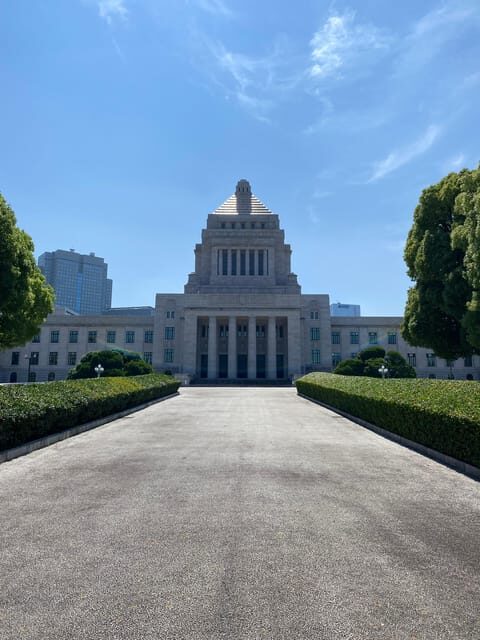
This is where the tour’s value really shows. It’s not only about pointing at rooms; it’s about helping you form a mental picture of how the system functions. I like tours that explain the “why,” and this one does.
Expect three types of guidance:
- What you’re looking at, in clear English
- How voting and government steps fit together, without drowning you in policy jargon
- Context for Japanese customs and daily life, so politics doesn’t feel like it lives in a separate universe
One small detail that you may not expect: the tour can include side facts that connect culture to daily routines. For example, you might learn why you often don’t see trash cans in public parks. It sounds like a trivia rabbit hole, but it actually helps you understand how public spaces are managed in Japan—and how that mindset shows up across systems, not just parks.
And you’ll have time for questions. That’s a big deal in English tours. If something clicks for you—terms, procedures, or even global context—this format gives you the chance to ask and get answers on the spot.
Hie Shrine: career success, matchmaking, and the monkey details
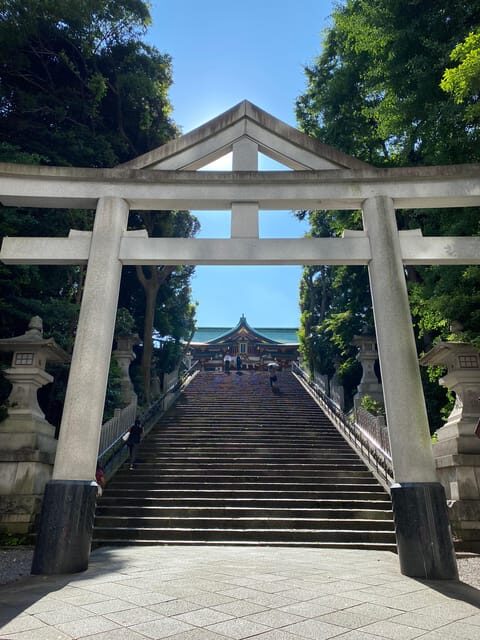
Right after the Diet Building, the tone shifts in a good way. You walk to Hie Shrine, a short distance away, and the tour slows down just enough for you to notice details you’d miss on your own.
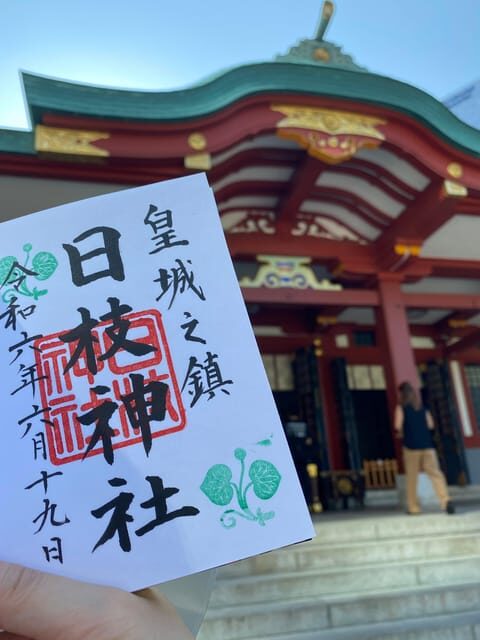
This shrine is known as a power spot for career success and matchmaking. The religious theme matters because the tour doesn’t treat it like a quick photo stop. It connects the symbolism to how people approach the shrine—what you’re looking for, what the motifs mean, and how the space works when you follow local practice.
Look closely at the entrance and main hall area. You’ll notice the guardian monkey statues at the gate, along with monkey motifs shown in votive tablets and charms. It’s one of those themes that makes the whole place feel consistent. You’re not just seeing “random shrine stuff.” You’re seeing a pattern.
Then there’s the part people tend to remember: the shrine’s “Thousand Torii Gates” feel, reminiscent of Fushimi Inari Shrine. Even if you’ve been to Fushimi Inari before, you’ll still get a different experience here because the focus is on Hie’s theme and on what it means to worship at this particular site.
One helpful thing: the guide also explains basic Shinto worship steps—so you’re not guessing while everyone else moves like they’ve done it their whole life. When you feel confident, the shrine experience becomes calmer and more respectful.
Dobashi-en: matcha and sweets that actually finish the day
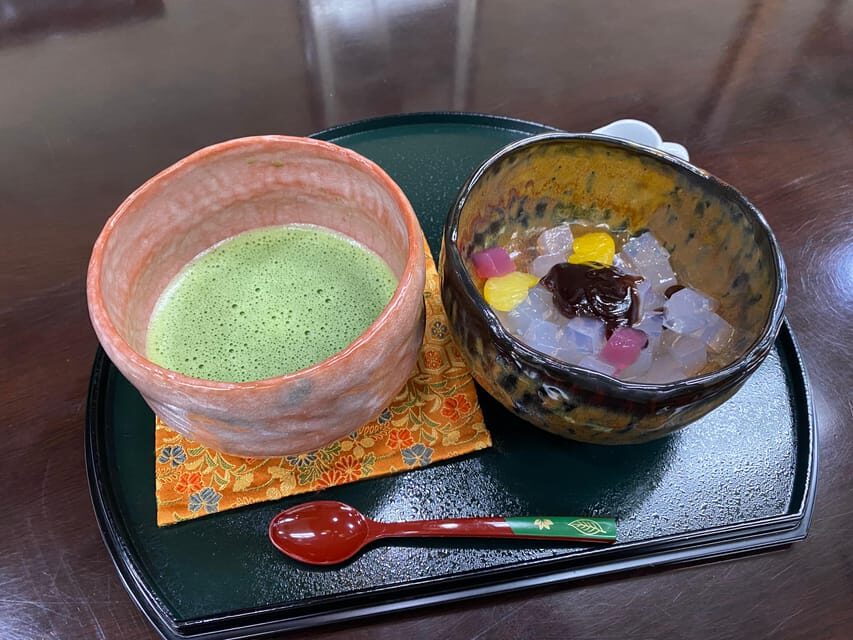
After politics and worship, you end at Dobashi-en, a long-established green tea shop. This last stop is timed perfectly: you’ve walked, listened, and looked around enough that your brain needs a reset. Then the tour offers a traditional matcha and sweets break.
Why I like this ending: it gives you something sensory after all the information. Politics is mental work. Shrines are spiritual and visual. Tea is grounding.
The shop is known for its matcha and sweets, and you’ll get to try them as part of the tour rather than scrambling to find a place on your own. Expect a comfortable pacing: you’re not rushing out right away. You can actually taste and talk, which is often when the best culture conversations happen.
You’ll also receive a souvenir tea gift, which is a nice practical touch—something easy to take home that matches what you just experienced.
And yes, some shops may not accept cards, so this is another reason to keep cash handy. Tea shops can be old-school in how they handle payment.
Value and pricing: what $129 buys you here
At $129 per person for a 3-hour small-group tour, this isn’t the cheapest thing in Tokyo—but it’s also not priced like a luxury show. The math makes sense because you get three value pieces:
1) A guided National Diet Building visit in English
That’s the anchor. Without a guide, you’d spend more time figuring out what you’re seeing and less time understanding the structure behind it.
2) Two cultural stops that are tightly connected
Diet Building + Hie Shrine isn’t a random itinerary mashup. The tour uses each place to explain different sides of Japan: governance and social values, then personal hopes and ritual meanings.
3) Tea, sweets, and a souvenir gift
You’re not just paying for walking time. The matcha and snack time plus the included gift make the experience feel complete.
The small group size (limited to 5 participants) also matters for value. With fewer people, you’re more likely to get direct answers instead of just watching from the back row.





Timing and logistics that affect your comfort
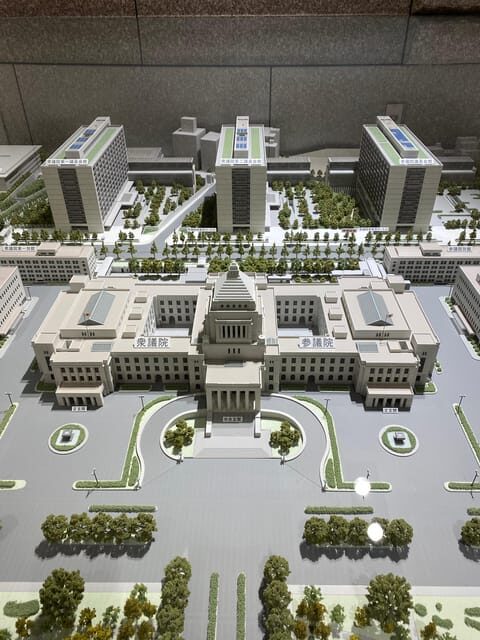
This is a 3-hour loop with short walks between stops. It starts at Kokkai-gijidōmae Station (Exit 1), then you head to the Diet Building, walk to Hie Shrine, and finish at Akasaka-Mitsuke Station.
A few practical points to keep the experience smooth:
- Wear comfortable walking shoes, especially since the Diet Building includes stairs
- Bring a little cash just in case the tea shop or nearby spots don’t take cards
- Plan your day so you’re not rushing right before or after—this tour works best when you can actually settle into the tea stop
The pacing is built for understanding, not speed. You’ll spend meaningful time at each major site—enough to ask questions and take in details.
Who should book this (and who might want something else)
This tour is ideal if you want Japan beyond the usual photo itinerary.
Book it if:
- You’re curious about how Japan’s government works, and you like explanations in plain English
- You want a cultural day that mixes politics with everyday beliefs and ritual practice
- You prefer small-group tours where you can ask questions (instead of being part of a crowd)
You might skip it if:
- You’re uncomfortable with stairs or a moderate walking pace
- You only want short, casual sightseeing with no focus on process and meaning
The guide’s conversational style can be a big plus. Many guests highlight that the guide isn’t just reading a script—you’ll likely get more back-and-forth than you expect, with room for casual cultural exchange and follow-up questions.
Tips to get the most from your guide and questions
If you want this tour to feel personal (in a good way), come with a few questions ready. Don’t worry about being “smart.” Honest curiosity is the point.
Good question starters:
- How do voting procedures actually work in practice?
- How do people think about career success and matchmaking through shrine traditions?
- What’s a common cultural misconception visitors have about Japan’s public life and rules?
The most rewarding tours are the ones where you leave with an actual mental picture. This one is built to help you form that picture quickly, and your questions guide the depth.
FAQ
FAQ
Where is the meeting point?
Meet your guide at 国会議事堂前駅 (Kokkai-gijidōmae Station), Exit 1. The guide will be wearing a navy blue Happi.
How long is the tour?
The tour lasts 3 hours.
Is the tour guide available in English?
Yes. The tour includes a live English-speaking guide.
How big is the group?
It’s a small group limited to 5 participants.
What’s included in the price?
Entry to the National Diet Building, tea and a snack at Dobashi-en, and a souvenir tea gift.
Should I bring cash?
Yes. Some shops may not accept cards, so it’s smart to bring cash.
Can I get a full refund if plans change?
You can cancel up to 24 hours in advance for a full refund.
Should you book the Tameike Politics + Shrine + Matcha Tour?
If you want a Tokyo-area experience that connects the serious stuff—government and voting—with shrine meaning and a proper matcha finish, this is a strong choice. The National Diet Building component in English, the Hie Shrine power-spot theme, and the Dobashi-en tea stop work together as one coherent story, not three unrelated stops.
Book it if you like to ask questions and you want to understand how Japan functions culturally as well as politically. Bring comfortable shoes and a bit of cash, and you’ll set yourself up for a smooth, satisfying three hours.