Sushi lessons should be hands-on, not vague. In this Shibuya class, you work with fresh, daily-selected ingredients while Chef Ken, a former HYATT hotel sushi chef, teaches in English. I like that the instruction feels personal, and I like that you get to make multiple sushi styles instead of one “demo roll.” The only real trade-off: the session is about 1 hour 30 minutes, so it’s not long enough to become a sushi master on the spot.
This experience focuses on the core techniques—sushi rice, ingredient prep, and then building several formats: Nigiri (hand-pressed), Maki (roll), Temaki (hand-roll), and Gunkan (battleship). You’ll also have a chance to enjoy Japanese sake and green tea alongside the class, and you end up eating the delicious lunch made from what you produced. It’s capped at a small group (max 6), and the minimum is 2 people, so it’s best when you’re coming with someone—or you’re comfortable booking as a pair.
In This Review
- Key takeaways before you go
- Meeting Chef Ken in Shibuya: the feel of this small class
- The 1 hour 30 minutes: your sushi-making flow step by step
- Sushi rice basics: the technique that changes everything
- Ingredients on the day: why fresh selection is part of the lesson
- Nigiri, Maki, Temaki, Gunkan: learning four formats without getting lost
- Nigiri (hand-pressed)
- Maki (roll)
- Temaki (hand-roll)
- Gunkan (battleship)
- The lunch payoff: turning practice into a real meal
- Price and value: is $107.26 worth it?
- Who should book this class (and who might skip it)
- Tips to get the most out of your sushi class
- FAQ
- Where is the sushi making class meeting point?
- How long is the class?
- Is the class taught in English?
- What sushi styles will I learn?
- How many people are in the class at most?
- What is the minimum number of participants?
- Is a mobile ticket used?
- What’s included in the price?
- When does the activity run?
- Can I cancel for free?
- Final verdict: should you book it?
Key takeaways before you go
- Chef Ken’s hands-on approach: former HYATT hotel sushi chef with experience in Japan and California, teaching in English.
- Daily-selected, fresh sushi ingredients: you work with ingredients chosen that day.
- Four sushi styles in one class: Nigiri, Maki, Temaki, and Gunkan—so you actually learn the process, not just the look.
- Small group size (max 6): more time for guidance when your rice or shape is off.
- You’ll make lunch: the class ends with what you create, so your effort turns into a real meal.
- All equipment and ingredients are provided: you can travel light and just focus on learning.
Meeting Chef Ken in Shibuya: the feel of this small class
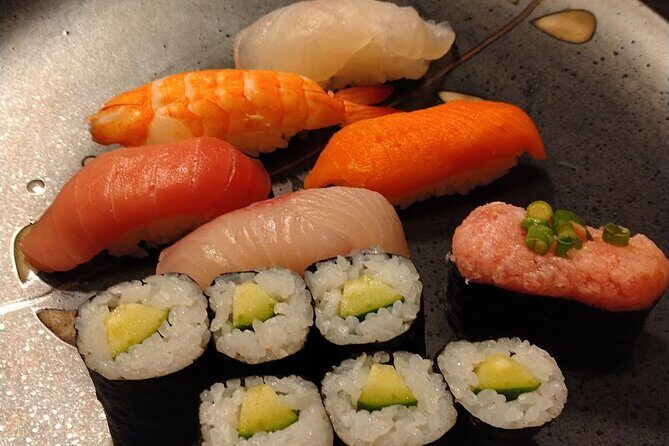
This isn’t a big, production-line cooking experience. You’ll meet at 15-17 Sakuragaokachō, Shibuya, and you’ll stay local—no hopping around town, no extra stops. The point here is time. In a 1.5-hour session, you want your minutes spent practicing, not commuting or waiting.
The class is taught in English by Chef Ken. That matters more than people think. Sushi technique has plenty of “small” details—how to press, how to spread rice, how to handle fish so it doesn’t tear—so clear instruction helps you get it right the first time. Chef Ken’s background includes hotel restaurant work, sushi making classes, and catering services for both Japanese and foreign customers. In practice, that usually translates into lessons that make sense even if you’ve never rolled sushi before.
Small group size (maximum 6) is the other big win. When only a few people are working, the instructor can correct your grip, your rice consistency, and your shaping without you feeling rushed. If you’re the type who learns best by doing, this setup makes it easier to stay focused from start to finish.
A few more Tokyo tours and experiences worth a look

The 1 hour 30 minutes: your sushi-making flow step by step
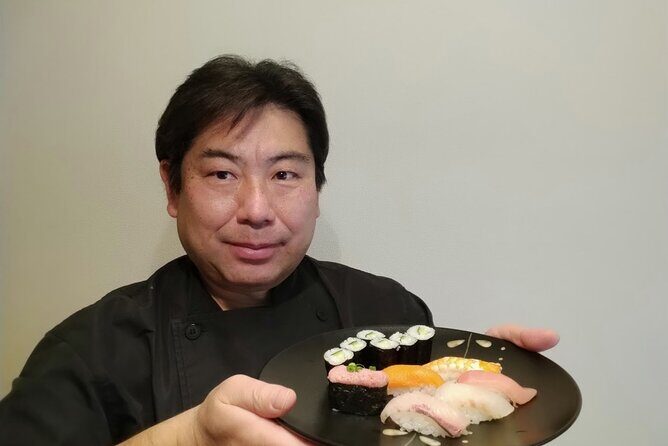
Since this is a single-session class with the same start and end point, think of it as a focused workshop rather than a half-day “tour.” Expect a steady pace: you’ll move from rice basics to ingredient prep and then into building multiple sushi formats. The goal isn’t just to watch; it’s to leave with technique you can repeat at home.
Here’s the flow you should anticipate:
- Sushi rice comes first. You’ll learn how to make sushi rice, which is the foundation of almost every sushi type.
- Ingredient prep follows. You’ll prepare sushi ingredients so you can assemble quickly and cleanly.
- Then you build four styles. You’ll practice Nigiri, Maki, Temaki, and Gunkan—each with a different hand skill.
You’re also not just making random bites. The class is structured around the process of making different styles of sushi, including both traditional and creative versions that are popular around the world. That’s important because a lot of classes teach one format and stop. Here, you get variety, and you start to see how rice and topping behave differently depending on shape.
One more practical point: because the group is small, you’ll likely have a bit more time at each station than you would in a larger cooking event. That extra minute here and there is what helps your rolls come out tighter and your nigiri look more like food and less like… well, a rice experiment.
Sushi rice basics: the technique that changes everything
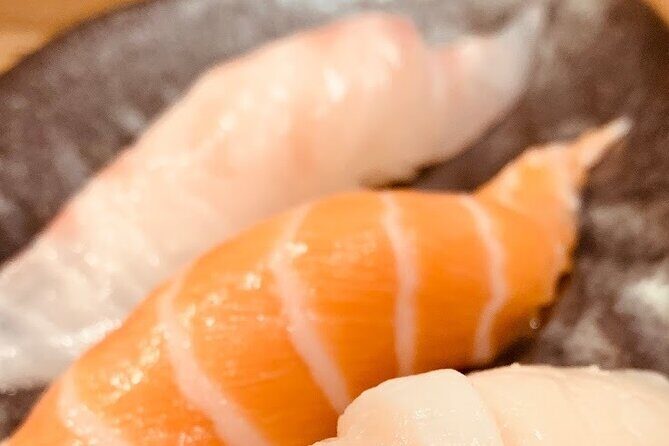
If you’ve ever had sushi rice that tastes wrong—too dry, too firm, or bland—you already know that rice is the make-or-break part. This class treats sushi rice as the first skill, not a background ingredient. You’ll learn how to make it, and you’ll see how the texture affects everything that comes after.
You’ll also learn why sushi rice matters for both taste and structure. When rice is right, it holds together. When it’s off, it either falls apart (and your nigiri collapses) or it clumps too aggressively (and your rolls get awkward). In a short class, learning rice early is the fastest way to improve your results across all the styles.
What I like here: the class doesn’t stop at saying rice is important. It has you work through the process so you understand what you’re doing with your hands. That’s how you get from instructions to muscle memory—fast, but real.
Ingredients on the day: why fresh selection is part of the lesson
This class uses strictly selected sushi ingredients purchased on the day. That’s not marketing fluff. Fish and seafood texture can change quickly, and sushi is one of those foods where freshness affects everything: flavor, aroma, and the way the topping feels against the rice.
You’ll also learn how to prepare the ingredients you’re using, not just assemble them. That means you get a clearer sense of what’s happening behind the scenes in a good sushi kitchen—how prep supports clean bites, consistent portions, and better-looking sushi.
Because this is a small class with limited seats, the ingredients are likely treated with care for each participant’s work. And since you’ll taste what you make, you’ll instantly connect ingredient quality to your final lunch.
Nigiri, Maki, Temaki, Gunkan: learning four formats without getting lost
This is the part that most people remember, because you get multiple skill sets in one lesson. Each format teaches a different motion and mindset.





Nigiri (hand-pressed)
Nigiri is all about control—how you shape the rice and how gently you place the topping. You’ll learn the process of making hand-pressed sushi, which is different from rolling. You can’t hide behind a roll seam. If your rice is too wet or too dry, or your pressure is off, it shows.
Maki (roll)
Maki sushi forces you to think in lines. Rice distribution, tightening, and consistent thickness matter. Rolling is where beginners often feel clumsy at first, but small-group instruction helps you correct your technique mid-class instead of discovering the problem after you’ve finished the roll.
Temaki (hand-roll)
Temaki is like maki’s cousin, but messier in a fun way. It’s hand-rolled, so you learn how to build a cone shape that you can eat with your fingers. This format is often easier emotionally because you don’t need perfect symmetry; you need good structure and proper fillings so it doesn’t collapse when you take a bite.
Gunkan (battleship)
Gunkan-style sushi is about creating a base that can hold topping. It teaches a different handling skill than nigiri or maki. You learn how shape affects what sits on top—critical if you want sushi that looks good and eats clean.
You’ll also practice with the idea that sushi can be traditional and creative. In other words, you’re not only learning the “museum version.” You’re learning a process you can adapt, which is useful if you want to make sushi at home later and not just copy one template.
The lunch payoff: turning practice into a real meal
You’re not paying for the cooking part only. The class ends with you eating what you make. That’s a big value point. You get instant feedback on taste and texture—how the rice pairs with the topping, how the seasoning works, and how the different formats feel in your mouth.
In at least one past class experience, the lunch was specifically called out as delicious. That matches how these workshops tend to work best: you don’t just watch sushi being plated; you make it, and then you eat it right away while the ingredients are at their best.
If you’re worried you’ll leave hungry, don’t. This is a cooking class with an actual meal attached. The time might be short, but the result is not.
Price and value: is $107.26 worth it?
At $107.26 per person for about 1.5 hours, this isn’t a budget activity. But value in Tokyo sushi classes often comes from three things: small group time, fresh ingredients, and real instruction rather than a show.
Here, you’re getting:
- Small group limit (max 6), which usually means more guidance per person.
- Fresh, day-selected ingredients you use during the lesson.
- All equipment and ingredients included, so you’re not paying extra for tools or components.
The class also teaches multiple formats, including nigiri, maki, temaki, and gunkan. That increases the learning payoff. If you compare this to classes that only cover one style, the price starts to feel more reasonable because you’re paying for instruction that transfers across techniques.
One practical consideration: the minimum number of participants is 2. If you’re traveling solo, you may need to coordinate with another person or book when there’s enough demand. That can affect how easy it is to lock in your slot.
Who should book this class (and who might skip it)
This is a strong choice for:
- Couples or friends who want a hands-on Tokyo experience without a crowded scene.
- Food lovers who like learning technique, not just collecting photos.
- People who care about sushi rice and fish quality, because those are central to the class.
It might be less ideal if:
- You’re looking for a long, slow cooking day. This is short by design.
- You expect a full “learn everything” journey. You’ll learn the process, but you won’t master the art in 90 minutes.
- You’re traveling alone and you run into the minimum participant requirement.
If you want a first serious sushi skill in one go, this class fits the bill.
Tips to get the most out of your sushi class

You’ll do best if you treat this like a workshop: watch, ask, and repeat. Even if you feel awkward at first, don’t overthink it. Sushi is forgiving as long as you keep your basics steady.
A few smart strategies:
- Pay attention to rice texture and moisture. That’s the biggest lever you control.
- Focus on gentle handling when placing toppings, especially for nigiri.
- When rolling or shaping, aim for consistency over speed. Your end result improves fast once your hand finds the rhythm.
Also, don’t skip the eating part. Taste while things are fresh and remember what you did right or wrong. It’s the fastest way to improve if you plan to cook sushi at home later.
FAQ
Where is the sushi making class meeting point?
It starts at 15-17 Sakuragaokachō, Shibuya, Tokyo 150-0031, Japan, and it ends back at the meeting point.
How long is the class?
The class duration is approximately 1 hour 30 minutes.
Is the class taught in English?
Yes. The class is taught in English by Chef Ken.
What sushi styles will I learn?
You’ll learn how to make sushi rice and multiple styles including Nigiri (hand-pressed), Maki sushi (roll), Temaki (hand-roll), and Gunkan (battleship).
How many people are in the class at most?
The class has a maximum of 6 travelers.
What is the minimum number of participants?
The minimum number of participants is 2.
Is a mobile ticket used?
Yes. The tour uses a mobile ticket.
What’s included in the price?
All equipment and ingredients are included, so you don’t need to bring anything for the class.
When does the activity run?
The opening hours are Monday through Sunday from 12:00 PM to 7:00 PM.
Can I cancel for free?
Yes. You can cancel for a full refund if you cancel at least 24 hours before the experience’s start time.
Final verdict: should you book it?
Book it if you want a hands-on sushi lesson in Tokyo with a real instructor, fresh ingredients, and multiple styles taught in one focused session. At $107.26, the value holds up best when you’ll actually use the technique—especially if you care about sushi rice and how different formats work.
Skip or rethink if you’re traveling solo and want a guaranteed slot without coordination, or if you’re hoping for a long, slow cooking experience. For most people, though, this is a smart way to turn Tokyo sushi from something you order into something you can make.