REVIEW · TOKYO
Tuna auction at Toyosu Market with qualified guide and early morning tour of Tsukiji Outer Market
Book on Viator →Operated by Office Zipang · Bookable on Viator
Tuna bidding starts before dawn. I like this tour because it pairs Toyosu’s tuna auction viewing with a second stop for real-market energy at Tsukiji Jogai, all before most of Tokyo wakes up. I also like that you’re not just dropped off—you get a guide (like Nobu) to explain what you’re seeing and help you make the most of your short time. One drawback: the start is very early, and you’re watching the auction from an upstairs visitor area, not standing at ground level.
If you care about seafood logistics, this is one of the clearest ways to understand how Tokyo’s tuna system works today. You’ll watch from the visitor aisle on the second floor of the Fisheries Wholesale Building at Toyosu, then you’ll head to Tsukiji Jogai for tastings and browsing. It runs about 3 hours total, and it’s private—so it’s designed for your group only, not a long cattle-car tour.
You’re paying a premium (about $216.77 per person) for the guide and the private transport between markets. That cost can feel steep if you’re the type who loves DIY map-wrangling and can arrive early without help, but it makes sense if you want a smooth, timed experience and someone to translate and steer you through what matters.
In This Review
- Quick hits for your 5:30am market mission
- Why the Toyosu tuna auction is the main event
- Viewing from the second-floor visitor aisle: what to expect
- The guide role: why Nobu-style context matters
- Stop 1 at Toyosu: buildings, viewing, and where you can wander
- Stop 2 at Tsukiji Jogai: tastings and foodie shopping without the auction pressure
- Price and value: what you’re really paying for
- How long it really takes (and how to plan your morning)
- What to focus on in Tsukiji Jogai (so you don’t buy random stuff)
- Who should book this tour
- Should you book? My honest take
- FAQ
- What time does the tour start?
- How long is the tour?
- Where do we meet for the Toyosu portion?
- Where does the tour end?
- Where can I watch the tuna auction at Toyosu?
- Is the tuna auction included, and is entry ticket free?
- Do I get tastings at Tsukiji Jogai?
- What’s included in the price?
- What’s not included?
- Can I cancel and what weather conditions apply?
Quick hits for your 5:30am market mission
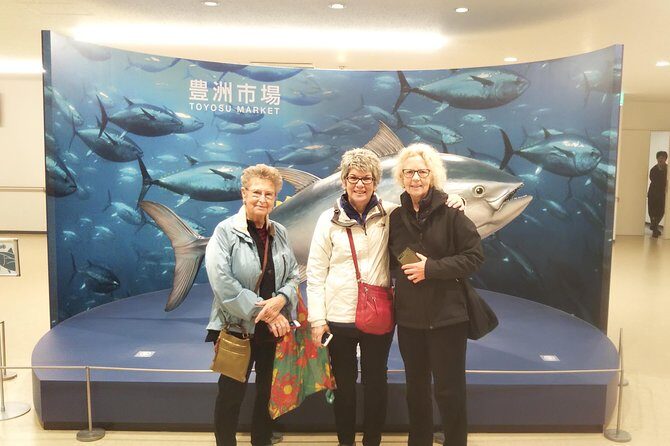
- Front-row style viewing at Toyosu from the visitor aisle on the second floor during the tuna auction window
- Private guide with real context, including what changed from the older Tsukiji model to the modern auction setup
- Tsukiji Jogai tastings right in the off-market area, with plenty to browse besides fish
- A shorter, guided pace that keeps you focused on what’s actually happening before the auction finishes
- Bus transfer between markets, so you don’t burn time crossing Tokyo mid-morning
Why the Toyosu tuna auction is the main event
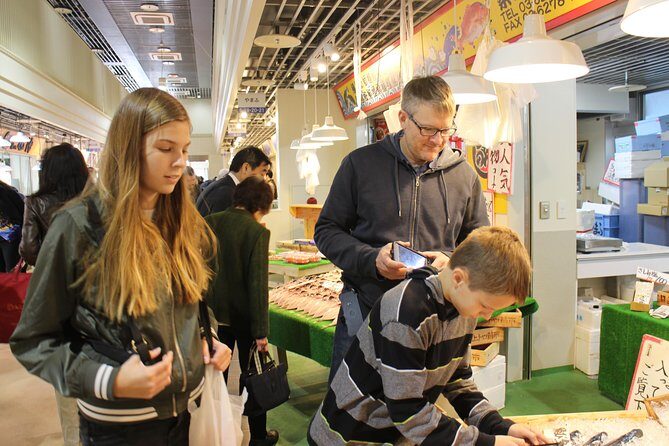
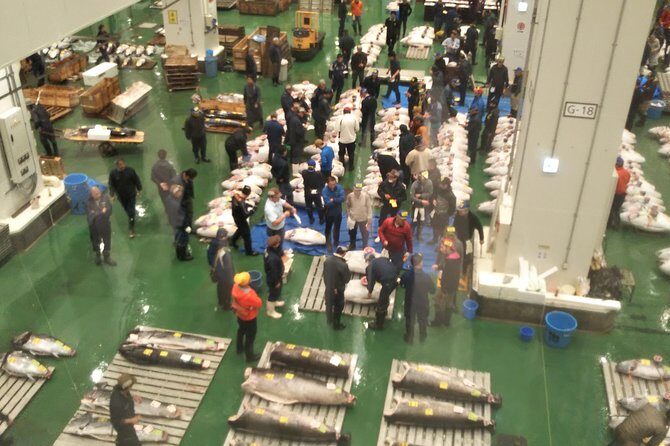
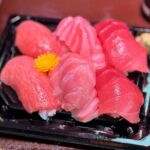
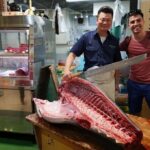
Toyosu is where the modern tuna auction happens, and the auction is the reason you set your alarm. You’ll watch from an assigned viewing position: the visitor aisle on the second floor of the Fisheries Wholesale Building. From there, you get a strong overview of the auction activity while still staying within the rules of the facility.
What I like about this approach is that it’s built for clarity. Instead of wandering around hoping you’ll stumble into the right moment, the tour points you at the right place and the right time—so you’re focused on the auction itself. The result is that the experience feels purposeful even though it’s early.
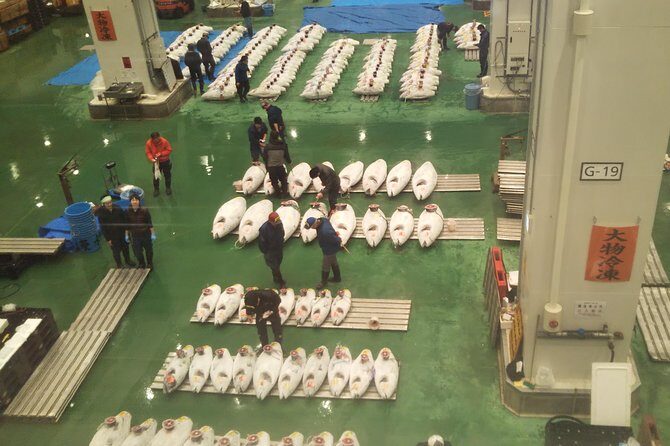
Also, the auction viewing time is part of the value. One review noted that in the old Tsukiji system, people often had to wait for hours to watch only briefly. Here, you’re there during the auction, and you can generally view for about an hour until it ends (time can vary, but the tour is timed to match the auction flow). That’s the difference between a quick peek and a real look at how the market moves.
You can also read our reviews of more guided tours in Tokyo
Viewing from the second-floor visitor aisle: what to expect
Here’s the key consideration: you’re not on the ground floor. You’re watching from an upstairs platform/aisle area, which changes the feel. It’s still fascinating, and the view is often described as good, but you shouldn’t expect to be surrounded by the action at close range.
That said, the “upstairs view” matches the modern setup. You’re there to observe the process—bidding dynamics, the scale of tuna, and the speed with which everything happens—without turning the viewing area into a chaotic free-for-all.
If you want to get the best possible experience, arrive ready to be on time. The tour starts at 5:30 am, and the auction begins early and moves fast. If you’re late, you’ll miss the best part. Plan for low-friction arrival time, and don’t build your morning around “we’ll see what happens.”
The guide role: why Nobu-style context matters
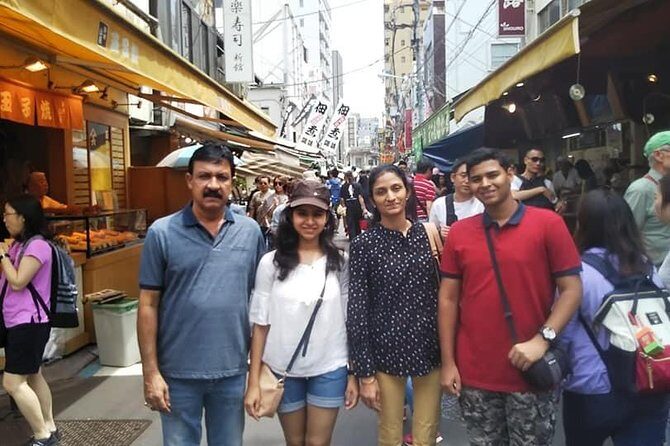
A private guide is what turns a market morning into a story you can actually follow. In the reviews, the guide is repeatedly praised—especially Nobu—because he doesn’t just point and translate. He gives context about the auction and the market area, and he keeps things moving so you don’t lose precious minutes.
That matters because fish markets can be confusing. Even if you’re trying to be adventurous, the structure of how products are sold and handled is not intuitive. Having someone explain the chain of sales and what each step means helps you connect what you see (and smell) to the bigger system behind it.
There’s also a practical angle. Multiple people mentioned that Nobu recommended a very early breakfast sushi place after the tour. That’s not included in the tour cost, but the guidance can save you from hunting for food while everything is still opening. When you’re waking up at dawn, those small decisions become big ones.
Finally, the guide can help with language and decision-making at Tsukiji Jogai. In this market area, you’ll see ingredients and cooking utensils from all over Japan, and it helps to have someone point you toward what’s most worth your time.
Stop 1 at Toyosu: buildings, viewing, and where you can wander
Your Toyosu time is focused, but not rigid. You’ll spend about 1 hour at Stop 1. The anchor is the tuna auction viewing from the visitor aisle on the second floor of the Fisheries Wholesale Building.
From there, you can also visit other parts of the market complex if you want more variety—specifically the Fisheries Wholesale Building and the Fruit and Vegetables Building. Not every tour emphasizes these extra zones, so if you like photos, color, and the “whole supply chain” feel of a major wholesale market, it’s a nice bonus.
One note: because the tour includes two sites and is timed for auction hours, you won’t have a full-day market “walk until your legs quit” experience. It’s a smart hit of the highlights, not an all-day sampler. That’s good if you want maximum meaning per minute—and less good if you’re hoping for a slow, open-ended browse.
Stop 2 at Tsukiji Jogai: tastings and foodie shopping without the auction pressure
After Toyosu, you transfer to Tsukiji Outer Market, specifically the Tsukiji Jogai off-market area. The tone changes. Instead of auction observation, you shift into browsing and tasting mode.
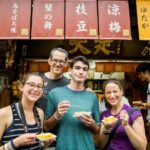
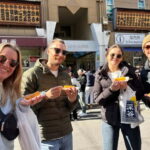
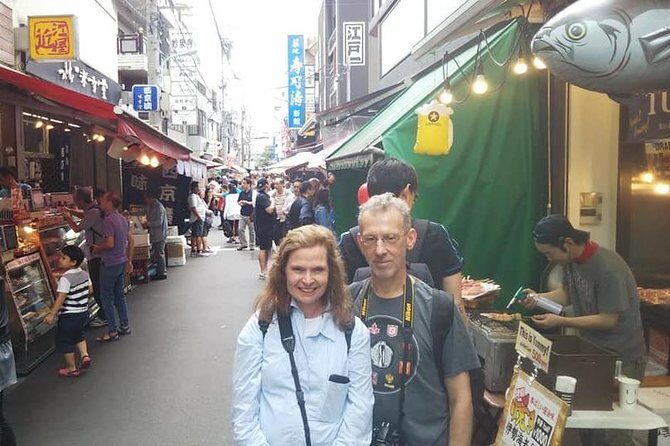
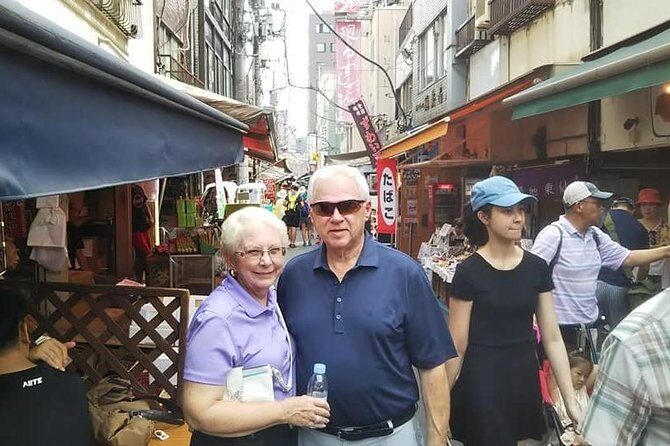
This stop is about 1 hour and is built for sensory exploration. You’ll stroll through Tsukiji’s off-market area where tastings are offered for free. You can also buy first-class ingredients and cooking utensils from across Japan. It’s a great place to look at the kinds of tools and specialty items that don’t show up in a regular department store.
Here’s where having the guide can genuinely help. The guide can translate and make recommendations for foodie souvenirs—exactly the sort of advice that helps you buy something you’ll actually use, not just something that looks impressive in a shop window.
One practical benefit: this stop also gives you a launch point for the rest of your morning. There are popular sushi restaurants around this area that serve early, and the tour experience often leads into that next meal plan. Breakfast meals are not included, but the timing is set up so you can eat immediately after your tour ends.
You can also read our reviews of more shopping tours in Tokyo
Price and value: what you’re really paying for
At $216.77 per person, this is not a budget add-on. You’re paying for three concrete things:
- the guide fee (including time spent explaining and translating)
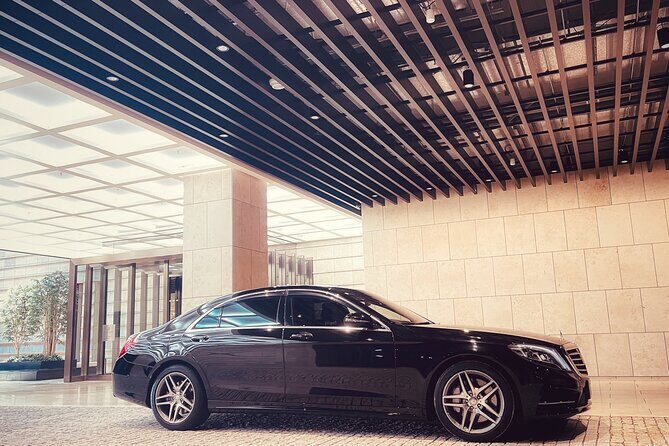
- private transportation between Toyosu and Tsukiji
- a timed early-morning structure that protects your viewing chances
One review response highlighted that the guide needs to stay near the market because the auction starts extremely early. That detail matters—this isn’t just a “show up and walk around” job. Early morning logistics take real effort.
So, who does this price make sense for?
- You want a guided auction viewing with context, not a DIY scramble.
- You care about understanding the process, not just taking photos.
- You want help making choices in Tsukiji Jogai, especially if you don’t read Japanese market labels easily.
Who might skip paying and go on their own?
- If you already know your way around Tokyo and can handle an early arrival independently.
- If you’re comfortable navigating the market environment without translation support.
- If you mainly want to walk around and don’t need structured timing.
A balanced way to think about it: you’re buying insurance against a stressful, time-sensitive morning—and you’re buying interpretation so you come away understanding what you saw.
How long it really takes (and how to plan your morning)
The duration is about 3 hours. That includes the auction viewing at Toyosu, the transfer, and the Tsukiji Jogai stroll.
The big timing factor is the start time: 5:30 am. This tour is designed around the auction window, so treat the early hour like part of the activity, not a chore you tolerate. You’re paying to trade sleep for a better-than-average chance to see the action clearly.
Because breakfast isn’t included, I’d plan your next step before you go. You may want to grab a sushi breakfast right after the tour ends, and having a guide’s recommendation can save you time. If you already have a breakfast plan, still keep flexibility—market areas move quickly and shops open on their own schedules.
One more practical tip: markets are not the place to dress like you’re going to dinner. Wear comfortable shoes. Layers help. And build in a bit of calm so you don’t feel rushed while you listen to the guide.
What to focus on in Tsukiji Jogai (so you don’t buy random stuff)
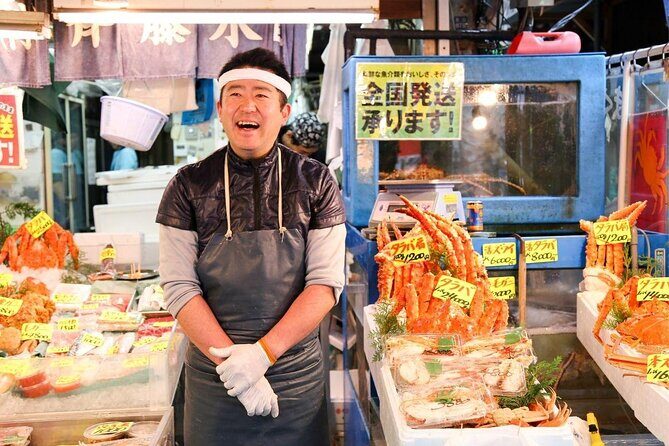
Tsukiji Jogai can feel like information overload. You’ll see ingredients, seafood-related products, and cooking utensils, plus shops that tempt you with ready-to-eat options.
Since the tour includes tastings, you can use food tasting as your compass:
- Start with small samples, and notice what you genuinely want more of.
- Use the guide to translate labels and explain what an ingredient is best for.
- Aim for items that travel well or have a clear kitchen use.
The guide’s job here is useful because it reduces wasted money. It’s easy to buy something just because it’s rare-looking. With translation and recommendations, you’re more likely to leave with food souvenirs that match your cooking reality.
Who should book this tour
This tour is a strong match if:
- you love seafood and want to see tuna auctions up close, even from a viewing aisle
- you want a guided explanation that helps you understand the market system
- you don’t want to spend your Tokyo morning wrestling with timing and language
- you enjoy the idea of two market experiences in one trip: Toyosu auction observation plus Tsukiji off-market browsing
It’s also a good fit for people who want structure. A three-hour window is manageable, and it keeps your day from getting eaten by a market crawl.
Should you book? My honest take
If you’re serious about tuna auctions and you want the experience to feel organized and meaningful, I think this is worth booking. The combo of modern Toyosu auction viewing plus Tsukiji Jogai tastings and shopping guidance is a smart use of time, and the guide (people often highlight Nobu) adds context that you can’t easily DIY.
If you’re tight on money or you’d rather spend that time sleeping, you might be able to handle part of this morning on your own—one review pointed out that the auction viewing setup is such that people may be able to enter and watch with proper early arrival. But that comes with risk: missing the moment, losing time, and missing context.
My advice: book it if you want a fail-safe, explained morning that you’ll remember long after the photos fade. Skip it if you already know Tokyo market navigation like a pro and you’re okay with a less structured experience.
FAQ
What time does the tour start?
It starts at 5:30 am.
How long is the tour?
It runs for approximately 3 hours.
Where do we meet for the Toyosu portion?
The start meeting point is at Shijō-mae Sta. 6 Chome-3, Toyosu, Koto City, Tokyo.
Where does the tour end?
It ends inside the Tsukiji Outer Market area.
Where can I watch the tuna auction at Toyosu?
You watch from the visitor aisle on the second floor of the Fisheries Wholesale Building.
Is the tuna auction included, and is entry ticket free?
The tour includes admission ticket coverage as stated, and the admission ticket is listed as free.
Do I get tastings at Tsukiji Jogai?
Yes. You can enjoy a variety of tastings for free in Tsukiji Jogai.
What’s included in the price?
The guide fee is included, plus private transportation (bus fare) between Toyosu Market and Tsukiji Market.
What’s not included?
Breakfast meals and shopping fees during the tour are not included.
Can I cancel and what weather conditions apply?
You can cancel for a full refund up to 24 hours before the experience starts. The experience requires good weather, and if it’s canceled due to poor weather you’ll be offered a different date or a full refund.