REVIEW · TOKYO
Tokyo: Mt Fuji Lake Kawaguchiko Tour & Arakuyama Sengen Park
Book on GetYourGuide →Operated by Hakuu Co Ltd. · Bookable on GetYourGuide
Tokyo’s best Mt Fuji views start early.
This day trip strings together some of the most famous Fuji backdrops with quieter, more local-feeling stops, all with guide help and round-trip transport handled.
Two standouts: I love how the schedule hits multiple “Fuji angles” in one day, from the classic pagoda viewpoint to the calm reflections at Oshino Hakkai. I also like the photo-first pacing at each stop, including that photo-friendly break at Lawson so you’re not stuck only doing temple-style sightseeing.
One thing to consider is that Mt Fuji visibility depends on weather, and the day starts bright and early. Also, one past participant reported a last-minute communication mix-up, so you’ll want to check your email the night before and show up using the guide info, not guesswork.
In This Review
- Key things you’ll notice on this Mt Fuji day trip
- Why This Mt Fuji Day Trip Feels Worth Your Time
- Morning Start at Tokyo Station Marunouchi North Exit (7:50 meet, 8:00 depart)
- Arakurayama Sengen Park and Chureito Pagoda: the Fuji “postcard” moment
- Hidakaya Clock Street: a calmer Fuji photo walk under the mountain
- Oshino Hakkai: where the ponds do the talking
- Lawson Kawaguchiko Station: the short break that also earns its photos
- Lake Kawaguchiko and the seasonal finale: Oishi Park or Maple Corridor
- Small-group comfort vs big-bus reality
- Price and Value: what $58 actually buys you
- Weather, timing, and your Mt Fuji photo odds
- What you need to know before you go (so nothing spoils the day)
- Who This Tour Suits Best (and who might skip it)
- Should you book this Tokyo to Mt Fuji Lake Kawaguchiko day trip?
- FAQ
- Where is the meeting point?
- What time does the tour start and end?
- How long is the tour?
- How big is the group?
- What languages are available for the guide?
- Are meals included?
- Are entrance fees included?
- Is luggage allowed?
- Can I eat or smoke on the vehicle?
Key things you’ll notice on this Mt Fuji day trip
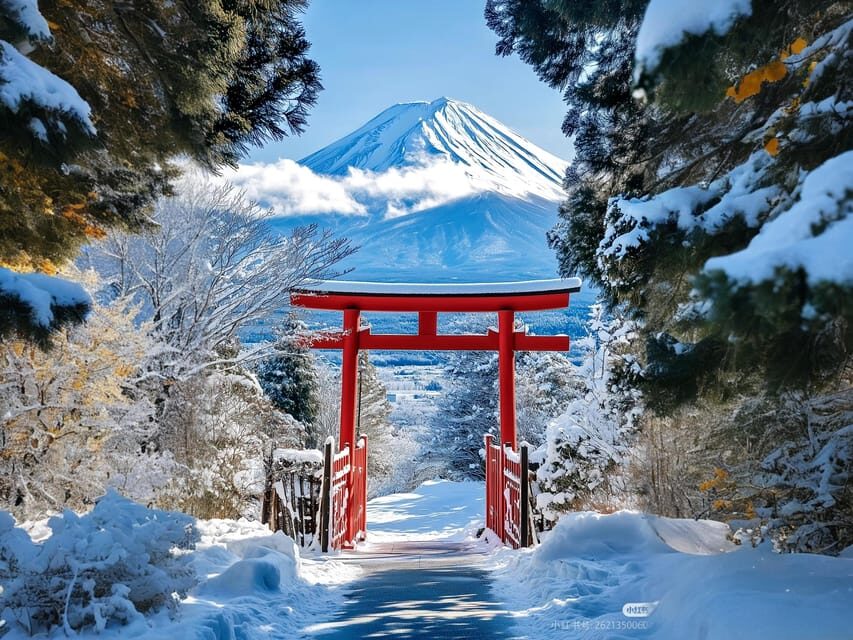
- Arakurayama Sengen Park for the Chureito Pagoda steps-and-Fuji shot
- Oshino Hakkai (UNESCO) ponds that mirror Mt Fuji when the skies cooperate
- Hidakaya Clock Street for a narrow, end-view Fuji photo walk
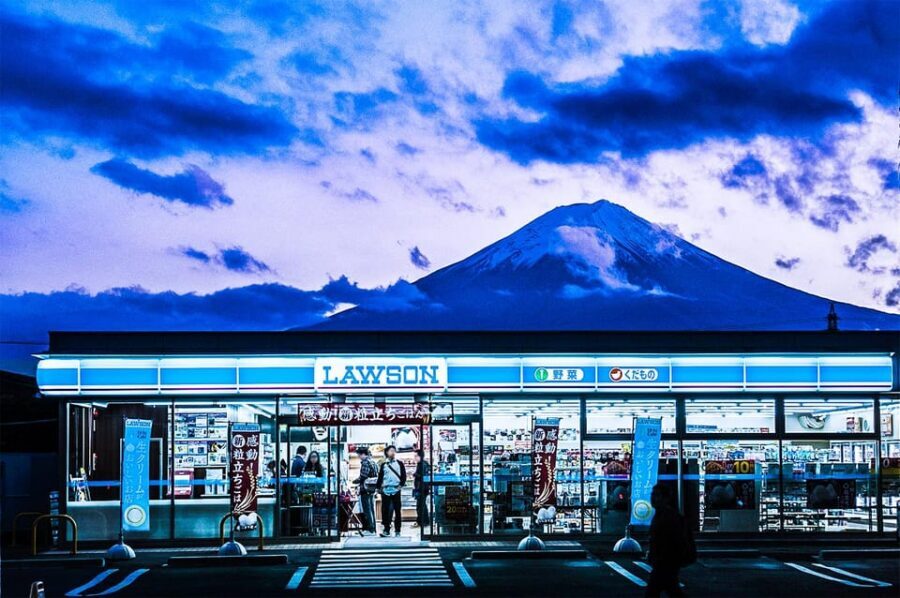
- Lawson at Kawaguchiko Station for a quick, practical photo stop plus shopping/snacks
- Seasonal Lake Kawaguchiko area (Oishi Park or Maple Corridor depending on dates)
- Small-group timing with a guide who manages drop-offs and pick-ups
Why This Mt Fuji Day Trip Feels Worth Your Time
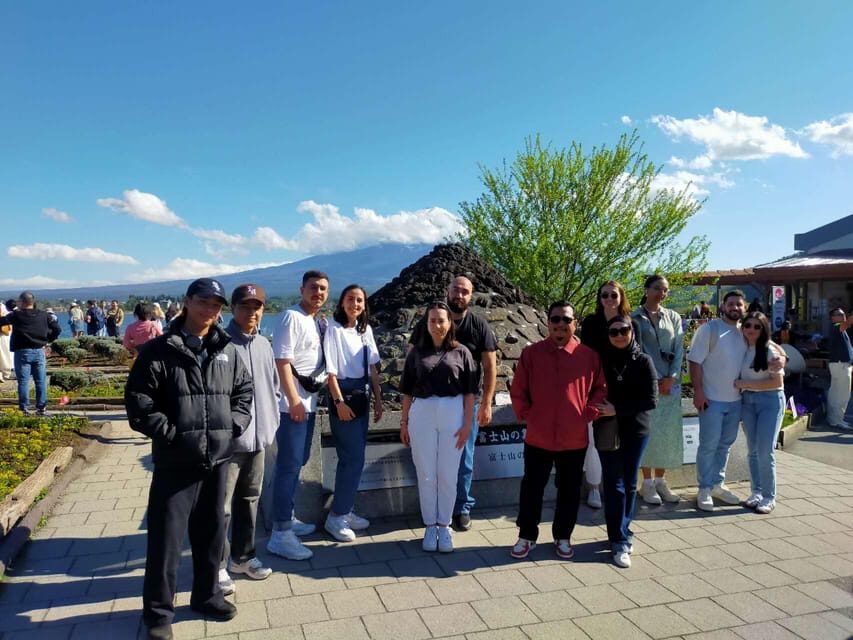
This tour is basically a “greatest hits” day that still gives you room to wander. You’re not just riding to one spot; you’re collecting views across different towns and viewpoints, which is what makes a long day feel productive instead of rushed.
The other big value is that someone handles the logistics: getting you out of Tokyo, getting you between key stops, and making sure you’re back on time. At $58 per person, the price makes most sense when you want convenience and fewer planning headaches over a DIY day.
The balance you’re getting is clear: you’ll have walking time for photos, but it’s also structured enough that you’re not constantly figuring out where to go next.
You can also read our reviews of more tours and experiences in Tokyo.



Morning Start at Tokyo Station Marunouchi North Exit (7:50 meet, 8:00 depart)
The day begins at Tokyo Station Marunouchi North Exit (meet at 7:50, depart at 8:00). It’s an easy meeting point if you’re already staying in central Tokyo, and the early start helps with morning light and better odds of clear visibility for Mt Fuji.
You’ll also want to follow the provider’s instructions the evening before. They send your guide contact details, the car plate number, and a photo of the meeting point, and your guide is identified by a flag. In one case, someone had trouble finding the correct guide because the flag color changed and a message didn’t arrive, which is a good reminder to double-check your inbox and spam folder.
Once you’re on the bus, you can settle in. The drive is part of the experience too—there’s scenic viewing on the way toward the Fuji area.
Arakurayama Sengen Park and Chureito Pagoda: the Fuji “postcard” moment
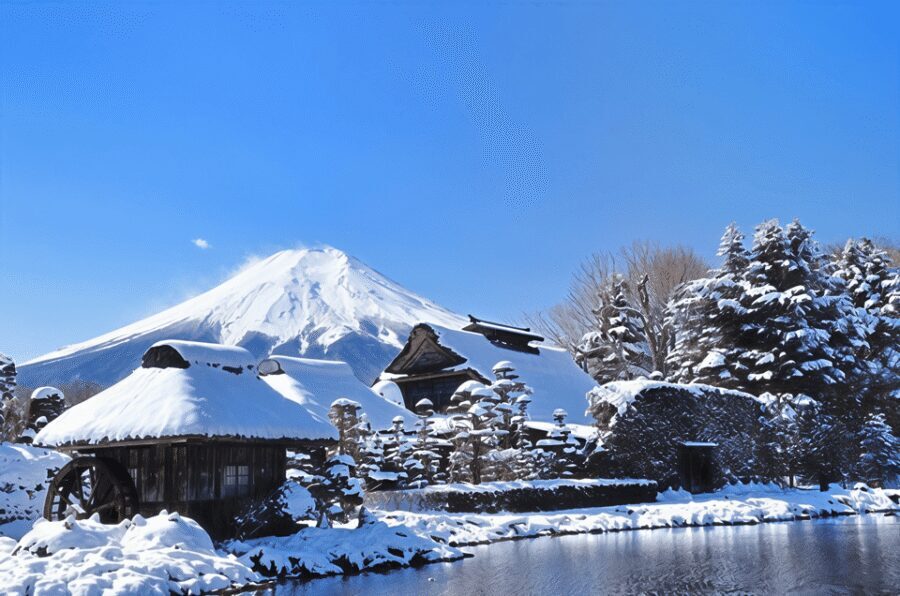
Your first big stop is Arakurayama Sengen Park, with about an hour there (roughly 10:30 to 11:30). This is where the famous Chureito Pagoda sits, framed by steps that lead you up to one of Japan’s most recognizable Mt Fuji compositions.
What I like about this stop is that it’s not just one view. You’re climbing for the main angle, but along the way you’re in the park walking through your own photo sequence—different angles as the mountain appears and disappears between trees and structures.
Practical tip: wear layers and bring something for sun or wind. Even in winter, Fujiyama-view days can feel chilly at the steps, and you’ll likely stand still for photos long enough to notice it.
Hidakaya Clock Street: a calmer Fuji photo walk under the mountain
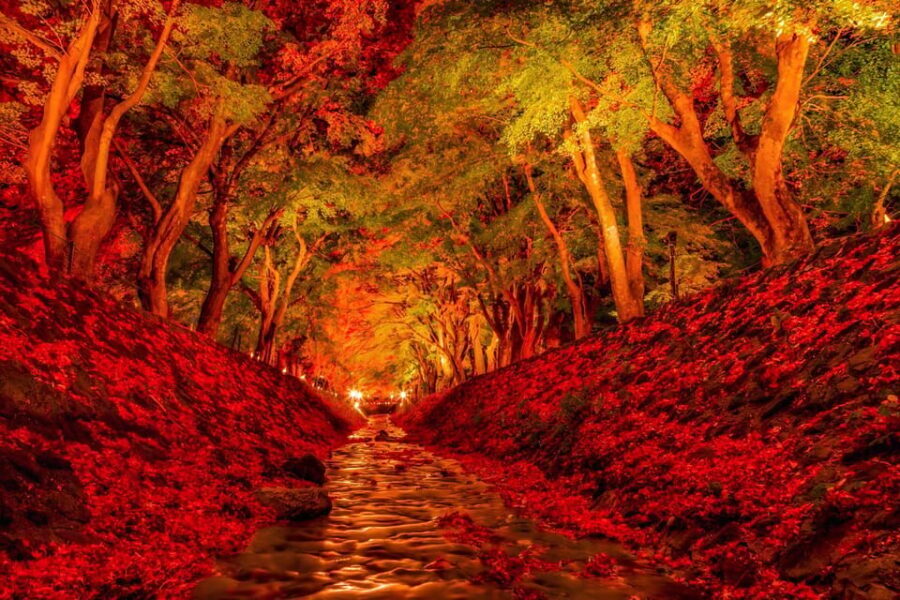
Next is a short stop at Hidakaya Clock Street (about 11:45 to 12:05, so roughly twenty minutes). This is the kind of place that works well when you have limited time: a focused stroll where Mt Fuji appears at the far end of a narrow street.
The timing matters here. It’s short enough to keep the overall day on track, but long enough that you can do more than snap one photo and move on. You can walk, frame shots, and enjoy the traditional shopfront vibe without feeling like you’re on a conveyor belt.
This stop also breaks the intensity of the morning sightseeing. After the steps and crowds that often happen around the most famous viewpoints, Hidakaya feels more relaxed and more intimate.
Oshino Hakkai: where the ponds do the talking
Oshino Hakkai comes next (about 12:30 to 13:50). This is a UNESCO-recognized area known for ponds fed by Mount Fuji’s water, with mirror-like reflections when conditions are right.
What makes Oshino Hakkai especially worth it is that it adds variety. Instead of only photographing Mt Fuji “from above,” you get reflection shots that feel softer and more peaceful. When the sky is clear, the water can turn the mountain into something like a painting.
You’ll have enough time to slow down here. The walk through the pond area is usually easier on the legs than the pagoda steps, so it’s a good mid-day reset before the afternoon.





Lawson Kawaguchiko Station: the short break that also earns its photos
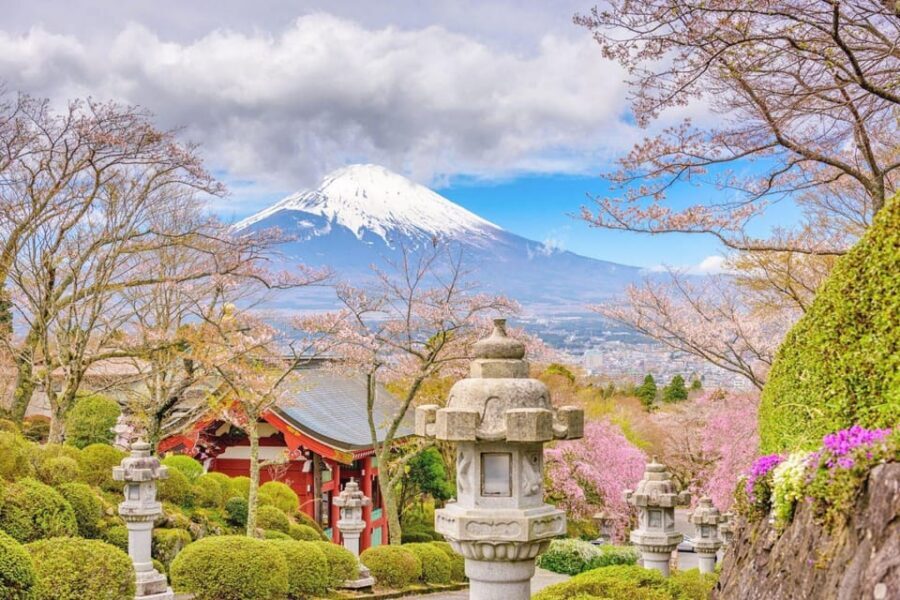
Around 14:30 to 14:50, you’ll stop at the Lawson area at Kawaguchiko Station. This isn’t a sightseeing detour; it’s a practical reset for people who’ve been on the move since Tokyo.
You get a break for shopping, local snacks, and a quick photo opportunity. Yes, it’s quirky, but that’s the point: Lawson’s location makes it possible to grab an on-the-street Fuji shot without needing another long hike.
If you’re the kind of traveler who always ends up forgetting snacks until you’re already hungry, this stop saves your afternoon. Just don’t expect a full lunch here—meals aren’t included.
Lake Kawaguchiko and the seasonal finale: Oishi Park or Maple Corridor
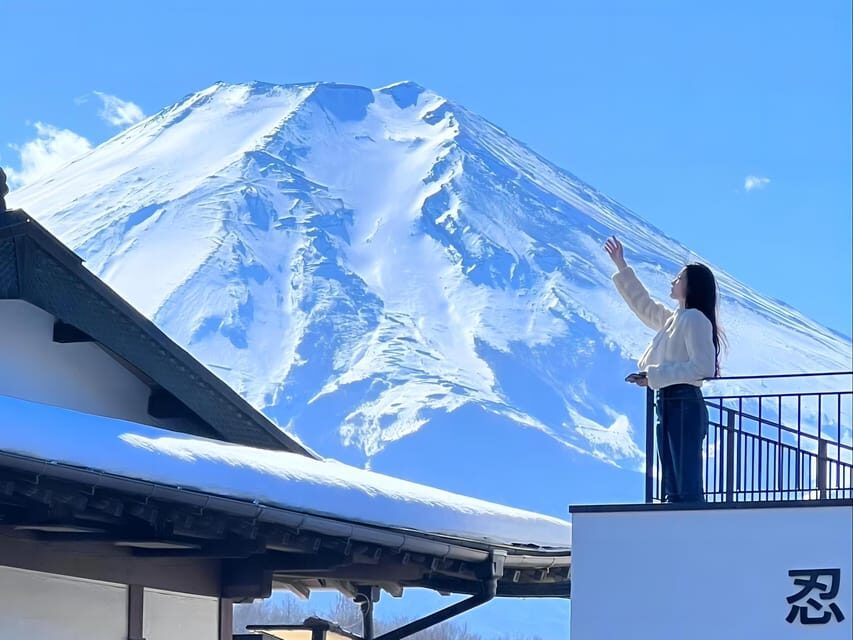
Your final scenic walk is timed for late afternoon (about 15:20 to 16:10). This part of the day is where the tour leans into seasonal beauty, giving you a Mt Fuji backdrop paired with seasonal color.
Depending on the date, you’ll visit either:
- Oishi Park / Maple Corridor (seasonal), or
- Kawaguchiko Maple Corridor instead of Oishi Park for about October 30 to November 20
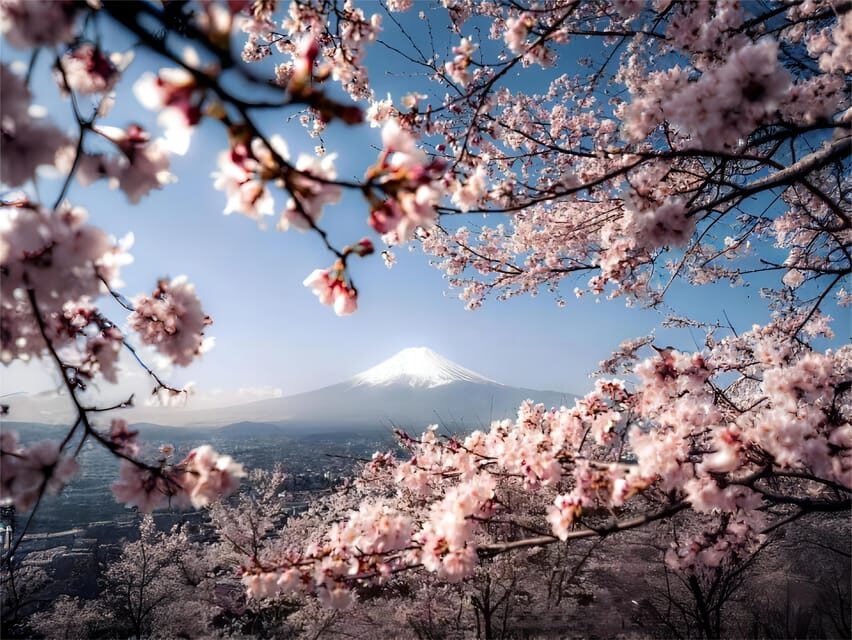
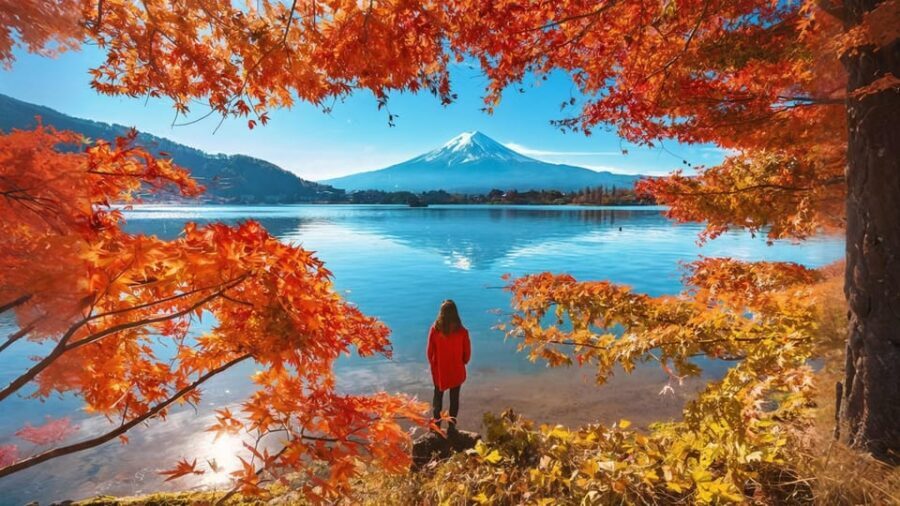
What you’re aiming for here is the seasonal contrast: Fuji with flowers in spring or summer, and Fuji with autumn leaves in fall. The tour’s seasonal planning is smart because Mt Fuji views can be hit or miss, but seasonal colors help your photos still feel complete even when the mountain is partly obscured.
If you’re visiting for cherry blossoms, the tour notes the spring window from about March 30 to April 14. If you’re chasing peak fall color, the Maple Corridor window is roughly October 20 to November 20, with that late-October swap timing built in.
Small-group comfort vs big-bus reality
This tour uses either a small group (up to 13 guests) or a larger bus (14–45 guests). That difference isn’t just comfort—it affects how crowded stops feel and how quickly you can move as a group.
In a smaller group, you typically get a calmer flow at photo stops, and your guide can keep closer watch on everyone’s timing. On a larger bus, you may feel a bit more like you’re part of a moving crowd, especially at the classic Fuji viewpoints.
Either way, the tour is built around clear timing and drop-off/pick-up coordination. In one example of a well-run day, a guide named Hikari was described as organized and personable, with clear instructions on where to get on and off again—this is exactly the kind of help that makes a long Fuji day feel manageable.
Price and Value: what $58 actually buys you
At $58 per person for a roughly 10-hour day trip, you’re paying for the hard parts: transportation out of Tokyo, a professional guide and driver, plus fuel, tolls, and parking. In other words, you’re not paying for entrances or meals—you’re paying for someone to stitch together multiple destinations efficiently.
That matters because Mt Fuji days are notoriously hard to plan well on your own. You need the right timing, the right transport, and enough flexibility to handle weather and traffic. This tour gives you that structure, so your effort goes into enjoying the stops rather than solving logistics.
What’s not included is also important:
- Meals and beverages (you’ll need your own lunch or snacks)
- Entrance fees to optional attractions (if you choose anything beyond the standard viewpoints)
- Personal expenses like souvenirs or extra activities
If you’re traveling with limited time in Tokyo and you want to come away with strong Fuji photos and a filled day, the value makes sense. If you’re trying to keep every yen tight or you want full independence, you might feel better doing a lighter DIY plan.
Weather, timing, and your Mt Fuji photo odds
Mt Fuji days are about the sky as much as the schedule. Even with a great guide and perfect timing, clouds can roll in. The tour’s timing helps because the day starts early and you hit two major Fuji viewpoints before mid-afternoon.
Here’s how I’d think about it: the morning is for the “signature angles,” and the afternoon is for “finish the set” scenery plus seasonal color. That means even if Fuji is faint, you still have pond reflections, street framing, and seasonal scenery to work with.
Also, when you’re at the steps or walking areas, plan to spend a little time just standing still and watching the view shift. Trees, structures, and wind can change how much of the mountain is visible as you move a few steps.
What you need to know before you go (so nothing spoils the day)
A few tour rules and practical notes can help you avoid common problems:
- No smoking in the vehicle
- No food in the vehicle
- One piece of luggage per person is allowed; extra or oversized luggage can cost more
- The order of stops can shift due to traffic, weather, or operational reasons
I’d treat the stop timing like a guide, not a guarantee. You’ll still get to the key locations, but if the day changes slightly, the goal stays the same: Fuji photos plus the calmer stops that balance out the famous viewpoints.
One more practical thing: wear shoes you trust for walking. You’ll be moving around multiple areas, including stair climbing at Arakurayama.
Who This Tour Suits Best (and who might skip it)
This is a great match if you want:
- A structured day with a guide managing transportation
- Multiple Mt Fuji photo locations in one trip
- Seasonal scenery in the Fuji area without planning every detail
It’s also less ideal if you need wheelchair access or if pregnancy is a factor. The tour is listed as not suitable for wheelchair users and not suitable for pregnant women, so you’ll want to choose a different option.
If you’re traveling as a photography-focused day-tripper from Tokyo, this itinerary makes sense. You’re not wandering endlessly; you’re hitting specific places that are designed for seeing and photographing Mt Fuji.
Should you book this Tokyo to Mt Fuji Lake Kawaguchiko day trip?
Book it if you want an efficient, guide-led day that mixes the famous Fuji viewpoints with calmer, more scenic stops—and you’re okay paying for convenience rather than doing everything yourself.
Skip it (or at least rethink) if you’re very sensitive to early wake-ups, you’re traveling with mobility limitations, or you need meals and entrances included. Also, if you tend to miss emails, be extra careful the night before—check your spam folder and use the guide’s provided meeting info so you don’t waste time at the start.
For most people visiting Tokyo and trying to capture Mt Fuji in a single day, this is a strong, practical choice: good structure, multiple Fuji angles, and seasonal payoff without the planning stress.
FAQ
Where is the meeting point?
Meet at Tokyo Station Marunouchi North Exit (1-chōme-9-1 Marunouchi, Chiyoda City, Tokyo). Your guide will be holding a flag for recognition.
What time does the tour start and end?
You meet at 7:50 and depart at 8:00. The tour returns to Tokyo Station around 6:50.
How long is the tour?
The duration is listed as 10 hours.
How big is the group?
Transportation is described as either a small group up to 13 guests or a larger bus with 14–45 guests.
What languages are available for the guide?
The live guide is available in English, Chinese, and Japanese.
Are meals included?
No. Meals, beverages, and snacks are not included.
Are entrance fees included?
Entrance fees to optional attractions are not included.
Is luggage allowed?
One piece of luggage per person is allowed. Excess items or oversized luggage may incur an additional fee.
Can I eat or smoke on the vehicle?
Smoking in the vehicle is not allowed, and food is not allowed in the vehicle.