REVIEW · OSAKA
Osaka: Visit the must-see places.
Book on GetYourGuide →Operated by Benzaitentours · Bookable on GetYourGuide
Neon food, ancient temples, all in one day. This Spanish-led tour strings together the big hitters of Osaka, from Osaka Castle to the sights around Dotonbori—so you can see a lot without playing city planner all day.
I love how the day is built around meaning, not just photos. Manuel Pérez (and the team) explains what you’re looking at in clear, story-based ways, and I like that the route includes both temples and street life, including a stop to try kushikatsu.
One thing to plan for: this is not wheelchair-friendly and you’ll be on your feet for a full sightseeing push. If stairs and longer walks are a problem for you, you may want a lighter option.
In This Review
- Key things to know before you go
- Price and what $73 covers (and what it doesn’t)
- Subway meetup at Morinomiya: the small detail that saves your day
- Osaka Castle Park: the Sengoku-era starting line
- Shitennoji Temple: history that goes back to 593
- Isshin-ji: a moving stop about funerary tradition
- Shinsekai and Tsutenkaku: neon nostalgia with real street food
- Kuromon Market: the best place to eat without guessing
- Namba and Dotonbori: finish with Osaka’s signature signs
- The guide makes the day: Manuel Pérez in Spanish
- How long is the day, and who it suits best
- Tips to get more from each stop
- Should you book this Osaka highlights tour?
- FAQ
- How much does the Osaka highlights tour cost?
- What is included, and what should I budget for myself?
- Do I need cash for this tour?
- Where do we meet and where does the tour end?
- Is this tour suitable for wheelchair users?
- What should I bring, and what is not allowed?
- Can I cancel and get a full refund?
Key things to know before you go
- Spanish guide, real explanations: Expect history and culture tied directly to each stop.
- Subway route, simple logistics: You’ll move by subway with the guide handling the flow.
- Temple pair for perspective: Shitennoji and Isshin-ji show two sides of Buddhist Osaka.
- Food stops with local rhythm: Shinsekai and Kuromon Market give you easy chances to snack.
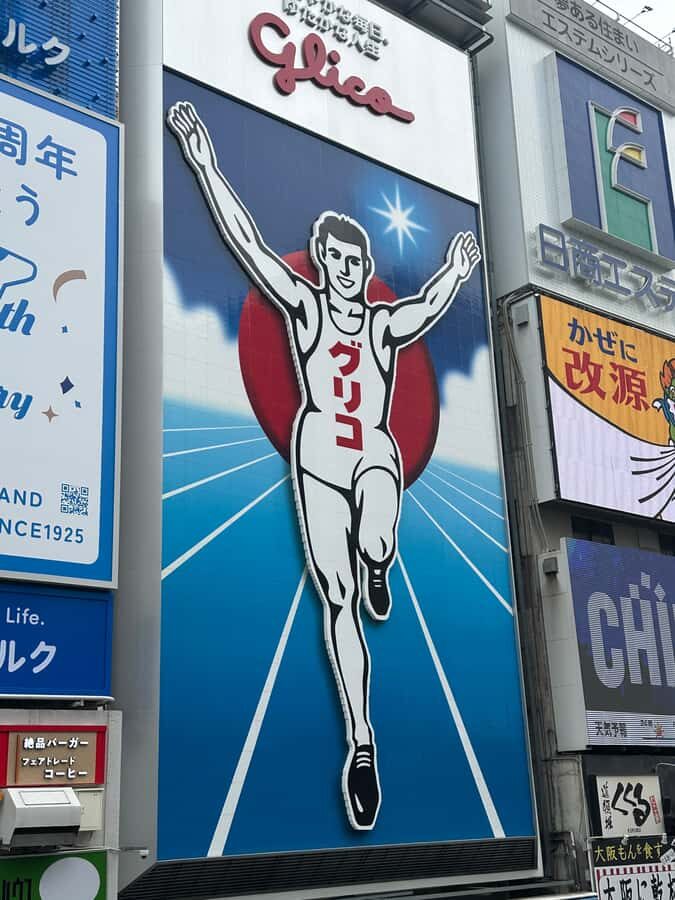
- Classic Osaka street icons: Finish with Glico Man and Kani Doraku crab energy.
Price and what $73 covers (and what it doesn’t)
For $73 per person, you’re buying a full, guided highlights circuit plus subway support while you hop between neighborhoods. Transportation by the guide is included, which matters in Osaka because it’s easy to waste time if you’re solo and trying to connect stations while also reading signs.
What you’ll cover yourself: meals, drinks, and personal spending. That’s not a dealbreaker—this style of tour is set up so you can choose what and when to eat, especially at Kuromon Market and around Shinsekai.
If you like structure, this price feels fair. If you already know Osaka well and you prefer to roam freely, you might feel you’re paying for convenience more than for extra sights.
You can also read our reviews of more tours and experiences in Osaka.
Subway meetup at Morinomiya: the small detail that saves your day
The tour starts at Exit 3B, Morinomiya subway station and ends back at the meeting point. That out-and-back rhythm is great when you’re trying to reduce stress, especially if you’re only in Osaka for a short window.
Bring cash or a transit card like ICOCA, SUICA, or PASMO. The tour says subway travel is mandatory with that payment setup, so plan ahead and don’t count on last-minute convenience.
Also pack for walking. You’ll want comfortable shoes and comfortable clothes, because temple areas and market streets mean a lot of steps and standing around while the guide explains things.
Osaka Castle Park: the Sengoku-era starting line
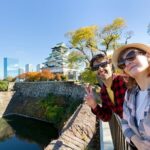
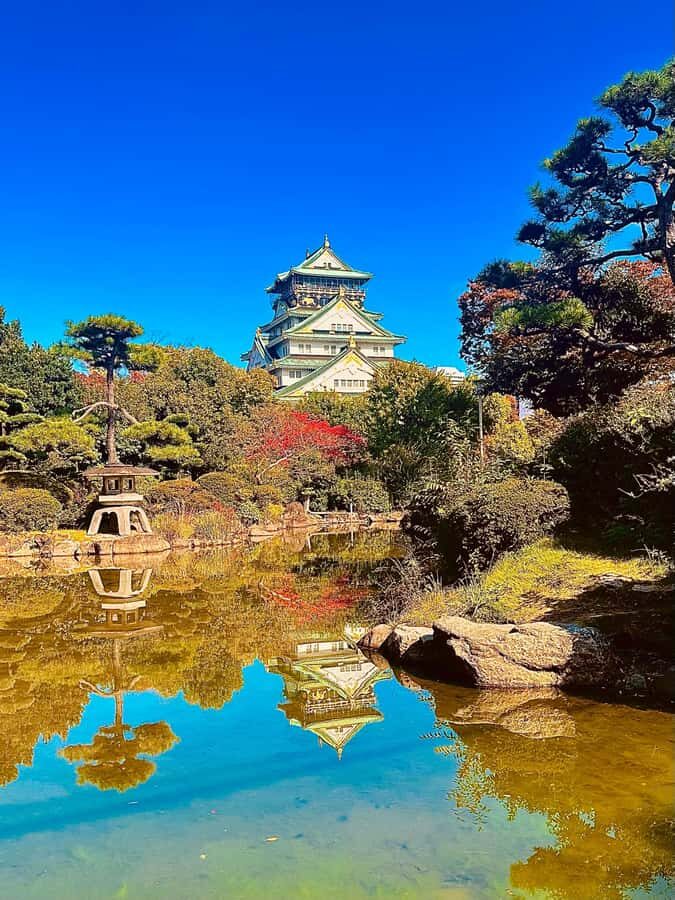
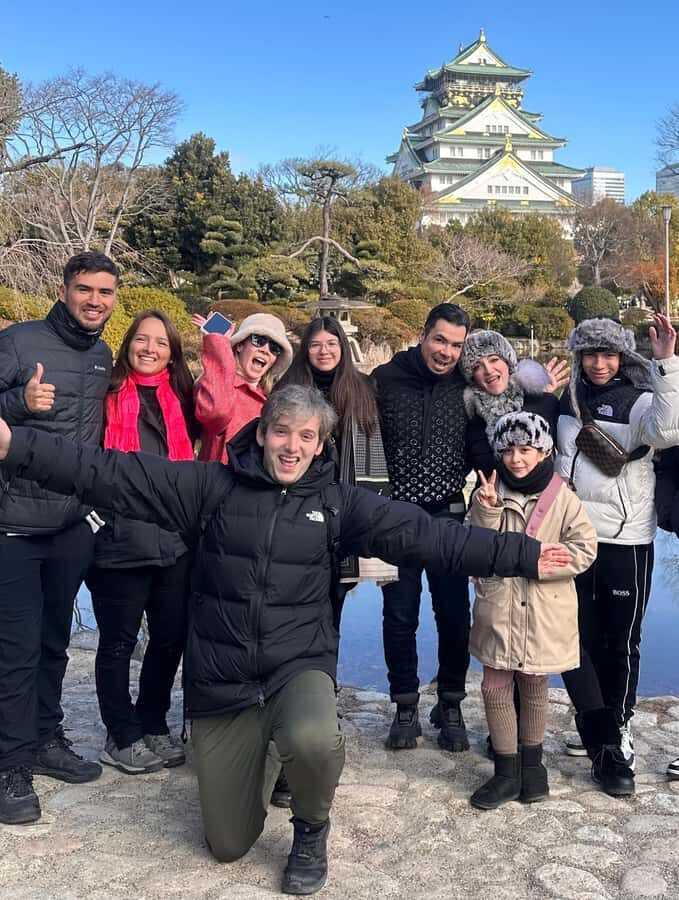
You begin at Osaka Castle, a 16th-century structure tied to Toyotomi Hideyoshi and the city’s power story during the Sengoku period. Even if you’ve seen castles in other places, this one hits differently because the history connects Osaka’s role in state-making and military conflict.
The visit includes the castle area and surrounding park space, so you’re not just rushing past walls. You get time to orient yourself with the scale of the place and learn why it became such a symbol.
Practical heads-up: castle sightseeing can be photo-heavy and time-consuming. If you tend to linger, good news—you’ll have space to do it—but don’t expect the day to feel like a quick drive-by.
Shitennoji Temple: history that goes back to 593
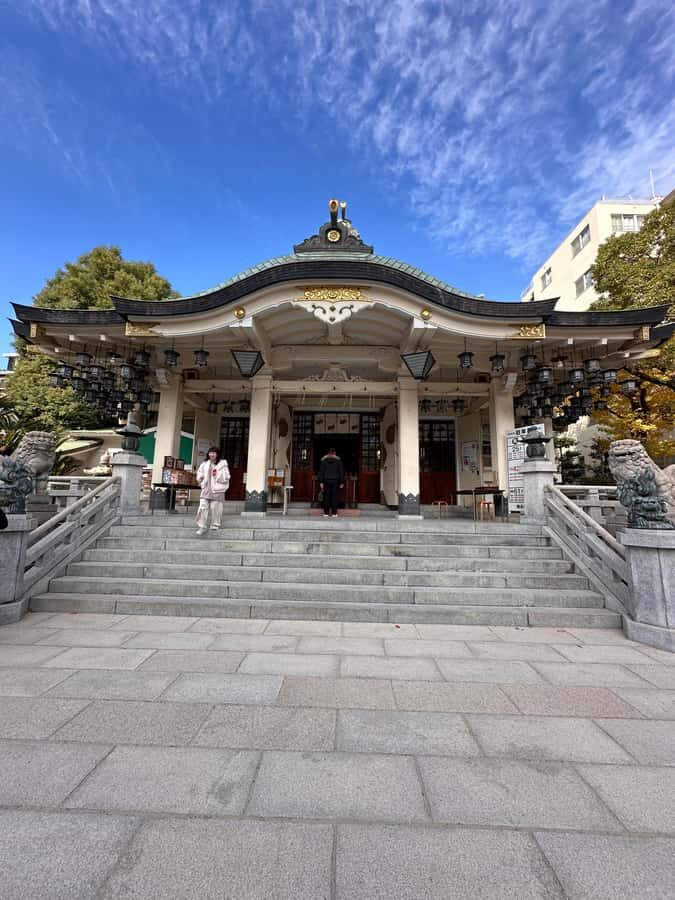
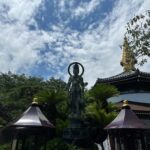
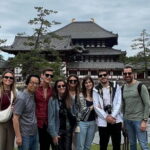
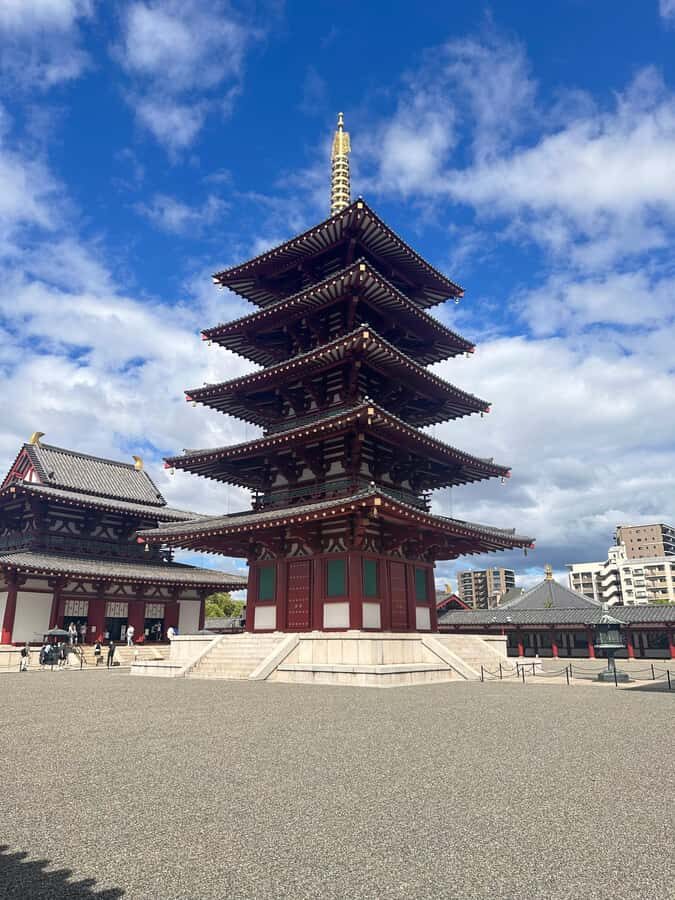
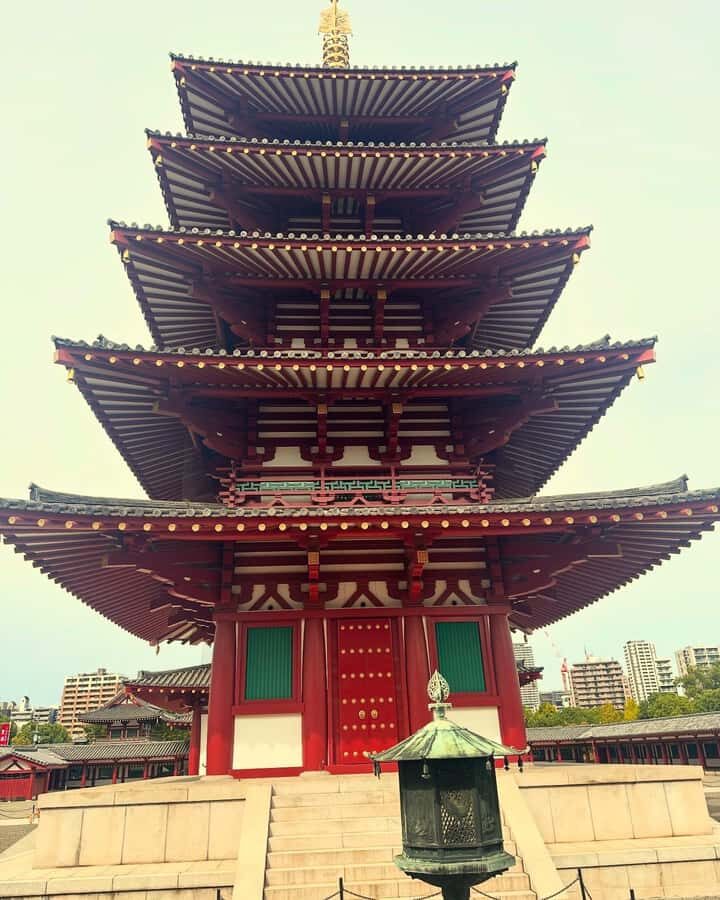
Next up is Shitennoji Temple, described as the oldest Buddhist temple in Japan, founded in 593. This is one of those stops where the setting matters. You’re not only seeing architecture—you’re seeing how Buddhism took root in Japan and how that shaped culture for centuries.
You’ll walk through the serene garden and admire the temple’s imposing five-story pagoda. That’s a strong combo for a first-day temple stop: quiet visual contrast after the castle and a more spiritual pace.
A drawback to consider: older temple sites can mean uneven paths, and crowds can build around the main views. If you don’t like navigating groups around photo points, keep your patience level high and follow the guide’s timing.
Isshin-ji: a moving stop about funerary tradition
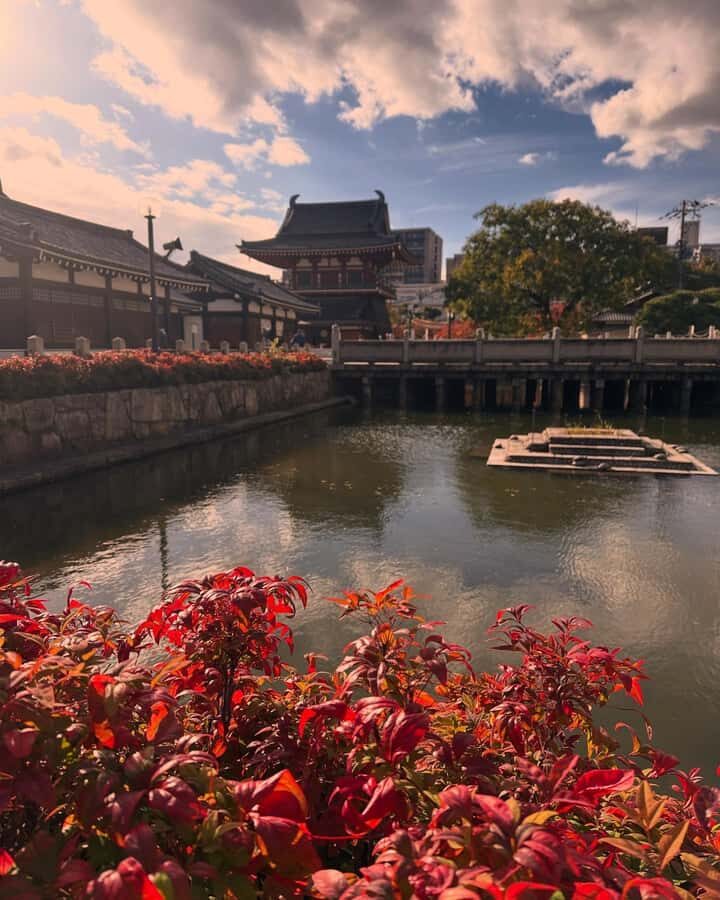
Then comes Isshin-ji Temple, known for housing Buddhist statues made from human ashes. This is not a casual sightseeing topic. It’s a tangible reminder of how religion, remembrance, and daily life connect in Japan—especially through funeral culture.
You’ll feel the solemn tone when you’re walking on-site. The guide’s explanations help make the setting understandable instead of just strange or distant.
If you’re sensitive to heavy topics, give yourself a mental heads-up. This is still a respectful, educational stop, but it’s emotionally weighty in a way the other sights aren’t.


Shinsekai and Tsutenkaku: neon nostalgia with real street food
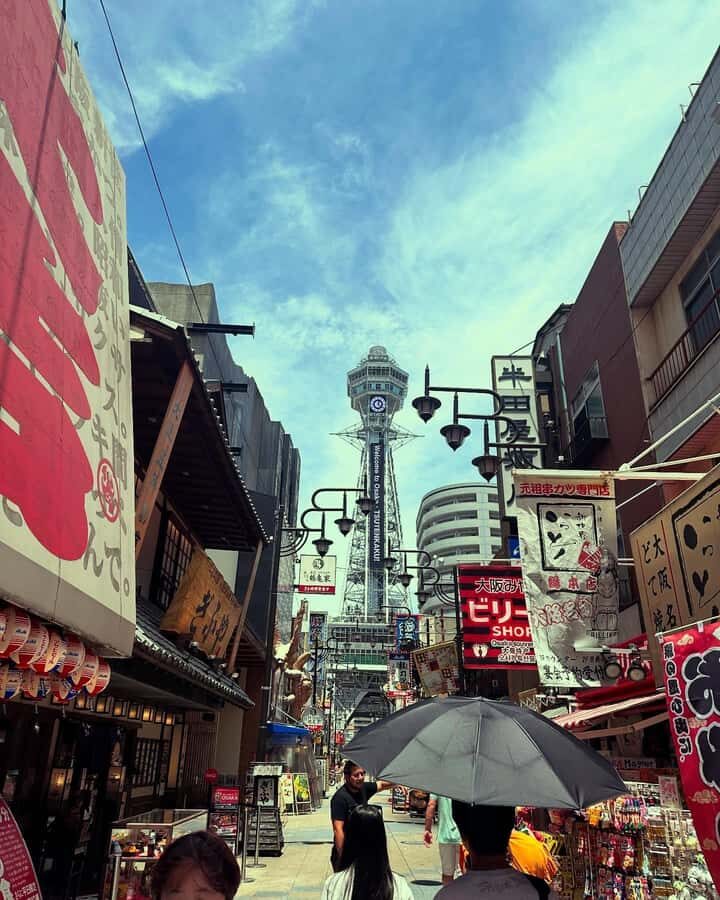
After the temples, you pivot into the nostalgic Shinsekai neighborhood. This is where Osaka flips from old-world quiet to a lively streetscape with neon lights, traditional restaurants, and that retro feel people come for.
You’ll visit the area around Tsutenkaku Tower, which acts like a visual anchor for the neighborhood. The tower gives you a landmark you can keep in mind as you wander the streets and line up your photos.
The food moment here is kushikatsu: fried skewers, commonly eaten street-style. The tour plan gives you a clean chance to try it as part of the walk, rather than sending you hunting through menus alone.
Tip: if you’re hungry, Shinsekai is where you’ll want to pace yourself. You’ll likely snack now and still want room later for the Kuromon Market stop.
Kuromon Market: the best place to eat without guessing
Kuromon Market is one of Osaka’s essential food stops, and you’ll see why quickly. The market is famous for fresh produce and local specialties—plus plenty of chances to try seafood, sushi, and wagyu beef-type items.
What makes this stop valuable is that it’s not just a food court. It’s a working market vibe, with stalls and energy that make you feel like you’re watching food culture in motion.
Keep your expectations realistic: you won’t control every detail of what you buy, since it’s a tour environment. But the guide can help you navigate what’s commonly sold and what makes sense if you want to taste more than one thing.
If you’re a picky eater, you’ll still have options, but don’t expect a sit-down restaurant pace. This is a snack-and-stroll style stop.
Namba and Dotonbori: finish with Osaka’s signature signs
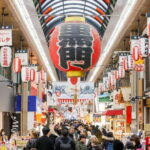
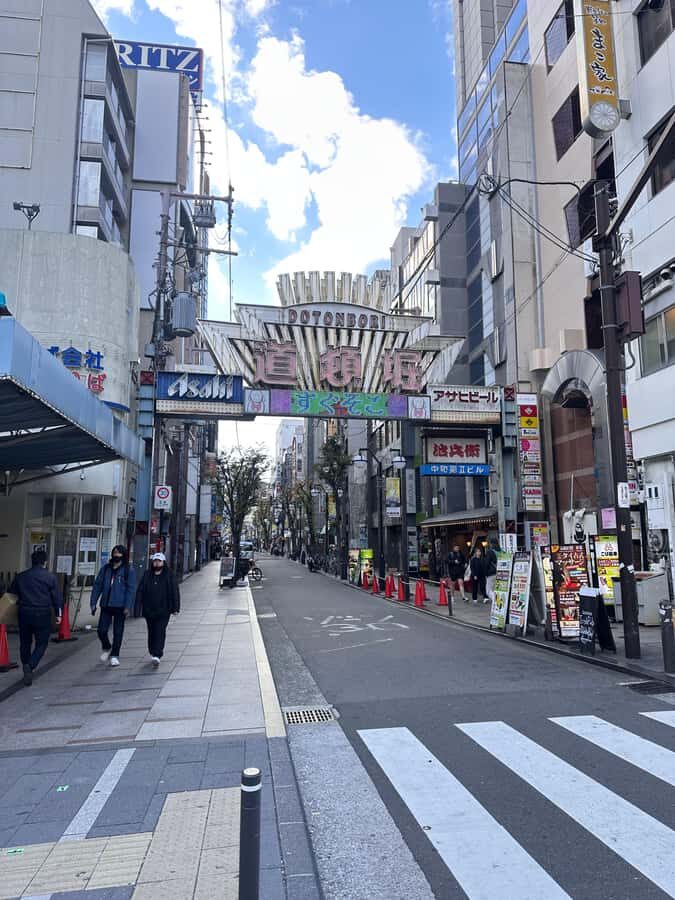
You end in Namba and Dotonbori, the bright, photo-famous heart of the city. This is the zone where it all comes together: neon signage, animated storefronts, and street-level entertainment.
You’ll stop near Glico Man and also see the famous animated crab of Kani Doraku. These are the icons you’ve likely seen on travel photos and social feeds, but the real value is how they fit into the larger neighborhood atmosphere.
This is a good finale because it’s light on deep reading and heavy on sensory stuff. If the earlier part of the day felt history-and-temple heavy, this ending lets you exhale.
One consideration: these areas can be crowded, especially later in the day. If you’re aiming for specific photos, try to follow the guide’s timing and don’t drift too far for too long.
The guide makes the day: Manuel Pérez in Spanish
This tour stands or falls on the guide, and here that’s a big deal. The experience is in Spanish, and Manuel Pérez is repeatedly described as kind, helpful, and very good at explaining history in a way that you can actually connect to what you’re seeing.
I like that the guide doesn’t only talk. You can ask for recommendations, and you get practical suggestions that help you keep eating and exploring without wasting time.
There’s also a real sense of care for the group’s comfort—especially when the day includes heat and lots of walking. If you need a moment, you’re not treated like a nuisance. You’re part of the flow.
And if your timing lines up, you might even catch a religious service during the day. One person noted seeing a misa, so it can happen when schedules cooperate—but don’t count on it as a guaranteed element.
How long is the day, and who it suits best
This is an all-day circuit that hits temples, a castle area, a food market, and the big street icons. Translation: it’s best for people who like to keep moving and don’t mind doing a lot in one day.
It’s a strong fit if you:
- want Osaka highlights without sorting subway lines yourself
- like history explained in plain language
- enjoy food stops that feel local, not just touristy
It may be a poor fit if you:
- need step-free accessibility (the tour is not suitable for wheelchair users)
- get exhausted by long walking days
- want meals planned in advance and included in the price
Tips to get more from each stop
A few practical moves can make this day smoother:
- Wear shoes you can trust. Temple stones and market floors can be different from street pavement.
- Bring cash even if you have a card. The tour specifically says you need cash or a transport card for subway travel.
- Plan snacks around your energy. Kushikatsu and market foods can stack quickly.
- Use the guide’s context. When you understand why Shitennoji matters or why Isshin-ji practices cremation-related memorials, the places feel less like random bullet points.
Also, keep an eye on your pace. Your day ends back where it starts, but you still need to manage your own stamina so you can enjoy the last neighborhood lights instead of just surviving them.
Should you book this Osaka highlights tour?
Book it if you want a single, well-shaped day that covers Osaka Castle, two major temples (Shitennoji and Isshin-ji), the street-energy zones (Shinsekai and Namba/Dotonbori), and a true food stop at Kuromon Market—all with a Spanish-speaking guide and included subway transportation by the guide.
Skip it if you’d rather travel slower, focus on just one theme (only food, only temples, or only nightlife), or you need accessibility accommodations. This route is built for movement and variety, not for a relaxed pace.
If you do book, go in with the right mindset: this is a highlights sampler with real explanations. You’ll finish the day knowing what you saw—and why it matters in Osaka.
FAQ
How much does the Osaka highlights tour cost?
It costs $73 per person.
What is included, and what should I budget for myself?
The tour includes transportation by the tour guide. Meals, drinks, or personal expenses are not included, so you’ll need to budget for food and anything you buy at the markets.
Do I need cash for this tour?
Yes. Since the tour travels by subway, you need cash or a transportation card such as ICOCA, SUICA, or PASMO.
Where do we meet and where does the tour end?
The tour starts at Exit 3B Morinomiya subway station and ends back at the same meeting point.
Is this tour suitable for wheelchair users?
No. The tour is not suitable for wheelchair users.
What should I bring, and what is not allowed?
Bring comfortable shoes, comfortable clothes, and cash. Baby carriages are not allowed.
Can I cancel and get a full refund?
Yes. You can cancel up to 24 hours in advance for a full refund.