REVIEW · TOKYO
Tokyo Baseball Experience Tour with Expert English-Speaking Guide
Book on Viator →Operated by Japan Awaits · Bookable on Viator
Baseball chants in Tokyo feel like a live tutorial. This small-group tour takes you to Meiji Jingu Baseball Stadium with an English-speaking guide and teaches you chants and anthems before the first pitch, with an audio headset so you can follow every explanation.
I love how the ticket is built in. You get S/A/B seats chosen for good sightlines, and with a maximum group size of 12, the guide can keep things friendly even when the stadium gets loud.
One possible drawback: the guided portion ends when the game begins, so you might not have much time for a slow pregame wander—plan your expectations for a start-fast experience.
In This Review
- Key highlights you will actually feel during the tour
- Why this Tokyo baseball tour hits so well for non-experts
- Getting to Meiji Jingu Baseball Stadium without drama
- The pregame portion: learning chants and anthems before you need them
- What your English headset is doing for you
- Choosing your seats: S, A, or B at Jingu Stadium
- Inside the game: how to use your pregame practice
- Food and drinks: simple plan, no surprises
- Timing, rain, and what to do when Tokyo weather flips the script
- Value check: is $98 a fair deal for what you get?
- Who this tour suits best (and who might want another plan)
- Should you book this Tokyo baseball experience?
- FAQ
- What is included in the Tokyo baseball tour?
- Is food provided?
- How long does the tour last?
- Where do I meet for the tour?
- What kind of seats will I get?
- Do I need to speak Japanese?
- How large is the group?
- What happens if it rains?
- What is the cancellation policy?
- What if I arrive late to the meeting point?
Key highlights you will actually feel during the tour
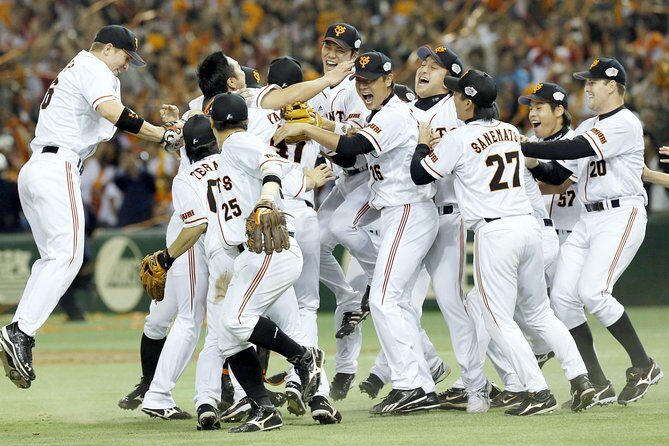
- A pregame lesson in Japanese fan culture: learn what to chant and when to join the crowd
- English guidance through audio headsets: clear explanations even in a loud stadium
- S, A, or B seat options: pick the view that matches how you like to watch
- Small group size (up to 12): better questions, less standing around
- Open-air stadium weather plan: heavy rain can cancel, light rain usually proceeds
- Snacks and drinks available on-site: you can keep it simple without packing a picnic
Why this Tokyo baseball tour hits so well for non-experts
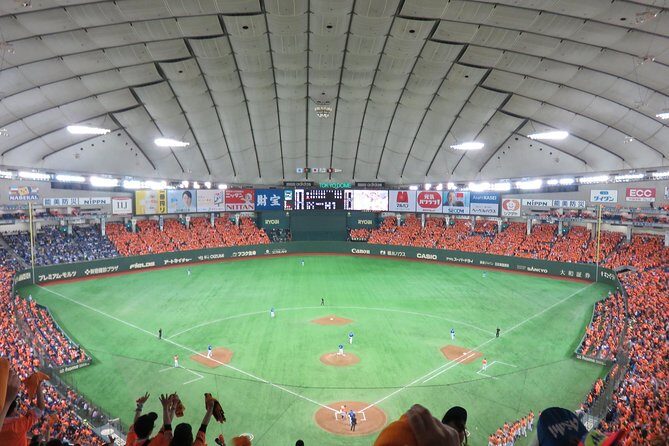
If baseball is your comfort sport, this tour adds something you usually miss when you just buy a ticket and show up. At Meiji Jingu Baseball Stadium, you get a short, practical crash course on how Japanese baseball fandom sounds and moves. Then you step into the game with words for what you are hearing and seeing.
I especially like the way the tour teaches the fan side, not just the sport side. You practice chants and anthems before you’re in full stadium mode, so the noise stops being random. And because you get an audio headset, you are not stuck guessing what the guide is saying over the crowd.
One more thing: the group size keeps the experience human. A max of 12 people means you can ask questions and get real context. At bigger attractions, that kind of attention is rare—and you end up mostly watching other people learn.
You can also read our reviews of more guided tours in Tokyo

Getting to Meiji Jingu Baseball Stadium without drama
You meet at Meiji Jingu Baseball Stadium, 3-1 Kasumigaokamachi, Shinjuku City, Tokyo 160-0013. The venue is near public transportation, which matters in Tokyo, where door-to-door plans can save energy.
Important reality check: transportation to and from the stadium is not included. That is common for tours like this, but it means you should plan your own subway or taxi route ahead of time.
Also, show up early. You are asked to arrive at least 10 minutes before the designated meet-up time, because the group tour may start without late guests. If you are running behind, you will be given the tour guide’s phone number so you can contact them and meet up with the group at the next point.
The pregame portion: learning chants and anthems before you need them
The tour runs about 4 hours total, and the game itself can last around three hours. The guided experience ends when the game begins, which keeps the flow tight: instruction first, then you go straight into action.
During the pregame time, you’ll learn about Japanese baseball in a way that fits first-timers. The guide is an expert fan, and you get a focused explanation of what makes Japanese baseball interesting and how it differs from Major League Baseball. You also learn the specific chants and anthems that fans use—then you join in with the crowd.
This is the main value of doing it as a tour. Even if you understand baseball basics, stadium culture is the secret sauce. Japanese ballparks have their own rhythms, cues, and crowd roles. With the chants and timing explained, you feel like you belong from the first innings.
What your English headset is doing for you
A lot of stadium experiences fail for English speakers because the explanation happens too quietly, too briefly, or too far away. Here, you get an audio headset, which helps you clearly hear the guide while you’re learning history and fan traditions.
That headset matters twice:
- Before the game, it lets you actually follow the story of how the baseball culture developed.
- During the game, it makes the lesson feel practical, because you can connect what the guide said to what is happening right in front of you.
If you are the type who likes to know why people do things, you’ll feel the difference fast. Instead of just reacting to noise, you get the pattern.
Choosing your seats: S, A, or B at Jingu Stadium
Your admission includes a seat choice in S, A, or B sections. The tour books one of these based on availability, so you’re not just showing up for random seating.
Here’s what each option means for your viewing experience:
- S Seats: right behind the batter, in the heart of the action
Great if you like watching pitches closely and want that front-row feeling for at-bats.
- A Seats: behind first and third base, with a good view of the entire field and the players on the bench
Great if you want more context than just the pitcher-batter matchup. You’ll catch the field flow and the drama of the bench area too.
- B Seats: behind the foul pole, with a good view of the outfielder’s play
Great if you prefer defense and tracking fly balls. You’ll also feel closer to the outfield action than some other sections.
If you are a baseball fan who watches patterns—pitching location, base-running decisions, outfield communication—seat selection is not a small detail. It changes what you notice first.






Inside the game: how to use your pregame practice
Once the guided portion finishes, you slide into full stadium mode. This is where your prep pays off.
You’ll be surrounded by fans doing the chants and anthems you learned earlier. Instead of standing there thinking, I have no idea when to join, you’ll already know the moments that call for it. That can turn a regular game into something you remember as a cultural experience, not just sports tickets.
Also, since the guide highlighted differences between Japanese baseball and MLB, you’ll have a framework while you watch. You might spot how fans respond to big moments, how the game feels paced, and how the crowd’s role shapes the atmosphere.
Practical tip: focus on one or two things you want to watch closely. Maybe you choose defense, or maybe you track pitching and base-running. With your chant practice already done, you can spend your attention where it makes the game fun for you.
Food and drinks: simple plan, no surprises
Food is not included. But the stadium has snacks, drinks, and merchandise available for purchase at the stands.
So if you have strong snack habits, bring a small plan with you:
- Drink water as needed during the game.
- Expect prices and choices typical of major venues (not bargain-store prices).
- If you want something specific, buy it early during breaks rather than waiting until you feel hungry.
The good news is you are not forced into a sit-and-stay with no options. You’ll have chances to grab what you want on-site.
Timing, rain, and what to do when Tokyo weather flips the script
Because this is an open-air stadium, weather affects the match. Here’s what you should know ahead of time:
- If there is heavy rain on your tour date, the match can be canceled and you receive a full refund.
- If it is light rain, the match usually proceeds as scheduled.
- If the match is ongoing and rain starts unexpectedly, the tour information says no refund will be provided.
That last point matters. In other words: don’t treat the ticket like a guaranteed indoors-only event. Bring a compact rain layer. If you’re sensitive to weather, you’ll enjoy the experience more if you arrive prepared.
Timing-wise, keep your energy for the whole session. The tour is about 4 hours, but the guided part is geared to end at the start of the game. After that, it is all baseball until the match ends.
Value check: is $98 a fair deal for what you get?
For $98, you’re paying for three things in one package:
- An English-speaking guide with baseball know-how
- A stadium seat in a category designed for solid viewing (S, A, or B)
- Admission to the game plus audio headsets
If you were to do this on your own, you’d still buy tickets. But you would likely miss the pregame fan education—especially the chants and ant he timing. And that is the piece that turns a game into a story you understand.
This is also one of those “you get what you pay for” situations where the time is tightly managed. You are not spending half your evening in transit or wandering with no context. You’re meeting at the stadium, learning the culture, then going right into the action.
It is especially good value if you like learning while you travel. If you prefer stand-alone sightseeing with zero structure, you might feel like it is a lot of organized pregame instruction. But for many baseball fans, that structured intro is the whole point.
Who this tour suits best (and who might want another plan)
This tour fits best if you:
- Love baseball and want to understand how Japanese fans participate
- Want an English guide without needing to translate your way through the experience
- Like small groups and clear instruction
- Are okay with the fact that guided time ends at game start
It may be less ideal if you:
- Want a long, self-guided stadium experience before first pitch
- Prefer food included or a full event meal plan
- Expect your transportation to be handled for you
One more note: you don’t need to be a baseball historian. The guide provides the history and comparisons in a way you can follow, and the headsets help you stay connected.
Should you book this Tokyo baseball experience?
If you want more than a ticket, yes, I think you should book it. The standout value is the pregame cultural training—learning the chants and anthems with an English guide, then using that knowledge as the stadium comes alive. That is how you get real participation, not just passive watching.
My main reason to pause is the timing. The guided portion ends when the game starts, so if your ideal night includes lots of pregame wandering and extra time soaking in the venue before the lesson is over, you might feel slightly rushed. If you can live with a start-fast game plan, this tour is a strong, practical way to see Tokyo baseball the way locals experience it.
FAQ
What is included in the Tokyo baseball tour?
You get an English-speaking tour guide, a baseball seat ticket (S, A, or B seats), an audio headset, and service fee and tax.
Is food provided?
No. Food and drinks are not included, but snacks, drinks, and merchandise are available for purchase at the stadium stands.
How long does the tour last?
The tour is about 4 hours. The game can last around 3 hours, and the tour ends when the game begins.
Where do I meet for the tour?
You meet at Meiji Jingu Baseball Stadium, 3-1 Kasumigaokamachi, Shinjuku City, Tokyo 160-0013, Japan, and the tour ends back at the meeting point.
What kind of seats will I get?
Your seat is booked in one of these categories depending on availability: S Seats (right behind the batter), A Seats (behind first and third base), or B Seats (behind the foul pole).
Do I need to speak Japanese?
No. You’ll have an English-speaking guide and audio headsets to help you clearly hear the explanations.
How large is the group?
This is a join-in group experience with up to 12 guests. A minimum of 8 people is required to operate the tour.
What happens if it rains?
If there is heavy rain, the match is canceled and you receive a full refund. If there is light rain, the match proceeds. If the match is ongoing and it starts raining unexpectedly, no refund is provided.
What is the cancellation policy?
The policy is strict: you cannot change the booking, and cancellations are subject to fees depending on how close you are to the event date, with higher penalties near game day.
What if I arrive late to the meeting point?
You should arrive at least 10 minutes early. The tour may begin without you, and you may need to meet the group at the next location. You will be given the tour guide’s phone number so you can call if you’re late.