REVIEW · KYOTO
Fushimi Inari Shrine: Explore the 1,000 Torii Gates on an audio walking tour
Book on Viator →Operated by VoiceMap Audio Tours · Bookable on Viator
Fushimi Inari Shrine looks like a photo set. The audio tour turns it into a story you can follow at your own speed. You’ll walk among fox statues and the famous Senbon Torii line of torii gates, while the narration explains the Shinto rituals and beliefs tied to the shrine’s long influence.
Two things I really like: first, the pace. This is a self-guided experience, so you can stop, listen, and look without getting rushed. Second, you get more than scenery—you learn what you’re seeing, including the Hand Water ritual, the concept of Wabisabi, and the places people associate with making wishes.
One consideration: this tour is audio-based. You must bring your smartphone and headphones, and you’ll want to download everything before you reach the shrine so the offline maps and narration work smoothly.
In This Review
- Key things you’ll notice on the walk
- Why Fushimi Inari feels different with an audio guide
- Getting started at the fox statue by Inari Station
- Hand Water and the main hall: where the narration slows you down
- Wabisabi on a shrine path: learning from what time does
- Senbon Torii: walking the 1,000 gates without losing the plot
- Okusha Shrine and the Root up Pine Tree: the route’s quieter turns
- The Heavy-Light Stone wish: a quick moment with big attention
- Value check: $5.99 for lifetime access, offline audio, and your pace
- Practical tips so your visit stays relaxed
- Should you book this Fushimi Inari audio walk?
- FAQ
- How much does the Fushimi Inari Shrine audio tour cost?
- How long is the tour?
- Where does the tour start?
- Where does the tour end?
- What do I need to bring with me?
- Do I need internet to use the tour?
- Is the tour guided by a person or self-guided?
- Is there lifetime access to the audio?
- If I cancel, will I get a refund?
Key things you’ll notice on the walk

- Start point near Inari Station with an easy meet-up by a fox statue
- Hand Water ritual explained as you’re standing where it happens
- A story-driven Senbon Torii walk that helps you track the gates without guessing
- Main hall stop for a quick reset before you go deeper
- Okusha Shrine and the Root up Pine Tree as meaningful turns in the route
- Heavy-Light Stone where you can make a wish
Why Fushimi Inari feels different with an audio guide

Fushimi Inari Shrine is one of Kyoto’s most photographed stops, and yes, the red torii gates are genuinely spectacular. But what you do with those gates matters. With this self-guided VoiceMap audio walk, you’re not just watching crowds pass—you’re learning what people believe and practice here as you move through the shrine grounds.
I like that the tour frames the experience in terms of Shinto rituals and beliefs, not just landmark spotting. That shift changes your attention. Instead of thinking, I’m walking through gates, you start thinking, What does this place mean, and why does it draw people back for more than a quick picture?
Also, you’re given enough structure to feel oriented. The narration introduces specific features—like fox statues and the torii corridor—so the whole visit clicks into place.
You can also read our reviews of more walking tours in Kyoto



Getting started at the fox statue by Inari Station
You begin opposite Inari Station, right at the shrine entrance area, in front of a fox statue. It’s a helpful choice because it’s the kind of start you can actually find without stress—then you’re immediately in the shrine mood.
Early on, the audio sets expectations. You’ll hear the significance of the shrine and the meaning behind key elements before you move deeper. That matters because once you’re inside the Senbon Torii tunnel, you don’t want to be playing catch-up with where you are or why you’re there.
If you’re the type who likes a clear beginning, this works well. You get a first “anchor” moment at the start, and then the tour builds step-by-step from there.
Hand Water and the main hall: where the narration slows you down
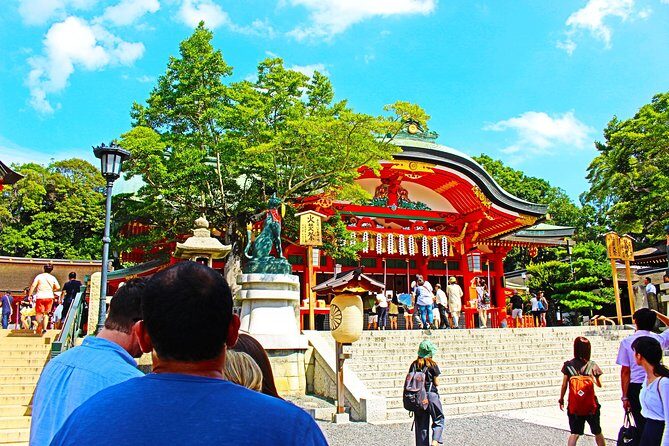
One of the most practical parts of this tour is that it doesn’t treat rituals like trivia. You’ll reach a stop tied to the Hand Water ritual and hear about it as you’re there, not after you’ve walked past.
That’s the advantage of a walking audio format. You can connect what you hear to what you see in the same stretch of time. Instead of reading about a ceremony at home, you’re experiencing it in context—standing in the shrine space where it belongs.
After that, there’s a short stop at the main hall. For me, that’s a good pacing tool. It’s like a pause button. You get a brief moment to look around, regroup, and then continue on with the gates in front of you.
Wabisabi on a shrine path: learning from what time does

Not every audio tour includes a concept stop, but this one does. You’ll get a portion focused on Wabisabi as you move through the complex.
Even without turning this into a museum stop, the idea of Wabisabi fits the atmosphere of shrines: textures age, surfaces change, and everything feels less brand-new and more lived-in. The value for you is that the narration helps you notice those small changes instead of rushing past them on your way to the torii gates.
If you like visits that give you mental hooks—ways to see beyond the obvious—this section helps. It adds meaning to what might otherwise feel like “more shrine buildings” before you reach the big corridor.
Senbon Torii: walking the 1,000 gates without losing the plot

This is the star act: you’ll make your way through the Senbon Torii, the torii-gate corridor that visitors come to see in Kyoto. The audio doesn’t just say, Here’s the gates. It helps you understand what you’re moving through while you walk.
I love that this part is structured but not strict. You can take it at your own pace for the gate walk, and you’ll still know what’s coming next. That’s useful because the corridor can feel endless if you’re only counting gates in your head.
You’ll also see how the fox statues pattern the experience around you. The audio ties these details into the larger shrine story, so the corridor feels like more than a tunnel of red.
One more thing I appreciate: the tour doesn’t feel like it’s built for a sprint. Since it’s about a 45 minutes to 1 hour overall, you can enjoy the gate walk without turning the whole outing into a full-day project.
A few more Kyoto tours and experiences worth a look

Okusha Shrine and the Root up Pine Tree: the route’s quieter turns
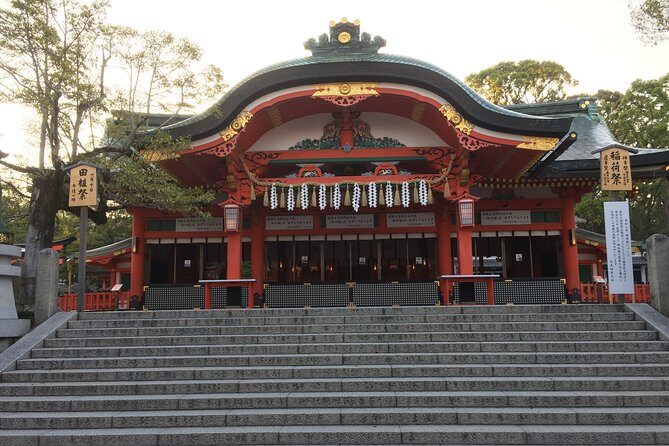
After the main corridor, the narration shifts into the deeper parts of the complex. You’ll learn about Okusha Shrine, then you’ll get a brief stop by the Root up Pine Tree.
These are the stops that make the experience feel more than the common “torii photo” loop. They add context for why people keep walking beyond the most obvious view. And because these sections come after the Senbon Torii, they give you a payoff: the corridor wasn’t just dramatic—it was also part of a longer pilgrimage path.
The Root up Pine Tree stop is especially worth slowing down for. Even if you don’t know its specific story from the start, the audio helps you look at it as a meaningful point on the walk, not just a landmark you barely notice.
The Heavy-Light Stone wish: a quick moment with big attention
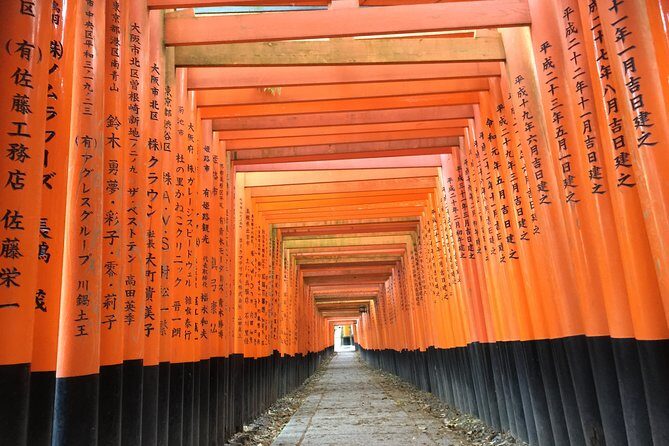
You’ll also hear about the Heavy-Light Stone, where you can make a wish. Even if you’re not a ritual-focused visitor, this is a nice break from constant looking. It’s a simple, memorable interaction inside the route.
The best part for practical travelers: it’s built into the audio experience as one of the key moments. So you’re not wandering around trying to guess where the “must-do” stop is.
If you like low-pressure experiences—things you can do in a minute, without signing up for a ceremony—this fits the vibe.
Value check: $5.99 for lifetime access, offline audio, and your pace
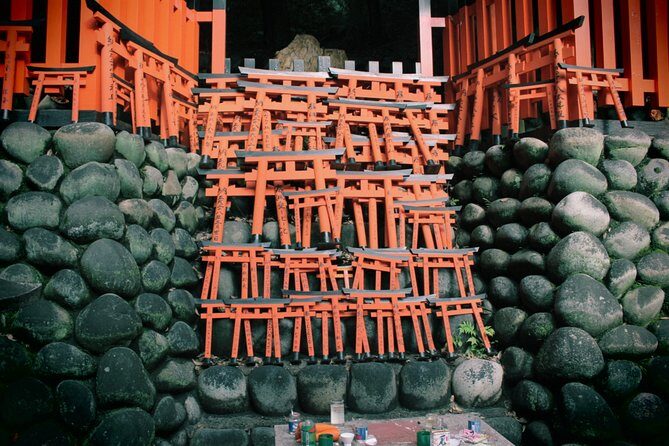
At $5.99 per person, the price is easy to justify if you’re the kind of traveler who wants to understand what you’re seeing. What makes it better value than many audio apps is lifetime access. You can reuse it later if you want to revisit the complex or listen again with a different mindset.
You also get the VoiceMap app for Android and iOS, plus offline access to audio, maps, and geodata. For this kind of walking tour, that matters. You don’t want to burn battery or rely on a signal while you’re in the middle of a shrine visit.
One tip pulled from how people use this style of tour: make sure you download everything before you get to the shrine. The tours that feel smooth are the ones where your phone is ready when you are.
Because it’s a private tour/activity, you’re not sharing the experience with strangers in the way you would with some guided groups. You just follow the audio and walk.
Practical tips so your visit stays relaxed
You’ll need to bring a smartphone and headphones—those aren’t included. The audio experience hinges on that gear, so plan to charge your phone before you leave and consider using wired headphones or keeping wireless battery in mind.
Your tour time is listed at 45 minutes to 1 hour. That’s a great length because it’s long enough to cover the big gates and the key shrine stops, but short enough that you can still tack on other Kyoto plans the same day.
Also, the tour starts near public transportation and you can meet it at the entrance area by Inari Station. That makes it a smart add-on even if your itinerary is tight.
Finally, remember the tour ends at Kumataka Shrine, down in the complex by a pond. That means you’re not returning to your exact start point automatically. If you’re plotting the rest of your day, keep that “end location” in mind so you’re not surprised by the extra walk back.
Should you book this Fushimi Inari audio walk?
Book it if you want the classic Fushimi Inari sights, but you also want the meaning behind them—rituals like Hand Water, stops like Okusha Shrine and the Root up Pine Tree, plus the Heavy-Light Stone wish moment. At $5.99 with lifetime access and offline support, it’s a cost-friendly way to turn a crowded-famous place into a thoughtful walk.
Skip it if you prefer only free-form wandering and you don’t want to carry extra phone attention. And if you go without headphones or forget to download offline content first, the experience can turn annoying fast.
If you’re on a first Kyoto trip, or you’re returning and want to see it differently, this audio walk is one of the best ways to get value from the time you spend at Fushimi Inari.
FAQ
How much does the Fushimi Inari Shrine audio tour cost?
It costs $5.99 per person.
How long is the tour?
The tour is approximately 45 minutes to 1 hour.
Where does the tour start?
It starts at the entrance area by a fox statue, opposite Inari Station.
Where does the tour end?
It ends at Kumataka Shrine, in the shrine complex near a pond.
What do I need to bring with me?
You need a smartphone and headphones. Food and drink are not included, and transportation is not included.
Do I need internet to use the tour?
No. The tour includes offline access to audio, maps, and geodata.
Is the tour guided by a person or self-guided?
It’s a self-guided audio walking tour, and it’s private for your group.
Is there lifetime access to the audio?
Yes. The tour includes lifetime access in English.
If I cancel, will I get a refund?
No. The experience is non-refundable and cannot be changed for any reason.